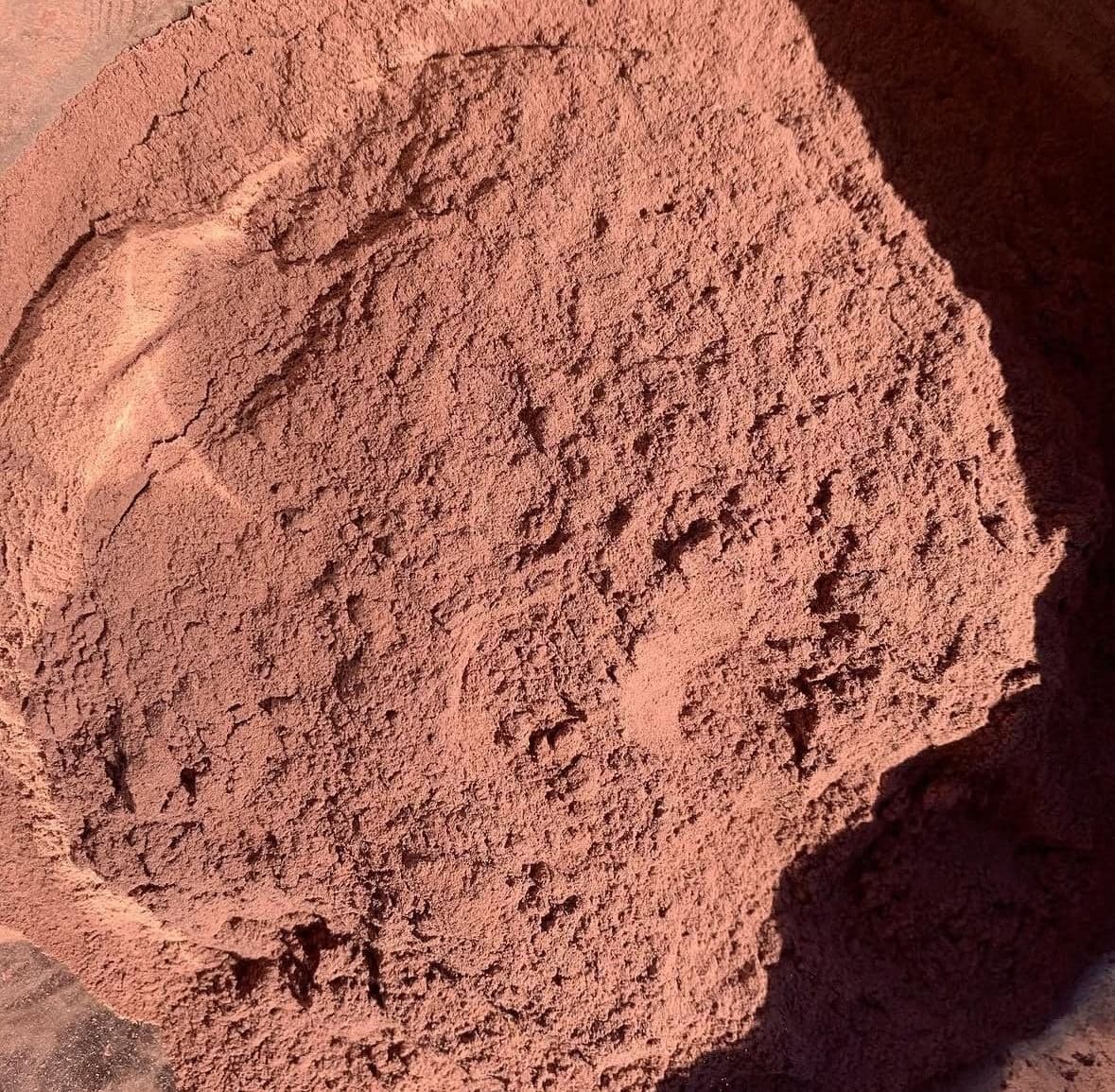
Powdered Mimosa Hostilis Root
Botanical use only
$37.501/4 lb
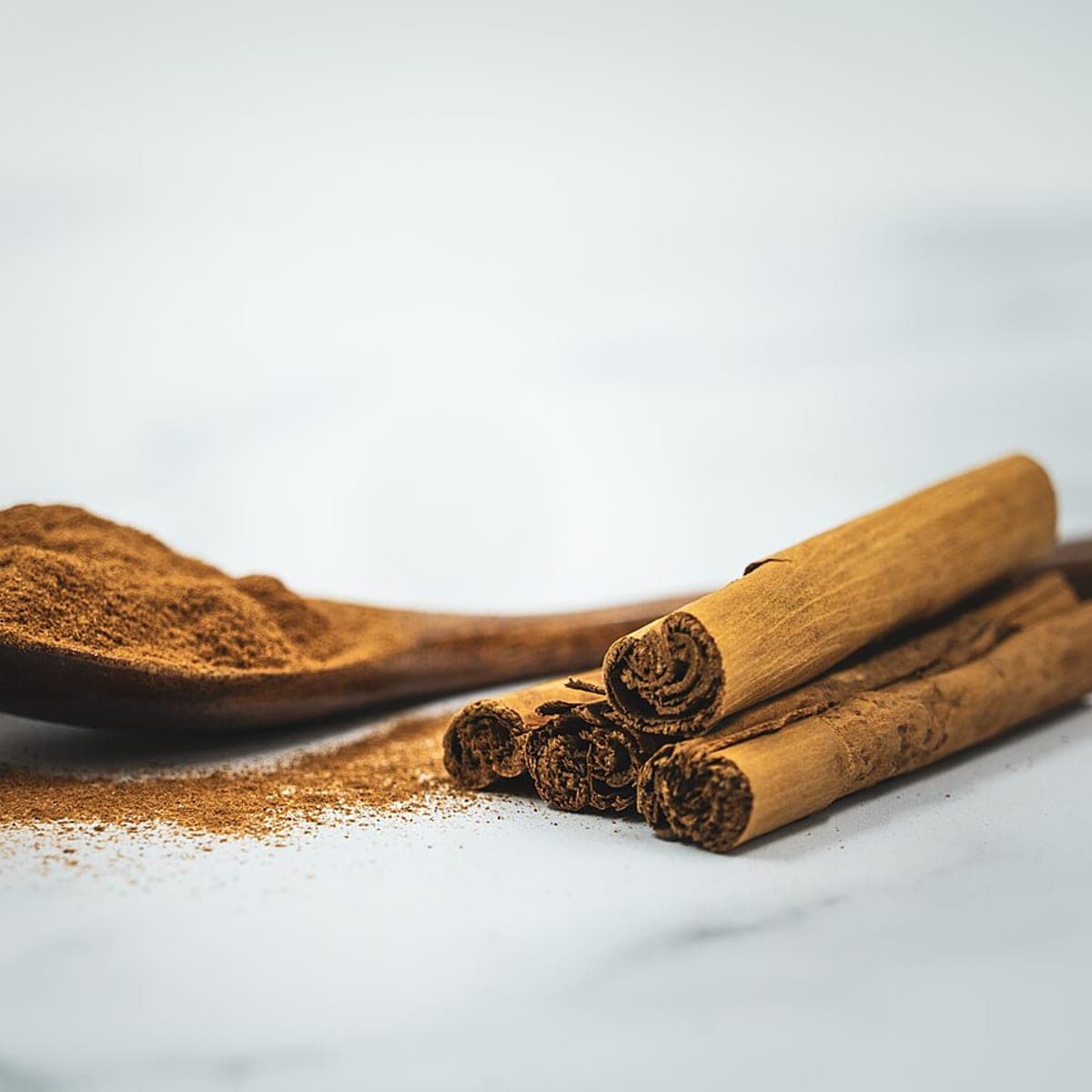
Milling multiplies surface area, and surface area governs how fast colour moves from plant material into water. Powder gives a full bath in an hour where coarse material wants three, gives almost everything on the first pass, and floats instead of settling. Every practical difference follows from particle size.
Editorial Team · Compliance and product research · Updated
Powder and shredded bark are the same material. They behave so differently in a pot that people assume otherwise, and the entire explanation is particle size.
Understanding that one thing tells you when powder is the right choice and when it is the wrong one, without needing to memorise a list.
Colour moves out of plant material at the boundary between the material and the water. The larger that boundary, the faster it moves.
Milling a piece of bark into powder does not create more colour. It creates far more boundary — the same mass, exposed across thousands of times more surface. A single coarse chip has a skin; the same chip milled has almost nothing but skin.
Everything below is a consequence of that.
Powdered Mimosa Hostilis Root soaked overnight and brought to temperature is usually giving everything it has within an hour. The same mass of shredded bark under identical conditions may want three, and stripped root longer still.
That is genuinely useful when you are running a series of tests and want each bath ready quickly. It is a liability when you are trying to hold a long, low bath and the colour is out before the fibre has settled.
Because the boundary is so large, powder releases nearly everything the first time. A second bath from spent powder is usually too pale to be worth heating water for.
Shredded material holds colour in reserve and reliably gives a second and third bath. If getting several tones from one bag matters, powder is the wrong form — and if speed matters more than economy, it is the right one.
Fine particles do not settle out the way chips do. They stay suspended, they float rather than sinking, and decanting does not separate them.
They also lodge between the plies of a skein and dry as dark specks that read as a fault. Getting them out is a subject of its own — see filtering powder out of a dye bath.
Milled plant material becomes dust when you open a bag, weigh it, or tip it. That is true of paprika, flour and sawdust, and it is true here.
It is a handling matter rather than anything peculiar to this species, and it is covered properly in dust safety when working with milled bark.
The same exposed surface that releases colour quickly also takes up moisture quickly. Powder is the form most punished by damp storage: it cakes, and caked powder never disperses properly again.
Stripped root keeps longest for exactly the opposite reason. Storage specifics are in storing powder.
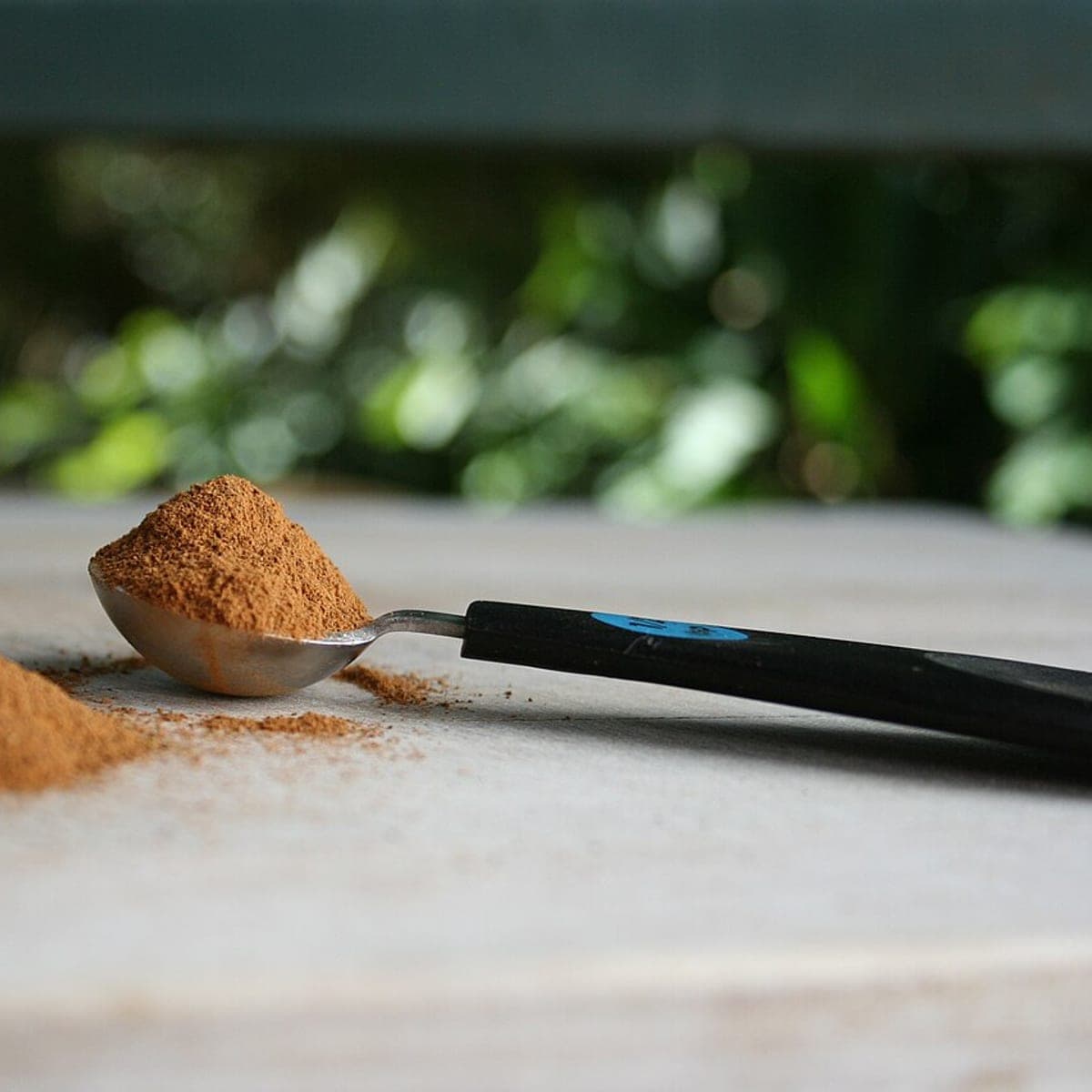
Two things are worth stating clearly, because people assume otherwise.
The colour range is the same. Powder does not give a different palette. It reaches the same plums, burgundies and roses, at the same percentages of fibre weight, under the same conditions.
The temperature rule is the same. A boiled powder bath goes brown exactly as a boiled bark bath does. Speed is not permission to rush the heat — if anything the opposite, because a fast bath tempts you to push it. See getting purple instead of brown.
There is no rule against using both in one project, and a common approach is powder for the test skein and shredded for the real work. Keep the ratio the same across both and you are comparing like with like.
The full trade-off table is in powder, shredded or stripped.
Everything described here is raw botanical material sold for dyeing, soap making and craft work. It is not food, it is not a supplement, and it is not for human consumption. Nothing on this page is a recommendation to put any of it in or on a body.
Part of our guide: What Is Mimosa Hostilis Root Bark?
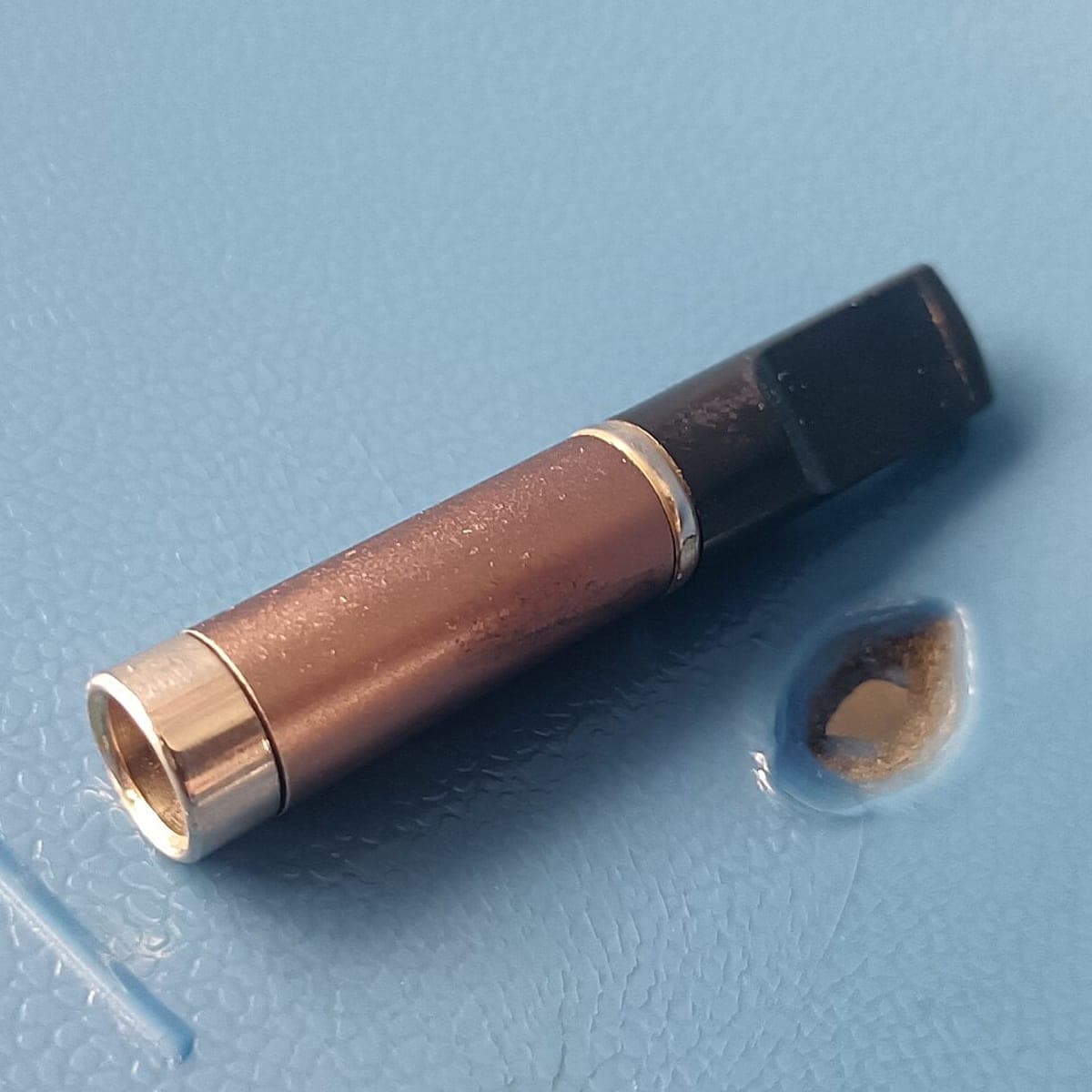
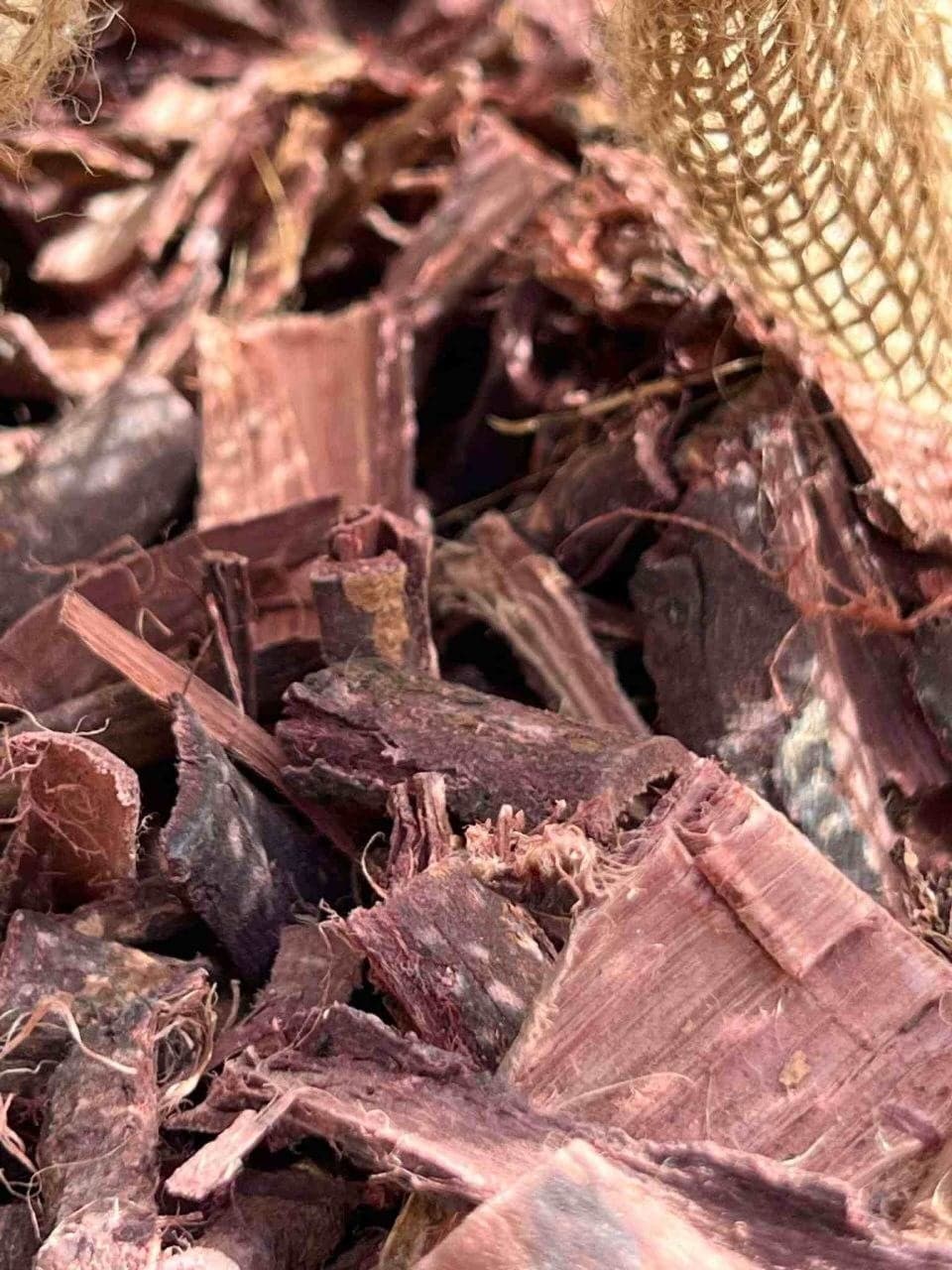
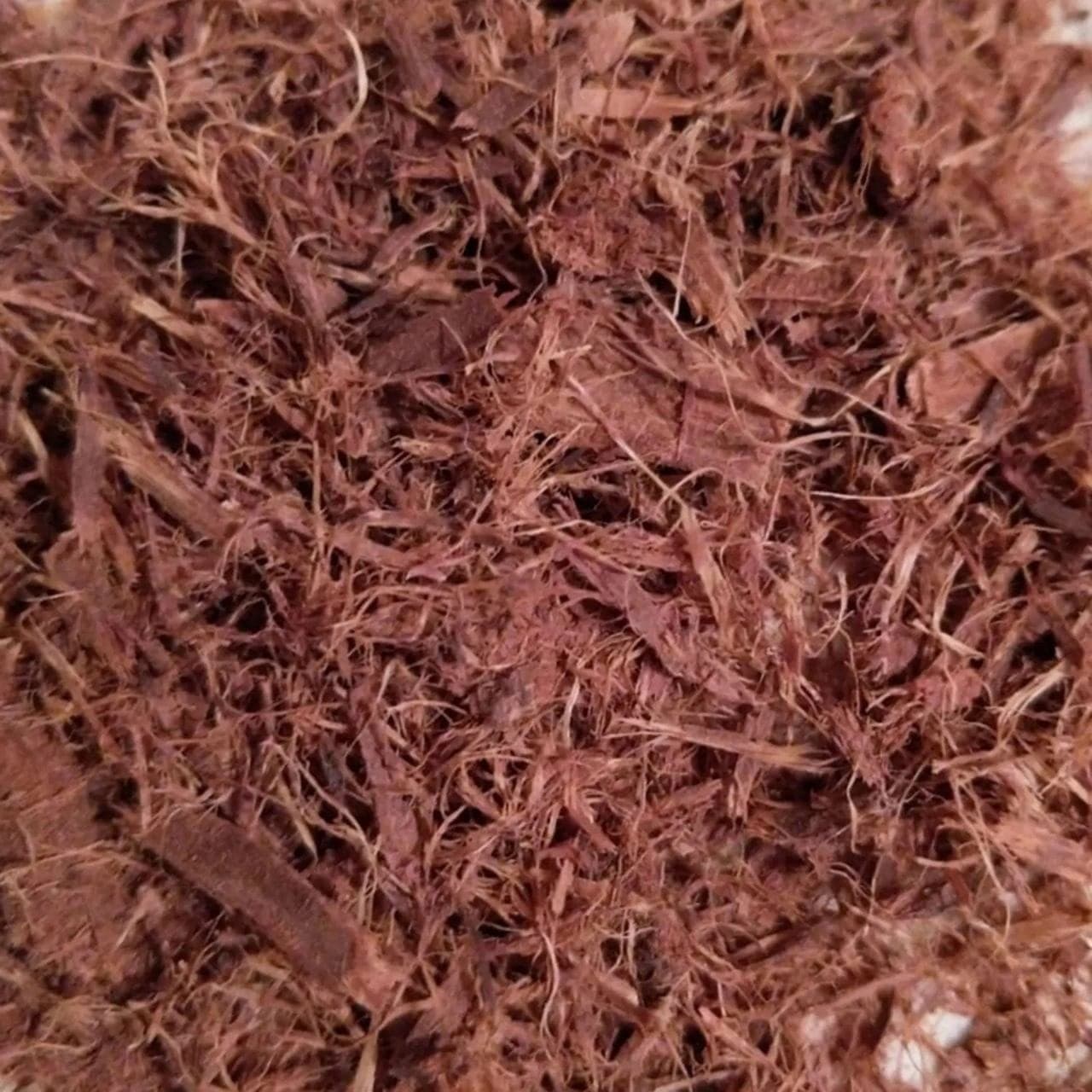
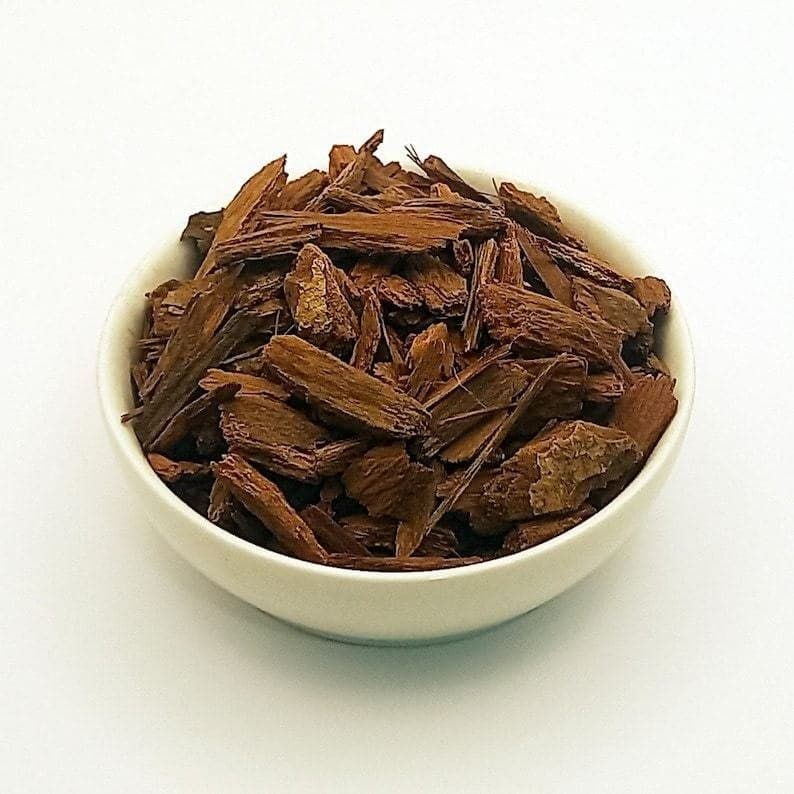
Powder gives up colour fastest and suits small test skeins and soap. Shredded bark lifts cleanly out of the pot and gives a usable second bath. Stripped roots keep longest and let you mill your own. The choice is about handling and storage, not about what colour you can reach.
A quarter pound covers a test plus a small project. A full pound covers a garment with material left for a second bath. Buy the larger size once you have settled on a form, and buy enough from one batch to finish anything that has to match, because bark from two harvests will not.
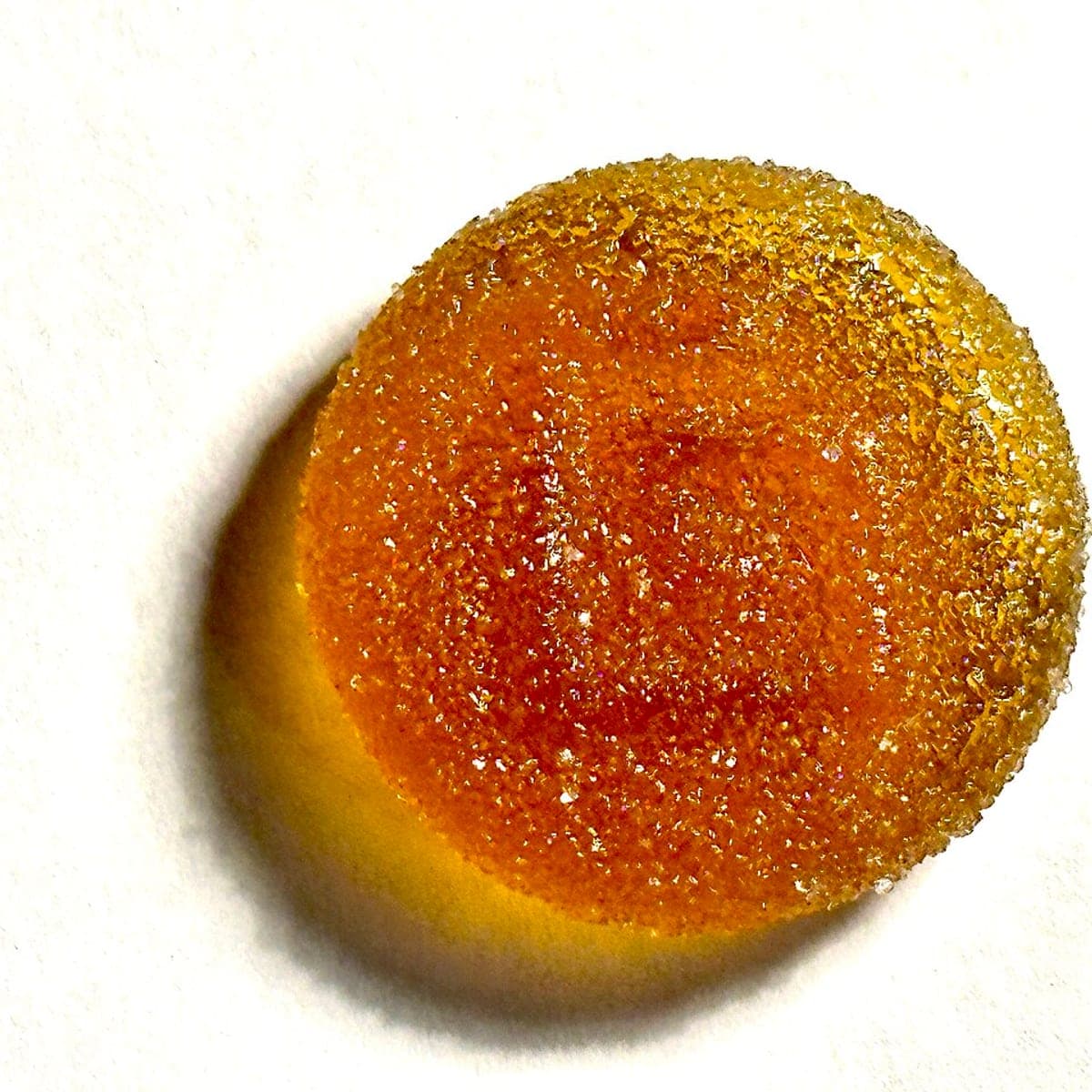
Powder is the form most punished by poor storage, because the surface area that releases colour quickly also takes up moisture quickly. Sealed, dry, dark and at a stable temperature. Caked powder never disperses properly again, and damp plus warmth in a sealed bag is how mould starts.
Your cart is empty
Everything we sell is batch-tested, and we tell you what ships to your state before you add it.
Browse the shop