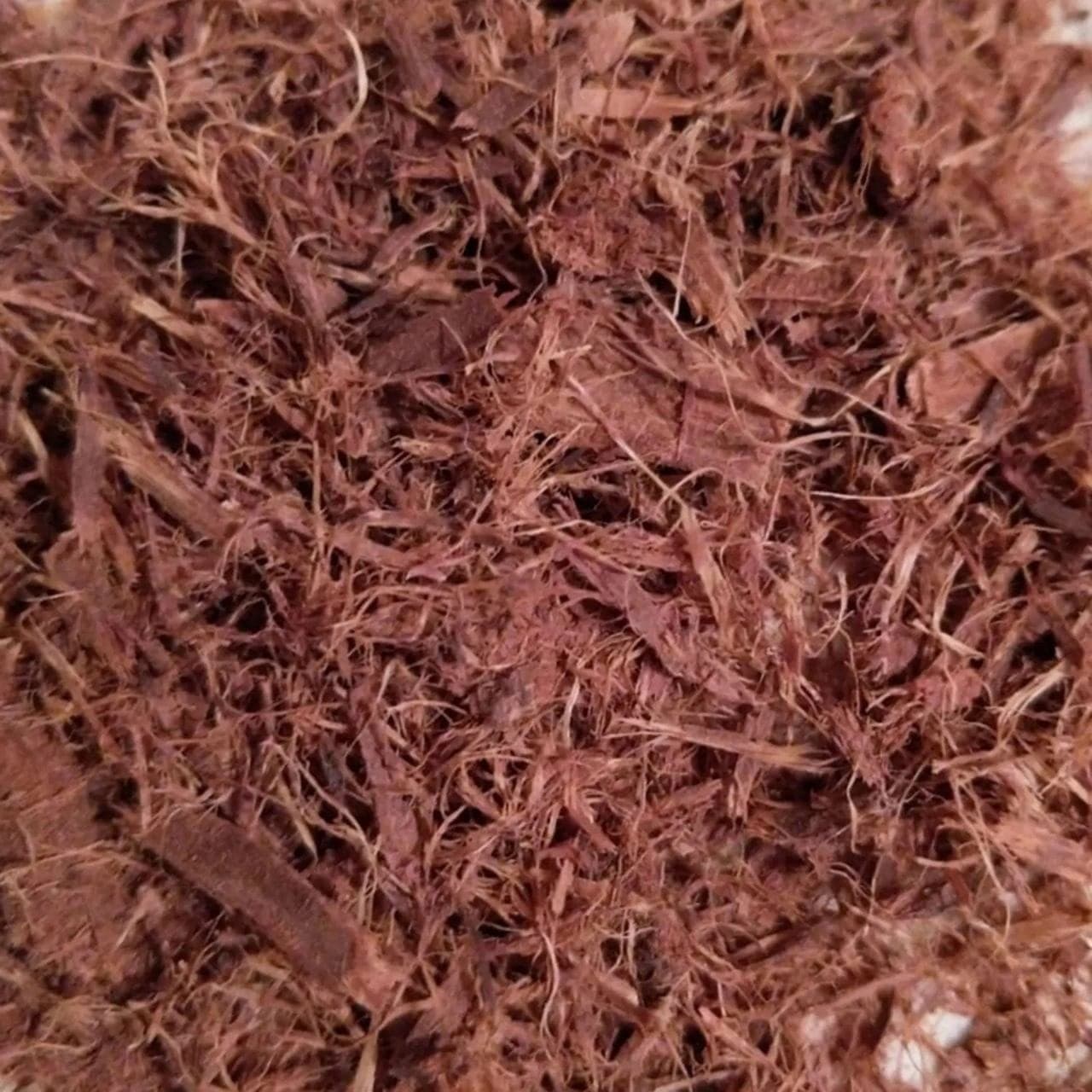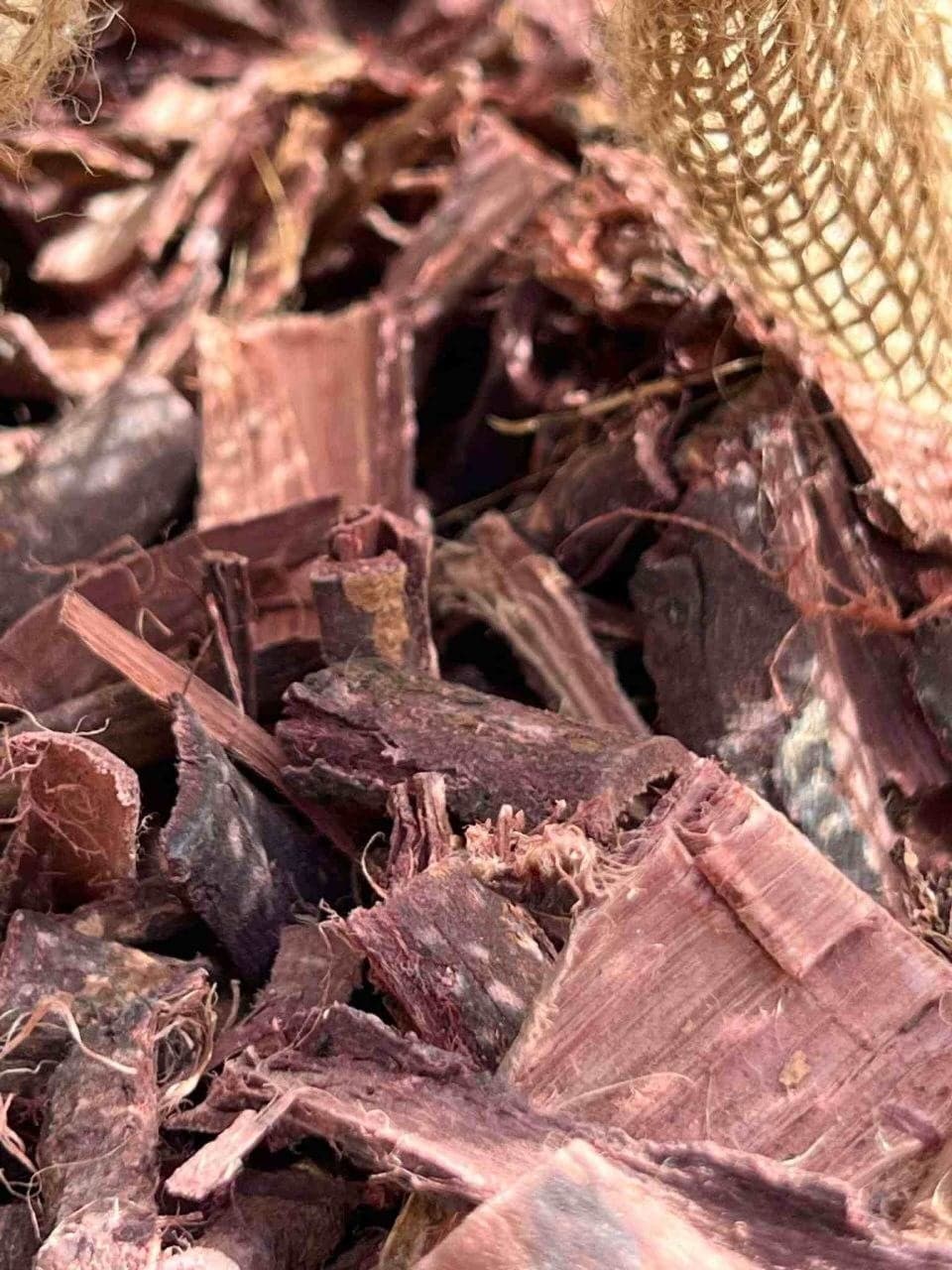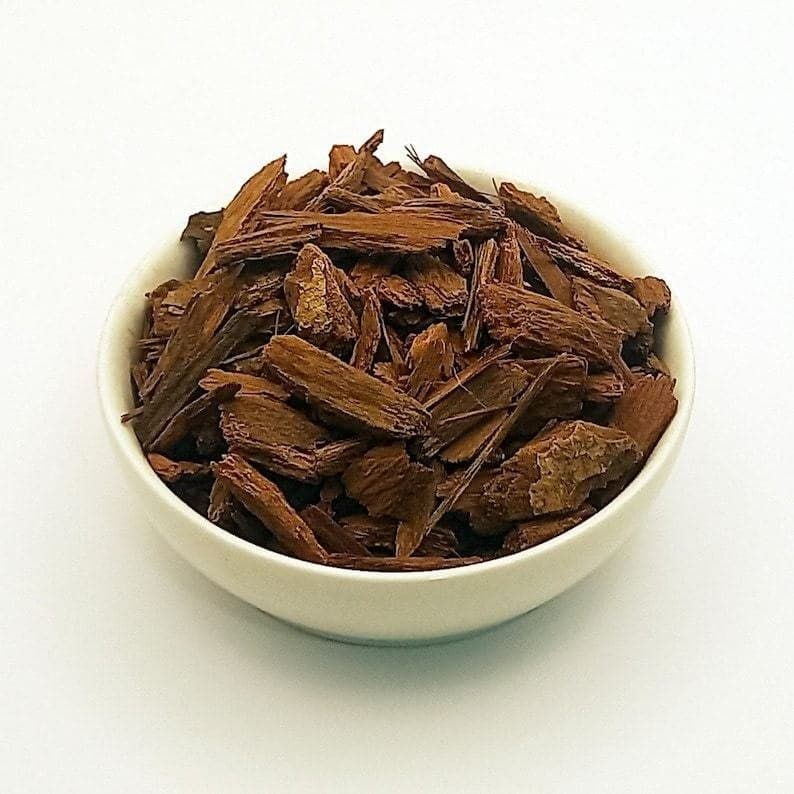
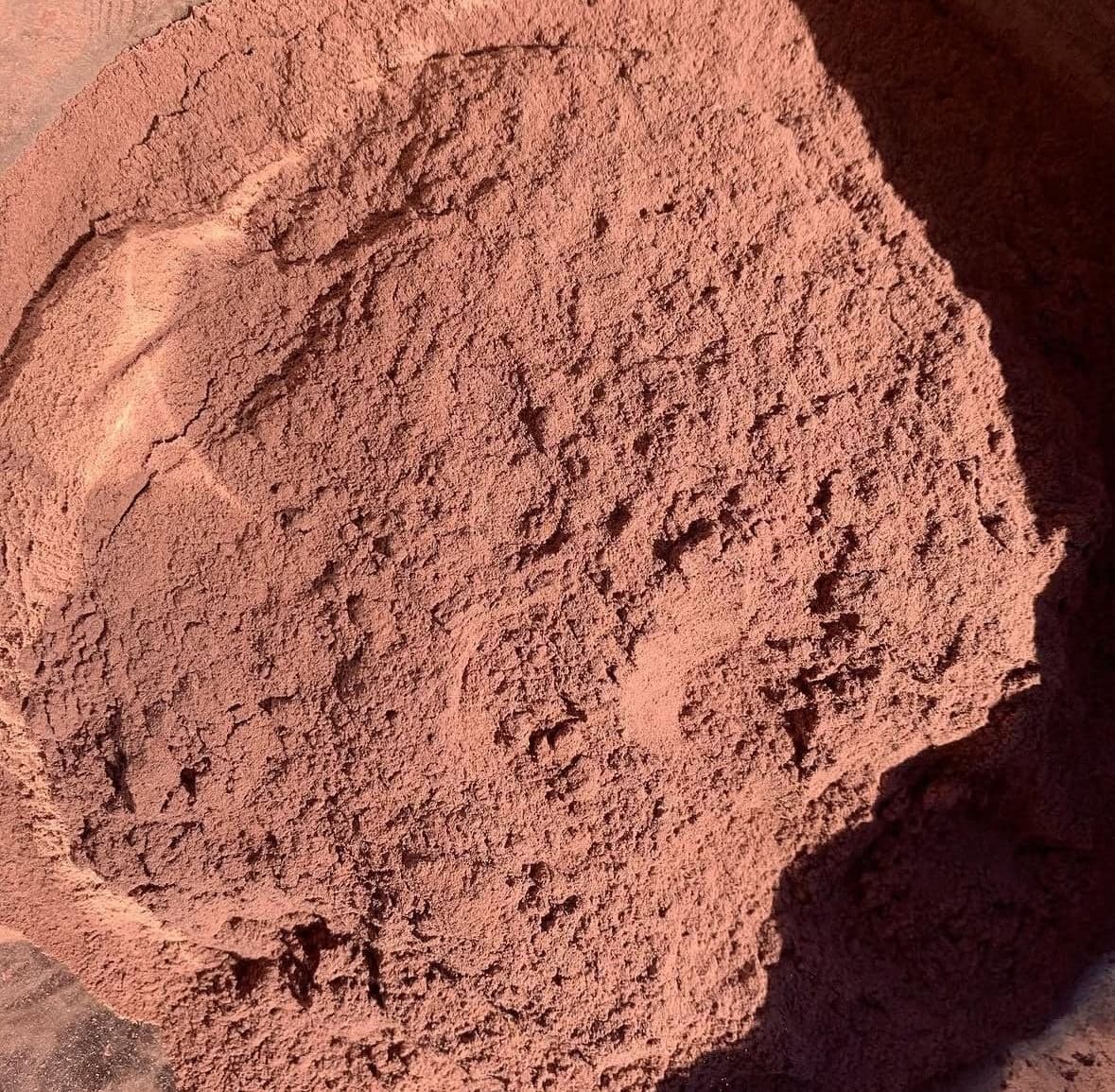
Powdered Mimosa Hostilis Root
Botanical use only
$37.501/4 lb
Your cart is empty
Everything we sell is batch-tested, and we tell you what ships to your state before you add it.
Browse the shop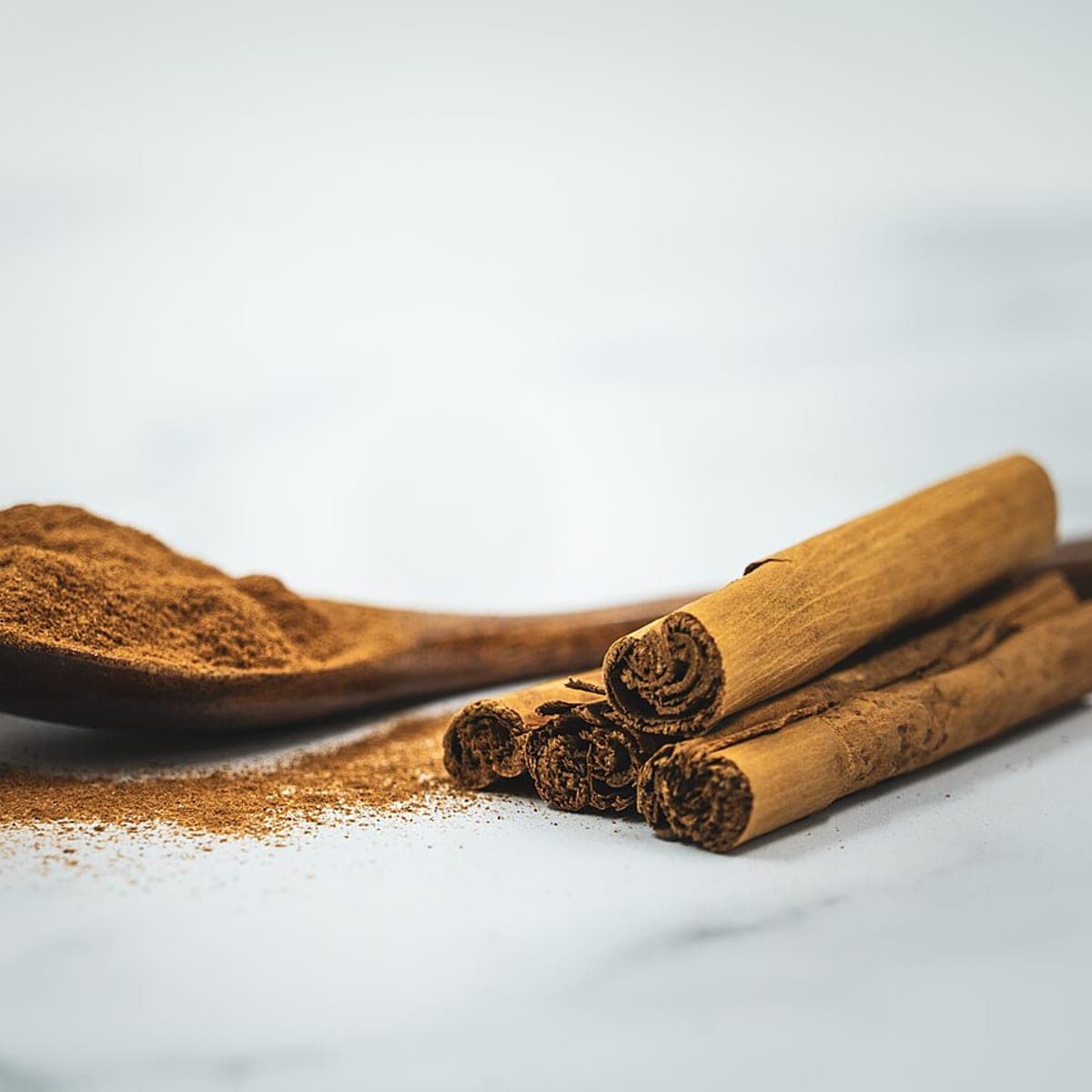
Finely milled bark colours cold-process soap from warm tan to deep plum-brown. The high pH of fresh batter pushes the shade warmer than the same powder gives on wool, so a test batch is essential. Disperse it in oil and add at light trace. The colour settles as the bars dry over several weeks.
Editorial Team · Compliance and product research · Updated
Milled bark is a long-standing natural colourant in cold-process soap, and it behaves very differently there than in a dye pot. The reason is pH: fresh soap batter is strongly alkaline, and alkali pushes these colours warmer and browner.
If you arrive expecting the clear purple a dye bath gives on wool, you will be disappointed. If you arrive expecting a range of warm earth tones, you will be pleased.
The range runs from a light warm tan at low addition rates to a deep plum-brown at higher ones. Genuine purple is not realistically on the table in cold process — the chemistry of the batter is working against it, in the same direction that an alkaline after-bath shifts a dyed skein.
The colour also moves while the bars dry and harden over the following weeks. A bar that looks one shade at cutting is usually a little softer and warmer a month later. Judge a colour on a fully dried bar, never on a fresh cut — the same principle as never judging a dye result wet.
Start at one teaspoon of finely milled powder per pound of oils.
Sift the powder before use. Coarse fragments read as dark specks in the finished bar, which is charming in a rustic bar and a defect in a smooth one — decide which you are making before you skip the sieve.
Powdered Mimosa Hostilis Root is the obvious form here. Shredded and stripped material has to be milled first, and milling bark finely enough for soap is more work than it sounds.
### Dispersed in oil
Mix the powder into a spoonful of your batch oils before you begin, work out any lumps, and add it at light trace. This gives the most even colour with the least clumping, and it is what most soapmakers settle on.
### Infused oil
Warm the powder gently in oil for a few hours, then strain it thoroughly and use the coloured oil as part of the batch. The result is softer and more even, with no speckling at all.
The catch is that the strained powder takes oil with it, so account for that in the recipe or your numbers will drift. Weigh what comes back rather than assuming.
### What not to do
Adding dry powder straight into batter at trace is the method most likely to give clumps, streaks and dark specks. It occasionally looks wonderful. It is not repeatable.
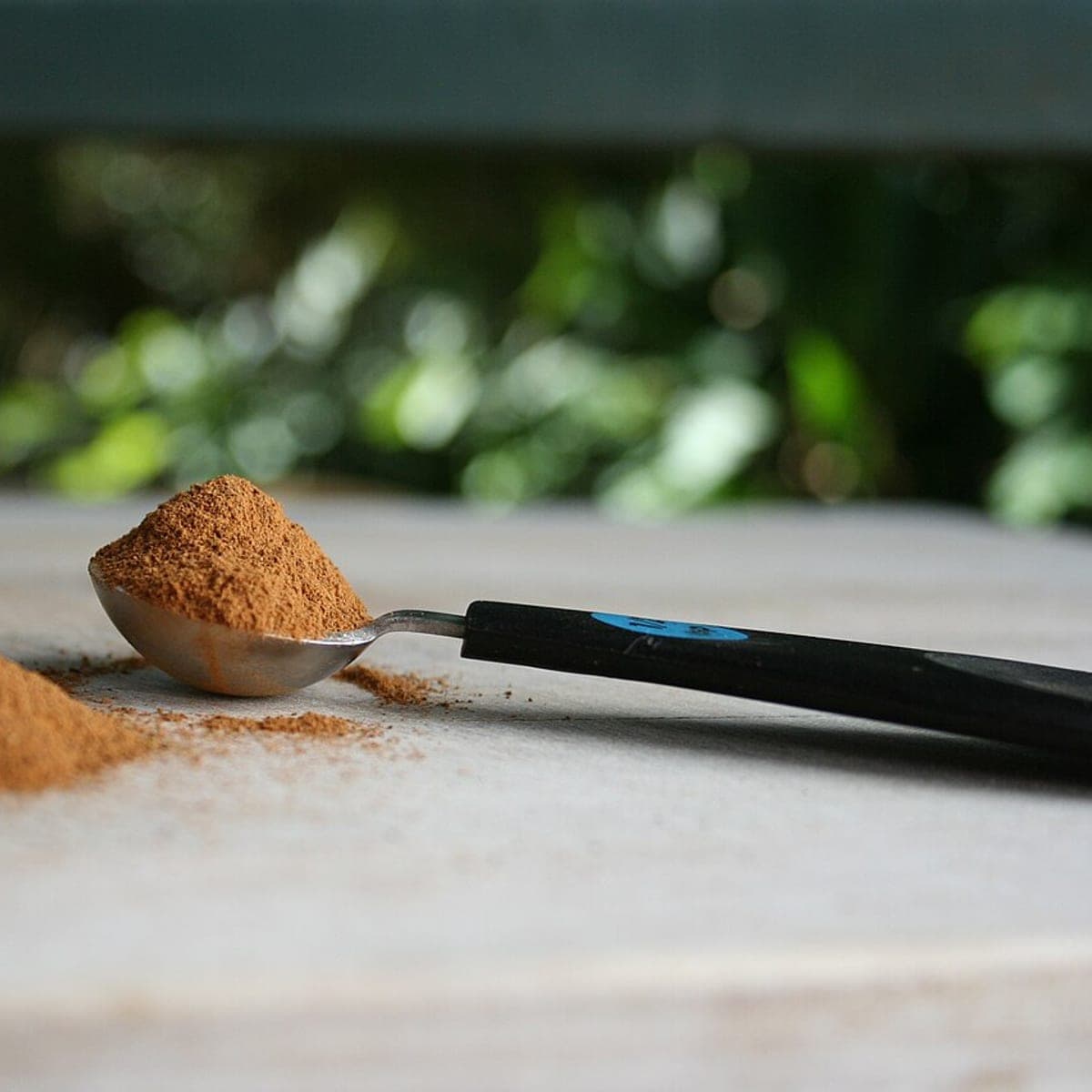
Bark varies between harvests, your recipe and your water affect the outcome, and a colour you cannot reproduce is not much use if anyone asks for another bar like the last one.
Make a small test batch, let it dry fully, and keep a labelled sliver with its batch code, addition rate and date. That file becomes the only reliable reference you have, for exactly the reasons set out in what tannins are — tannin content is a property of the batch.
US cosmetic labelling rules apply to what goes on the wrapper, and colour additives in cosmetics are separately regulated. Check the current position before you describe a colourant on a label, and do not repeat marketing language you have seen on other people's packaging without checking whether it is compliant.
The same discipline that applies to product claims on this site applies to yours: say what you can support.
If you dye as well as make soap, the same bag does both — see powder, shredded or stripped for which form suits which job, and buying dye material in bulk for sizing across both. Sassafras Root Bark is a different species and we publish no soap figures for it at all.
Everything described here is raw botanical material sold for dyeing, soap making and craft work. It is not food, it is not a supplement, and it is not for human consumption. Nothing on this page is a recommendation to put any of it in or on a body.
Part of our guide: What Is Mimosa Hostilis Root Bark?
Weigh the fibre dry, then work every other quantity as a percentage of that weight. Fifty to eighty per cent of the fibre weight in bark is the everyday range for a full shade on wool. Thirty gives a tint, a hundred gives depth, and above about a hundred and twenty you are heating material that stays in the pot.
Vegetable-tanned leather takes bark colour well because it is already full of tannin. Chrome-tanned largely does not. Work in thin coats on clean, dry leather, let each dry fully, and condition afterwards. Test on an offcut from the same hide, because leather varies across a single skin.
Shredded bark is rarely spent after one bath. A second gives roughly half to two-thirds the depth, and a third gives a pale tint that is often the prettiest on silk. Powder gives almost everything on the first pass. Plan the order before you start, because you cannot climb back up the ladder.