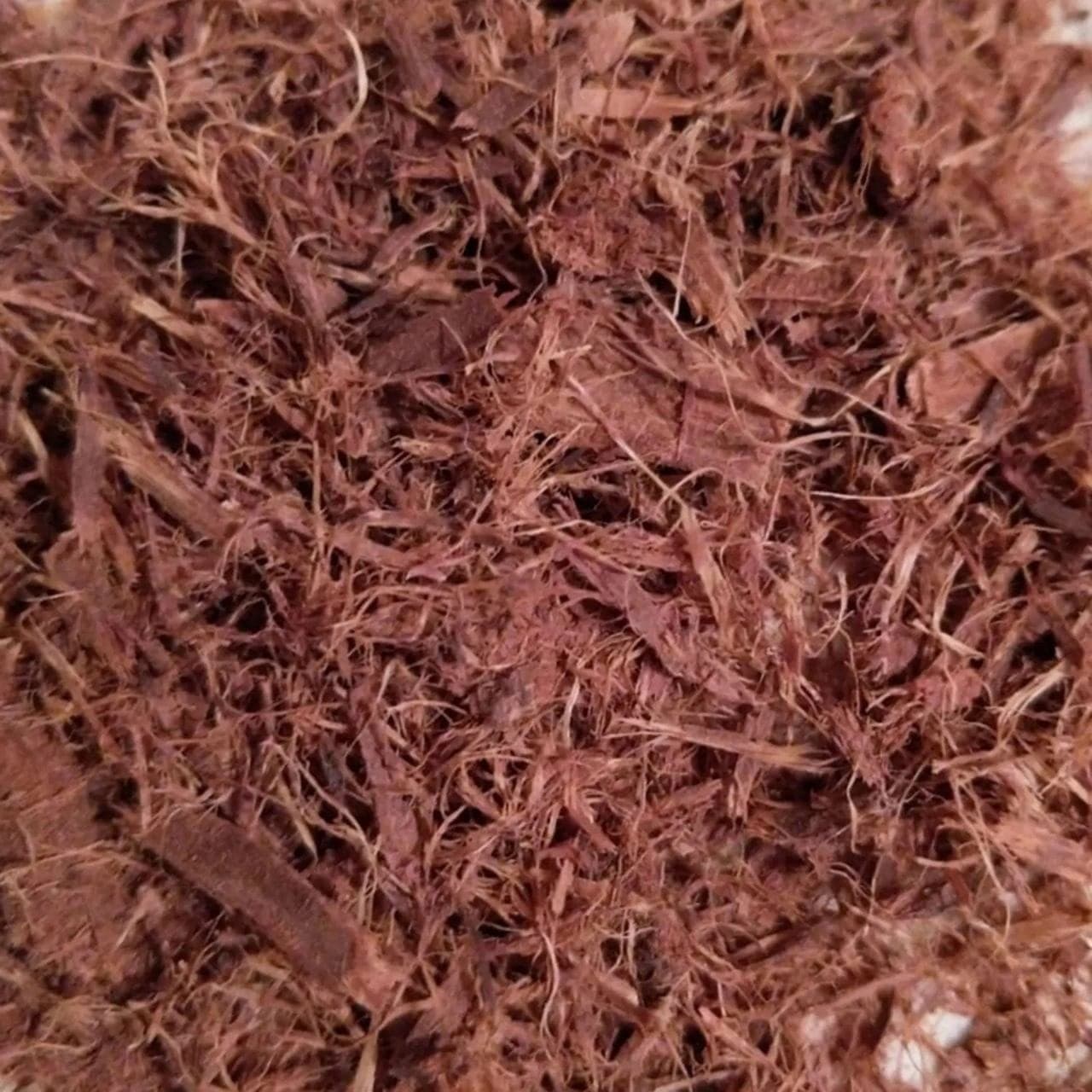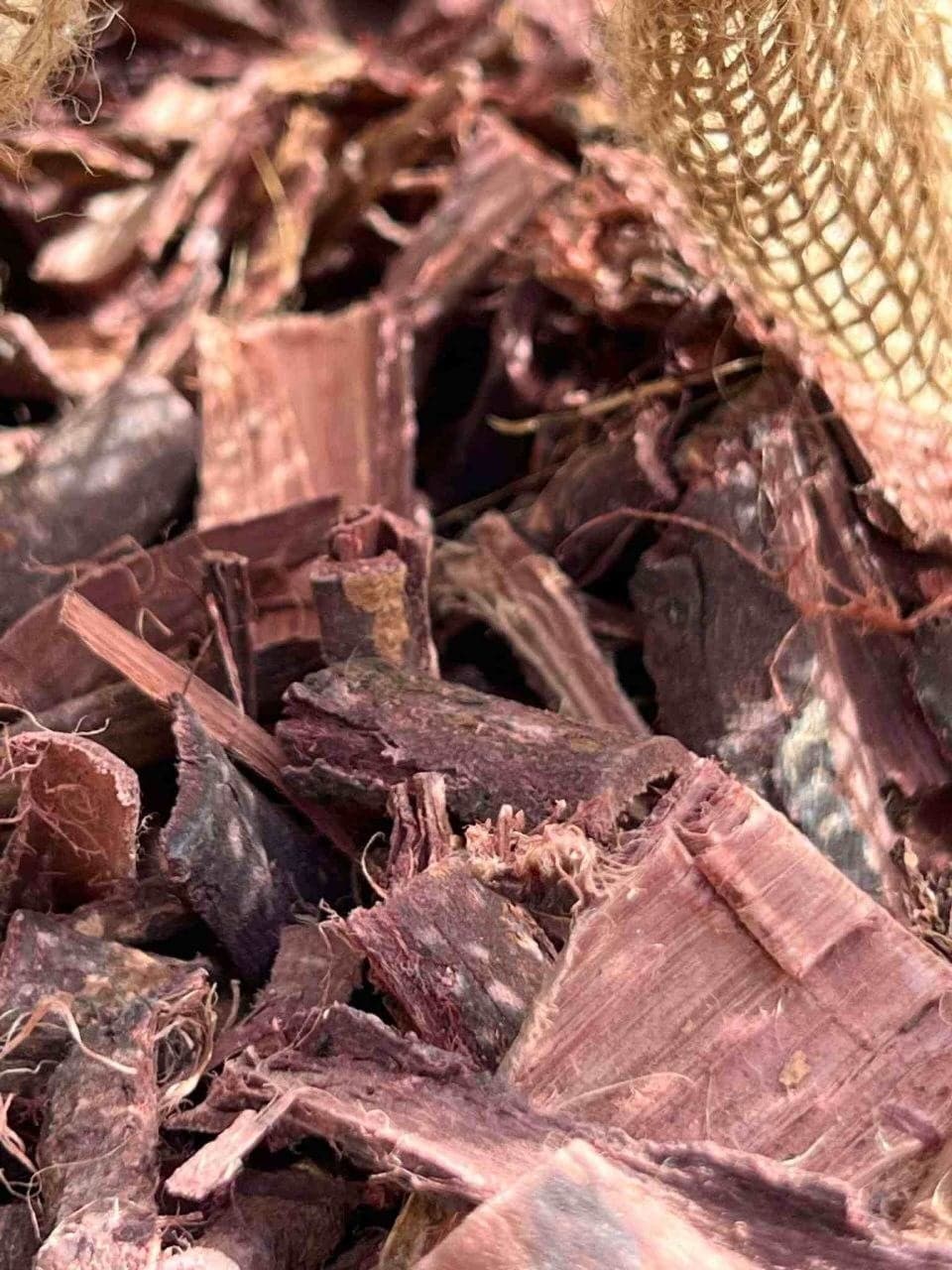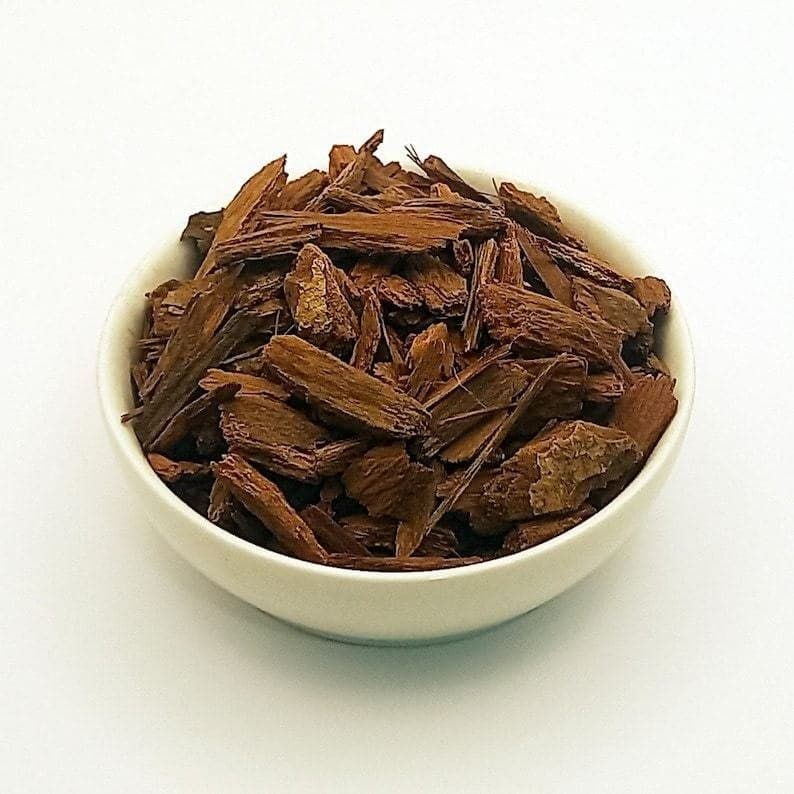
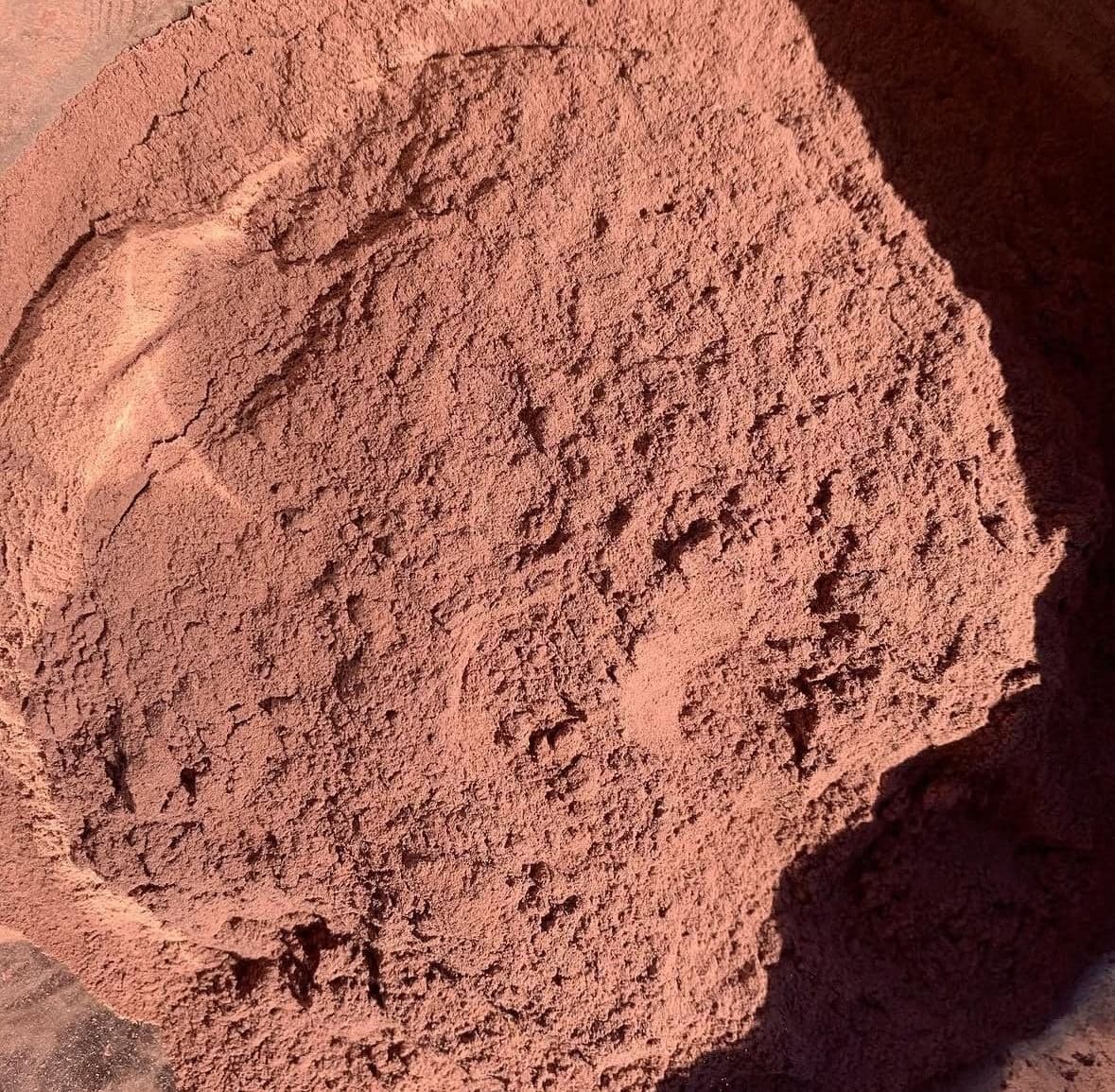
Powdered Mimosa Hostilis Root
Botanical use only
$37.501/4 lb
Vegetable-tanned leather takes bark colour well because it is already full of tannin. Chrome-tanned largely does not. Work in thin coats on clean, dry leather, let each dry fully, and condition afterwards. Test on an offcut from the same hide, because leather varies across a single skin.
Editorial Team · Compliance and product research · Updated
Leather is the oldest use for tannin-rich bark and still one of the most satisfying. The colour goes into the material rather than sitting on it, and it ages in a way synthetic dyes do not.
It is also less forgiving than yarn, because you cannot re-dye a mistake out of a wallet.
Vegetable-tanned leather — sold as veg-tan or tooling leather — has been tanned with plant tannins. It is absorbent, it takes bark colour readily, and it darkens naturally over its life anyway. This is what you want.
Chrome-tanned leather has been tanned with mineral salts and is usually finished with a surface coating. It largely rejects a bark dye: what little takes tends to sit on top and rub off on a shirt cuff.
### How to tell which you have
Drop a bead of water on an offcut. Veg-tan darkens and absorbs within a minute or two. Chrome-tan beads it and the water sits there.
If the piece is very soft, extremely uniform in colour and slightly plasticky at the cut edge, assume chrome. Veg-tan has a firmer hand and a pale, fibrous edge.
The leather is already a tannin structure, and the dye is bringing more tannin plus colour to something chemically prepared to receive it. It is the same protein-binding property that makes these barks work on wool, described in what tannins are.
That also means iron acts on it exceptionally fast, which is covered below.
Clean first. Handling oils and any factory finish block colour in patches, in exactly the way spinning oil blocks it on wool — and the result is blotchy in the same way.
Many leatherworkers wipe the piece with a deglazer or a dilute alcohol solution and let it dry completely. Do not dye damp leather: water already in the fibre competes with the dye going in, and the finish comes out uneven.
1. Cold soak the material overnight — shredded bark or stripped root both work well.
2. Warm gently to around 80°C and hold for an hour.
3. Strain it thoroughly. Particles mark leather far more visibly than they mark yarn, and you cannot rinse a wallet.
4. Let it cool to something you can work with comfortably.
A stronger bath than you would use for wool is reasonable here, because you are applying it to a surface rather than immersing a fibre.
Dyeing and drying both pull moisture out of leather. A conditioner puts suppleness back and evens the finish, and skipping it leaves a piece that looks right and cracks at the first fold.
Apply sparingly, let it absorb, and buff. Over-conditioning can lift colour, so build it the same way you built the dye.
The iron reaction described in the iron modifier is dramatic here, because the material is saturated with tannin before you start. A very weak iron wipe takes a warm brown to near-black in seconds.
Go considerably weaker than you would on wool and build it in passes. Over-ironed leather looks grey and chalky rather than black, and there is no way back from it.
Leather varies across a single skin. Belly is looser and more absorbent than back; shoulder differs again. Two offcuts from the same order can behave differently.
Test on a piece from the same hide as the piece you are about to dye, and from the same batch of material. Record the batch code with the result, for the reasons in buying dye material in bulk.
Run the same light and wash tests on a leather offcut that you would run on yarn. A belt lives in sunlight and against clothing, which is a harsher life than most dyed textiles have, and it is better to know in advance than to find out on a customer.
Everything described here is raw botanical material sold for dyeing, soap making and craft work. It is not food, it is not a supplement, and it is not for human consumption. Nothing on this page is a recommendation to put any of it in or on a body.
Part of our guide: What Is Mimosa Hostilis Root Bark?
Weigh the fibre dry, then work every other quantity as a percentage of that weight. Fifty to eighty per cent of the fibre weight in bark is the everyday range for a full shade on wool. Thirty gives a tint, a hundred gives depth, and above about a hundred and twenty you are heating material that stays in the pot.
Shredded bark is rarely spent after one bath. A second gives roughly half to two-thirds the depth, and a third gives a pale tint that is often the prettiest on silk. Powder gives almost everything on the first pass. Plan the order before you start, because you cannot climb back up the ladder.
Fine particles float rather than settling, so decanting does not work. The reliable answers are a mesh bag holding the powder from the start, or a double layer of muslin poured through slowly. Straining before the fibre goes in is what stops dark specks appearing in a dried skein.
Your cart is empty
Everything we sell is batch-tested, and we tell you what ships to your state before you add it.
Browse the shop