Powdered Mimosa Hostilis Root
Botanical use only
$37.501/4 lb
Your cart is empty
Everything we sell is batch-tested, and we tell you what ships to your state before you add it.
Browse the shop
Tannins are plant compounds that bind readily to protein and to metal ions. That single property explains why tannin-rich barks colour wool so deeply, why they help cotton hold colour at all, why iron darkens them so dramatically, and why hard water dulls the result. Understanding it once explains most of a dye bath.
Editorial Team · Compliance and product research · Updated
Tannin is why a handful of bark can colour a sweater, why the same bark behaves completely differently on cotton, why a pinch of iron turns plum into charcoal, and why your water might be quietly ruining your results.
It is worth understanding once properly, because almost every decision in a bark dye bath follows from it.
Tannins are a broad family of plant compounds — not one chemical but a class of them — which plants produce largely as a defence. They taste astringent and they bind proteins, which discourages things from eating the plant and makes the plant harder to digest if they do.
They concentrate in bark, galls, husks, seed coats and some leaves. Oak galls, chestnut, quebracho, myrobalan, pomegranate rind and the mimosa root bark in this range are all tannin sources used by dyers, at very different strengths.
Tanning and tannin share a root for a reason. The same protein-binding property that makes these compounds useful in a dye pot is what turns raw hide into leather, and people were doing that for thousands of years before anyone isolated the chemistry.
That history is directly useful: if you understand why bark tans leather, you understand why it colours wool, and why it barely touches a polyester thread. There is more on the leather side in dyeing leather with tannin-rich bark.
Wool, silk, alpaca and mohair are protein. Tannins bind protein. That is most of the answer.
It also explains the quality of the bond. The colour is genuinely attached rather than deposited on the surface, which is why tannin dyes survive washing better than many plant colours that simply sit on the fibre and rinse away.
It is why the same bath gives deep plum on wool and soft mauve on cotton, and why no technique closes that gap — the chemistry is different. See protein and cellulose fibres.
Cellulose offers far fewer sites for a metal mordant to grab, which is why alum alone does very little on cotton.
Dyers get around this by giving cotton a tannin bath first. The tannin binds to the cellulose, and then the metal mordant binds to the tannin — building a bridge that was not there before. On cotton, therefore, a tannin-rich bark can act as part of the colour *and* part of the mordant system at once.
That is why cellulose projects often run three stages: tannin, then alum, then the dye bath. It is slower and it is what works.
Tannins and iron form dark compounds. This is the chemistry behind traditional iron-gall ink, which is why so many medieval manuscripts are written in a colour that began as oak galls and a piece of iron in vinegar.
Drop a tannin-dyed skein into even a very weak iron bath and it darkens within a minute — dusty rose to plum, plum to slate, brown to charcoal. That is a tool rather than a fault, and it is how you reach greys and near-blacks from a bark that only offers purple and brown on its own.
It is also why iron contaminates a pot permanently and needs one dedicated to it. Full detail in the iron modifier.
Calcium and magnesium in hard water react with tannins too, and the products are duller and flatter than what you were aiming at. The result is a browner, greyer version of the colour you expected, with no obvious cause.
If your temperature discipline is good and your results are still consistently muddy, water is the next suspect. The test is cheap: run the same fibre, same material, same temperature, one bath in tap water and one in collected rainwater. The difference is frequently larger than any other single change available to you.
Bark is an agricultural product. Harvest conditions, the age of the tree, how long the material has been stored and how finely it is milled all affect how much tannin a given bag delivers.
This is precisely why the batch code exists on the packaging, and why a project that needs to match across pieces should be finished from a single batch — see buying dye material in bulk.
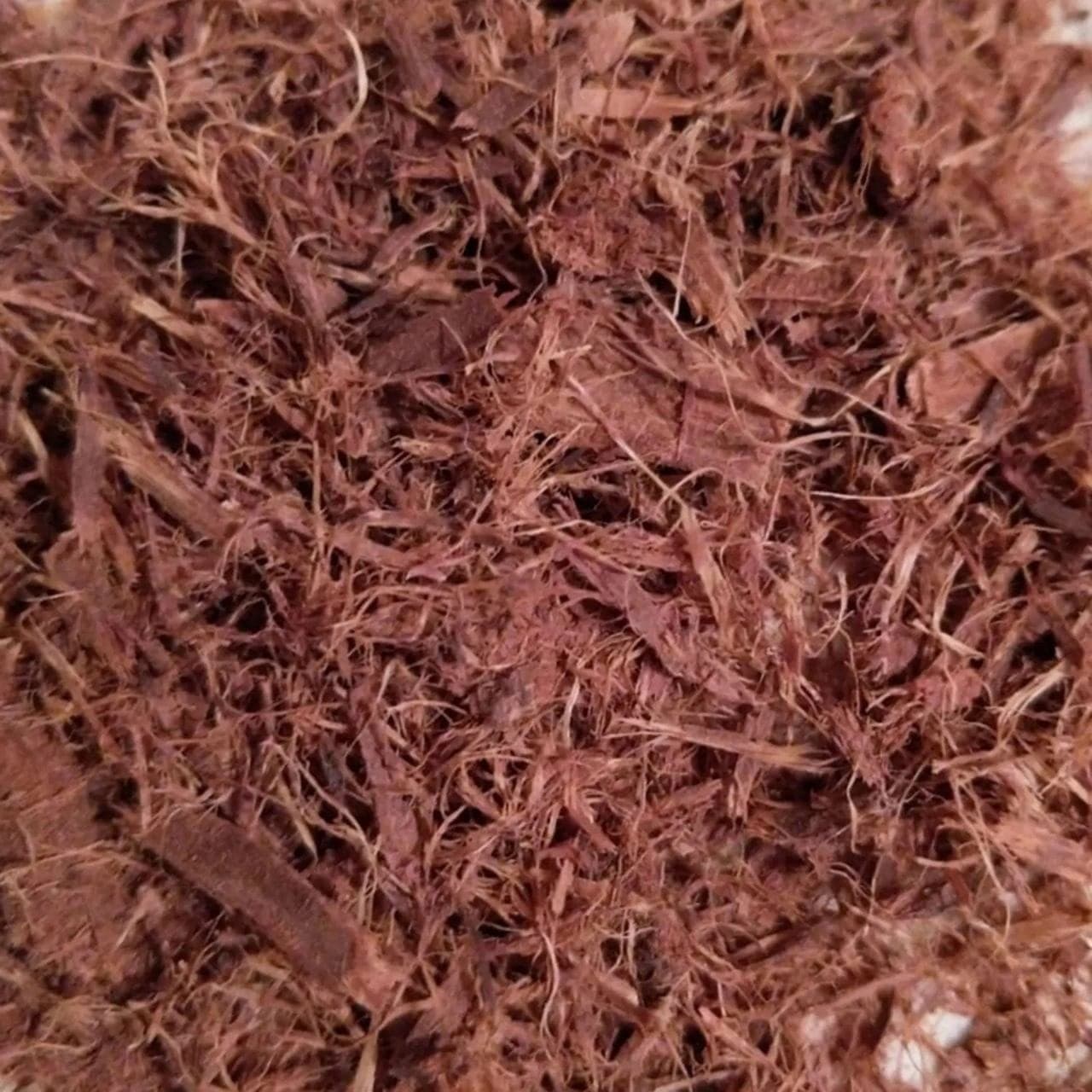
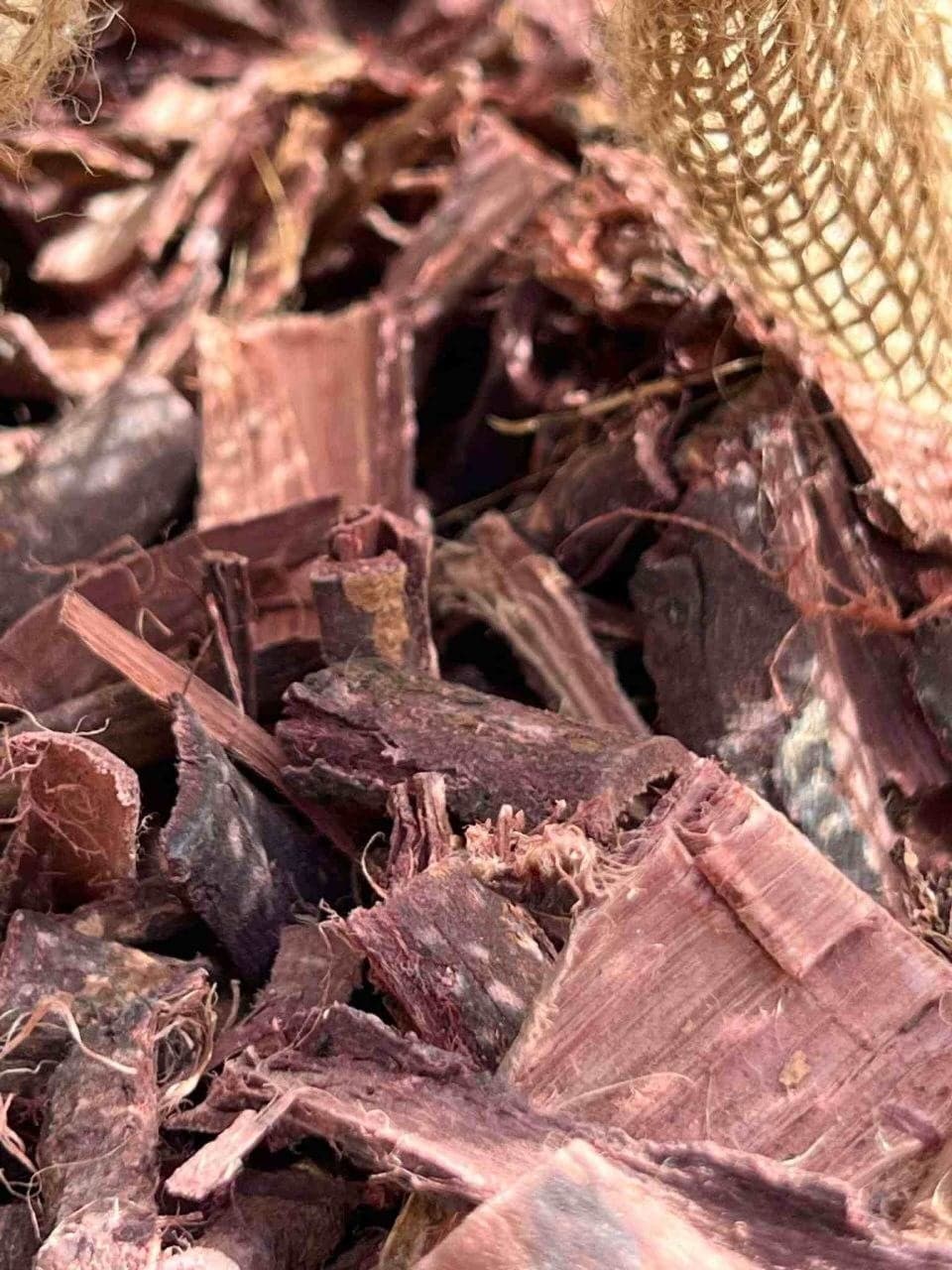
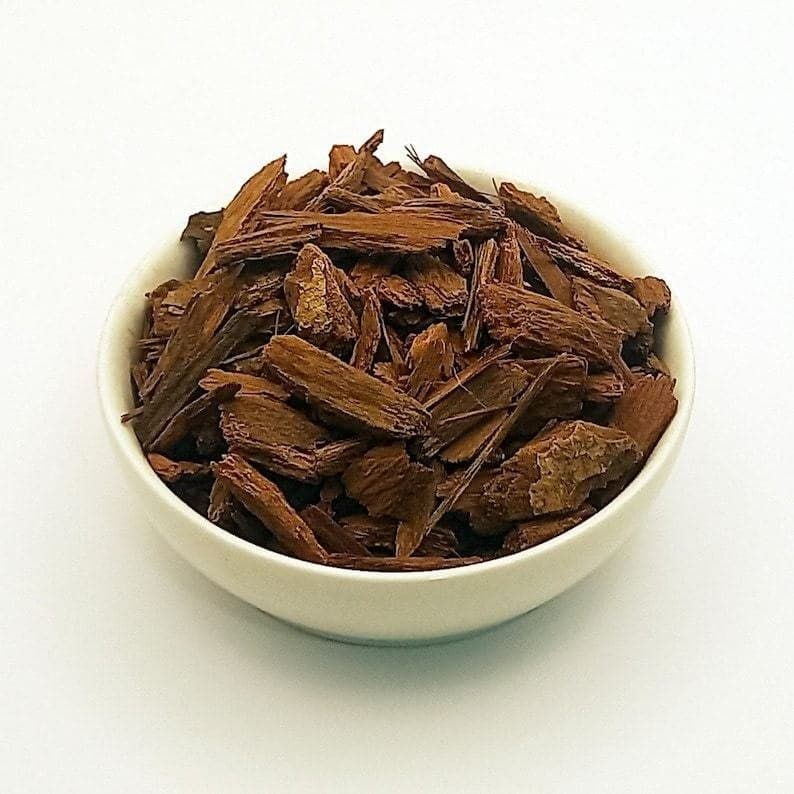
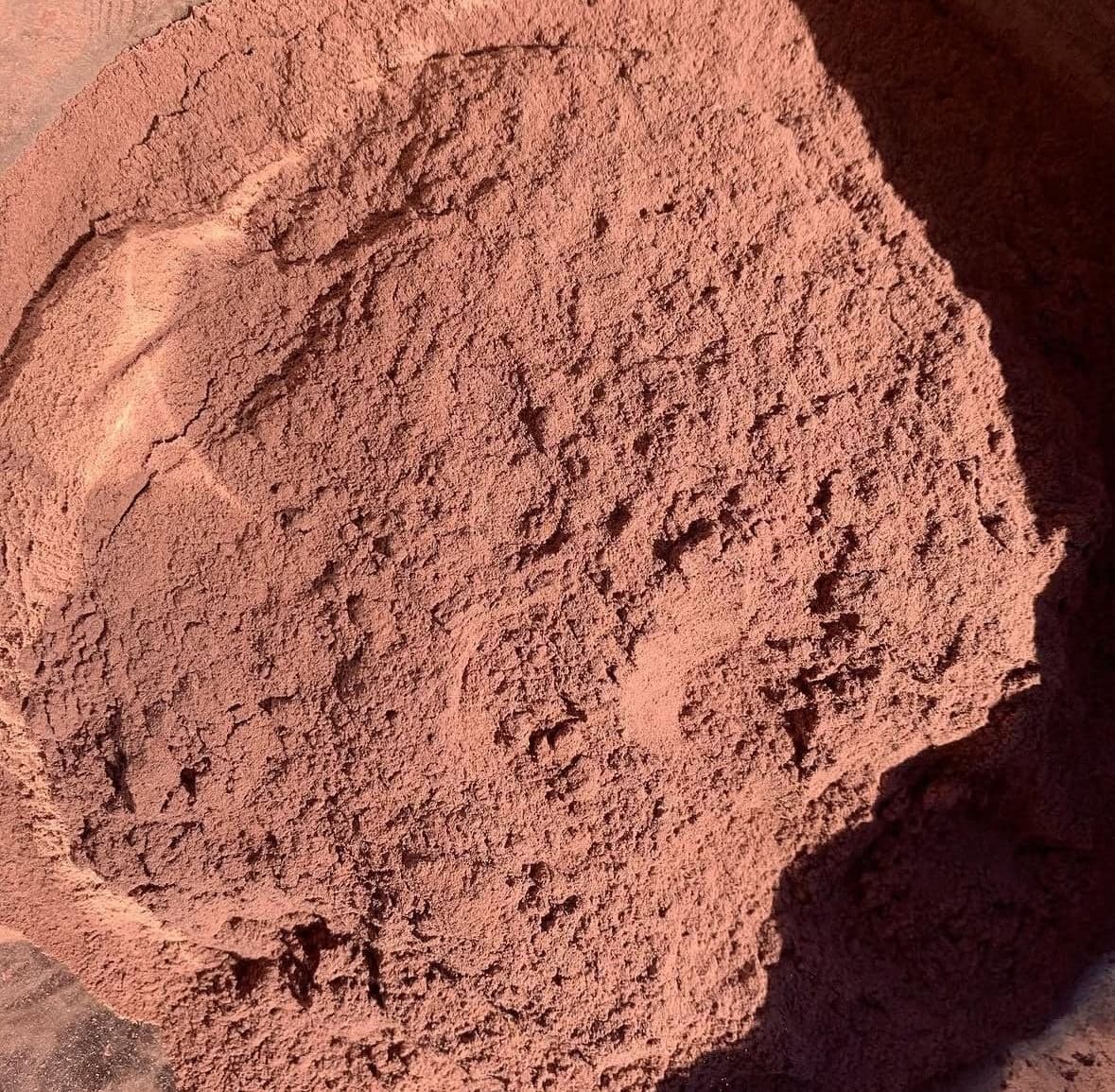
The tannin-rich material in this range comes as powder, shredded bark and stripped root. Sassafras Root Bark is a separate species with its own article — we publish no tannin figures for it, because we hold no measurement of what it carries.
Everything described here is raw botanical material sold for dyeing, soap making and craft work. It is not food, it is not a supplement, and it is not for human consumption. Nothing on this page is a recommendation to put any of it in or on a body.
Part of our guide: What Is Mimosa Hostilis Root Bark?
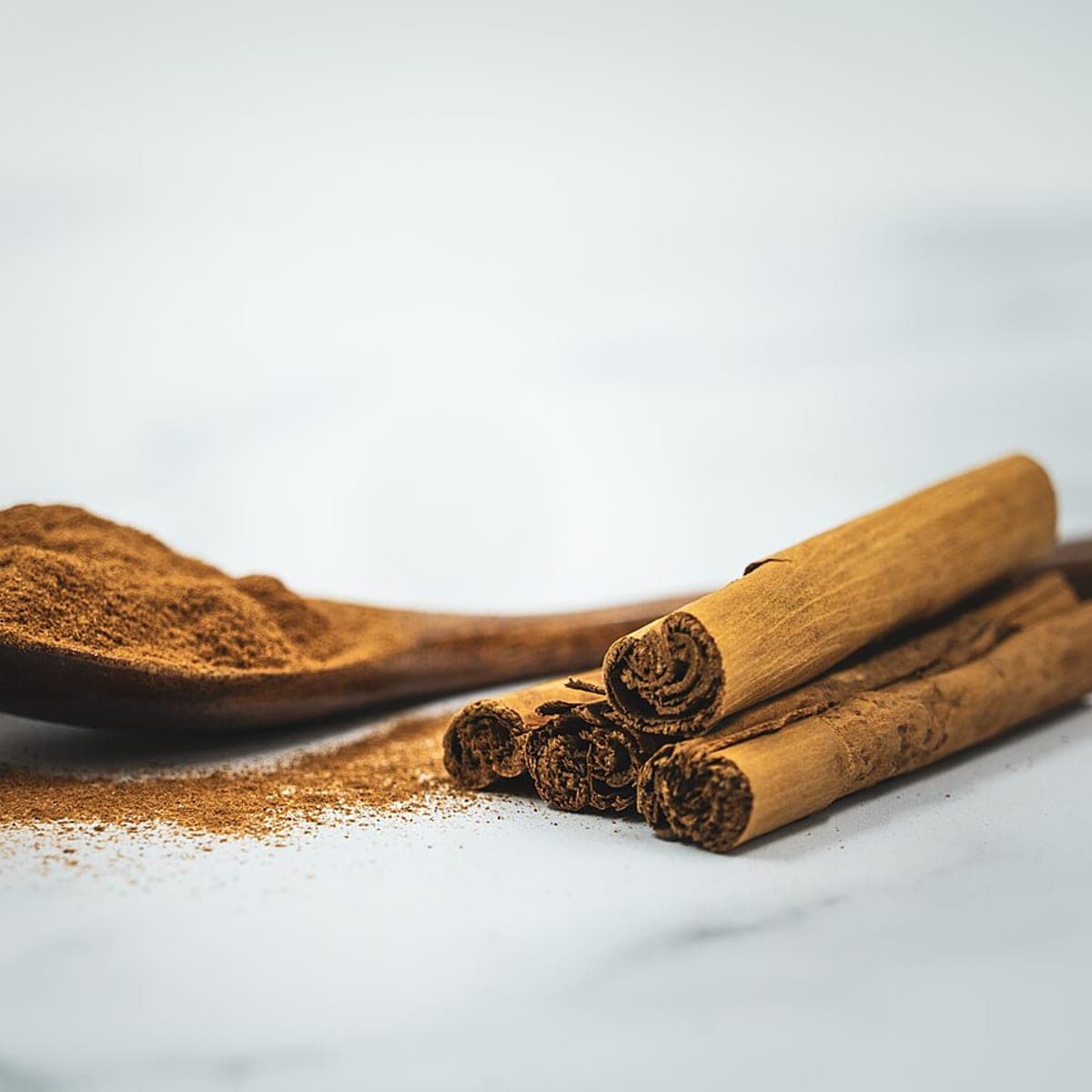
Powder gives up colour fastest and suits small test skeins and soap. Shredded bark lifts cleanly out of the pot and gives a usable second bath. Stripped roots keep longest and let you mill your own. The choice is about handling and storage, not about what colour you can reach.
A quarter pound covers a test plus a small project. A full pound covers a garment with material left for a second bath. Buy the larger size once you have settled on a form, and buy enough from one batch to finish anything that has to match, because bark from two harvests will not.
Milling multiplies surface area, and surface area governs how fast colour moves from plant material into water. Powder gives a full bath in an hour where coarse material wants three, gives almost everything on the first pass, and floats instead of settling. Every practical difference follows from particle size.