Powdered Mimosa Hostilis Root
Botanical use only
$37.501/4 lb
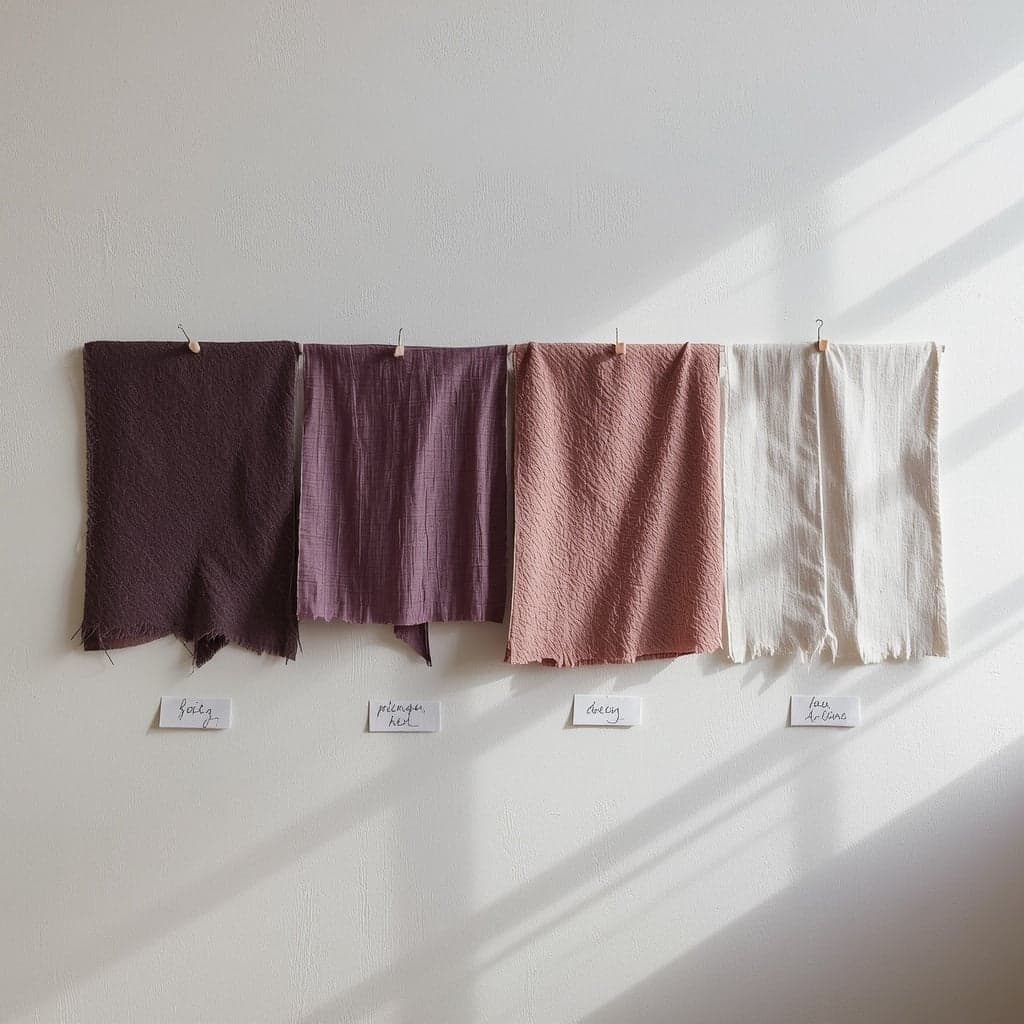
Wool, silk, alpaca and mohair are protein and take tannin colour deeply, into plum and burgundy. Cotton, linen and hemp are cellulose and give softer mauves and warm browns, and they need a different mordant system. Blends dye to two tones by nature. Dye one fibre type at a time if you need an even result.
Editorial Team · Compliance and product research · Updated
The single largest factor in what colour comes out of a bark dye bath is not the bark, the temperature, the water or the mordant. It is what the fibre is made of, and no amount of technique moves a cellulose fibre into the range a protein fibre reaches easily.
Understanding why takes five minutes and saves a great deal of disappointment.
Protein fibres come from animals: wool, silk, alpaca, mohair, cashmere, angora. They are built from proteins, and their structure carries a large number of sites that bond readily with both tannins and metal mordants.
Cellulose fibres come from plants: cotton, linen, hemp, ramie, and the regenerated cellulosics such as viscose and lyocell. They are built from cellulose, which offers far fewer of those bonding sites.
Tannins bind protein. That sentence is most of what you need, and it is the same property that turns raw hide into leather — see what tannins are.
This is where tannin-rich bark performs best. The full range is available: dusty rose and mauve at low percentages, burgundy and deep plum in the everyday range, and slate through charcoal once you take it to iron.
The bond is a genuine chemical one rather than a deposit sitting on the surface, which is why the colour survives washing better than many plant colours. It is also why a mordant matters so much here: alum builds the bridge the colour crosses.
### Wool against silk
The same bath does not give the same result on wool and silk. Silk reads brighter, cooler and clearer; wool reads warmer and softer. Neither is wrong, and a set that includes both from one bath makes a handsome pair precisely because they differ.
Silk also takes colour faster, so if you are running both in one pot, expect the silk to reach depth first.
### Superwash and treated wool
Superwash wool has had its scales smoothed or sealed so it will not felt. It takes colour faster and often darker than untreated wool, and it will go blotchy if you raise the heat quickly. Warm it slowly, give it plenty of room, and turn it more often than you think you need to.
A softer, warmer, pinker result: mauve, dusty pink, and a warm pinkish brown rather than plum. That is the honest range, and a photograph of a deep purple linen shirt was almost certainly not dyed with bark alone.
Cellulose also demands a different mordant. Alum on its own does very little on cotton. Dyers use aluminium acetate, or a tannin bath first followed by alum — the tannin binds to the cellulose and the metal then binds to the tannin, building a bridge that was not there.
Skipping the mordant on cotton is the single most common reason a cotton piece comes out pale and then washes out entirely a fortnight later.
### Build cellulose colour in layers
Three shorter baths with a full dry between them will hold deeper colour on cotton than one long bath of the same total time. It is slower and it works. Plan the project around it rather than hoping one immersion will do.
A wool-and-cotton blend does not dye to one colour. Each fibre takes what its chemistry allows, and the result is heathered — two tones sharing a yarn.
That is beautiful when you intend it and frustrating when you do not. There is no technique that makes a blend read as flat colour; if you need even colour across a finished piece, dye a single fibre type.
The same applies to sewing thread in a finished garment. A cotton-stitched wool piece comes out of the pot with visibly paler seams, which is either a design feature or a ruined shirt depending on whether you planned it.
Colour cannot reach fibre that is coated. Spinning oils on commercial yarn, sizing on woven cloth and ordinary handling grease all block it in patches, and patchy results are far more often a scouring failure than a dyeing failure.
Wash gently in hot water with a pH-neutral detergent, rinse thoroughly, and keep the fibre wet from that point until it goes into the dye. A fibre that dried out between steps rewets unevenly, and uneven wetting is uneven colour.
This is the second of the eight mistakes for a reason.
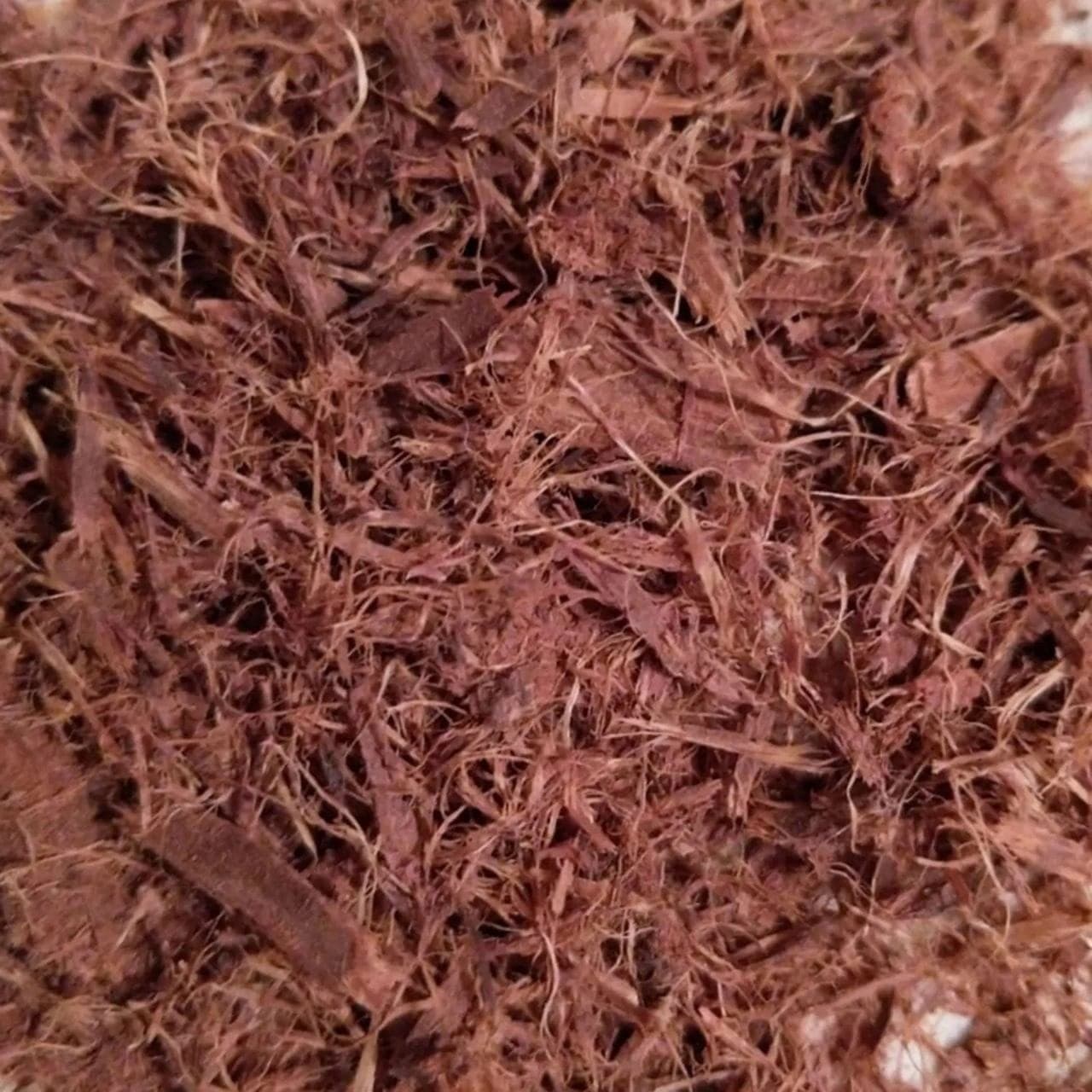
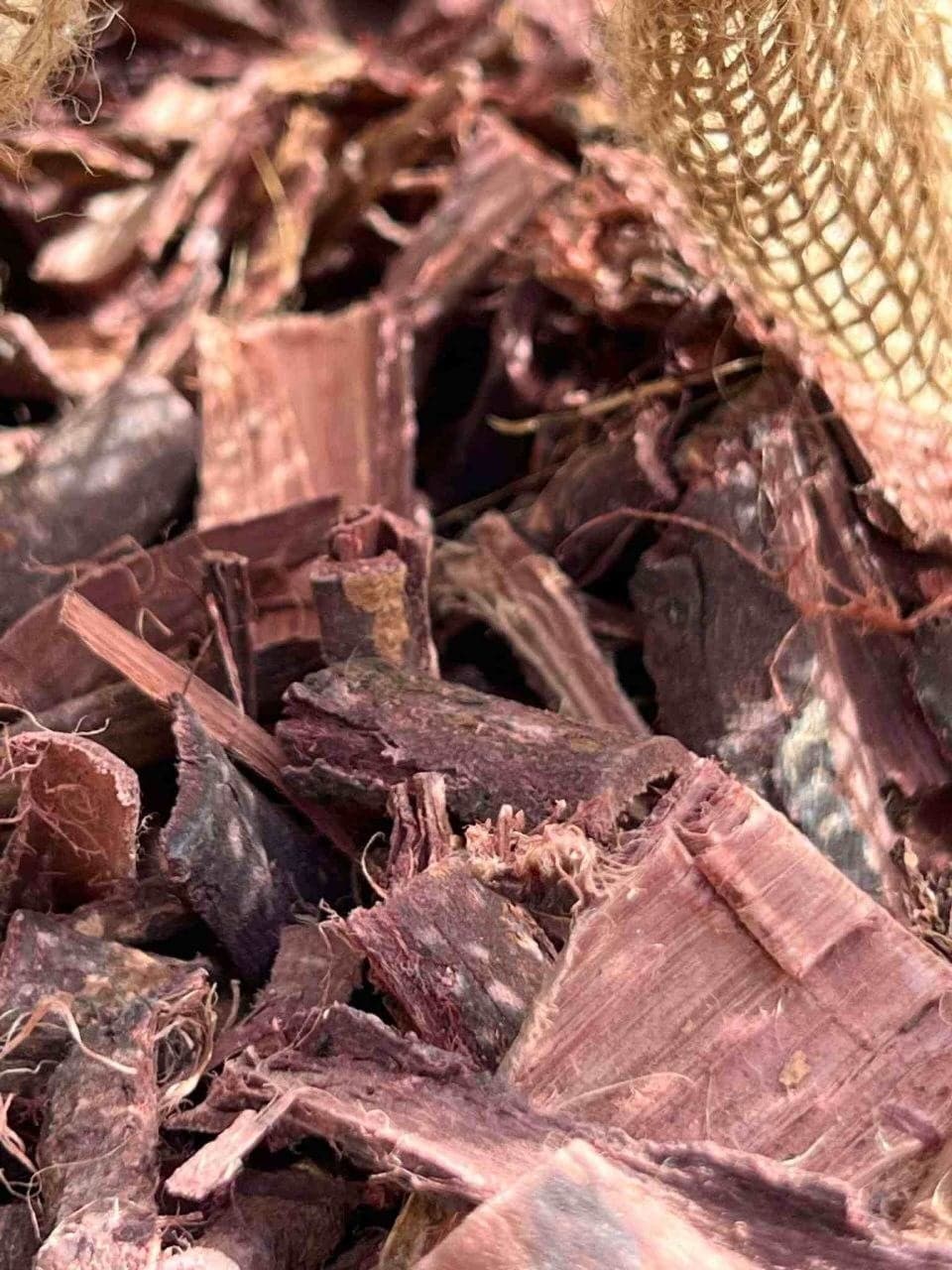
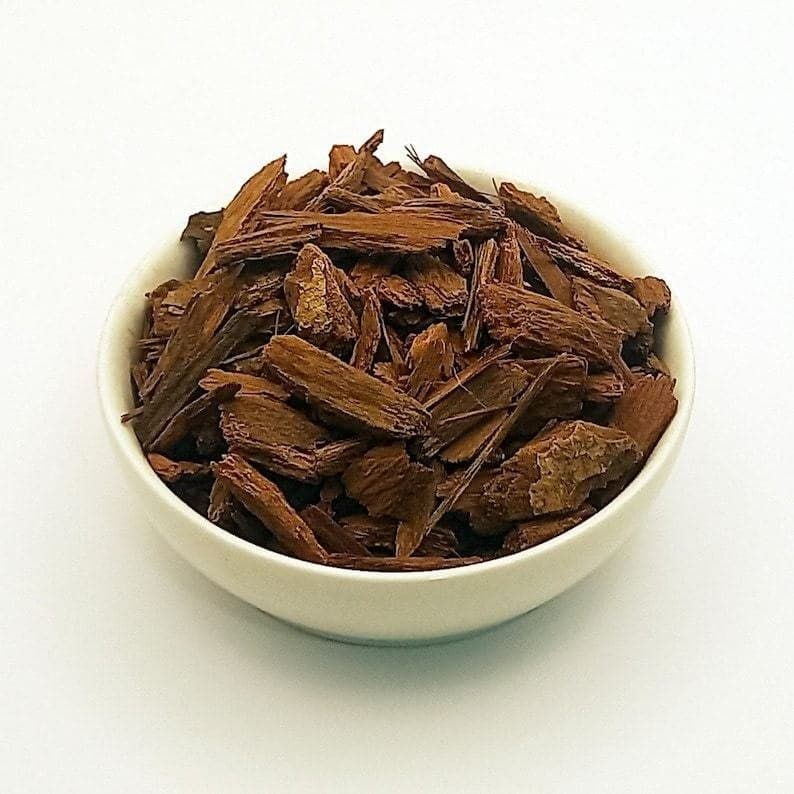
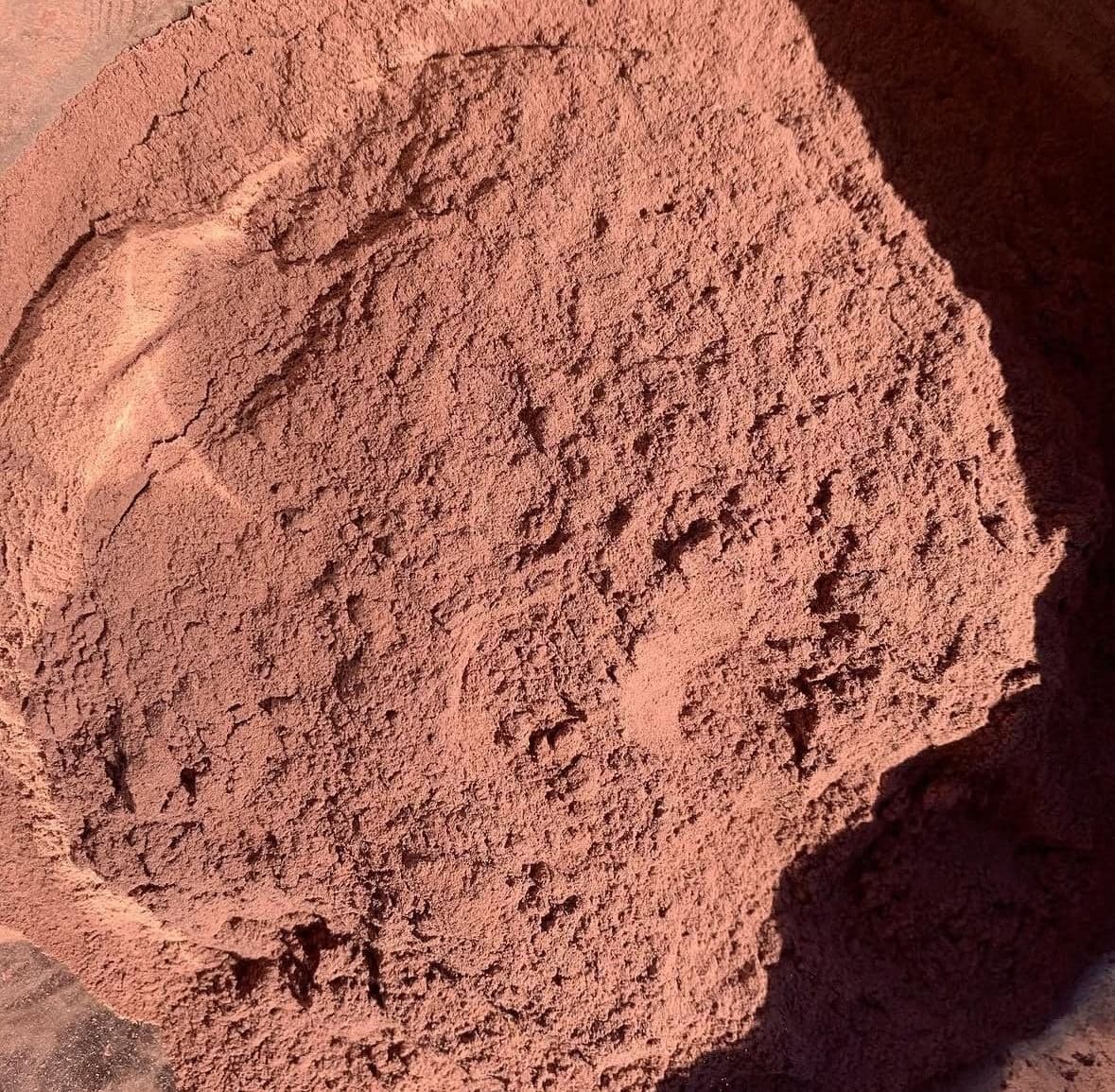
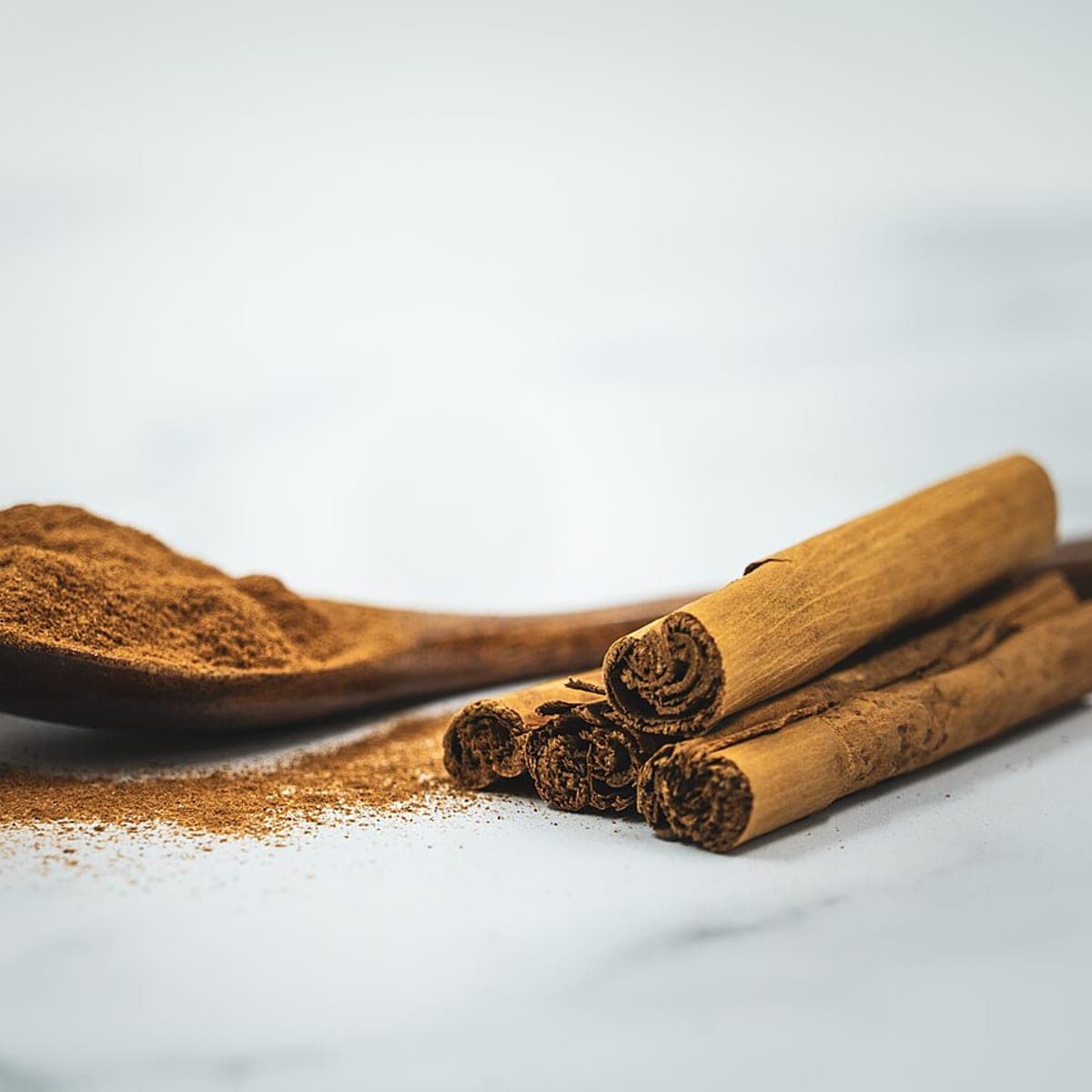
None of the forms is fibre-specific — powder, shredded bark and stripped root all work on anything. The practical difference is that cellulose work usually means several baths, which favours the forms that give a usable second and third bath.
For a cellulose project, buy shredded. For protein testing, buy powder.
Fibre varies by breed, by mill, by finish. Water varies by postcode. Bark varies by harvest. Any table of expected colours — including the ones above — is a starting point and not a forecast.
Dye a ten-gram sample of the actual fibre you intend to use, from the actual bath, and dry it fully before judging. It costs almost nothing and it is the only step in this craft that reliably heads off expensive surprises.
Everything described here is raw botanical material sold for dyeing, soap making and craft work. It is not food, it is not a supplement, and it is not for human consumption. Nothing on this page is a recommendation to put any of it in or on a body.
Part of our guide: What Is Mimosa Hostilis Root Bark?
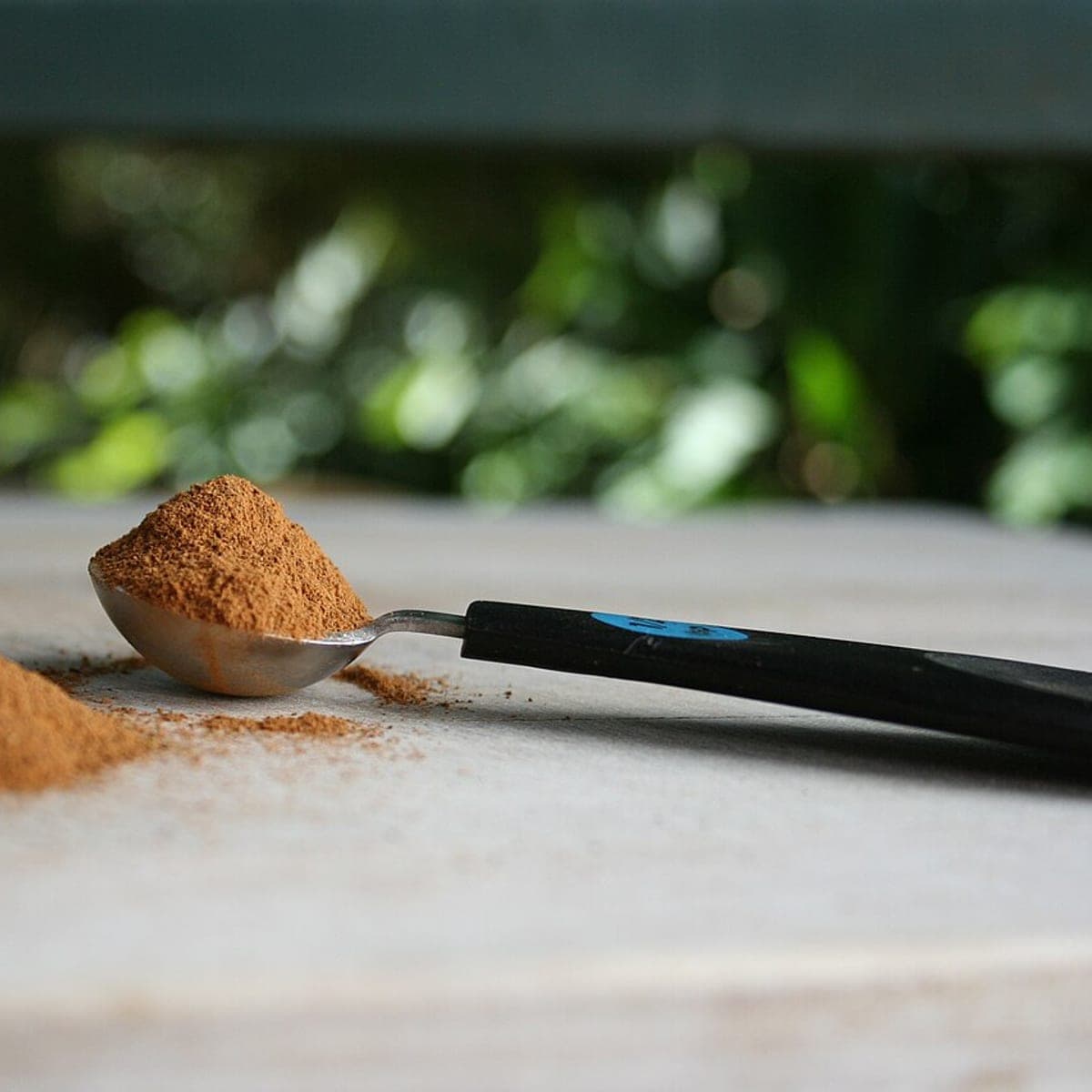
Weigh the fibre dry, then work every other quantity as a percentage of that weight. Fifty to eighty per cent of the fibre weight in bark is the everyday range for a full shade on wool. Thirty gives a tint, a hundred gives depth, and above about a hundred and twenty you are heating material that stays in the pot.
Vegetable-tanned leather takes bark colour well because it is already full of tannin. Chrome-tanned largely does not. Work in thin coats on clean, dry leather, let each dry fully, and condition afterwards. Test on an offcut from the same hide, because leather varies across a single skin.
Shredded bark is rarely spent after one bath. A second gives roughly half to two-thirds the depth, and a third gives a pale tint that is often the prettiest on silk. Powder gives almost everything on the first pass. Plan the order before you start, because you cannot climb back up the ladder.
Your cart is empty
Everything we sell is batch-tested, and we tell you what ships to your state before you add it.
Browse the shop