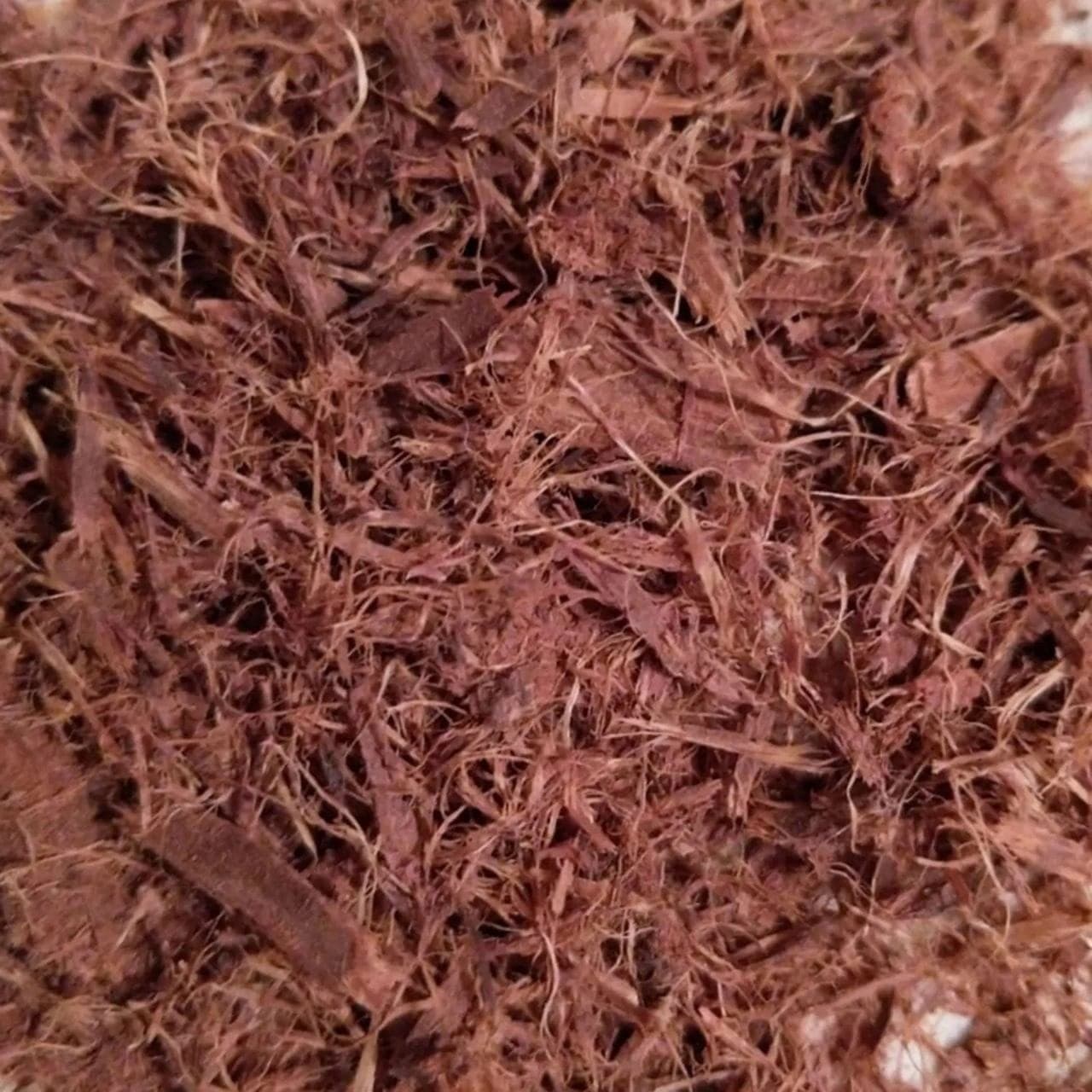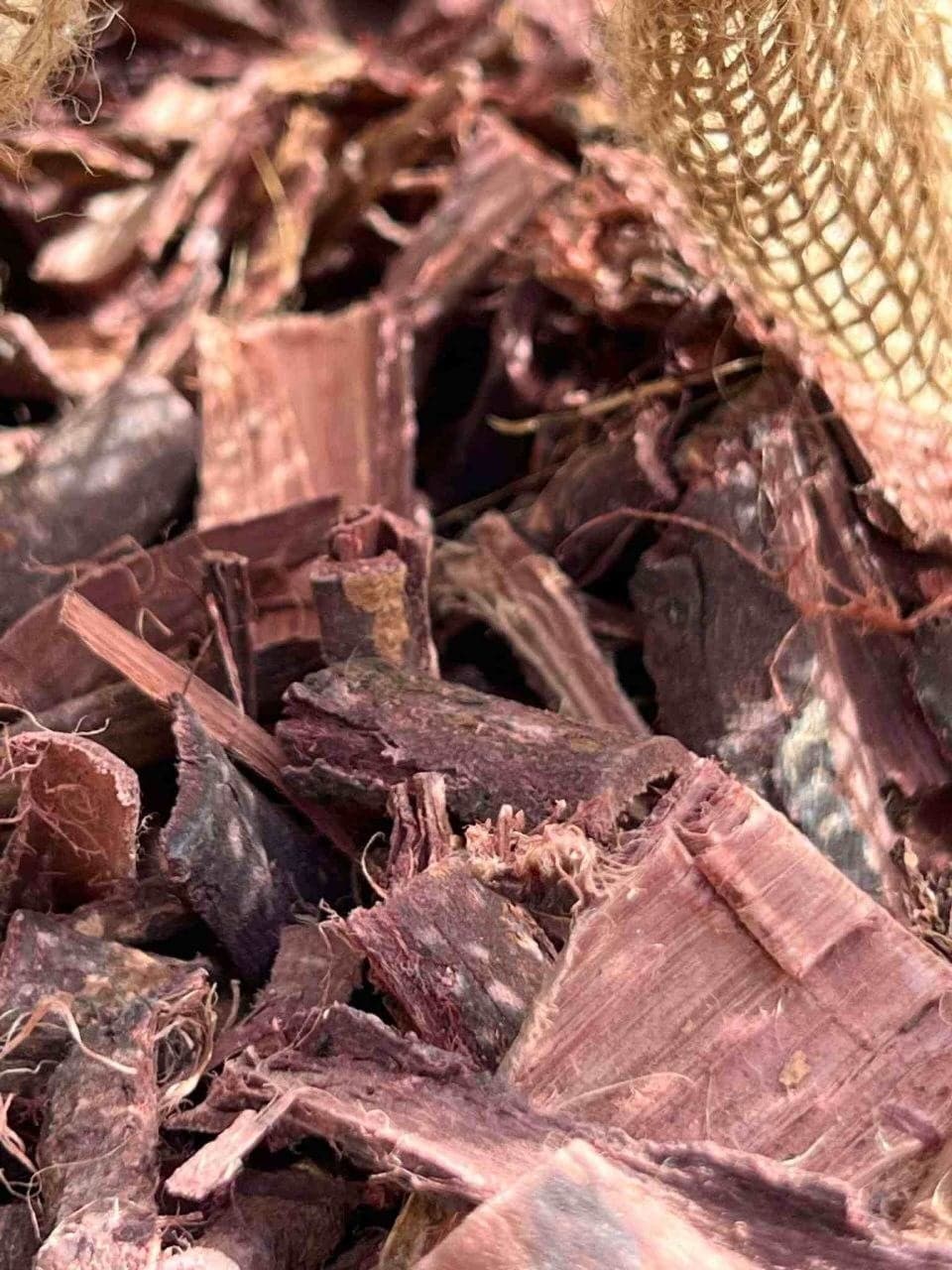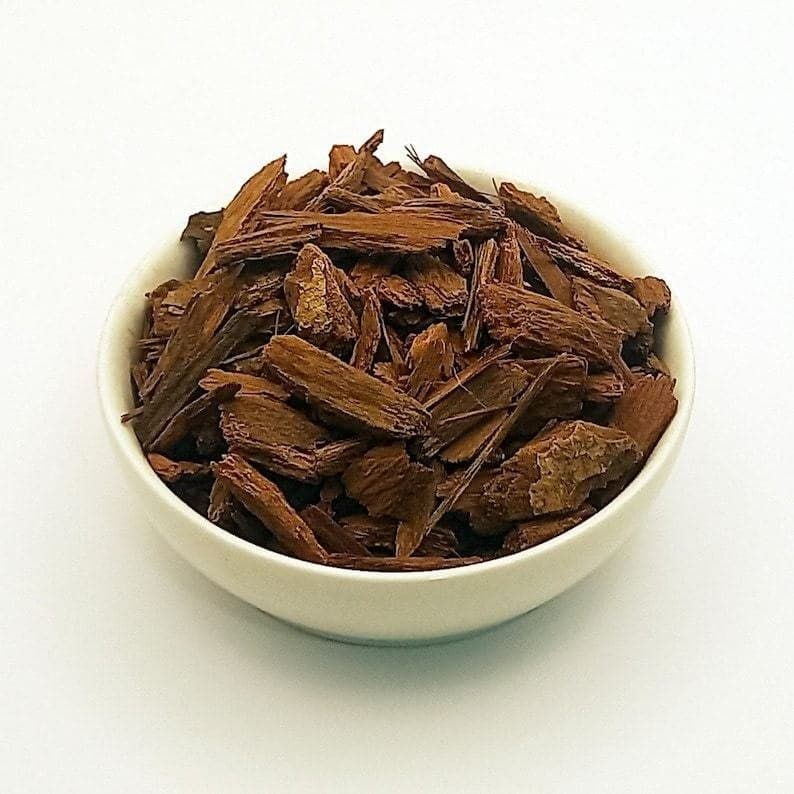
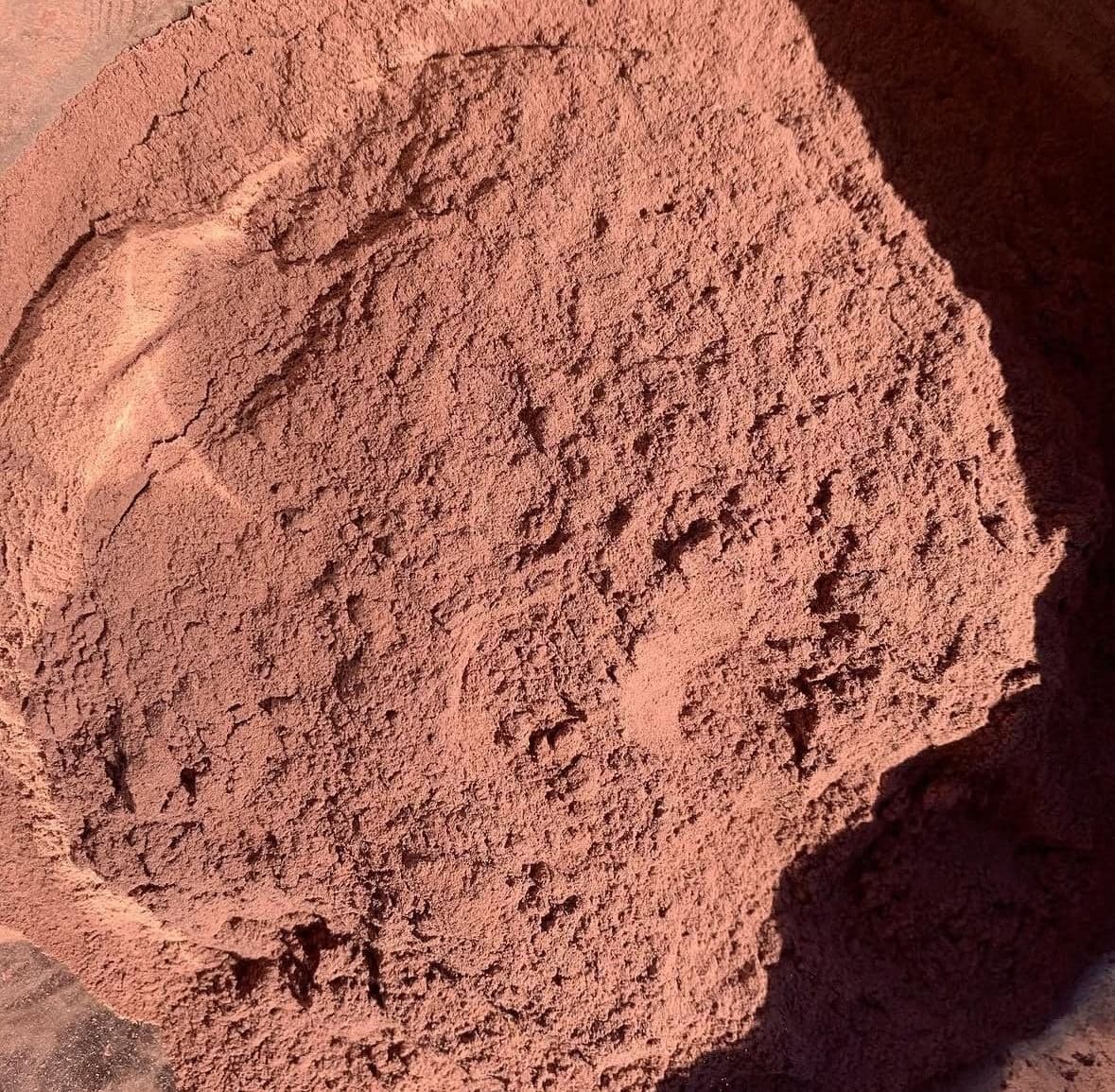
Powdered Mimosa Hostilis Root
Botanical use only
$37.501/4 lb
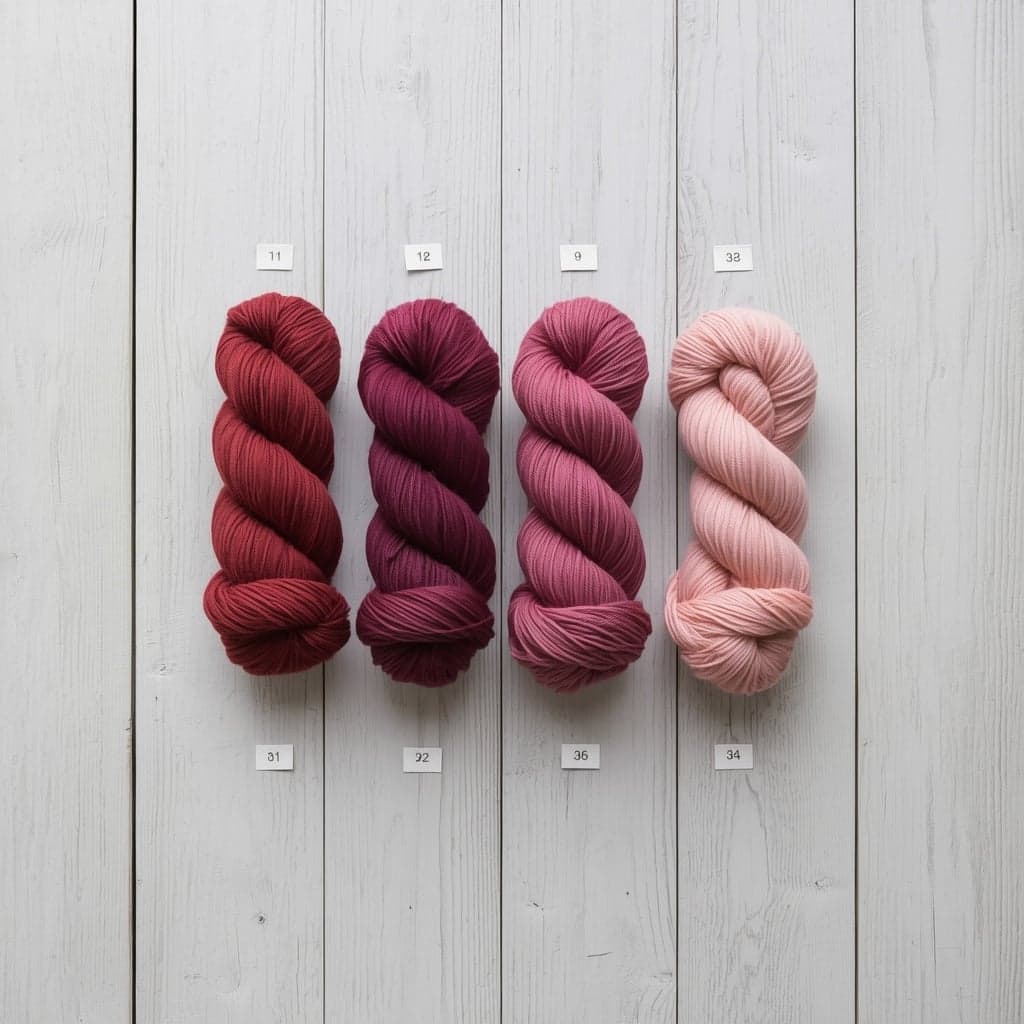
Shredded bark is rarely spent after one bath. A second gives roughly half to two-thirds the depth, and a third gives a pale tint that is often the prettiest on silk. Powder gives almost everything on the first pass. Plan the order before you start, because you cannot climb back up the ladder.
Editorial Team · Compliance and product research · Updated
A pound of bark that gives one bath is expensive material. The same pound giving three is not — and the two paler baths are useful colours in their own right rather than consolation prizes for the thrifty.
Getting three baths out of a bag is mostly a matter of buying the right form and planning the order before you light the hob.
Mimosa Tree Bark and other shredded cuts are what this technique is for. The material lifts out cleanly, holds colour in reserve, and goes back in.
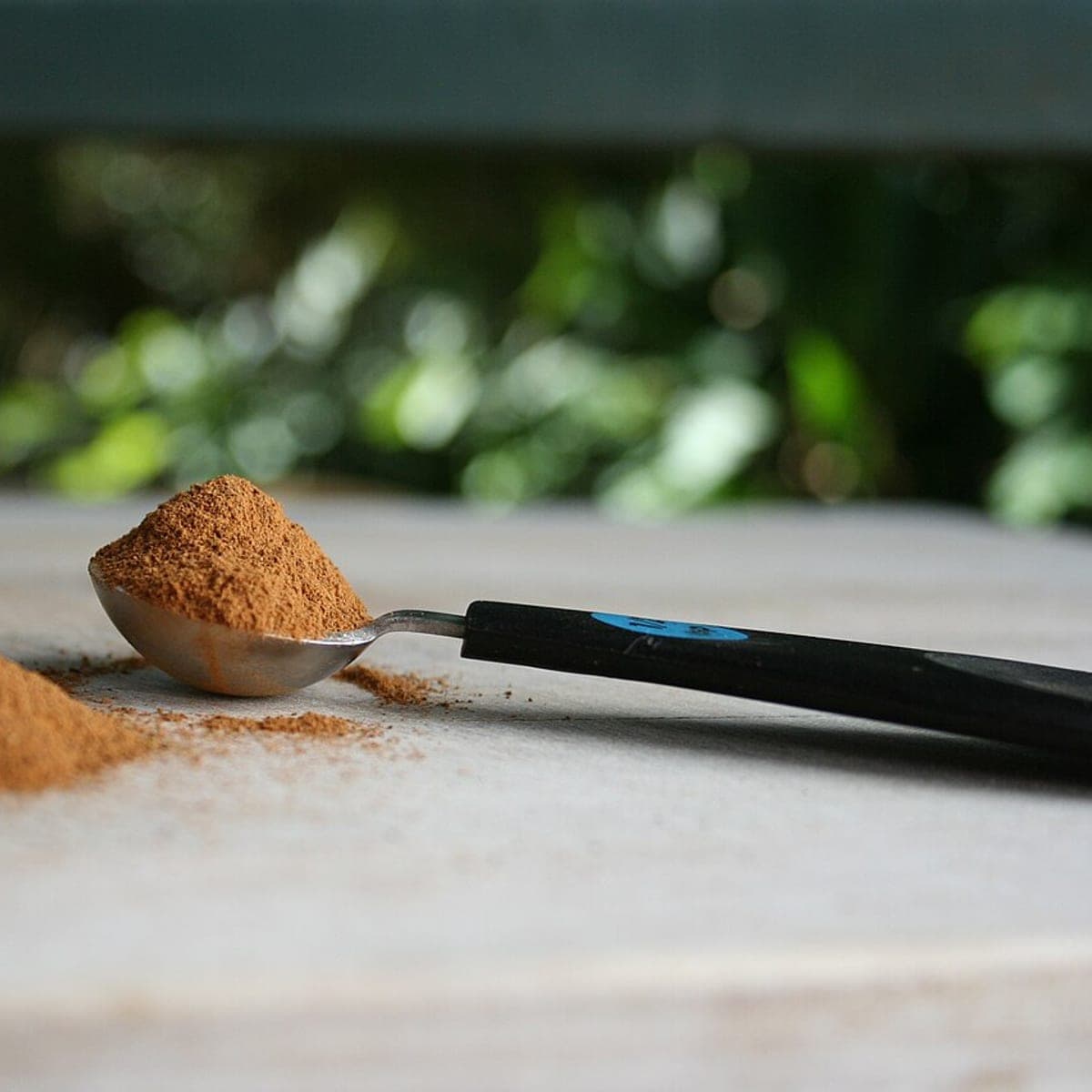
Powdered Mimosa Hostilis Root gives up nearly everything on the first pass because of its surface area. A second bath from spent powder is very pale; a third is not worth the fuel.
Mimosa roots Stripped sits between the two and rewards a longer soak at every stage.
The trade-offs across all three are set out in powder, shredded or stripped.
You cannot go back up the ladder. Once the first bath has been used it is gone, and the strongest colour you will ever have from that bag has already happened.
So decide in advance which piece gets which bath, and mordant everything you need in one session. The classic mistake is to put the most important piece into the first bath, then discover you wanted it a shade lighter and have nothing strong left for the rest.
Dye a sample in the first bath, dry it properly, and only then commit.
Leave it in water, in a covered pot, somewhere cool. Do not let it dry out — dried spent bark gives up very little when it goes back in.
Be realistic about time. Three baths over three days is comfortable. Left much longer than that, a wet pot of plant material starts to smell and eventually goes mouldy, and mouldy material belongs on the compost heap rather than in a dye bath.
If you need a gap, strain the material, squeeze it, bag it and refrigerate it for a couple of days. That buys time without inviting anything to grow.
The obvious use is a graded run: four skeins of the same wool from the same mordant batch — one in the full bath, one in the second, one in the third, and one given a short dip in the third. Dried together they make a sequence that cannot be matched by mixing dyes.
Two practical notes. Label as you go, in order, with a tag tied to each skein — they look far more similar dry than they did wet and an unlabelled set is very hard to sort afterwards. And keep the mordant identical across all four, or you are varying two things at once and the run will not be even.
Take two of them to a weak iron bath afterwards and the set doubles.
Cotton and linen want several baths anyway, building depth in layers rather than in one immersion. A second and third bath from the same material fits that work naturally — run the cellulose through all three in sequence rather than treating the later baths as weaker.
It is the one case where the paler baths are not really paler in the finished result, because the fibre is accumulating across all of them.
Spent bark goes on the compost heap. It is plant material and it breaks down happily.
What must not go on the compost is a spent mordant bath or, especially, an iron bath. Those are metal salts and a separate disposal question — check what applies locally.
Costed per usable bath rather than per pound, shredded bark is usually the cheapest material in the range. If you are working out quantities for a project, the second bath is real and you can plan around it — see buying dye material in bulk, and ask on the wholesale page for volumes beyond the listed sizes.
Everything described here is raw botanical material sold for dyeing, soap making and craft work. It is not food, it is not a supplement, and it is not for human consumption. Nothing on this page is a recommendation to put any of it in or on a body.
Part of our guide: What Is Mimosa Hostilis Root Bark?
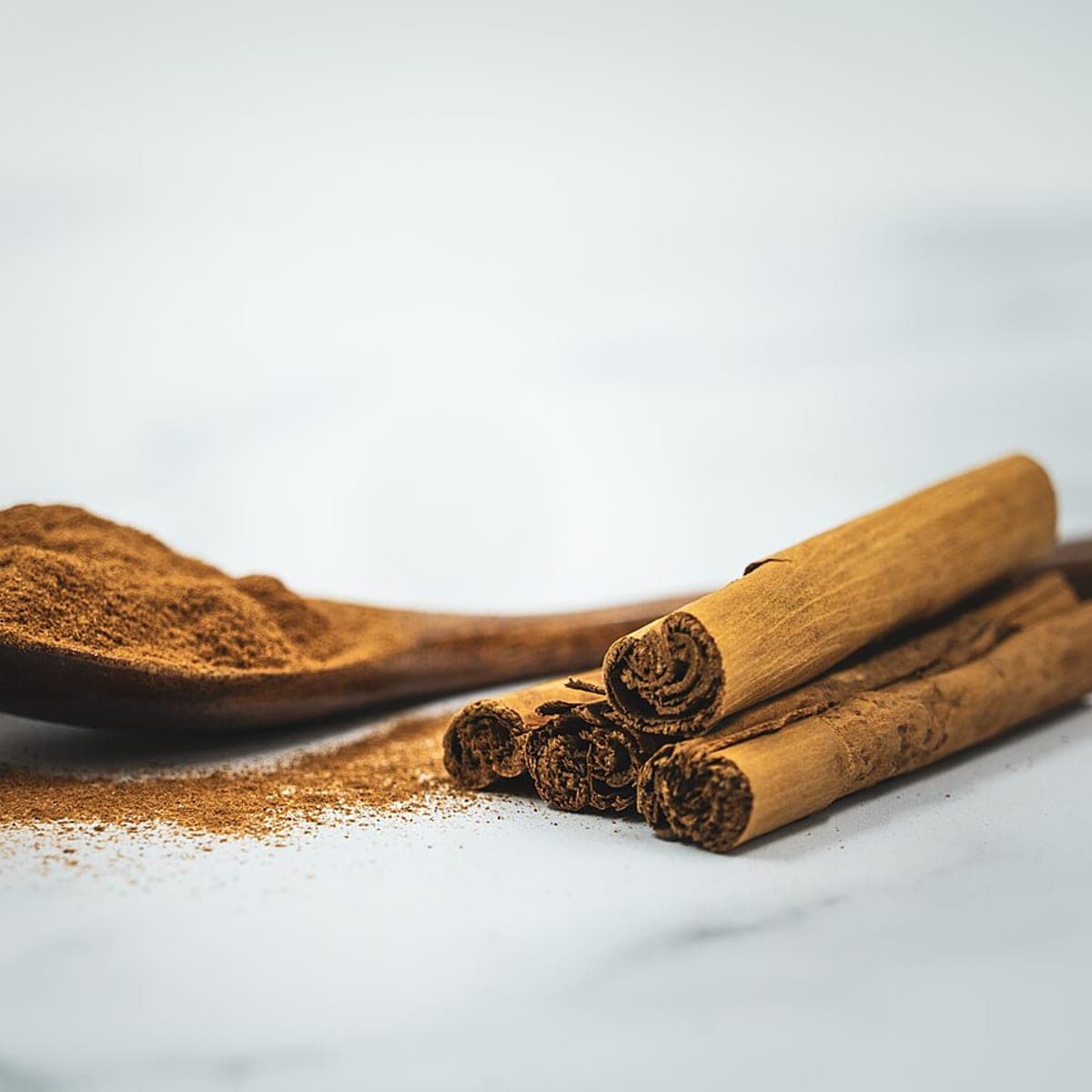
Weigh the fibre dry, then work every other quantity as a percentage of that weight. Fifty to eighty per cent of the fibre weight in bark is the everyday range for a full shade on wool. Thirty gives a tint, a hundred gives depth, and above about a hundred and twenty you are heating material that stays in the pot.
Vegetable-tanned leather takes bark colour well because it is already full of tannin. Chrome-tanned largely does not. Work in thin coats on clean, dry leather, let each dry fully, and condition afterwards. Test on an offcut from the same hide, because leather varies across a single skin.
Fine particles float rather than settling, so decanting does not work. The reliable answers are a mesh bag holding the powder from the start, or a double layer of muslin poured through slowly. Straining before the fibre goes in is what stops dark specks appearing in a dried skein.
Your cart is empty
Everything we sell is batch-tested, and we tell you what ships to your state before you add it.
Browse the shop