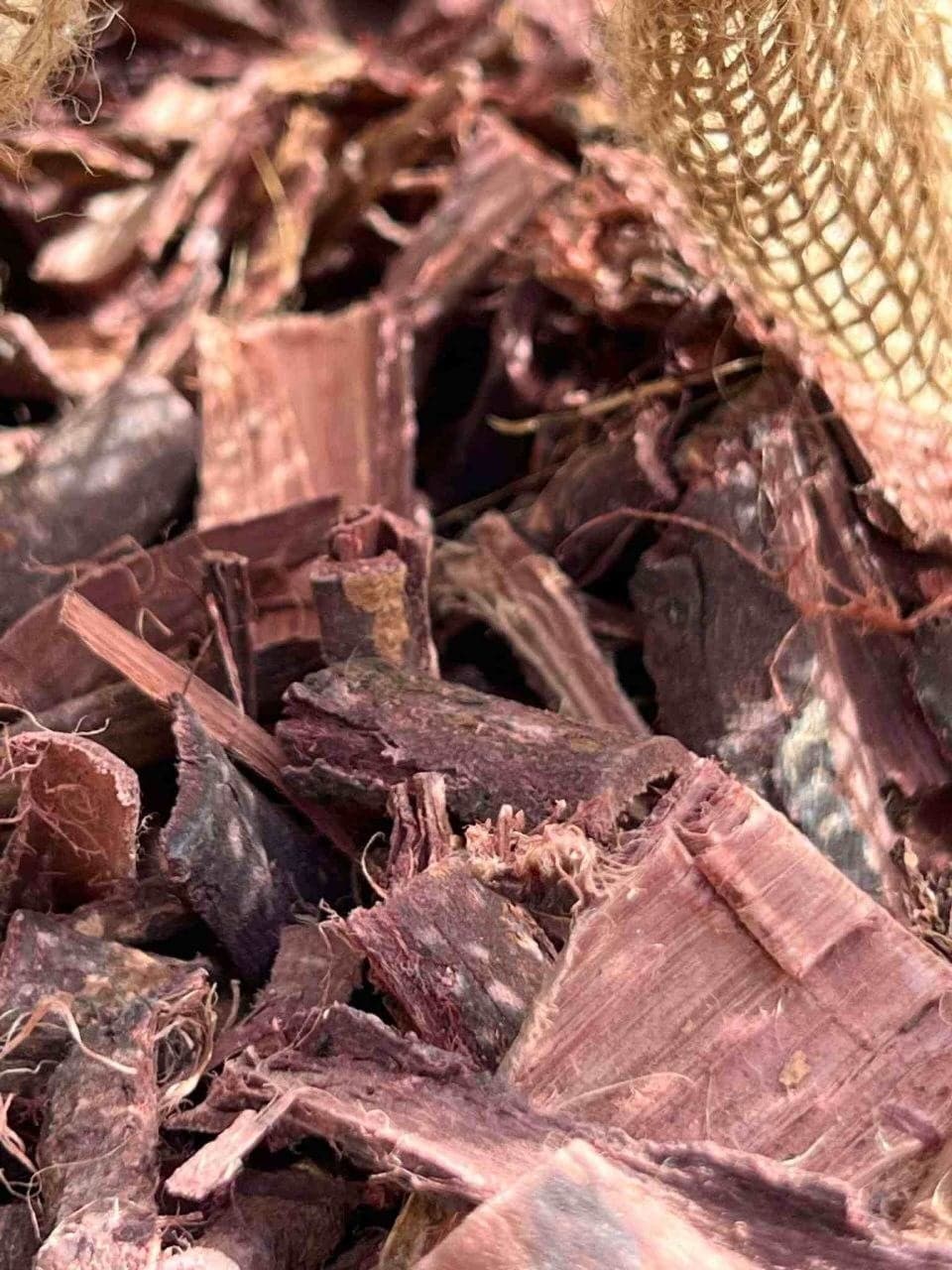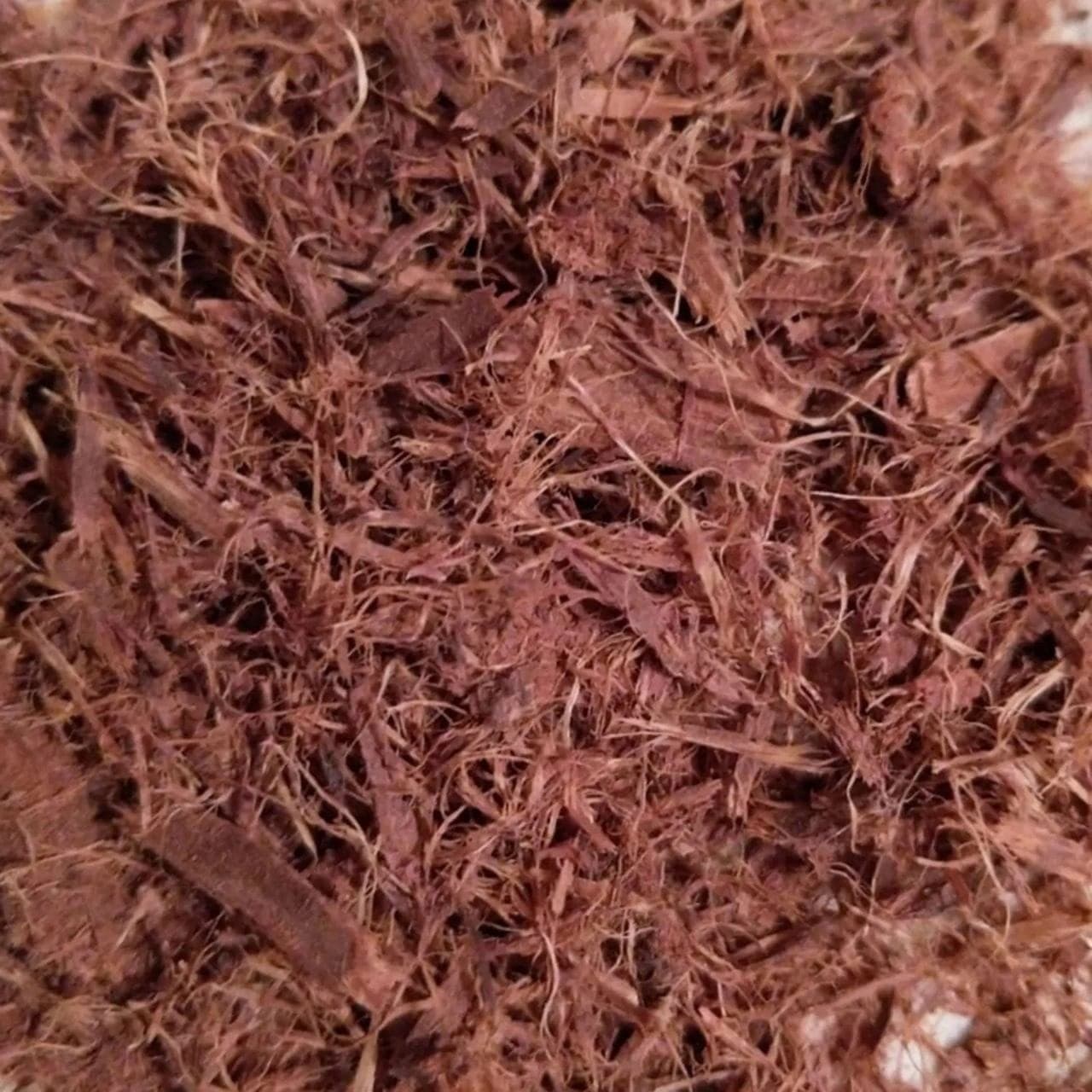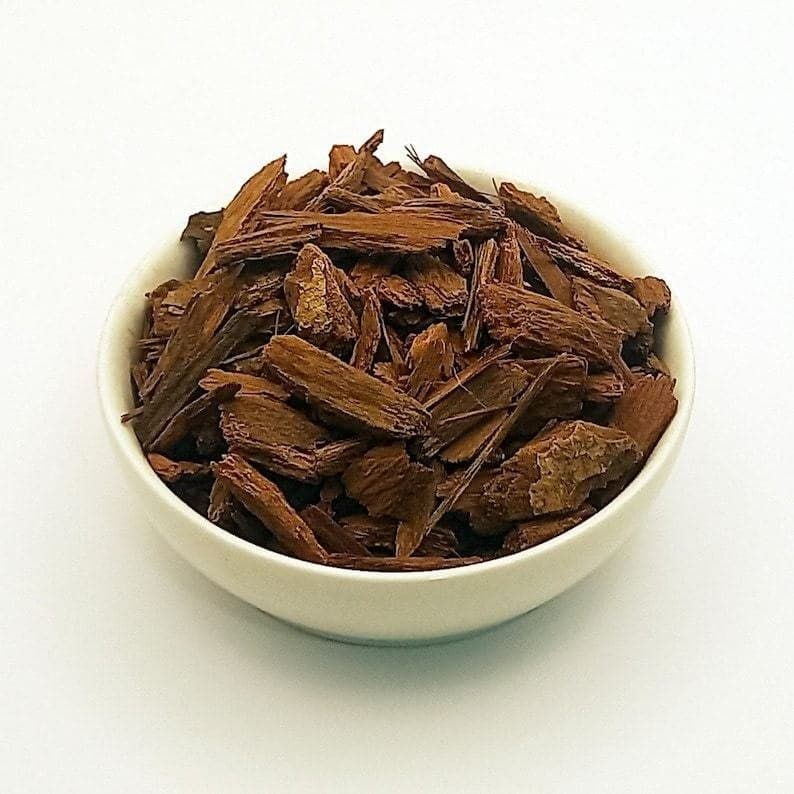
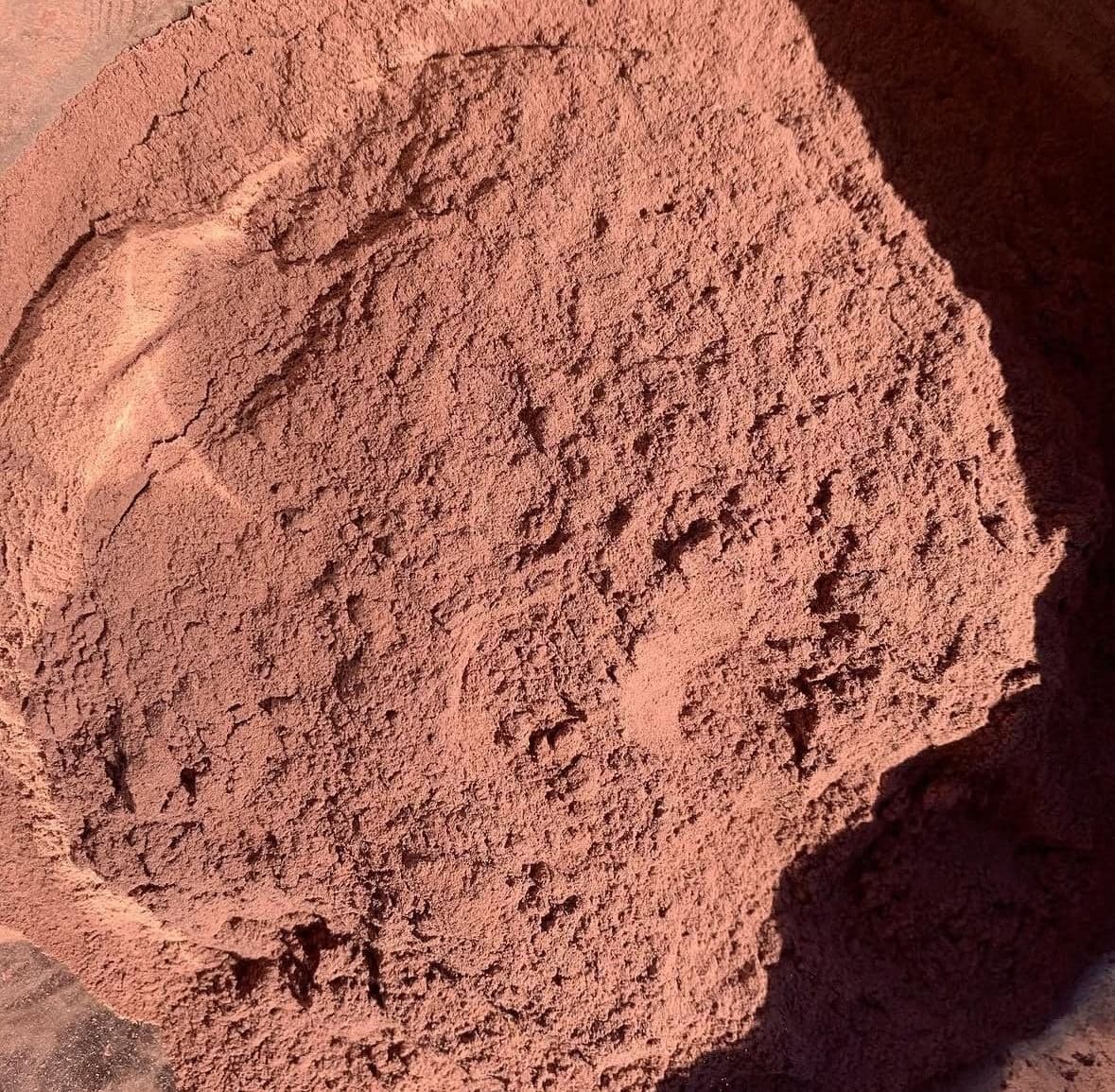
Powdered Mimosa Hostilis Root
Botanical use only
$37.501/4 lb
Your cart is empty
Everything we sell is batch-tested, and we tell you what ships to your state before you add it.
Browse the shop
Fine particles float rather than settling, so decanting does not work. The reliable answers are a mesh bag holding the powder from the start, or a double layer of muslin poured through slowly. Straining before the fibre goes in is what stops dark specks appearing in a dried skein.
Editorial Team · Compliance and product research · Updated
Powder gives colour faster than any other form and leaves you with a bath full of suspended particles. Getting them out, before the fibre goes in, is the difference between a clean skein and one covered in dark flecks that look like a fault.
It is the one genuine chore that comes with choosing powder, and it is entirely solvable.
People reach for the obvious method first: let it settle, pour the clear liquid off the top.
It does not work, because these particles are fine enough to stay suspended almost indefinitely and many of them float rather than sinking. Left overnight you will have some sediment, a great deal still in suspension, and a raft on the surface.
You have to physically remove them.
This is the best answer and the one to adopt if you use powder regularly.
Put the weighed powder into a fine mesh bag — a jelly bag, a nut-milk bag, a fine paint strainer — tie it, and let the bag do the cold soak and the heating stage inside the pot.
When the bath is ready you lift the bag out. There is nothing to filter, because nothing ever escaped.
Two details that matter. Do not overfill the bag: powder needs room to move or the centre of the mass never wets properly and you are effectively working at a lower ratio than you calculated. And squeeze it gently against the side of the pot before lifting it out, rather than wringing it — wringing forces fines through the weave.
If the powder is already loose in the pot, pour the bath through two layers of muslin into a second vessel.
A jelly bag on a stand does the same job hands-free and is worth owning if you do this often.
For a test-sized bath, a paper coffee filter in a funnel gives the cleanest result of any method.
It is also slow, and it clogs. Fine for a few hundred millilitres of a test bath; impractical for a pot that will hold a sweater.
This is the rule that matters. Particles resting against wool colour that spot more heavily than the rest, and the result reads as a defect rather than a texture.
Fine powder is also very difficult to rinse back out of a dense yarn once it has worked between the plies. Ten minutes of filtering beats an hour of picking, and picking does not fully work.
Some will get through, particularly on a first attempt.
Let the skein dry completely first. Dry particles brush off; wet ones smear and stain. Then work over it gently with a soft brush or a clean cloth, with the skein hung rather than lying on a surface.
What you cannot remove has usually bonded, and at that point it is part of the piece.
Spent powder is largely finished — that is the trade-off described in why powder behaves differently. If you want a second bath, shredded bark is the form that gives one.
Strained plant material goes on the compost heap. Spent mordant and iron baths do not — those are a separate disposal question covered in the iron modifier.
Rinse cloths and bags immediately, in cold water first. Hot water sets the colour into the fabric, and a jelly bag that has been through a hot rinse is permanently plum.
That is cosmetic rather than a problem — a dye-stained bag works exactly as well — but people are sometimes surprised.
If filtering is the part you dislike, buy shredded bark or stripped root and accept a longer bath. Both lift out with a slotted spoon.
Powder earns its place where speed matters more than convenience — testing, soap, and small jobs. The comparison is in powder, shredded or stripped.
Everything described here is raw botanical material sold for dyeing, soap making and craft work. It is not food, it is not a supplement, and it is not for human consumption. Nothing on this page is a recommendation to put any of it in or on a body.
Part of our guide: What Is Mimosa Hostilis Root Bark?
Weigh the fibre dry, then work every other quantity as a percentage of that weight. Fifty to eighty per cent of the fibre weight in bark is the everyday range for a full shade on wool. Thirty gives a tint, a hundred gives depth, and above about a hundred and twenty you are heating material that stays in the pot.
Vegetable-tanned leather takes bark colour well because it is already full of tannin. Chrome-tanned largely does not. Work in thin coats on clean, dry leather, let each dry fully, and condition afterwards. Test on an offcut from the same hide, because leather varies across a single skin.
Shredded bark is rarely spent after one bath. A second gives roughly half to two-thirds the depth, and a third gives a pale tint that is often the prettiest on silk. Powder gives almost everything on the first pass. Plan the order before you start, because you cannot climb back up the ladder.