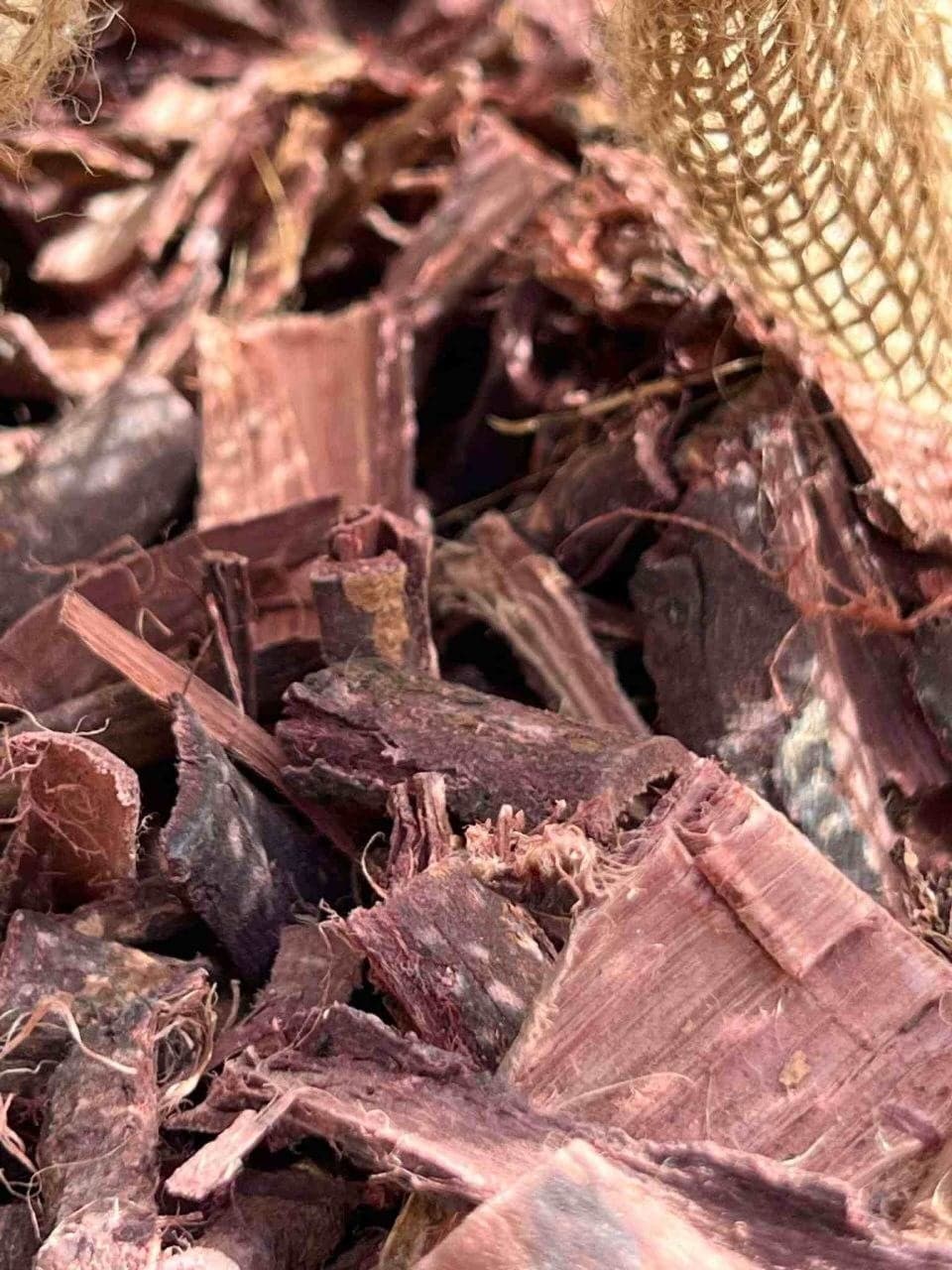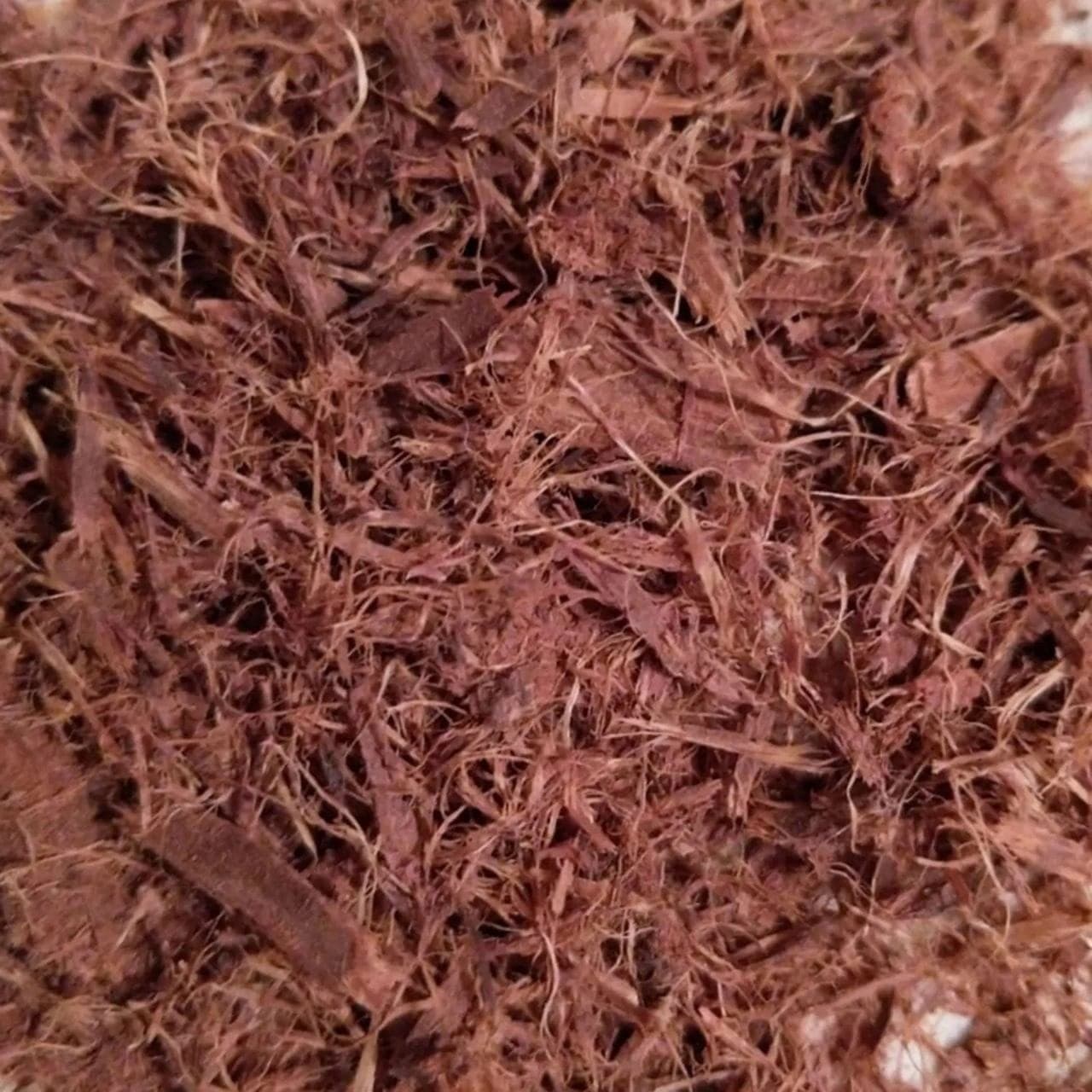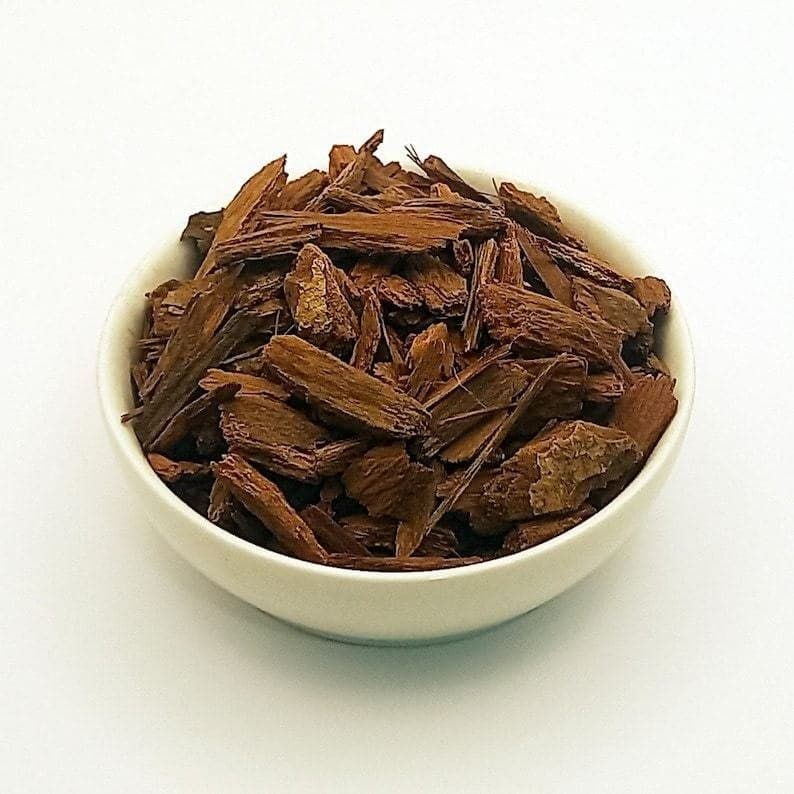
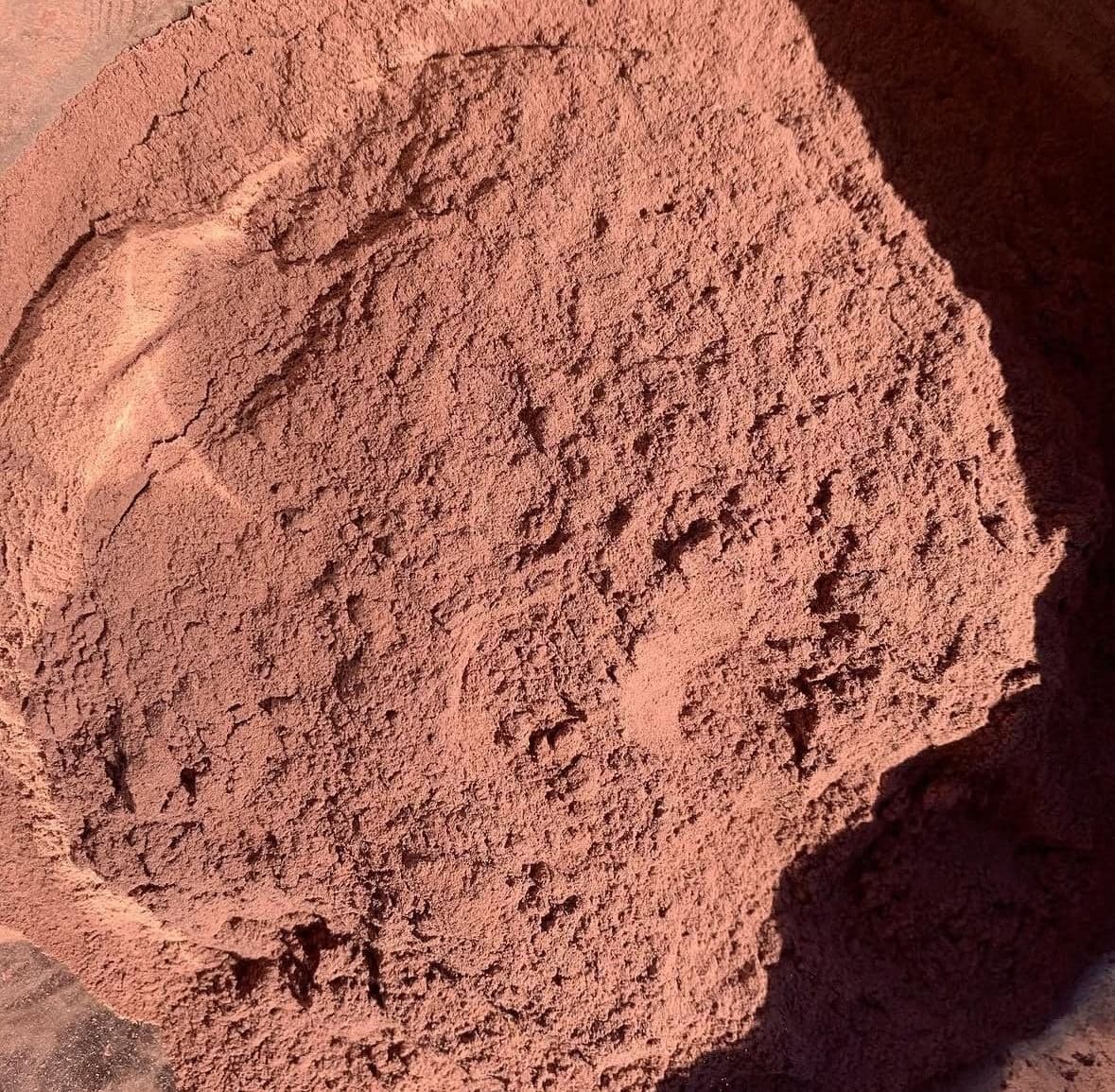
Powdered Mimosa Hostilis Root
Botanical use only
$37.501/4 lb
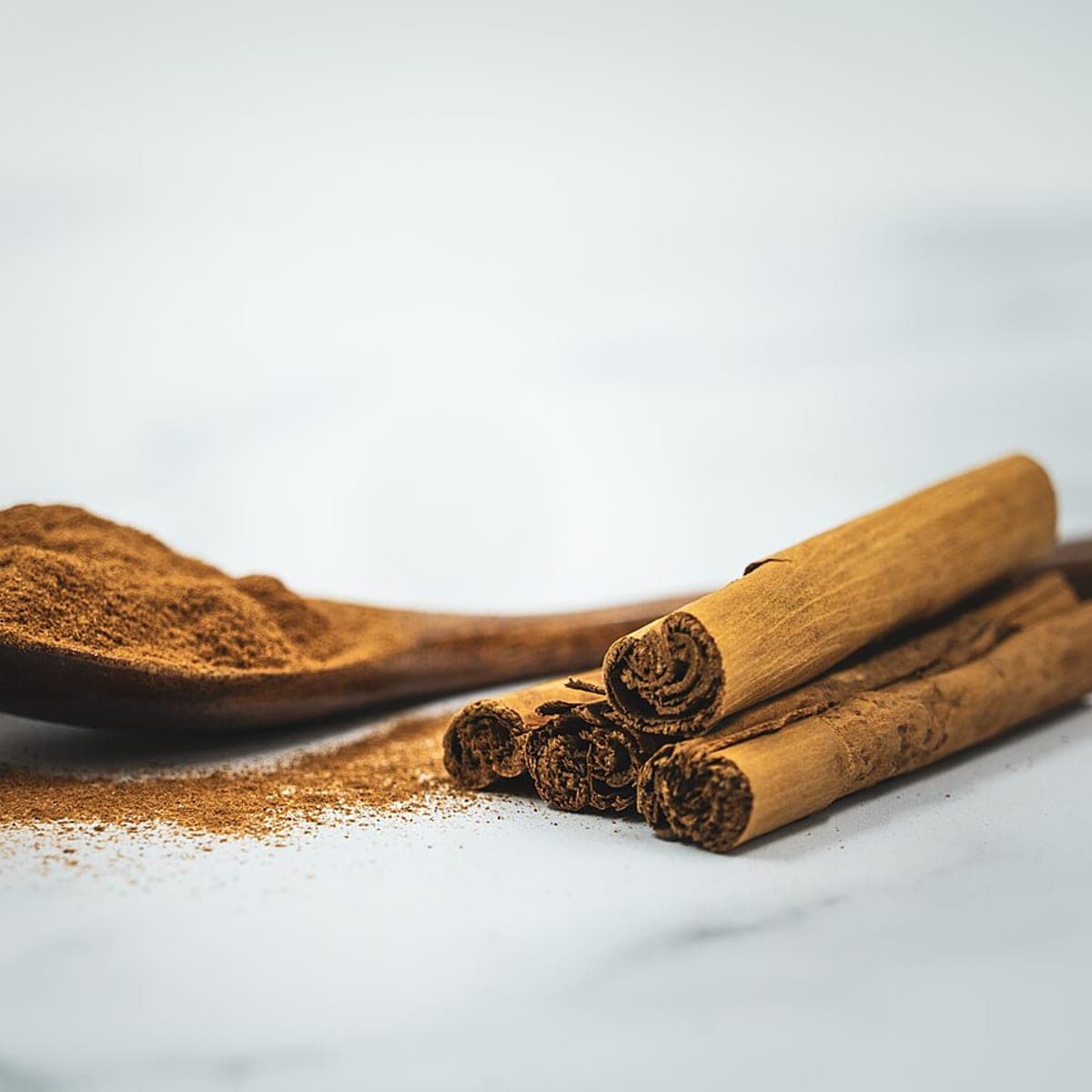
Testing is what powder is best at: fast baths, small quantities, and no reason to be economical. Run ten-gram skeins from one bath, change one variable at a time, dry every sample before judging, and label them against the batch code. A test card built this way predicts your results better than any published chart.
Editorial Team · Compliance and product research · Updated
The habit that separates dyers who get consistent colour from dyers who get occasional lucky results is testing, and testing is the job powder does better than any other form.
It gives a full bath in an hour rather than three, the quantities are small enough that filtering is trivial, and you are not trying to be economical with material.
Use ten-gram skeins. Small enough to be cheap, large enough to judge colour honestly. A two-gram snippet reads differently from a skein and will mislead you.
Use the fibre you will actually use. A test on generic wool tells you little about the specific yarn in your project. Breed, mill and finish all move the result.
Mordant them all together, in one bath. If the mordant varies across samples you are testing two things at once and can conclude nothing.
Keep a control. One sample that goes through the dye bath and nothing else. Every comparison is against it.
This is the whole discipline and the easiest to abandon when you are impatient.
A useful first set, run from one bath:
That is five samples, one bath, one afternoon, and it maps most of the range available from a single bag. The mechanisms are in pH as a colour control and the iron modifier.
Once you know what the modifiers do, test the bath itself:
Four baths, four samples, and you will see for yourself where the diminishing returns begin on your fibre in your water. That is a more useful number than any figure published by somebody dyeing something else somewhere else.
Colour reads darker, richer and more saturated wet. A sample judged wet will be two tones lighter dry, and people who judge wet consistently overshoot when they modify.
Squeeze it, dry it properly — a hairdryer is fine — and look at it in daylight rather than under a kitchen bulb. Then decide.
Each sample gets a tag: fibre, dry weight, mordant percentage, bark form and percentage, what you did to it, temperature, time, water, and the batch code printed on the bag.
The batch code is the one people leave off and the one that matters most over time. Bark is an agricultural product and tannin content is a property of the harvest, so a result without a batch code is a result you cannot connect to anything — the reasoning is in what tannins are.
Pin the dried samples to stiff card in order, with their tags. Over a year this becomes a reference specific to your pot, your water and your hands, and it will predict your results better than anything published.
Run the same samples through the light and wash tests and the card tells you how each variation ages, not just how it looks on day one.
Five ten-gram skeins at seventy per cent is thirty-five grams of powder — a small fraction of a quarter pound. A quarter pound covers a full testing programme and leaves material over.
That is the argument for buying a small quantity of powder alongside whatever you buy for real work. Sizing is in buying dye material in bulk.
When a new bag arrives, run the control and one modifier against your existing card before committing it to a project. Two minutes of comparison catches a batch that behaves differently, which is exactly the situation that ruins a garment dyed in pieces.
The same applies to sassafras, which is a different species entirely and for which we publish no colour figures at all — there, testing is the only information available.
Everything described here is raw botanical material sold for dyeing, soap making and craft work. It is not food, it is not a supplement, and it is not for human consumption. Nothing on this page is a recommendation to put any of it in or on a body.
Part of our guide: What Is Mimosa Hostilis Root Bark?
Weigh the fibre dry, then work every other quantity as a percentage of that weight. Fifty to eighty per cent of the fibre weight in bark is the everyday range for a full shade on wool. Thirty gives a tint, a hundred gives depth, and above about a hundred and twenty you are heating material that stays in the pot.
Vegetable-tanned leather takes bark colour well because it is already full of tannin. Chrome-tanned largely does not. Work in thin coats on clean, dry leather, let each dry fully, and condition afterwards. Test on an offcut from the same hide, because leather varies across a single skin.
Shredded bark is rarely spent after one bath. A second gives roughly half to two-thirds the depth, and a third gives a pale tint that is often the prettiest on silk. Powder gives almost everything on the first pass. Plan the order before you start, because you cannot climb back up the ladder.
Your cart is empty
Everything we sell is batch-tested, and we tell you what ships to your state before you add it.
Browse the shop