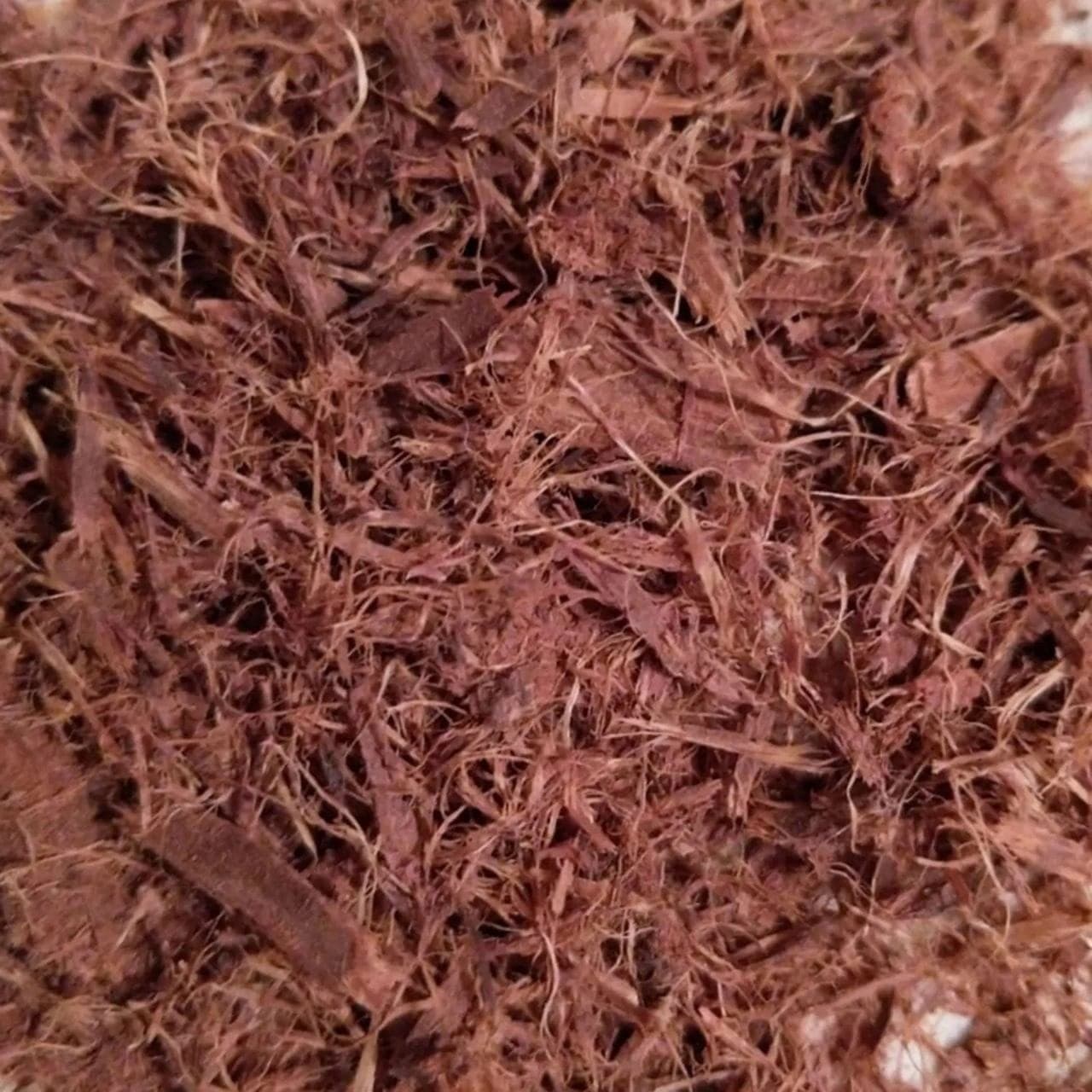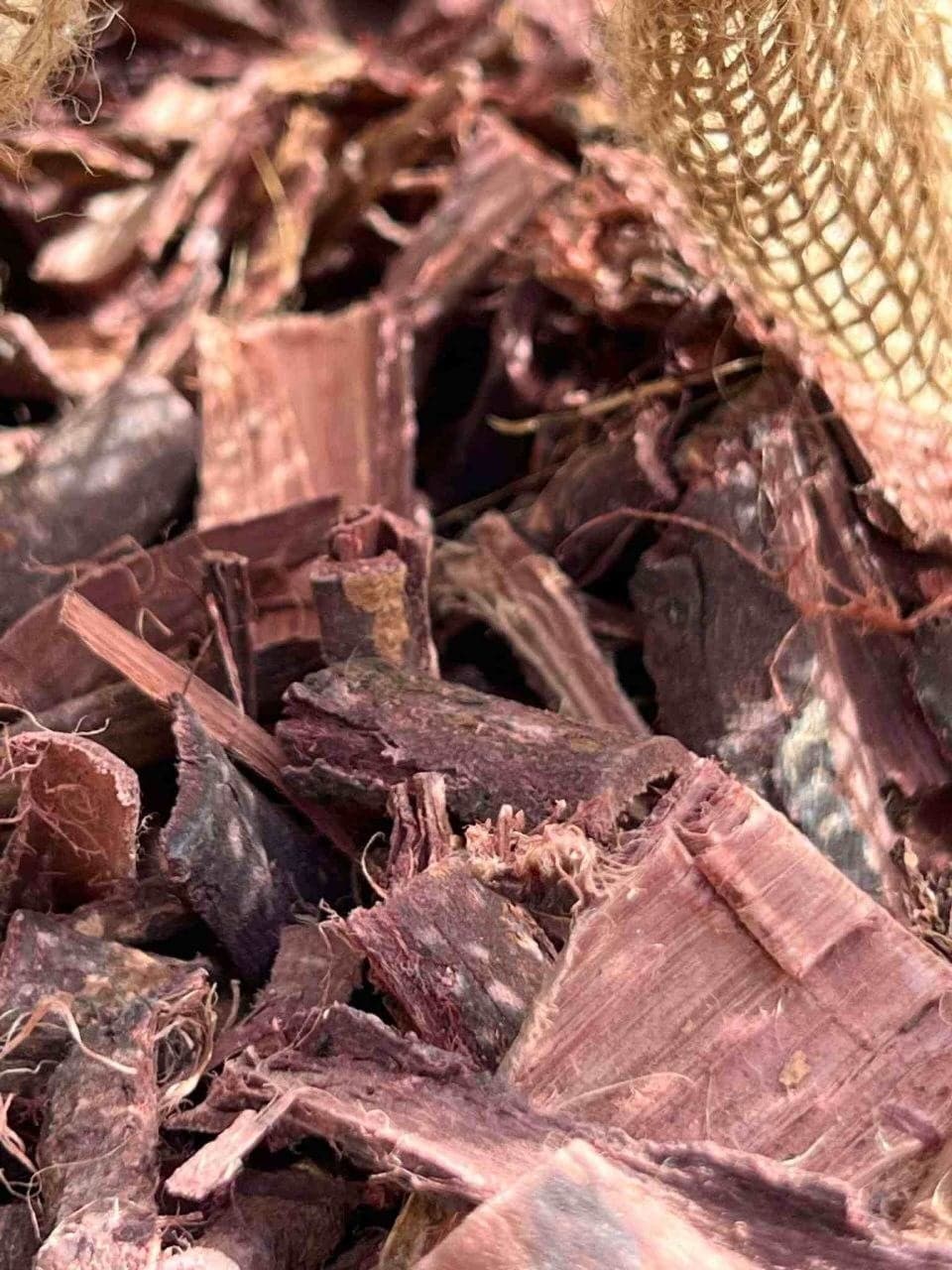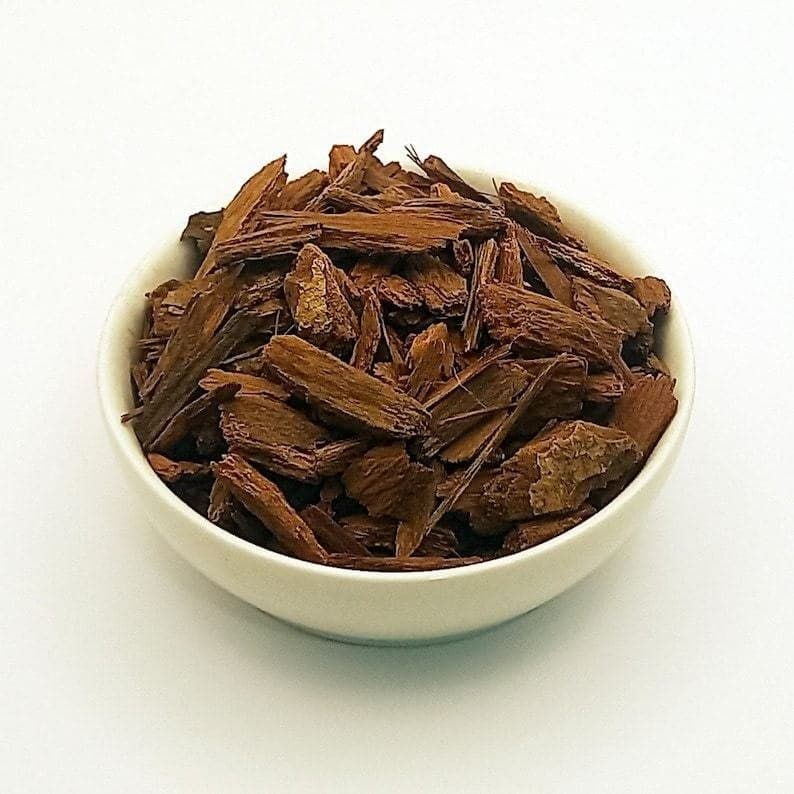
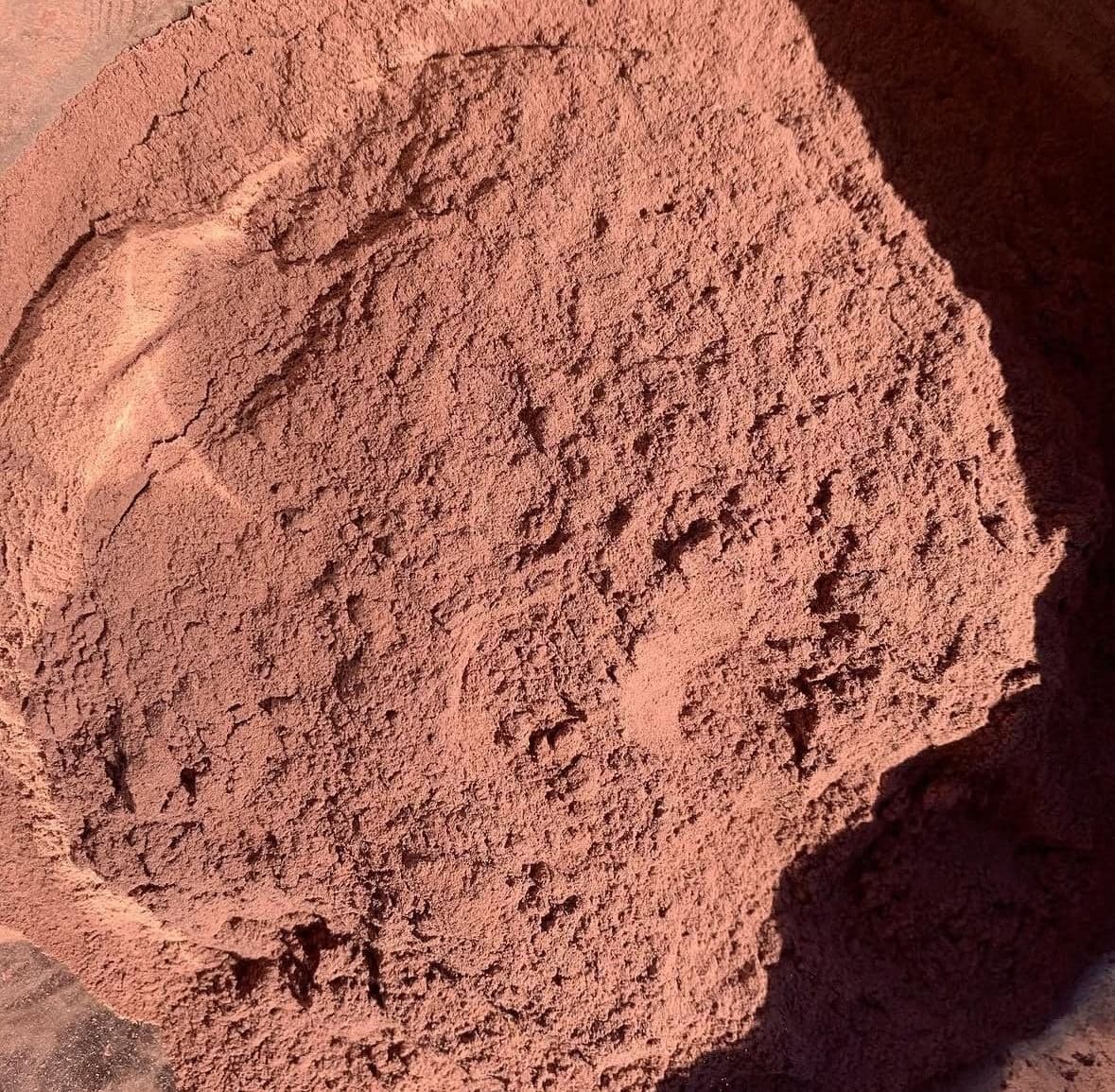
Powdered Mimosa Hostilis Root
Botanical use only
$37.501/4 lb
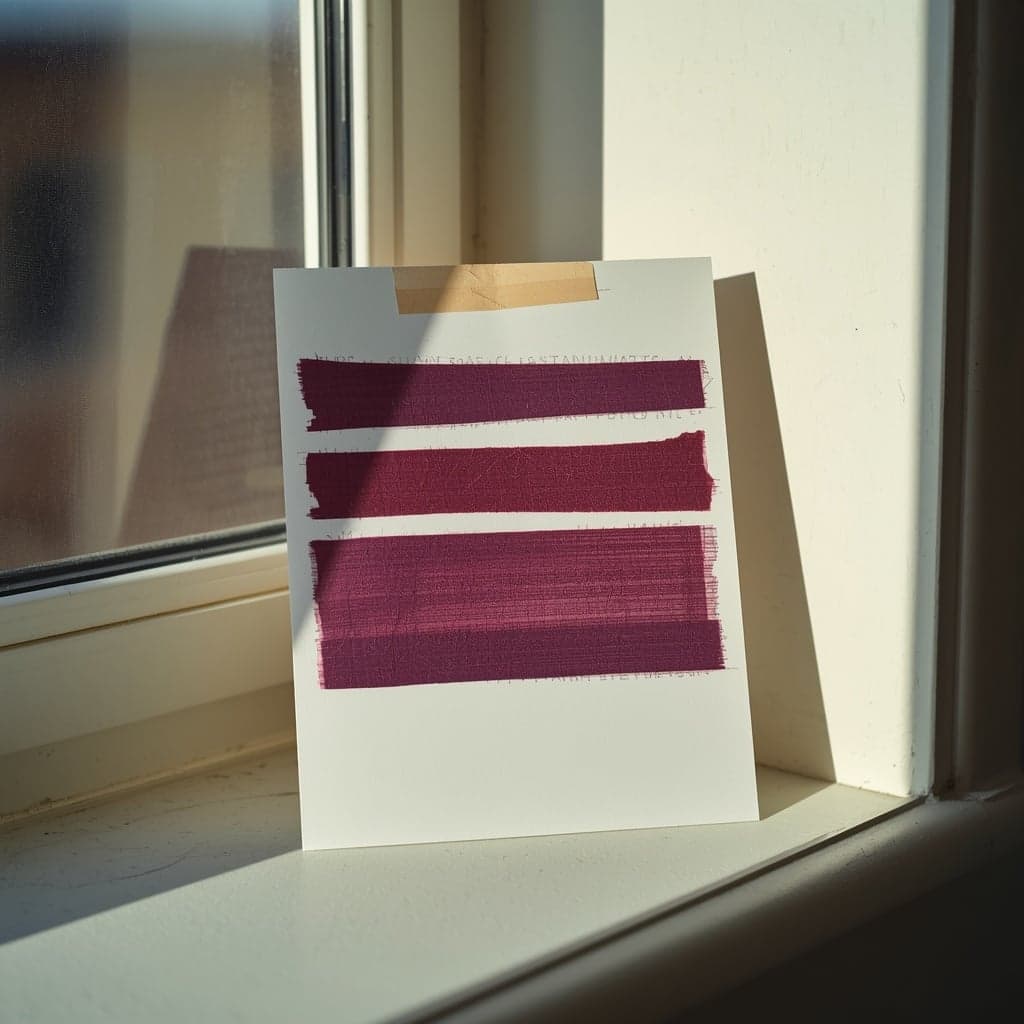
Cut a dyed sample in two, tape half behind card in a sunny window and keep the other in a drawer. Compare after four weeks. For wash testing, wash one half exactly as the finished piece will be washed, three times. Both cost nothing and tell you more about your water and your bark than any published figure.
Editorial Team · Compliance and product research · Updated
Published fastness ratings are made under standard conditions with standard material. Your bark came from a particular harvest, your water has a particular hardness, and your mordant went in at whatever percentage you actually used. None of that is standard.
Two simple tests give you an answer specific to your own practice, and both are free.
1. Dye a strip of the same fibre in the same bath as the piece you care about, at the same time.
2. Cut it in half. One half goes straight into a dark drawer as the control.
3. Tape the other half to stiff card so that half of that half is covered by the card and half is exposed.
4. Put it in a south-facing window and leave it four weeks.
You get two comparisons from one strip: exposed against covered on the same piece, and the whole thing against the drawer control. The line where the card sat is where any fading shows first and most unambiguously — a straight edge between two tones is much easier to judge than a general impression of "looks a bit lighter".
### Reading the result
Most natural colours on protein fibre shift somewhat in four weeks of direct sun. That on its own is not a failure. What you are judging is which kind of shift it is.
A gentle softening — plum settling towards a dustier plum — is normal and often rather beautiful as a garment ages. A collapse to a different colour entirely, or a visible loss within a fortnight, tells you this fibre belongs in something that does not live in a window.
Take a second sample, note its colour against the drawer control, and wash it exactly as the finished piece will be washed: same detergent, same temperature, same handling. Do it three times, drying between.
One wash tells you very little. Three tells you almost everything.
### Two things to watch
Does the sample lighten? Compare against the drawer control in daylight, dry, not wet.
Does colour come off into the water? Some colour in the first wash is normal and is usually unbonded surplus rinsing away. Colour still coming off at the third wash means the mordant did not do its job — go back to mordanting wool with alum and check the alum was fully dissolved and the fibre properly scoured.
A pH-shifted colour does not necessarily behave like the unmodified shade, and an iron-saddened one certainly does not. If you modified a piece, test the modified version rather than assuming the base result transfers.
The same applies across materials: a result from Mimosa Tree Bark does not predict Sassafras Root Bark, which is a different species entirely.
Pin each tested strip to card with its date, fibre, mordant percentage, bark form and percentage, water, and the batch code from the bag. After a year you have a fastness reference specific to your own practice that no book can provide.
If you sell what you make, that file is also what lets you describe a piece honestly — "this softens in strong sun, so wash cool and dry in shade" is a far better thing to tell a customer than a general claim about natural dyes, and it is the sort of specificity that earns repeat buyers.
This is an agricultural product. Harvest, age, storage and milling all move the result, which is why the batch code exists and why single-batch fulfilment matters on larger orders — see buying dye material in bulk.
Testing per batch rather than per material is the habit that catches this before a customer does.
Everything described here is raw botanical material sold for dyeing, soap making and craft work. It is not food, it is not a supplement, and it is not for human consumption. Nothing on this page is a recommendation to put any of it in or on a body.
Part of our guide: What Is Mimosa Hostilis Root Bark?
Weigh the fibre dry, then work every other quantity as a percentage of that weight. Fifty to eighty per cent of the fibre weight in bark is the everyday range for a full shade on wool. Thirty gives a tint, a hundred gives depth, and above about a hundred and twenty you are heating material that stays in the pot.
Vegetable-tanned leather takes bark colour well because it is already full of tannin. Chrome-tanned largely does not. Work in thin coats on clean, dry leather, let each dry fully, and condition afterwards. Test on an offcut from the same hide, because leather varies across a single skin.
Shredded bark is rarely spent after one bath. A second gives roughly half to two-thirds the depth, and a third gives a pale tint that is often the prettiest on silk. Powder gives almost everything on the first pass. Plan the order before you start, because you cannot climb back up the ladder.
Your cart is empty
Everything we sell is batch-tested, and we tell you what ships to your state before you add it.
Browse the shop