Powdered Mimosa Hostilis Root
Botanical use only
$37.501/4 lb

Alum at ten to fifteen per cent of the dry fibre weight, fully dissolved in hot water, held just under a simmer for an hour, then cooled in the pot. It is what makes bark colour survive washing. Cream of tartar keeps the wool soft. Undissolved crystals are the commonest cause of pale patches.
Editorial Team · Compliance and product research · Updated
A mordant is the difference between colour that stays and colour that rinses away. Tannin-rich bark will put some colour into unmordanted wool, but it will be duller, shallower, and it will not survive many washes.
Alum is the workhorse. It is cheap, available everywhere, the least troublesome of the metal mordants to handle and dispose of, and it does not shift the colour the way iron or copper do — it lets the bark be what it is.
Aluminium potassium sulfate, sold as potash alum or simply alum. Buy it from a dye supplier or a chemical supplier rather than a supermarket spice aisle, where the quantities are tiny and the price per gram is absurd.
Many dyers add cream of tartar alongside it, at roughly half the alum quantity. It is not doing the bonding. It helps the alum distribute evenly and keeps wool handling softly, and it matters most on fine or long-staple wool that you intend to wear against skin.
More is not better. Past about eighteen per cent, wool starts to feel harsh and faintly sticky, and that does not wash out. If your mordanted wool feels unpleasant before it has met any dye, you have used too much.
All of this is a percentage of the dry fibre weight, for the reasons set out in how much root bark per pound of fibre.
1. Scour the fibre and leave it wet. Do not let it dry between scouring and mordanting.
2. Dissolve the alum completely in a jug of very hot water. This is the step people rush and the one that causes most faults.
3. Add it to the pot — enough warm water that the fibre floats freely — and stir it through properly before any fibre goes in.
4. Add the wet fibre. Raise the heat slowly, over about half an hour, to just under a simmer: around 80°C or 175°F.
5. Hold for an hour, turning gently once or twice. Do not agitate wool at temperature; that is how felting starts.
6. Turn the heat off and let it cool in the pot. Overnight is ideal.
7. Rinse in water of a similar temperature to the fibre.
An alum crystal that goes into the pot whole does not distribute. It sits against whatever it is touching and mordants that spot far more heavily than the rest.
You will not see it at this stage — mordanted wool looks exactly like unmordanted wool. You see it after dyeing, as pale or oddly dark patches with hard edges, and by then the piece is finished.
Dissolve it in a jug. Every time. It takes ninety seconds.
Hot wool dropped into cold water felts, and felting is structural and permanent. Rinse in water close to the temperature the fibre is currently at, and let the pot cool with the fibre in it rather than lifting it out steaming.
This is one of the eight mistakes and it is the one that destroys the most yarn.
Mordanted fibre does not need to be dyed the same day. It keeps for weeks damp in a bag somewhere cool, and indefinitely if you dry it completely and re-wet it thoroughly before the dye bath.
Many dyers mordant a batch of skeins in one session and dye them over the following month, which is efficient with both water and heat. The one thing not to do is let fibre half-dry mid-process and then rush it into a bath — patchy wetting gives patchy colour.
Alone, alum does very little on cotton and linen. Those want aluminium acetate, or a tannin bath followed by alum. The reasoning is in protein and cellulose fibres, and it is worth reading before you mordant a cotton project with the wrong thing.
Mordanted, rinsed, still damp: the fibre is ready for a dye bath. Whether you start that bath from a cold soak or straight to heat makes a real difference to the shade you end up with, and keeping the bath off the boil makes the largest difference of all.
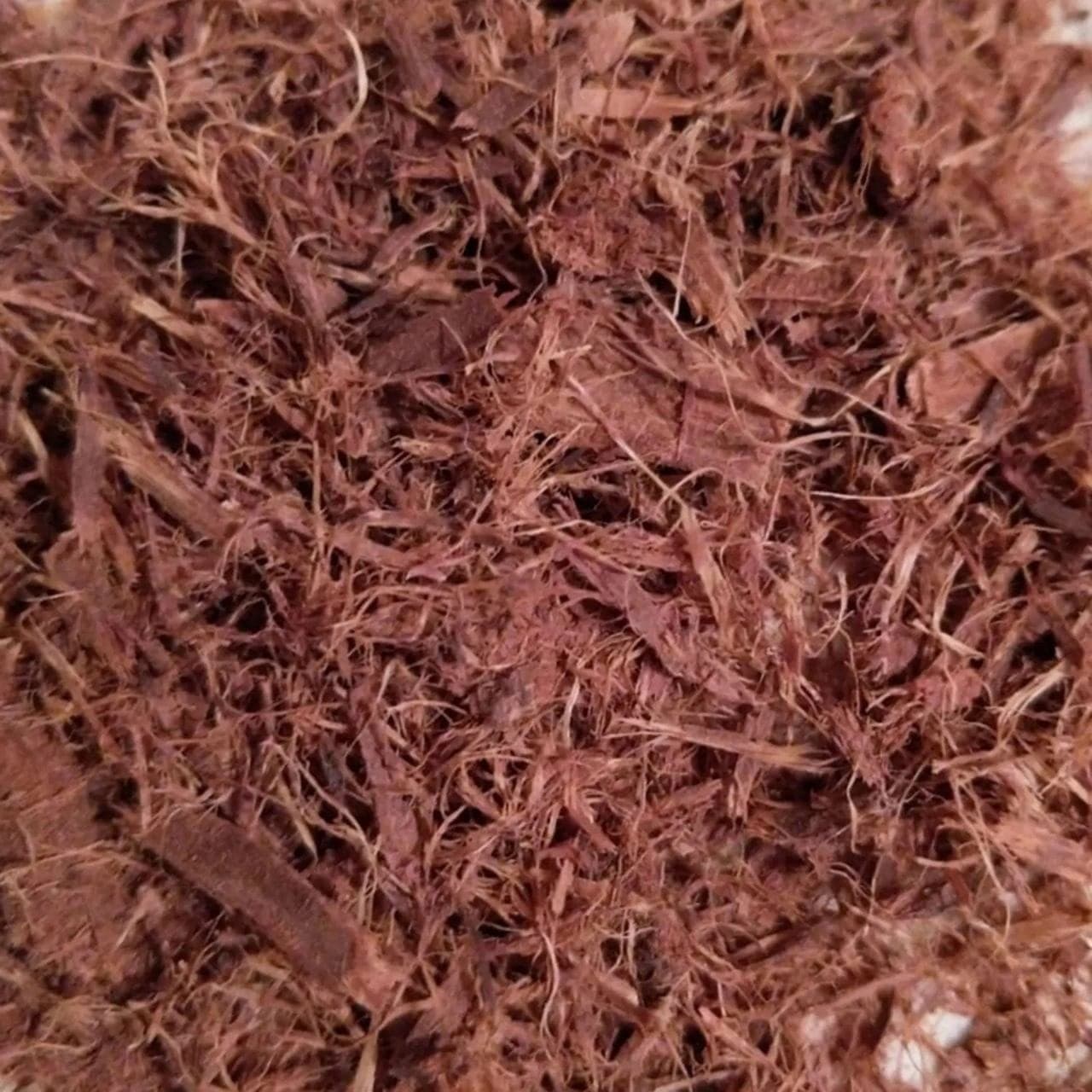
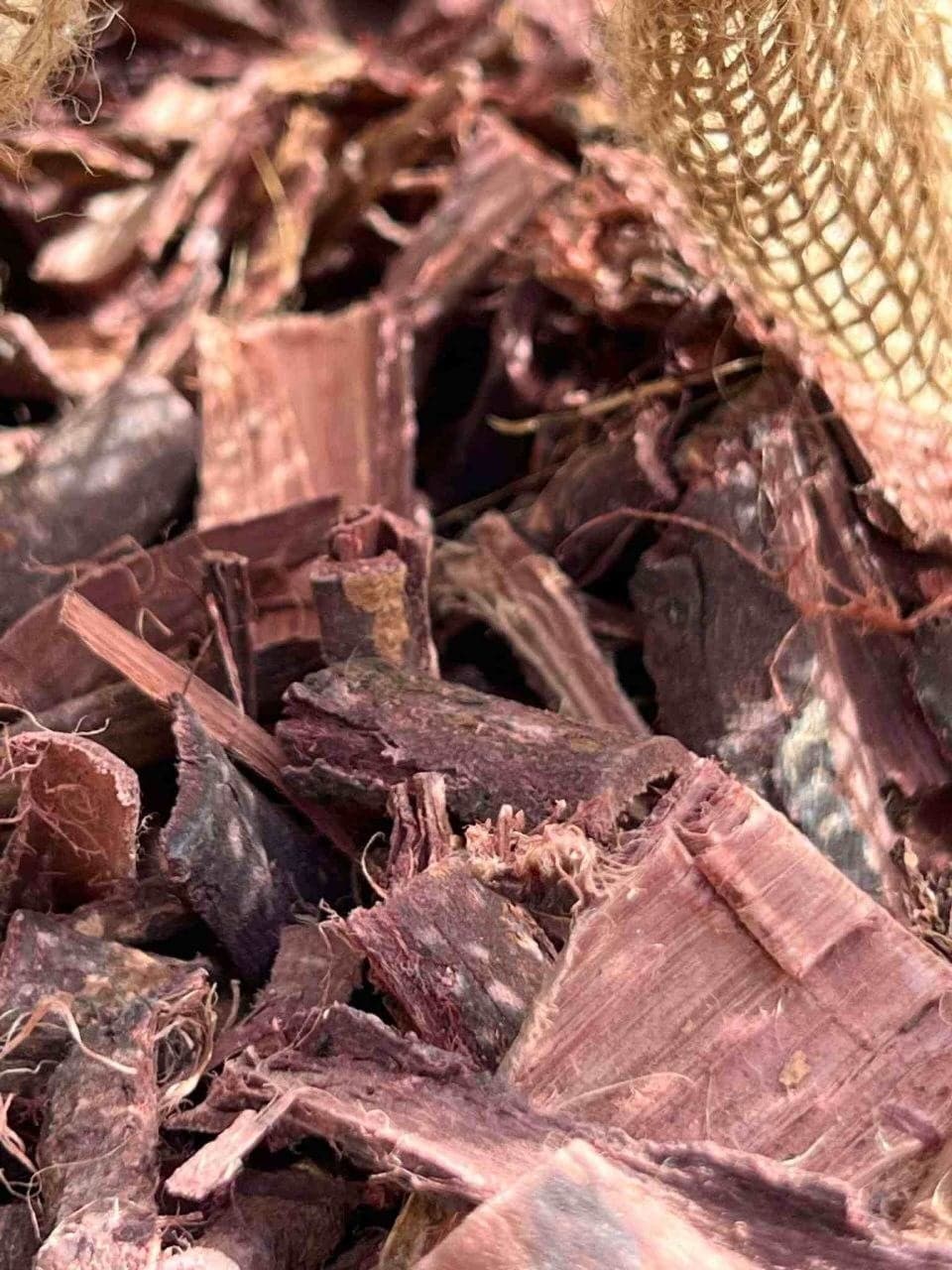
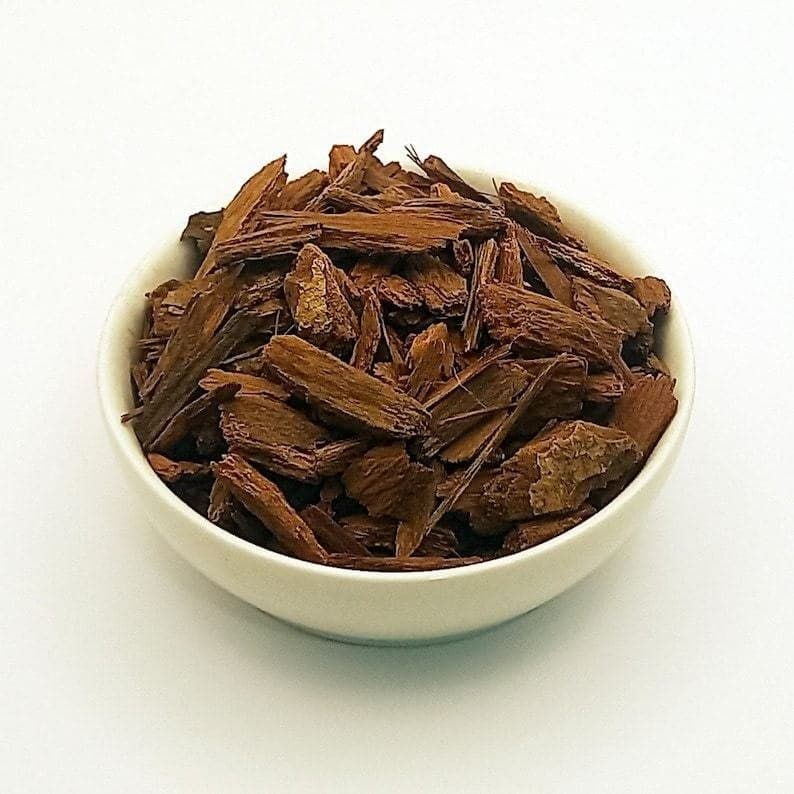
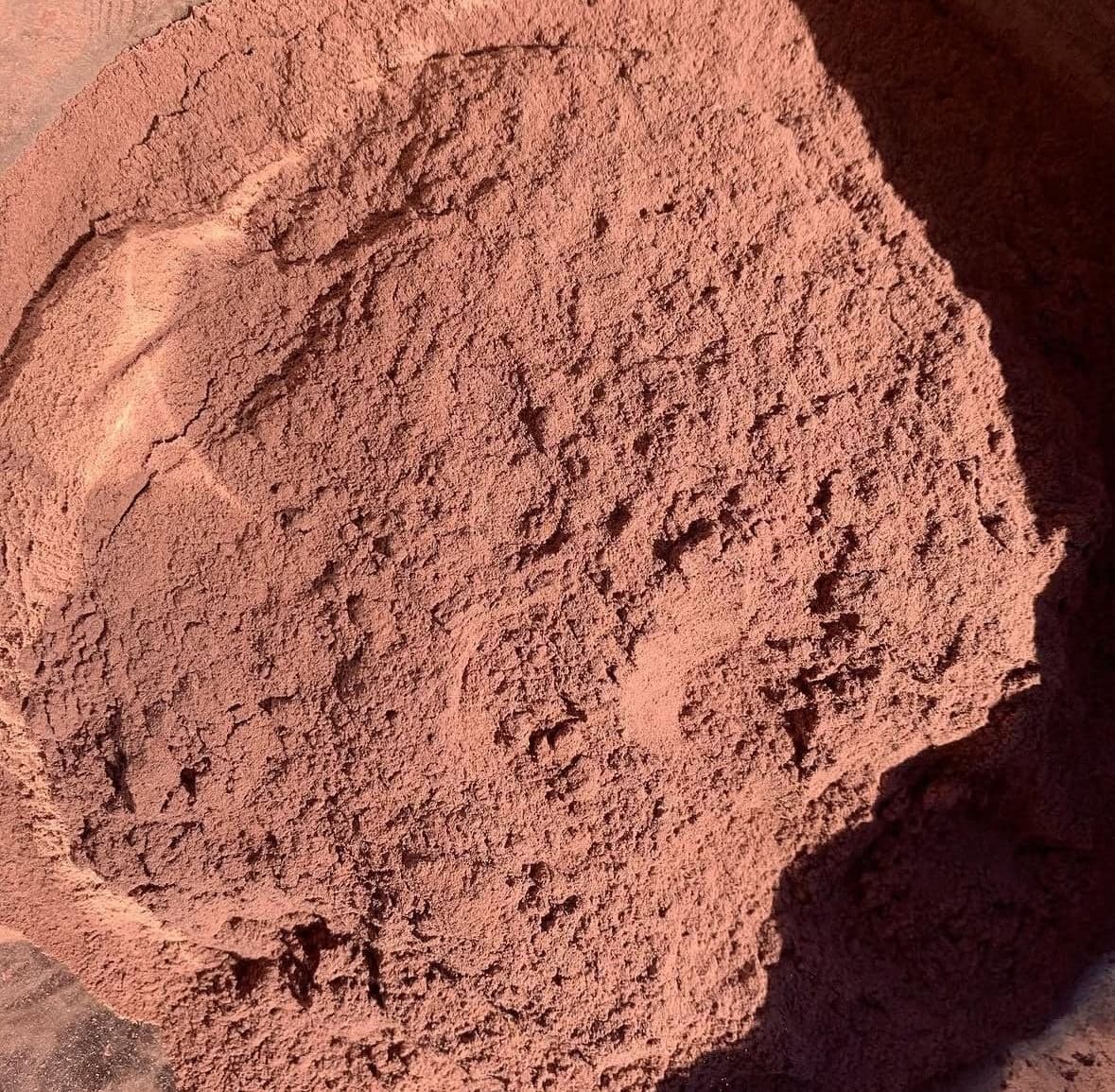
The bark itself comes as powder, shredded or stripped root; all three mordant identically because the mordant is on the fibre, not the bark.
Everything described here is raw botanical material sold for dyeing, soap making and craft work. It is not food, it is not a supplement, and it is not for human consumption. Nothing on this page is a recommendation to put any of it in or on a body.
Part of our guide: What Is Mimosa Hostilis Root Bark?
Weigh the fibre dry, then work every other quantity as a percentage of that weight. Fifty to eighty per cent of the fibre weight in bark is the everyday range for a full shade on wool. Thirty gives a tint, a hundred gives depth, and above about a hundred and twenty you are heating material that stays in the pot.
Vegetable-tanned leather takes bark colour well because it is already full of tannin. Chrome-tanned largely does not. Work in thin coats on clean, dry leather, let each dry fully, and condition afterwards. Test on an offcut from the same hide, because leather varies across a single skin.
Shredded bark is rarely spent after one bath. A second gives roughly half to two-thirds the depth, and a third gives a pale tint that is often the prettiest on silk. Powder gives almost everything on the first pass. Plan the order before you start, because you cannot climb back up the ladder.
Your cart is empty
Everything we sell is batch-tested, and we tell you what ships to your state before you add it.
Browse the shop