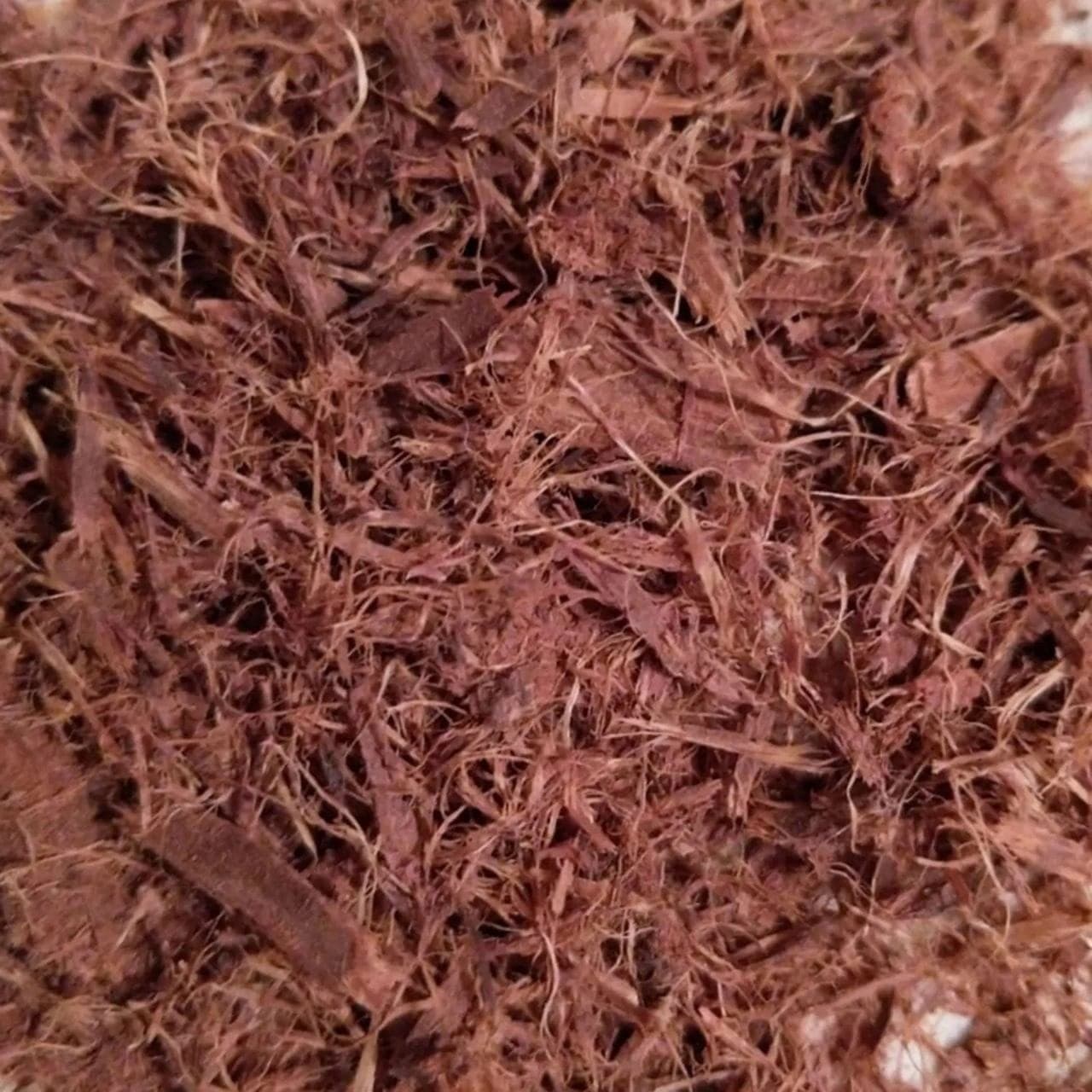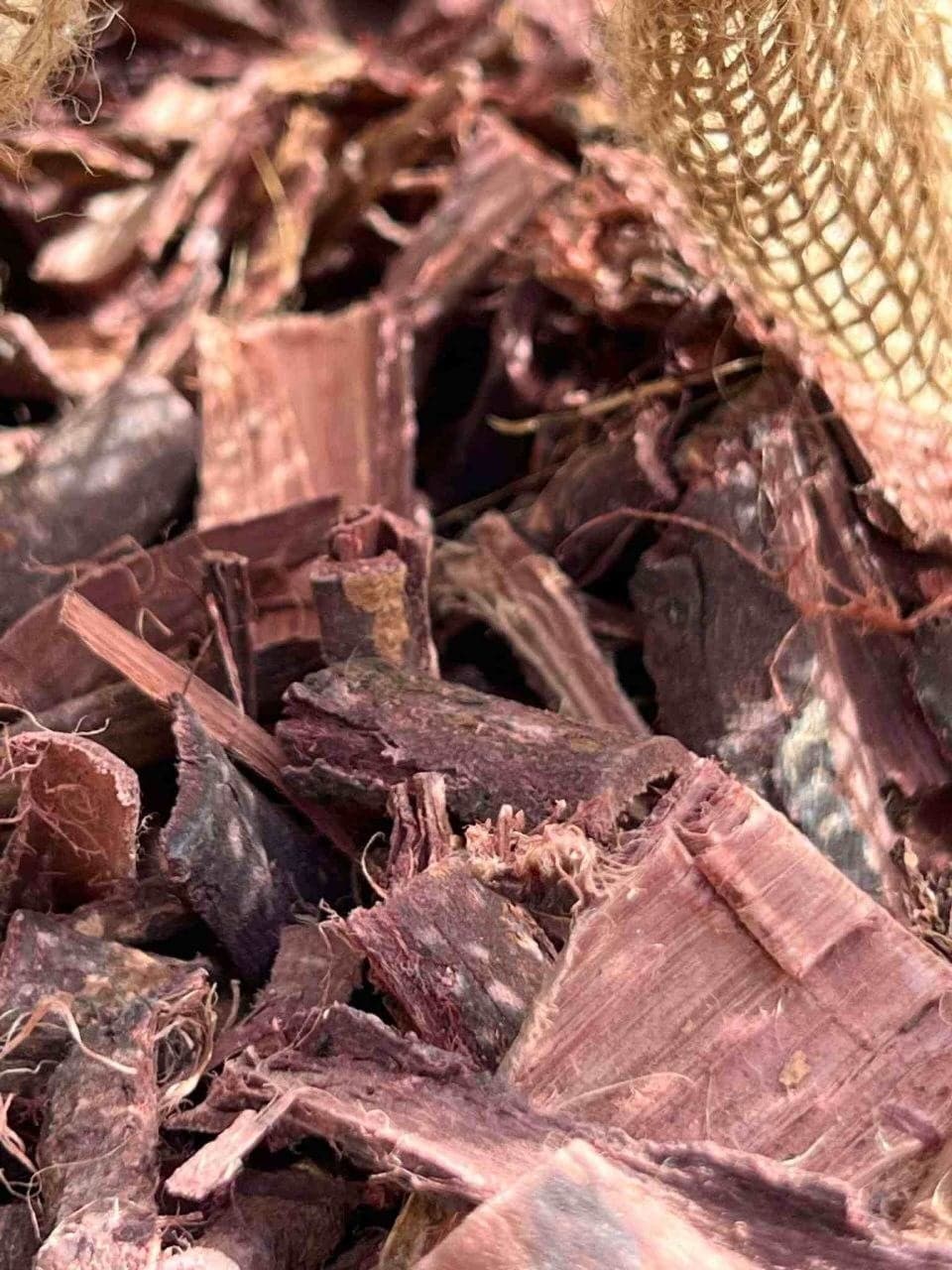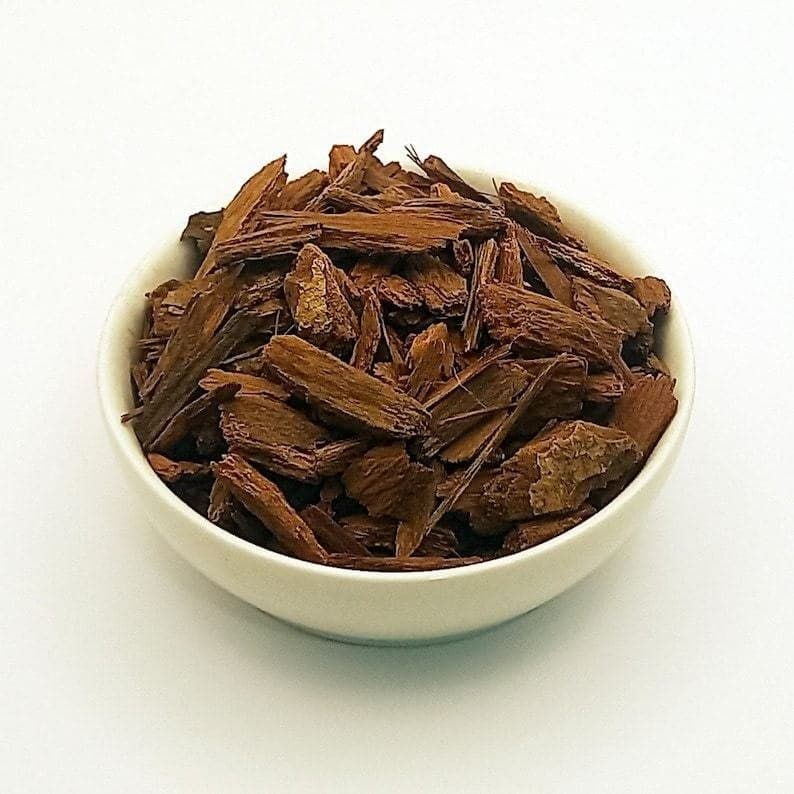
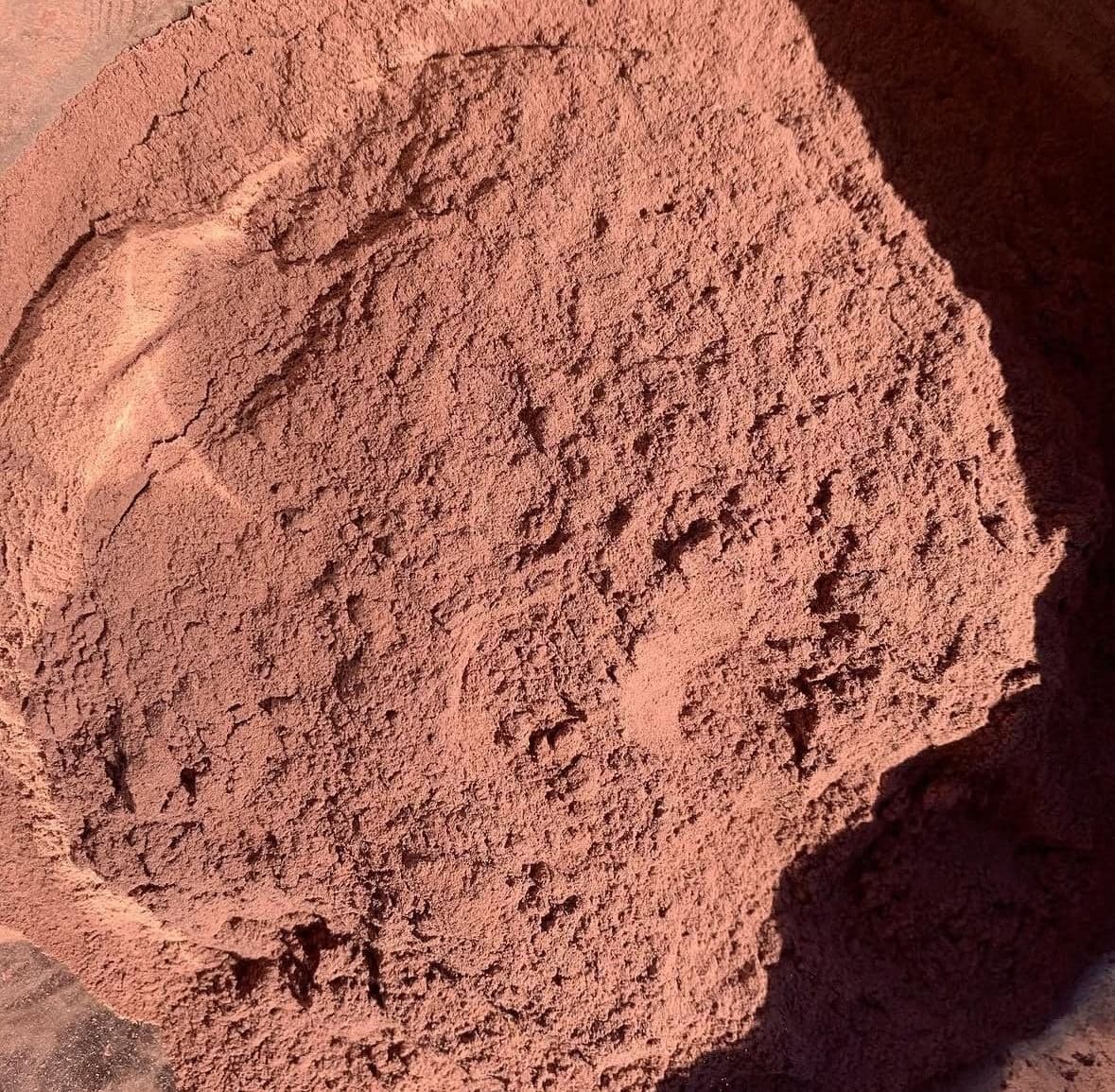
Powdered Mimosa Hostilis Root
Botanical use only
$37.501/4 lb
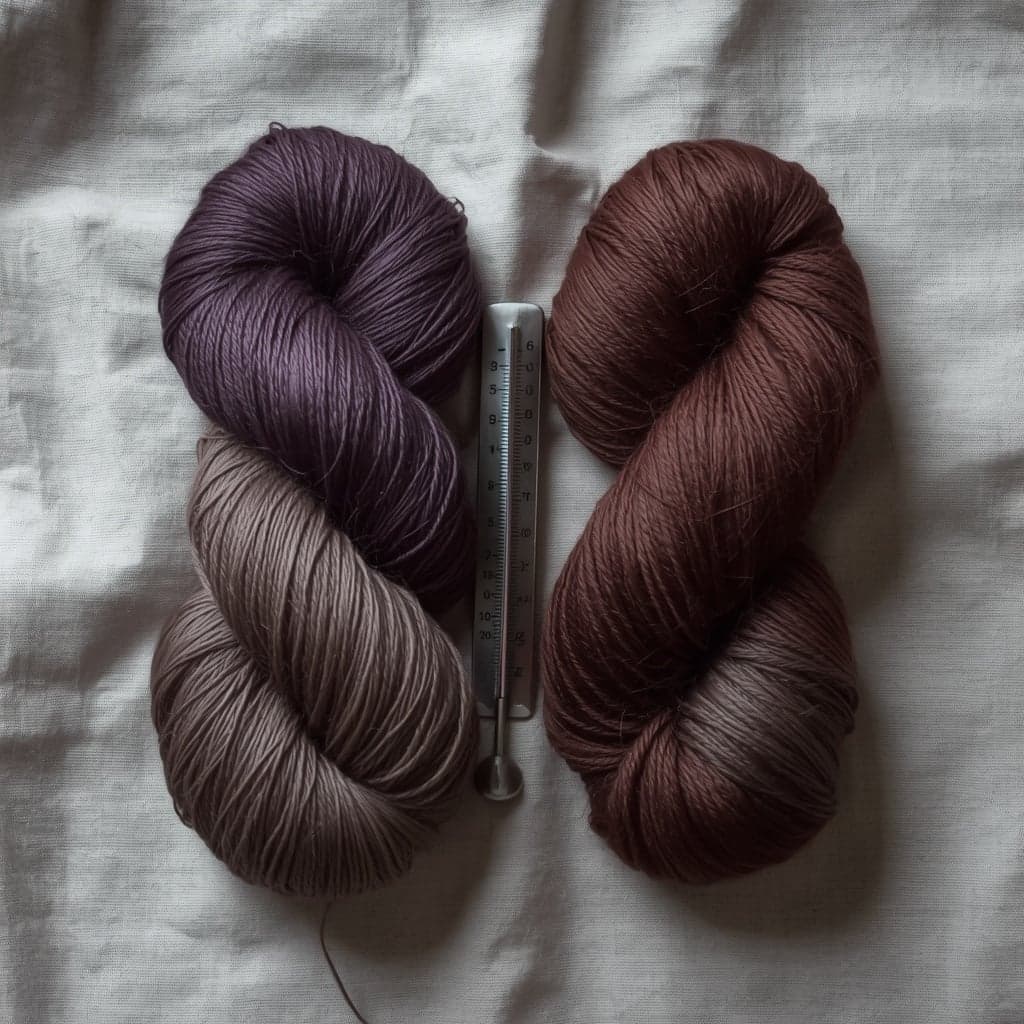
Purple comes from low heat, clean alum, a long cold soak and patience. Brown comes from boiling, and boiling is irreversible. Hold the bath at eighty degrees, strain the bark out before the fibre goes in, and let it cool overnight. If a skein has already browned, iron will take it somewhere good instead.
Editorial Team · Compliance and product research · Updated
This is the most common disappointment with tannin-rich bark, and it arrives the same way every time. The pot looked deep garnet. The wool came out the colour of weak coffee. Somebody concludes the bark was poor.
It almost never is. The cause is heat, and the good news is that heat is entirely under your control.
The compounds that read as purple and plum are the least tolerant of high temperature in the whole mixture. Take a bath to a rolling boil and they shift — permanently — towards flat brown. Cooling the pot afterwards does not bring them back, because the change is chemical rather than a matter of the colour being hidden.
The practical target is 80°C, or 175°F. That looks like the very first small bubbles forming at the base of the pot and nothing rising to the surface. If you have no thermometer, buy one before you buy more bark. It is much the cheaper of the two mistakes.
### 1. Scour properly
Uneven wetting reads as patchy brownish shading, which people then blame on the bark. Wash in hot water with a pH-neutral detergent, rinse, keep it wet.
### 2. Mordant with clean alum
Fully dissolved, at 10 to 15% of the dry fibre weight. Undissolved crystals give hard-edged pale patches. The detail is in mordanting wool with alum.
### 3. Cold soak the bark overnight
This is the step that separates good results from average ones. Colour comes out slowly at a temperature that cannot damage it, so by the time heat is involved much of the work is already done and the hot stage can be short and gentle. The comparison is worked through in cold soak or hot bath.
### 4. Strain the bark out completely
Before the fibre goes in. Particles resting against wool over-colour in spots, and fine powder is very hard to rinse back out of a dense yarn. A double layer of muslin, or a mesh bag holding the material from the start.
### 5. Go long, not hot
Forty-five minutes to an hour at temperature. Then turn the heat off entirely and leave the fibre in the cooling bath overnight. A great deal of the depth arrives during that slow cool, and it costs nothing but time.
Hard water pushes tannin colours duller and browner — calcium and magnesium react with tannins directly. If your results are consistently flatter than they should be and your temperature discipline is good, your water is the next suspect.
The test is cheap: run the same fibre, same bark, same temperature, one bath in tap water and one in collected rainwater or filtered water. The difference is often larger than any other single change you can make.
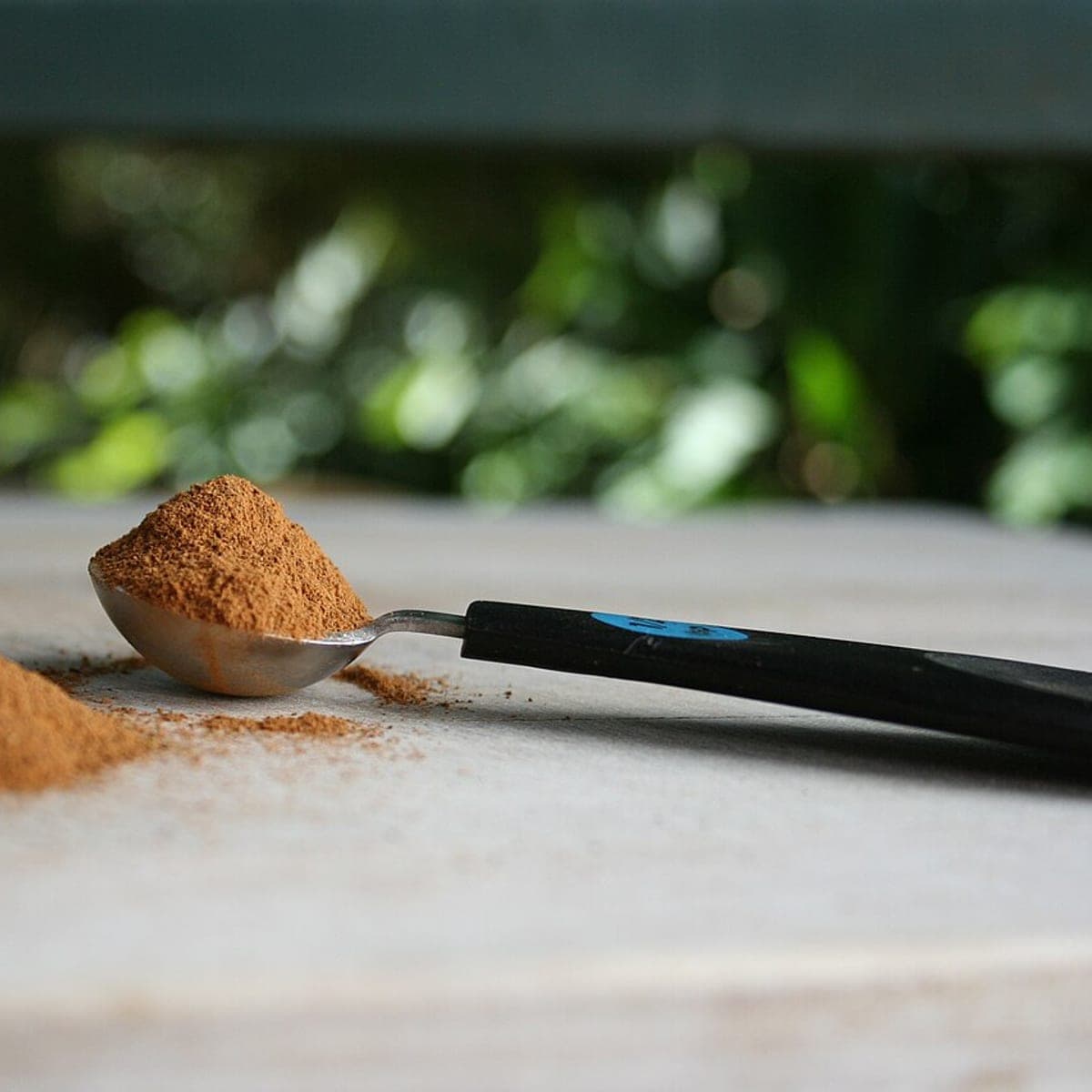
All three cuts will give purple. Shredded bark suits this best simply because it pushes you towards the long, low bath the colour wants, while powder tempts you to rush.
Quantity matters less than people assume. Seventy per cent of the fibre weight held at the right temperature beats a hundred and twenty per cent boiled, every time.
You cannot reverse it, and trying wastes the skein's remaining life. What you can do is stop fighting and take it somewhere deliberate.
A short dip in a weak iron bath will move a dull brown into a genuine slate or charcoal — a colour worth having rather than a failed purple. Keep the iron at one to two per cent of the fibre weight, use a separate pot, and lift it out before it looks as dark as you want, because it reads darker dry. The whole procedure is in the iron modifier.
Once you are reliably getting purple, pH becomes a tool rather than a hazard. A mildly alkaline after-bath warms the shade towards rust; a mildly acidic one cools and lightens it towards pink. Both are covered in pH as a colour control.
Do that after you have the base colour right. Trying to rescue a browned skein with pH produces a warmer brown, not a purple.
Bark varies between harvests, your water is not the water in any book, and ten minutes of testing has saved more sweaters than every technique on this page combined.
Dye a ten-gram sample of the same fibre from the same bath. Dry it fully — colour reads darker wet, and judging a wet sample is how people overshoot. Then decide.
Keep the sample afterwards with its notes and its batch code. Over a year those samples become a reference specific to your pot, your water and your hands, which is the only reference that actually predicts anything. The fastness tests work from the same habit.
Everything described here is raw botanical material sold for dyeing, soap making and craft work. It is not food, it is not a supplement, and it is not for human consumption. Nothing on this page is a recommendation to put any of it in or on a body.
Part of our guide: What Is Mimosa Hostilis Root Bark?
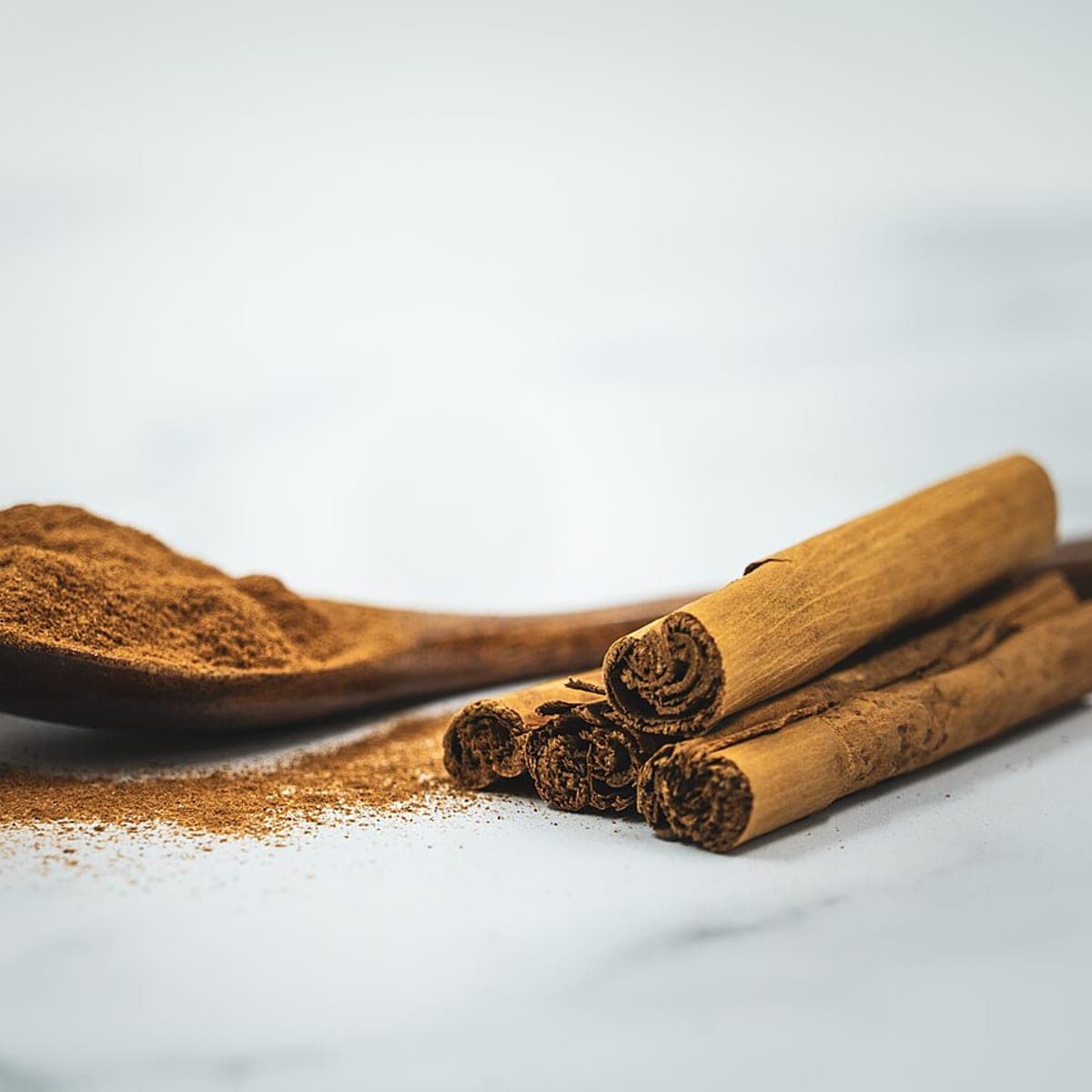
Weigh the fibre dry, then work every other quantity as a percentage of that weight. Fifty to eighty per cent of the fibre weight in bark is the everyday range for a full shade on wool. Thirty gives a tint, a hundred gives depth, and above about a hundred and twenty you are heating material that stays in the pot.
Vegetable-tanned leather takes bark colour well because it is already full of tannin. Chrome-tanned largely does not. Work in thin coats on clean, dry leather, let each dry fully, and condition afterwards. Test on an offcut from the same hide, because leather varies across a single skin.
Shredded bark is rarely spent after one bath. A second gives roughly half to two-thirds the depth, and a third gives a pale tint that is often the prettiest on silk. Powder gives almost everything on the first pass. Plan the order before you start, because you cannot climb back up the ladder.
Your cart is empty
Everything we sell is batch-tested, and we tell you what ships to your state before you add it.
Browse the shop