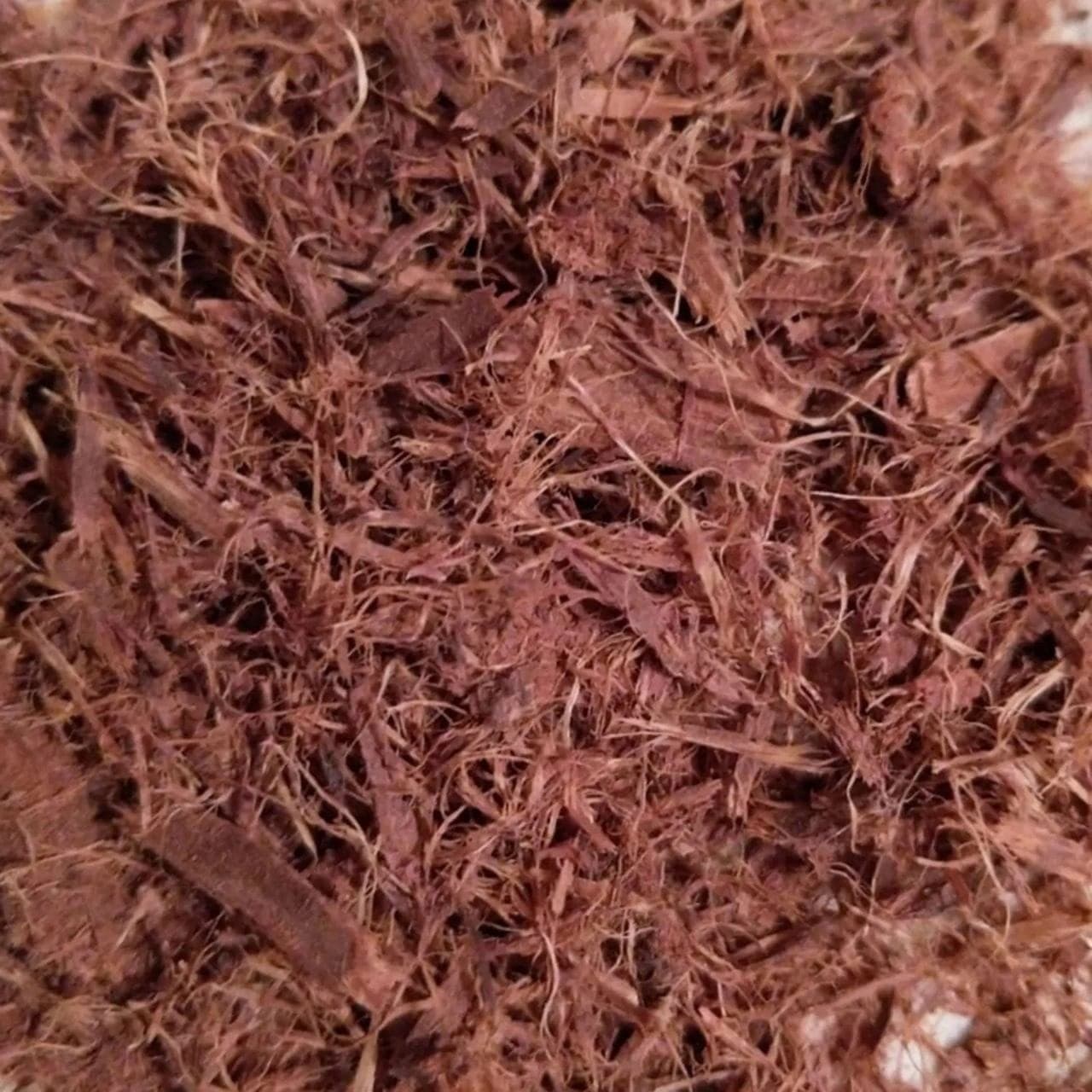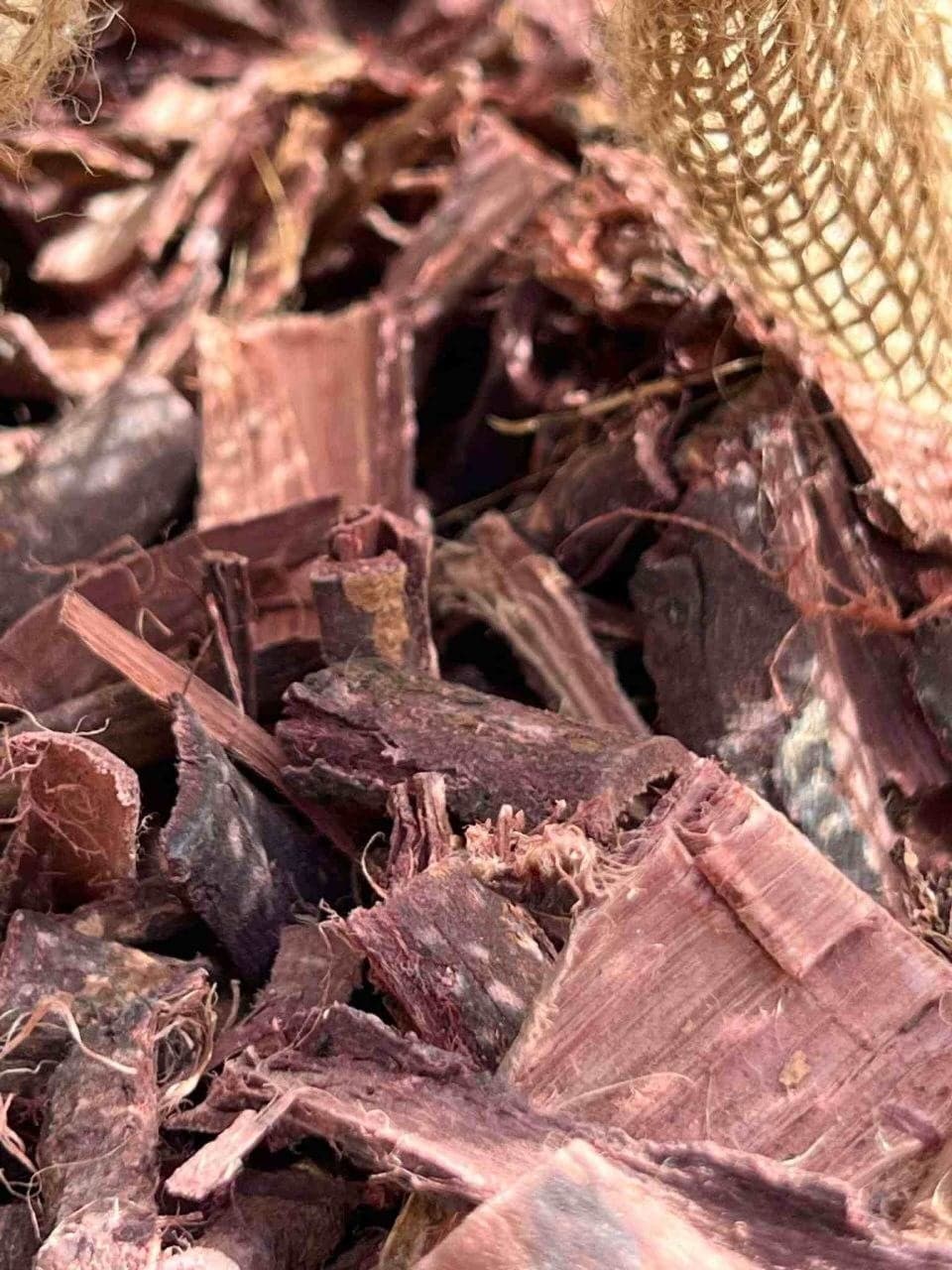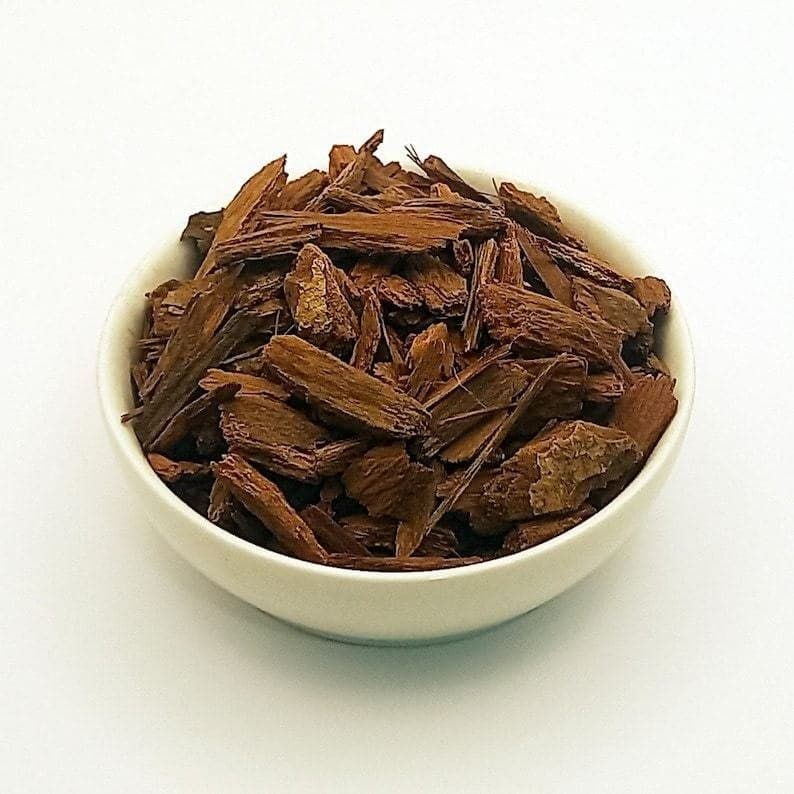
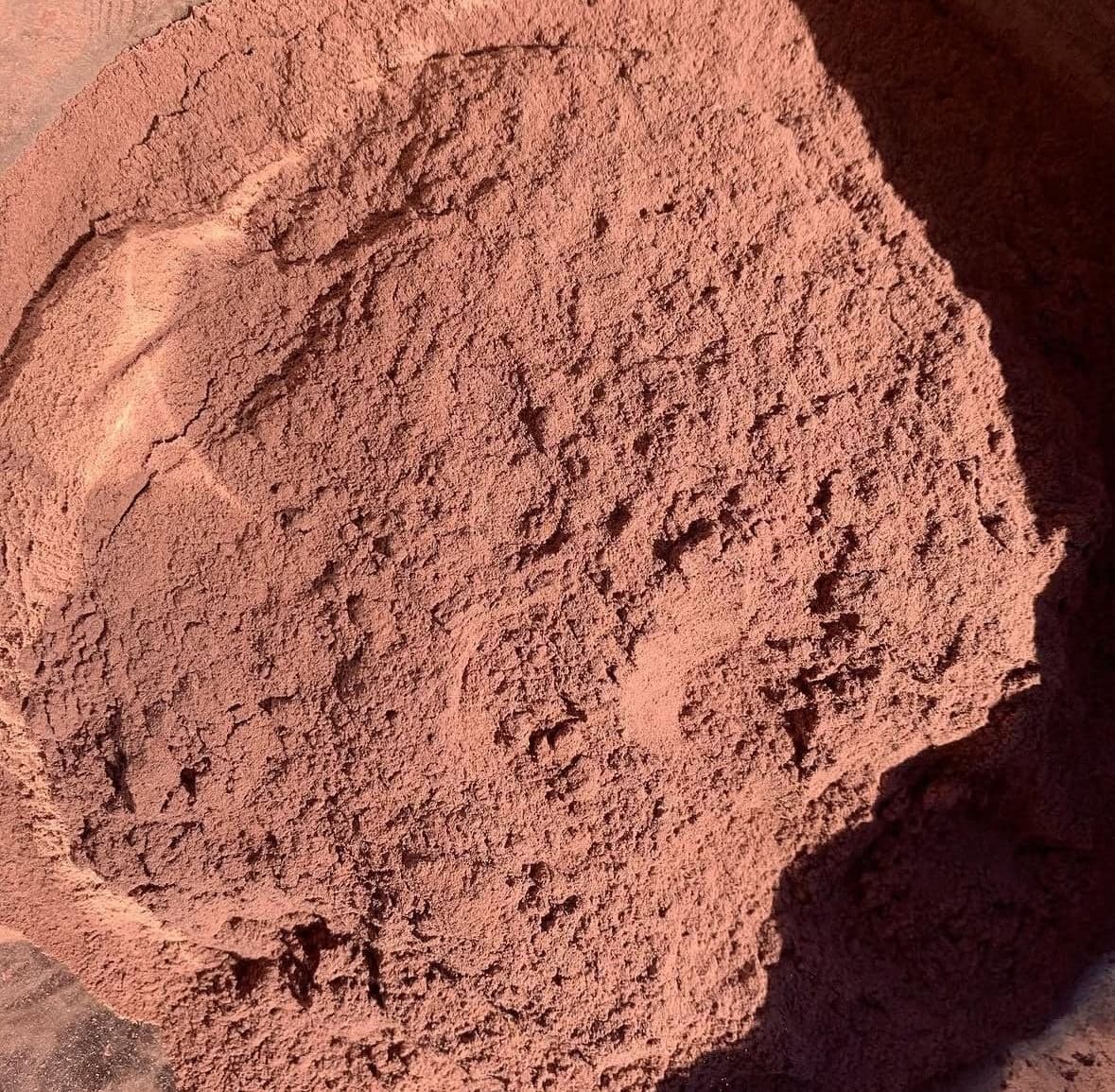
Powdered Mimosa Hostilis Root
Botanical use only
$37.501/4 lb
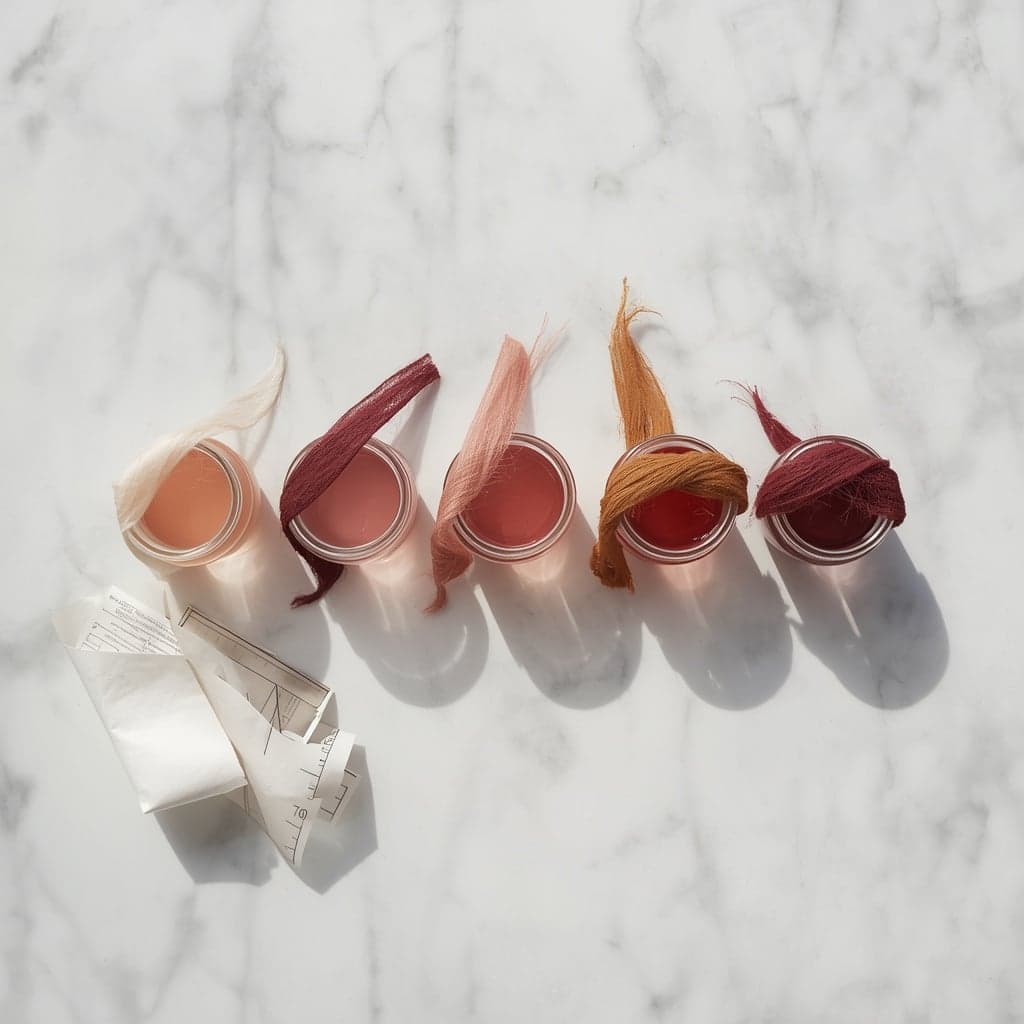
A mildly alkaline after-bath pushes a bark shade warmer and redder. A mildly acidic one lightens and cools it towards pink. Small quantities move the colour a long way, so work in tiny additions and judge on a dried sample. Wool has real limits with alkali, and rinsing afterwards is not optional.
Editorial Team · Compliance and product research · Updated
Once a piece is out of the dye bath, pH is the fastest way to move its colour without starting over. It is also the fastest way to ruin a skein, because the change happens in minutes and some of it does not come back.
Treated as a deliberate step with samples and notes, it roughly doubles the palette available from one bag of bark. Treated as a rescue attempt on a piece that went wrong, it usually makes things worse.
Both are after-baths run in a separate pot once the fibre has left the dye and been rinsed. Neither is a fixative, neither replaces a mordant, and neither will deepen a shade that was pale to begin with.
A quarter teaspoon of soda ash in several litres of water is a real, visible change. People reading that for the first time generally add a tablespoon, and then wonder why a plum skein has gone orange.
Start below what you think you need. Dip a test strip of the same fibre, lift it, squeeze it, and dry it before judging. Everything reads darker and richer wet, and judging wet is the reason most people overshoot.
Protein fibres do not tolerate alkali well. Wool held in a strongly alkaline bath goes harsh, loses its elasticity, and in bad cases begins to break down at the fibre level. None of that recovers.
So on wool: weak solution, a few minutes, gently warm rather than hot, then rinse thoroughly. Silk is slightly more forgiving and not much. Cotton and linen take alkali far better and can be pushed considerably harder, which is one of the few places cellulose has the advantage.
Acid is gentler on wool — mildly acidic conditions are close to where wool is happiest — but strong acid will still damage it, and vinegar is not a licence to be careless.
Residual soda or acid left in a fibre continues to act slowly. A piece that looked right on the drying rack can read noticeably different a month later, and the owner has no idea why.
Rinse until the water runs clear and the fibre has no slip or squeak to it. Then wash once with a pH-neutral detergent and rinse again. This is ten minutes that protects everything before it.
The single most useful thing you can make here is a reference card, and it takes one afternoon.
Take one length of mordanted fibre, dye it in a single bath, and cut it into six. Leave one untreated as the control. Take the others to different pH — weak acid, stronger acid, weak alkali, stronger alkali, and one taken to alkali and then back. Dry them all fully, pin them to card, and label each with exactly what it met.
That card is worth more than any published chart, because it was made with your water, your bark, your fibre and your hands. Charts in books were made with none of those.
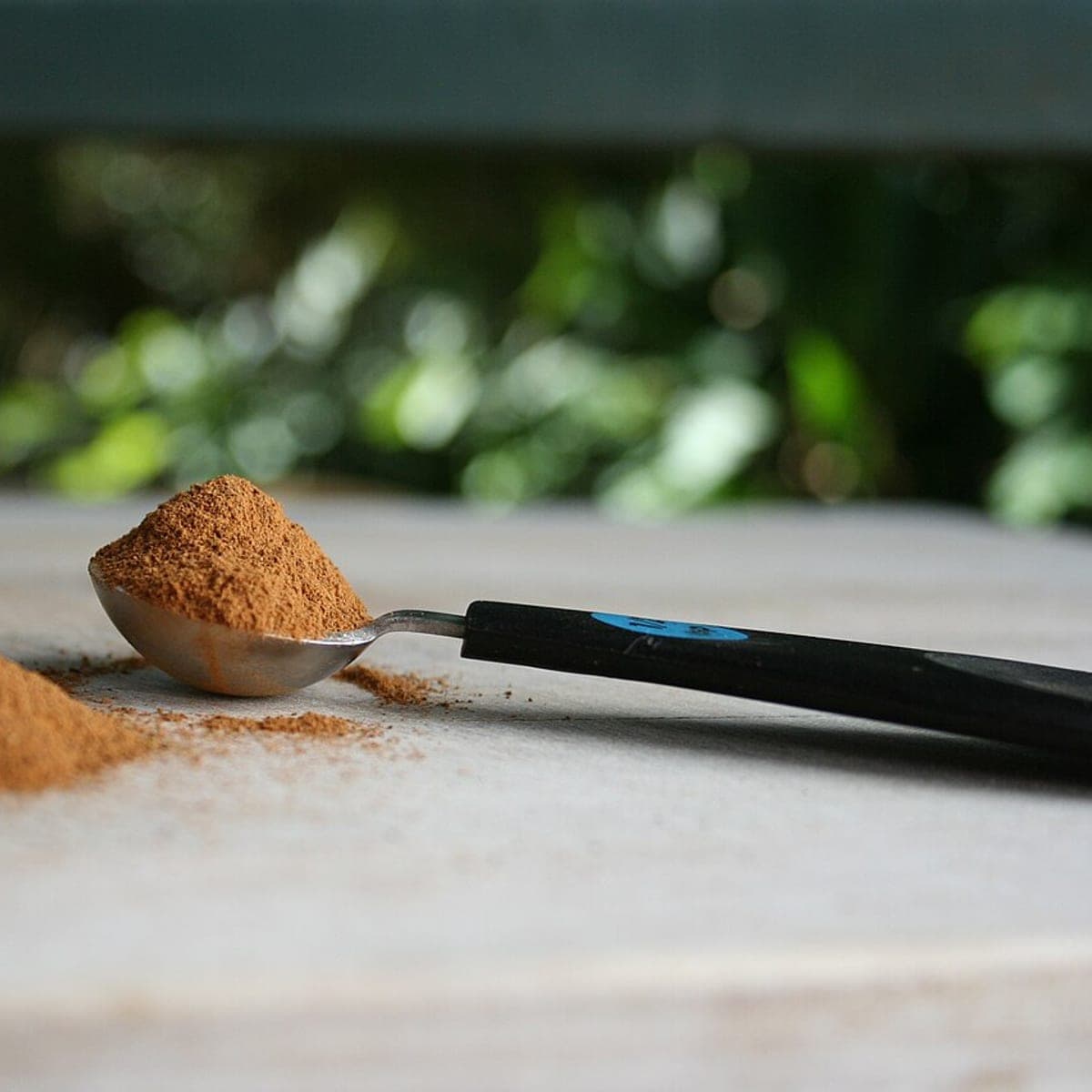
You can also shift the bath rather than the fibre, and the effect is broadly similar in direction. It is harder to control, because you are changing conditions for everything in the pot at once, and it interacts with temperature — and temperature is already doing the most important work.
The usual advice holds: get a clean, reliable base colour first, with the bath left alone. Modify afterwards, where you can dip a sample, look at it, and stop.
If you intend to use an iron modifier as well, do pH first and iron last. Iron darkens and greys dramatically, and it will flatten a subtle pH shift you spent an afternoon getting right.
Doing both on one piece is entirely reasonable. Doing both at once, in one pot, is not.
The direction of travel is the same across the range, but the starting colour differs, so the same shift lands somewhere different. A bath from Powdered Mimosa Hostilis Root and one from Mimosa roots Stripped are not identical to begin with, and Sassafras Root Bark is a different species altogether.
This is another argument for the strip set: make one per material you actually use, rather than assuming a chart covers all of them.
Fibre, dye bath, modifier and quantity, water volume, time, temperature, and the batch code from the bag. A pH result you cannot reproduce is a pretty accident, and accidents do not fill a repeat order.
The same notes make the fastness tests meaningful — some pH-shifted colours behave differently in light than the unmodified shade, and you only learn that by testing the actual thing you made.
Everything described here is raw botanical material sold for dyeing, soap making and craft work. It is not food, it is not a supplement, and it is not for human consumption. Nothing on this page is a recommendation to put any of it in or on a body.
Part of our guide: What Is Mimosa Hostilis Root Bark?
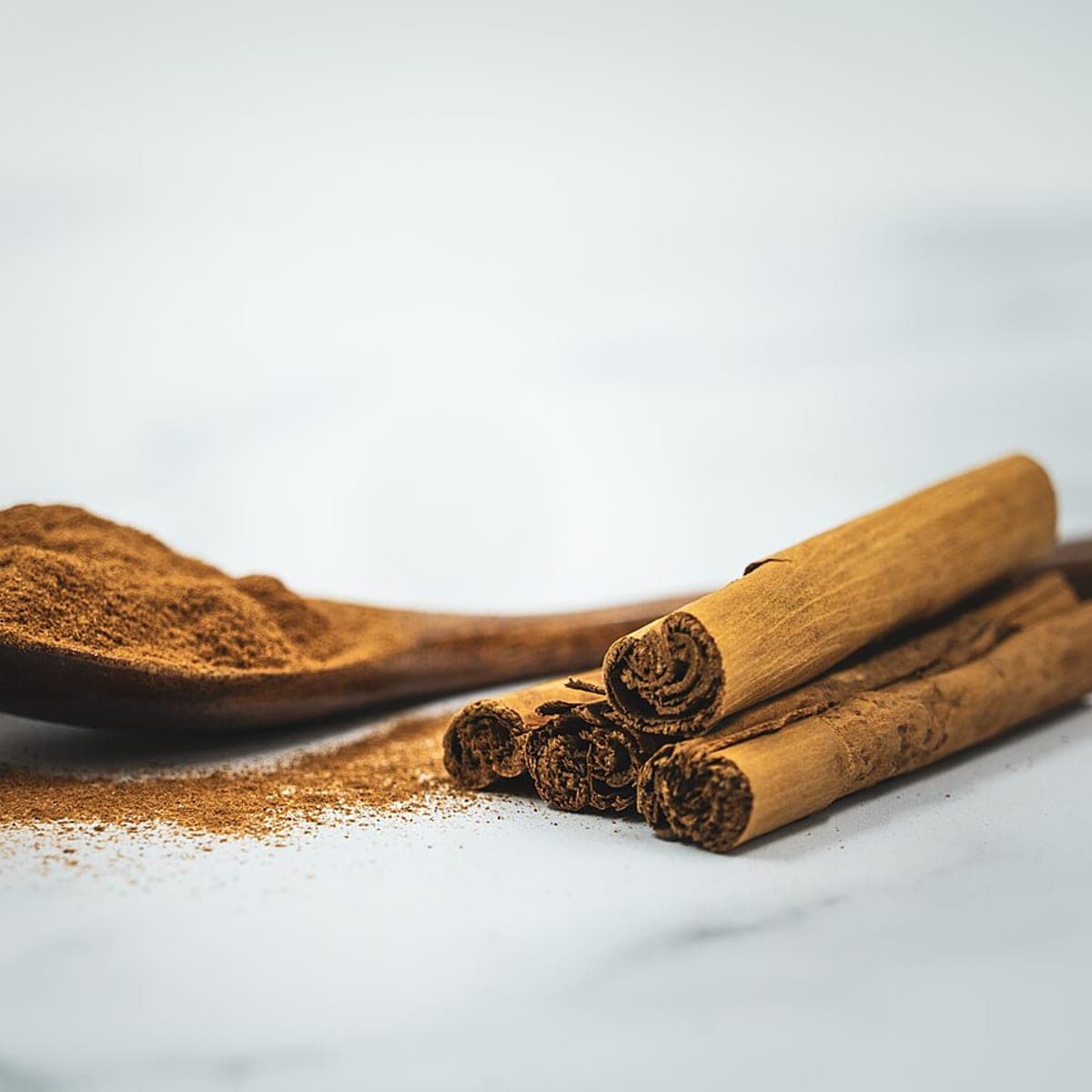
Weigh the fibre dry, then work every other quantity as a percentage of that weight. Fifty to eighty per cent of the fibre weight in bark is the everyday range for a full shade on wool. Thirty gives a tint, a hundred gives depth, and above about a hundred and twenty you are heating material that stays in the pot.
Vegetable-tanned leather takes bark colour well because it is already full of tannin. Chrome-tanned largely does not. Work in thin coats on clean, dry leather, let each dry fully, and condition afterwards. Test on an offcut from the same hide, because leather varies across a single skin.
Shredded bark is rarely spent after one bath. A second gives roughly half to two-thirds the depth, and a third gives a pale tint that is often the prettiest on silk. Powder gives almost everything on the first pass. Plan the order before you start, because you cannot climb back up the ladder.
Your cart is empty
Everything we sell is batch-tested, and we tell you what ships to your state before you add it.
Browse the shop