Powdered Mimosa Hostilis Root
Botanical use only
$37.501/4 lb
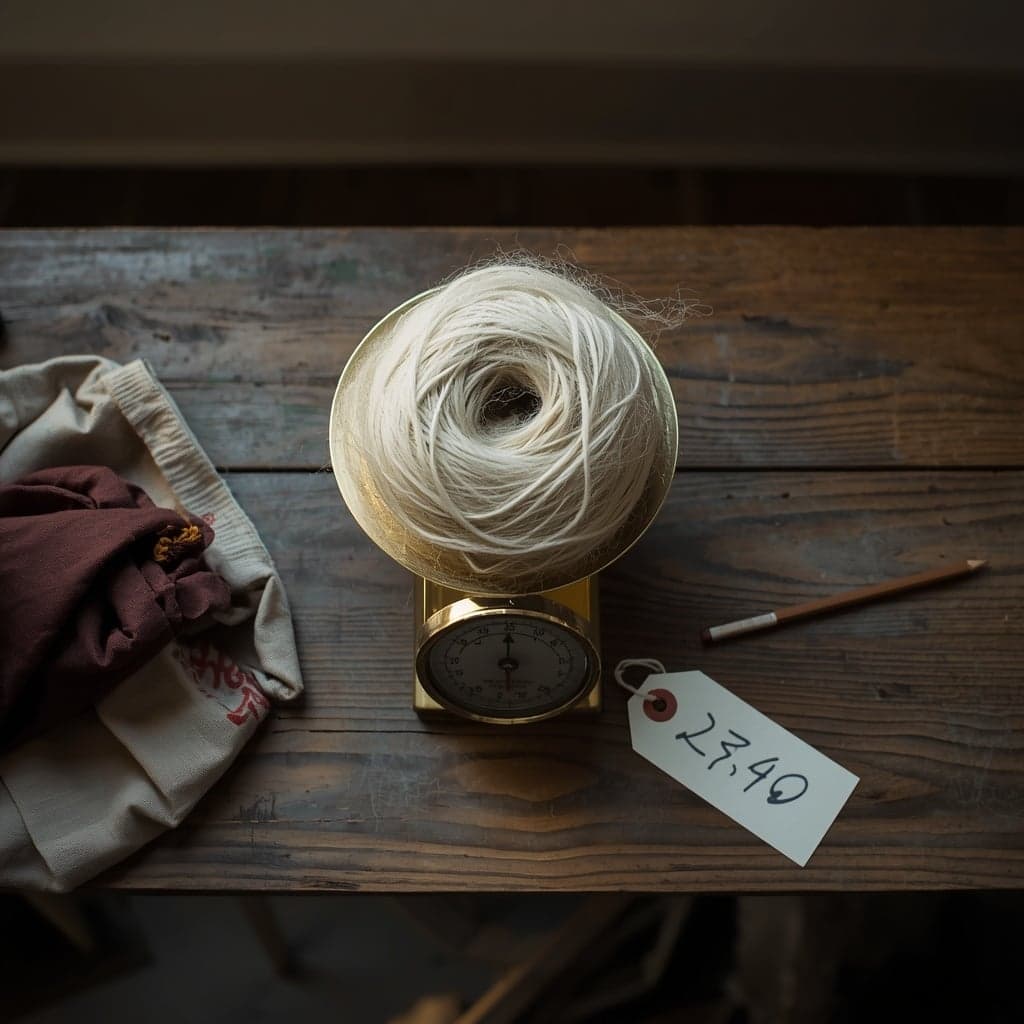
Weigh the fibre dry, then work every other quantity as a percentage of that weight. Fifty to eighty per cent of the fibre weight in bark is the everyday range for a full shade on wool. Thirty gives a tint, a hundred gives depth, and above about a hundred and twenty you are heating material that stays in the pot.
Editorial Team · Compliance and product research · Updated
Two dyers working from "a good handful of bark" will never match each other, and neither will the same dyer twice. Two dyers working at eighty per cent of the fibre weight, on scoured wool, mordanted with alum at twelve per cent, held at eighty degrees for an hour, will come close enough that the difference is water and harvest.
That is the whole argument for percentages. They are not bookkeeping. They are the only thing that makes a colour a result rather than an accident.
Everything in natural dyeing is expressed as a percentage of the dry weight of the fibre — written WOF in most books and forum posts. The bark is a percentage of it. The alum is a percentage of it. The iron, if you use any, is a percentage of it.
Weigh before you wet anything. Wool holds a startling amount of water: a skein that reads a hundred grams dry can read a hundred and forty damp, and if you calculate from the damp figure every quantity downstream is wrong by the same forty per cent. Write the dry number on a tag and tie it to the skein.
In plain terms: for a hundred grams of dry wool, fifty to eighty grams of bark. For a pound of wool, roughly half to three-quarters of a pound. A pound of Mimosa Tree Bark covers a sweater's worth of yarn with material left for a second bath.
Cotton, linen, hemp and viscose have far fewer sites for colour to bond to than wool does, which is covered properly in protein and cellulose fibres. Two things follow.
First, plan at the top of the range rather than the middle — eighty to a hundred per cent rather than fifty. Second, accept that the result will be softer and pinker than the same bath gives on wool, and that three shorter baths with a dry-out between them build more depth than one long one.
Increasing the bark alone will not turn cotton into wool. The mordant system is doing most of the work there, not the quantity.
A persistent early belief is that more water means weaker colour. Within any sane range it does not. The fibre takes up what it can hold from the bath; the volume of water that colour is dissolved in changes how long the pot takes to heat, not how dark the skein ends up.
What water volume does affect is evenness. Fibre packed tightly cannot move, the bath cannot circulate through it, and creases come out as pale lines. Use enough water that everything floats and can be turned gently — and no more, because you have to heat all of it and hold it steady.
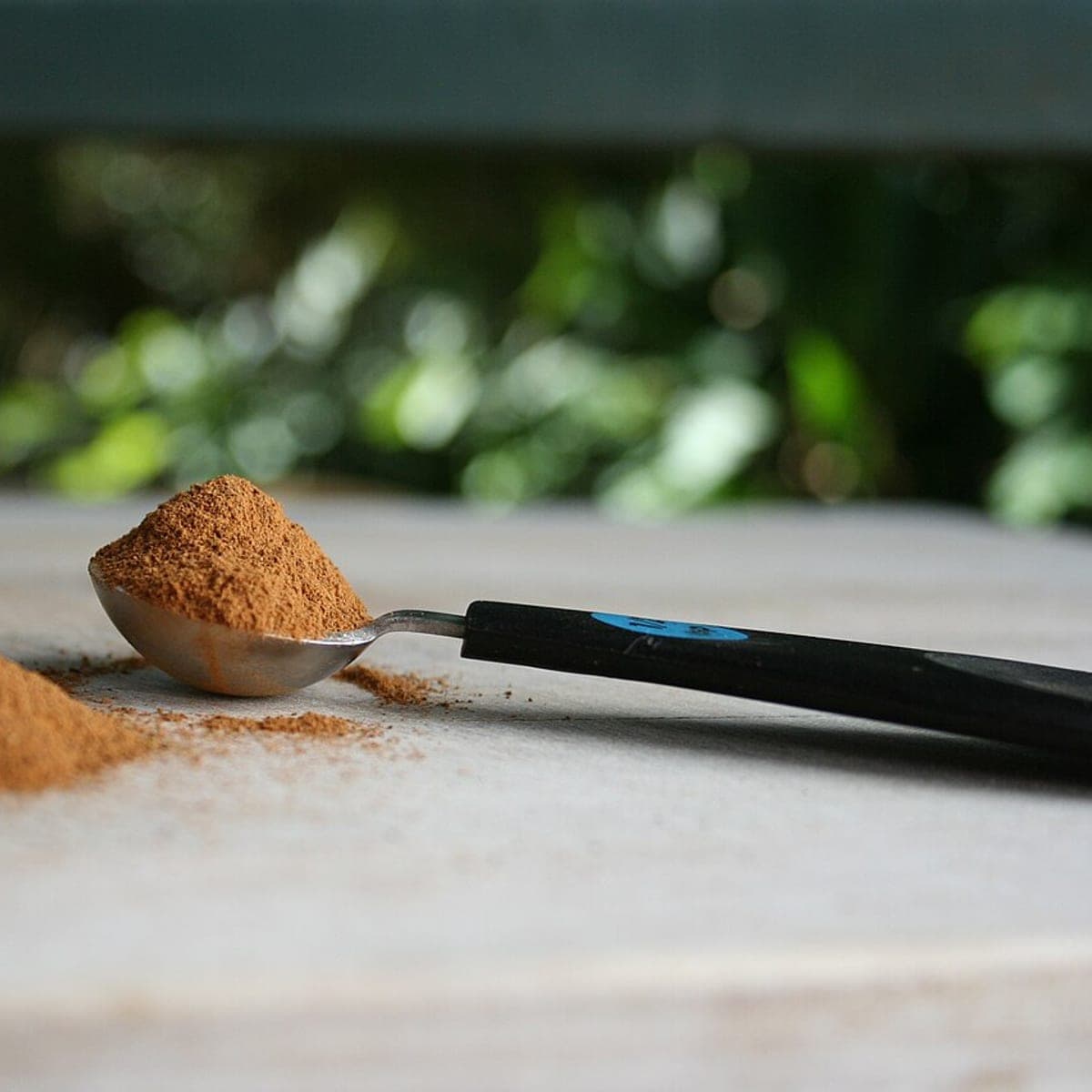
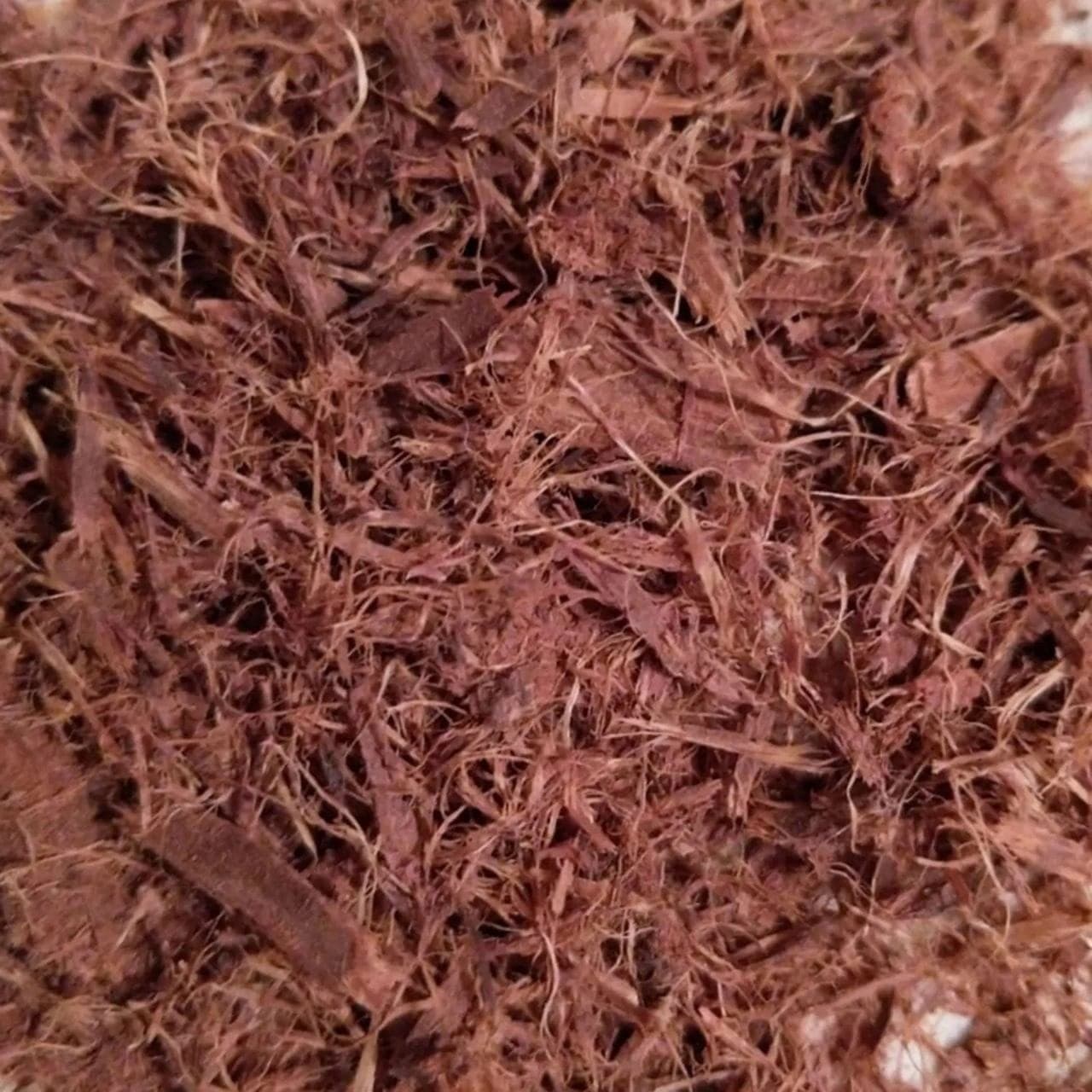
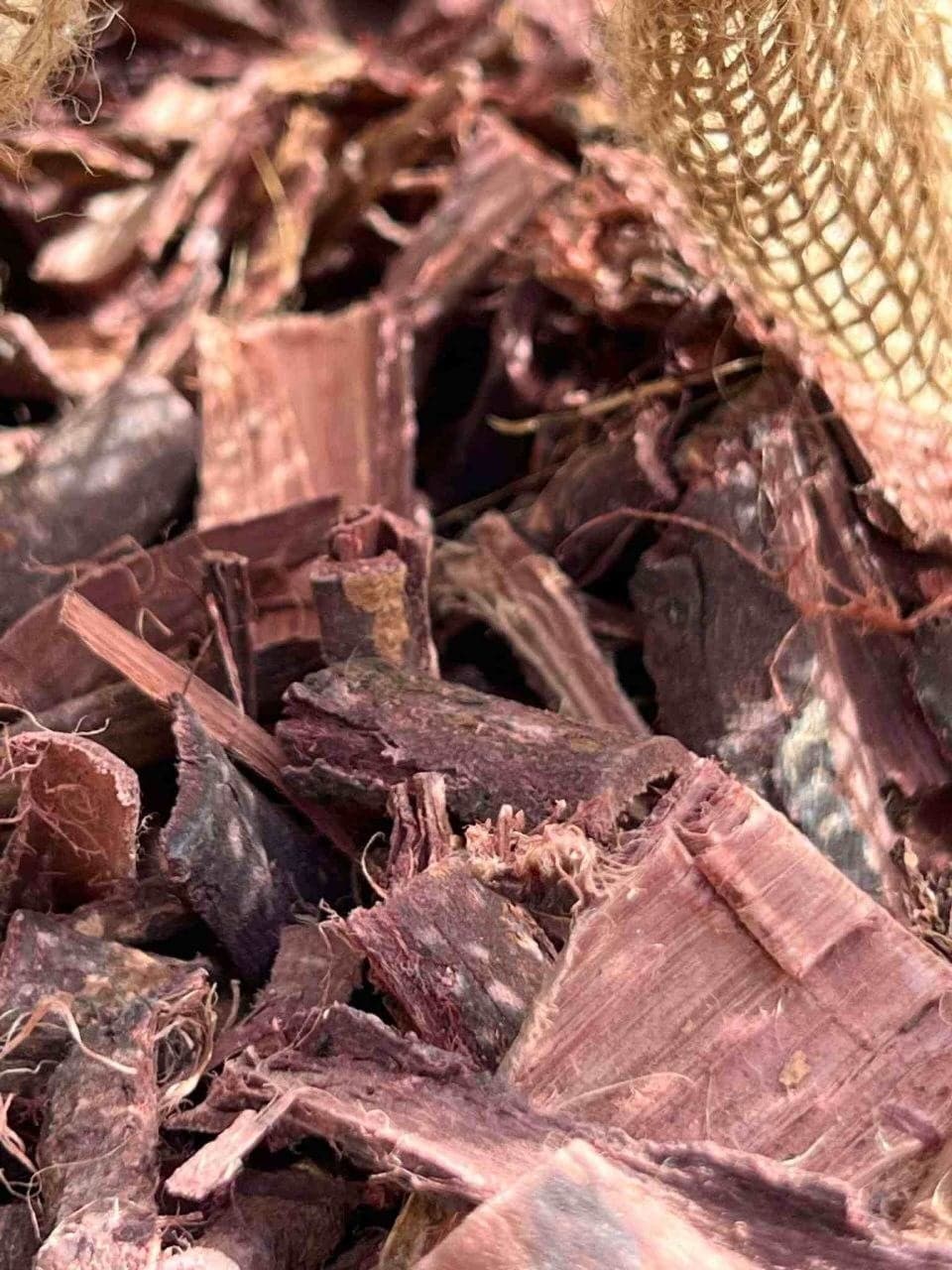
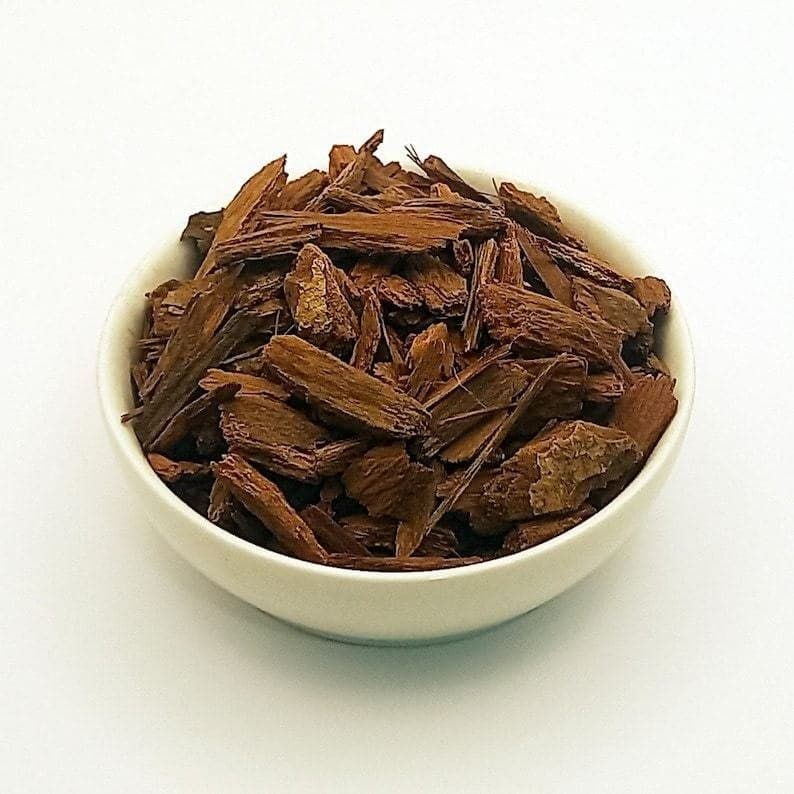
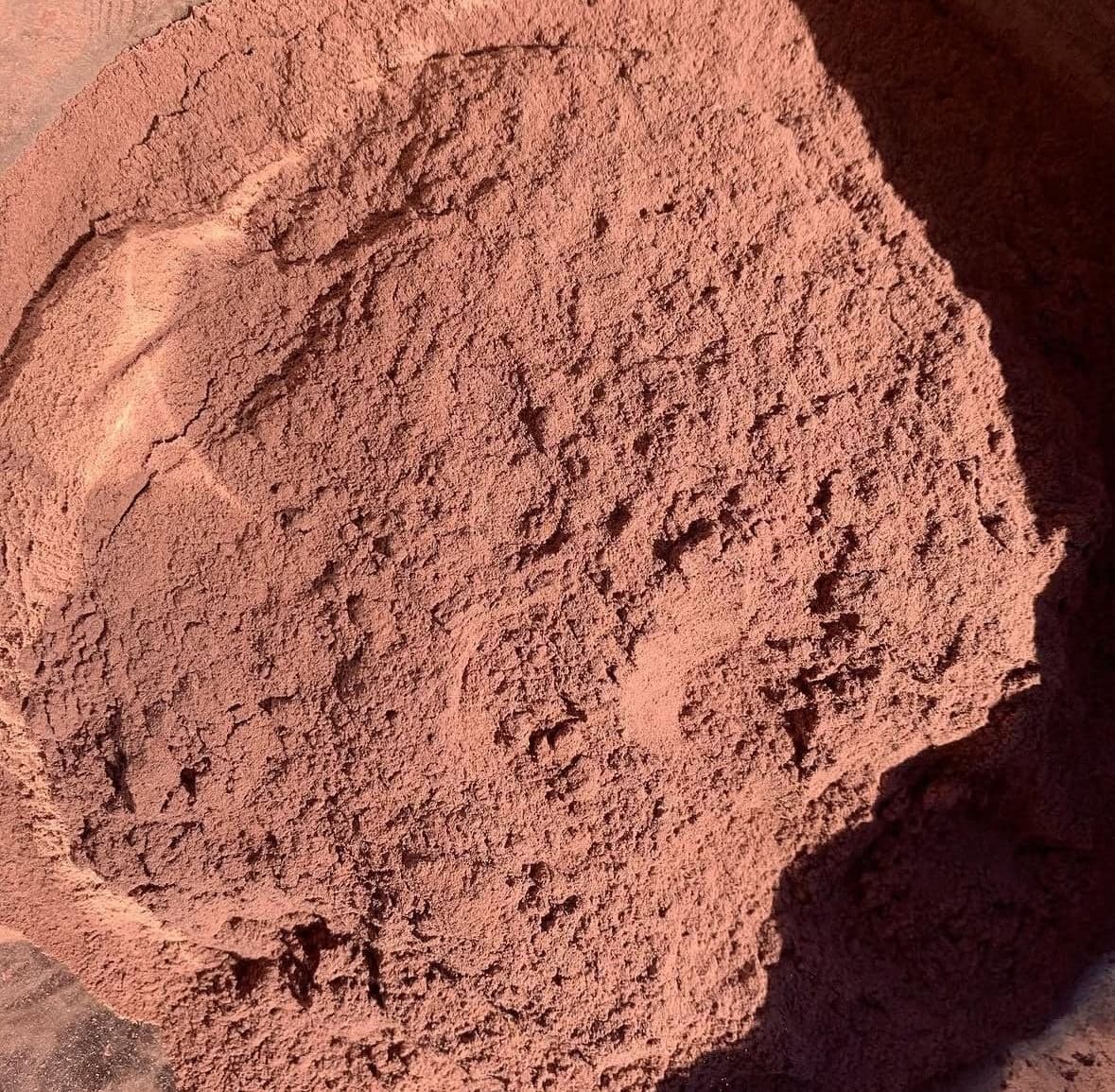
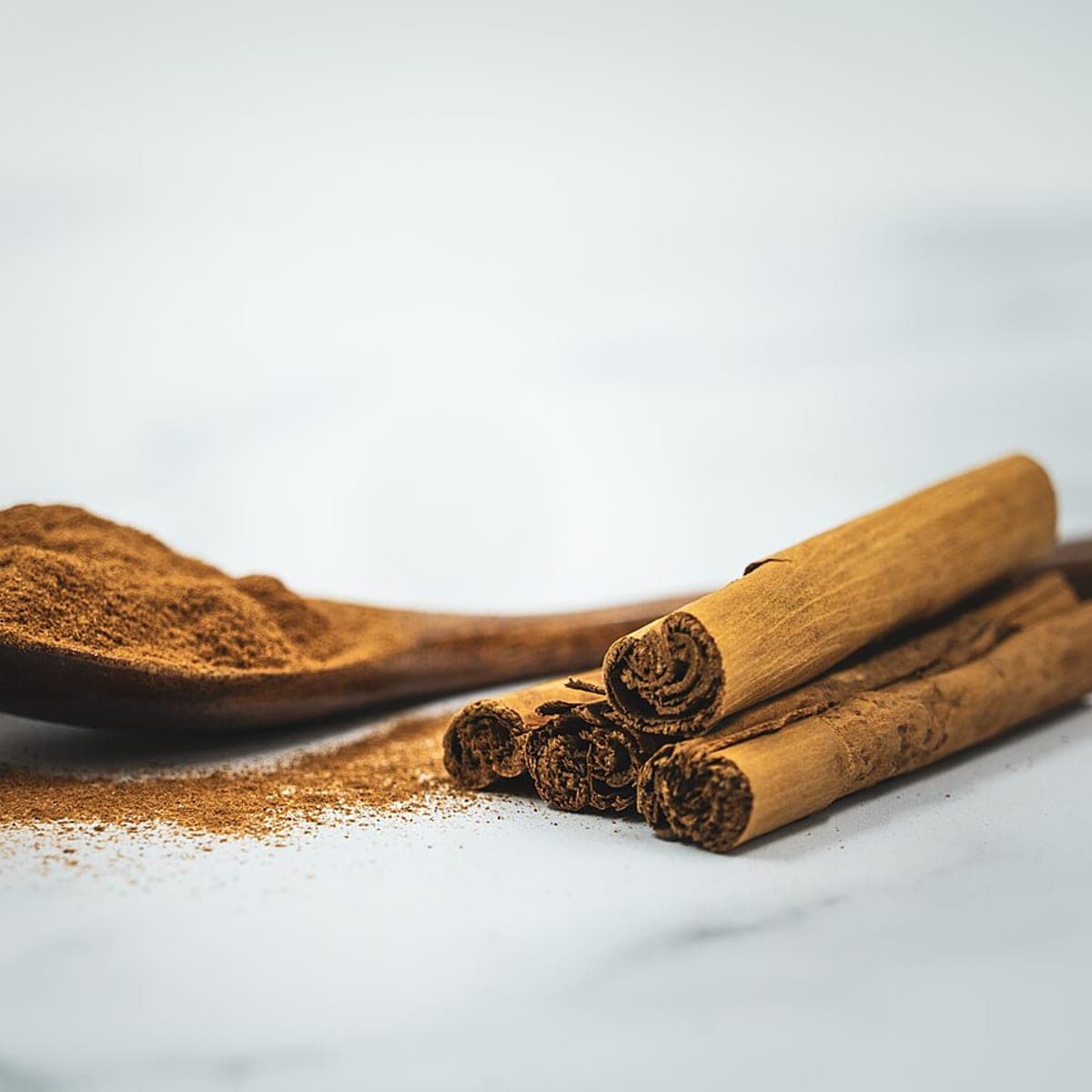
Powder, shredded and stripped are weighed the same way and used at the same percentages. What differs is how long the colour takes to come out and how much filtering you do afterwards, which is the subject of powder, shredded or stripped.
One real caveat: if you are working from Mimosa roots Stripped and have not broken it down finely, give it a longer cold soak before heat or you will be under the effective ratio without knowing it.
If a project needs to match across pieces — sleeves against a body, a set of skeins sold together — buy enough from one batch to finish it. Bark varies between harvests, and topping up mid-project from a new bag is the most reliable way to produce a sleeve that does not match.
The batch code is on the bag. There is more on sizing and single-batch fulfilment in buying dye material in bulk, and larger volumes are quoted on the wholesale page.
Six lines is enough: fibre and dry weight; mordant and percentage; bark form and percentage; temperature and time; water source; batch code.
The first time you want to reproduce a colour from six months ago, those six lines are the difference between doing it and starting again. They are also what turns a failure into information — a skein that came out brown tells you nothing on its own, and tells you a great deal next to a note saying the pot reached a boil.
The same record is what lets you use the fastness tests meaningfully, because a faded sample is only useful if you know what made it.
Everything described here is raw botanical material sold for dyeing, soap making and craft work. It is not food, it is not a supplement, and it is not for human consumption. Nothing on this page is a recommendation to put any of it in or on a body.
Part of our guide: What Is Mimosa Hostilis Root Bark?
Vegetable-tanned leather takes bark colour well because it is already full of tannin. Chrome-tanned largely does not. Work in thin coats on clean, dry leather, let each dry fully, and condition afterwards. Test on an offcut from the same hide, because leather varies across a single skin.
Shredded bark is rarely spent after one bath. A second gives roughly half to two-thirds the depth, and a third gives a pale tint that is often the prettiest on silk. Powder gives almost everything on the first pass. Plan the order before you start, because you cannot climb back up the ladder.
Fine particles float rather than settling, so decanting does not work. The reliable answers are a mesh bag holding the powder from the start, or a double layer of muslin poured through slowly. Straining before the fibre goes in is what stops dark specks appearing in a dried skein.
Your cart is empty
Everything we sell is batch-tested, and we tell you what ships to your state before you add it.
Browse the shop