Powdered Mimosa Hostilis Root
Botanical use only
$37.501/4 lb
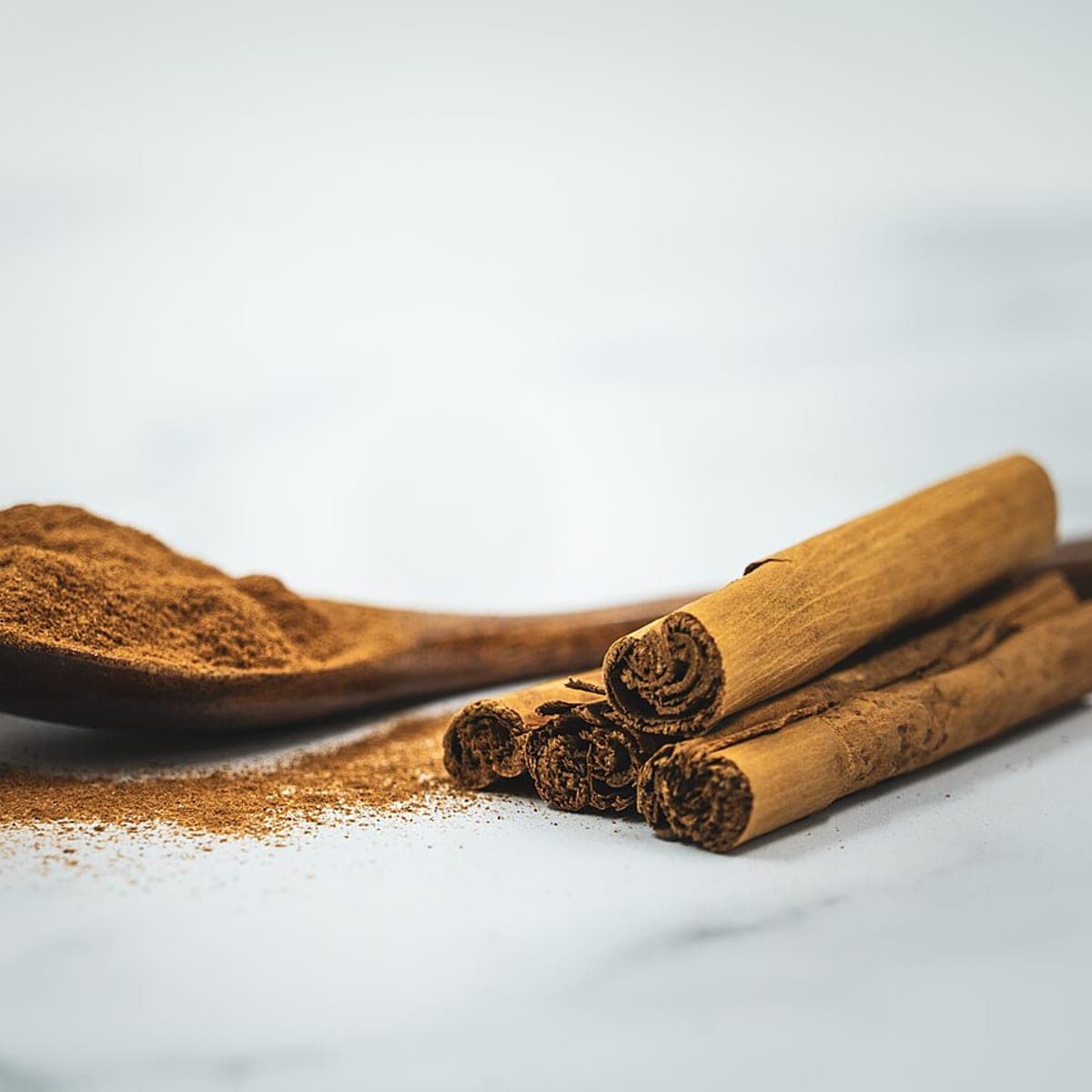
A quarter pound covers a test plus a small project. A full pound covers a garment with material left for a second bath. Buy the larger size once you have settled on a form, and buy enough from one batch to finish anything that has to match, because bark from two harvests will not.
Editorial Team · Compliance and product research · Updated
The botanical range is sold by the pound, in quarter, third, half and full pound sizes, each at one fixed price with no tiers to compare. Which size to buy depends less on budget than on whether you have settled on a working method yet.
Working at the usual fifty to a hundred per cent of fibre weight from how much root bark per pound of fibre:
Those figures assume a first bath only. Shredded bark usually gives a usable second bath, which effectively stretches every number above. Powder largely does not.
Bark is an agricultural product. Two batches from different harvests will not give identical colour however carefully you weigh, because tannin content is a property of the harvest — see what tannins are.
So if you are dyeing a garment in pieces, or a set of skeins that will be sold or worn together, buy enough from one batch to finish the whole thing. Running out halfway and topping up from a new bag is the single most reliable way to produce a sleeve that does not match the body.
The batch code is printed on the bag. Write it in your notes alongside everything else.
If you have not yet chosen between powder and shredded, or you are working a fibre you have not dyed before, buy small twice rather than large once.
A quarter pound of each form tells you more than a pound of the wrong one, and the comparison is genuinely informative — run the same fibre, the same mordant and the same temperature against both and the trade-offs in powder, shredded or stripped stop being abstract.
The same applies to Sassafras Root Bark, which is a different species entirely and which we publish no colour figures for. Buy a quarter pound and test it.
Larger quantities mean longer storage, and storage is where material is lost.
Four conditions: sealed, dry, out of direct light, away from temperature swings. A garage that reaches forty degrees in summer and freezes in winter is the worst place in most houses; a cupboard indoors is the best.
Damp is the specific enemy. Bark takes up moisture from the air, and a bag that has absorbed it cakes — caked powder never disperses properly again. Damp plus warmth in a sealed bag is also how mould starts, and mouldy material belongs on the compost heap.
### Which form keeps longest
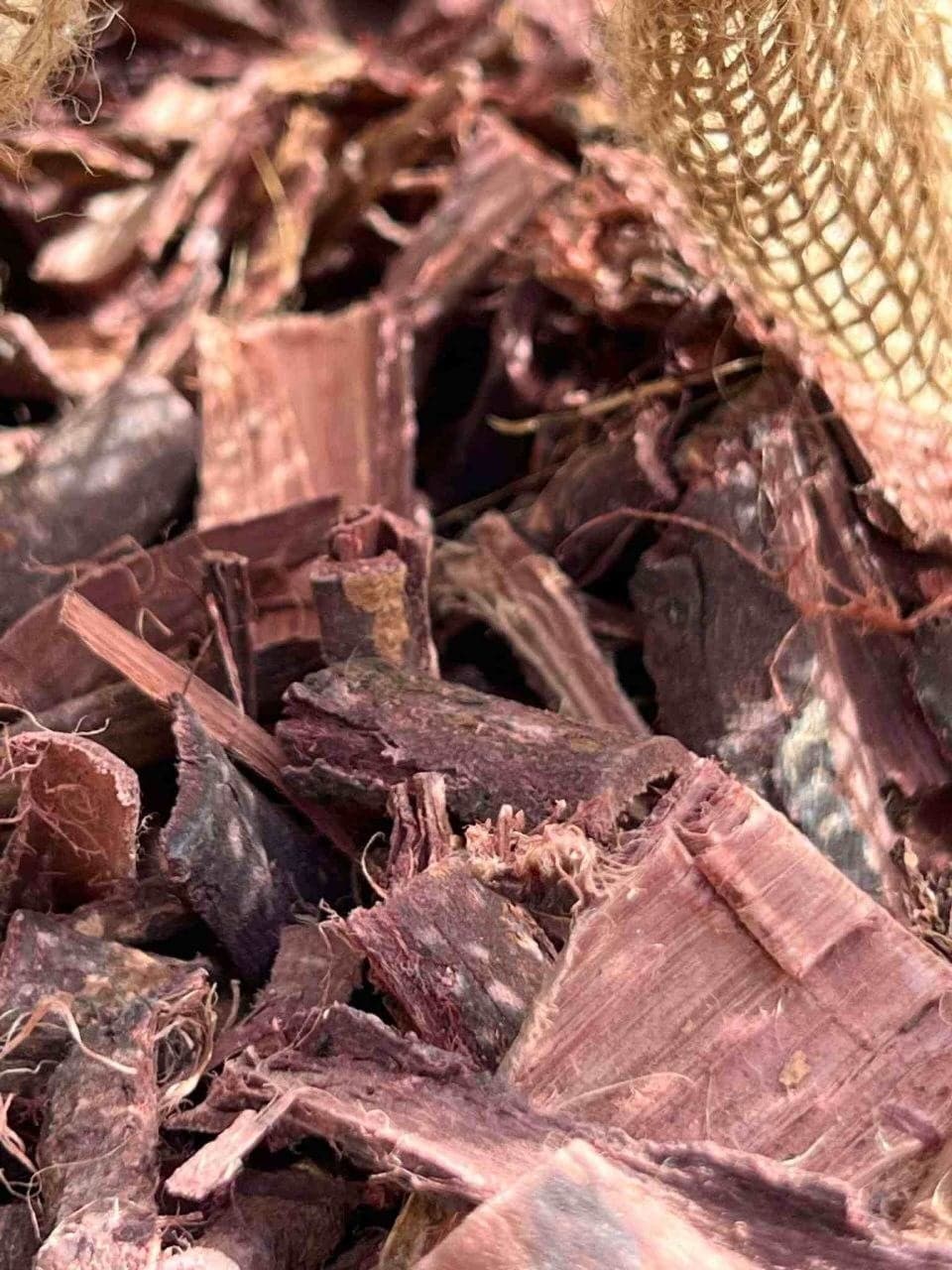
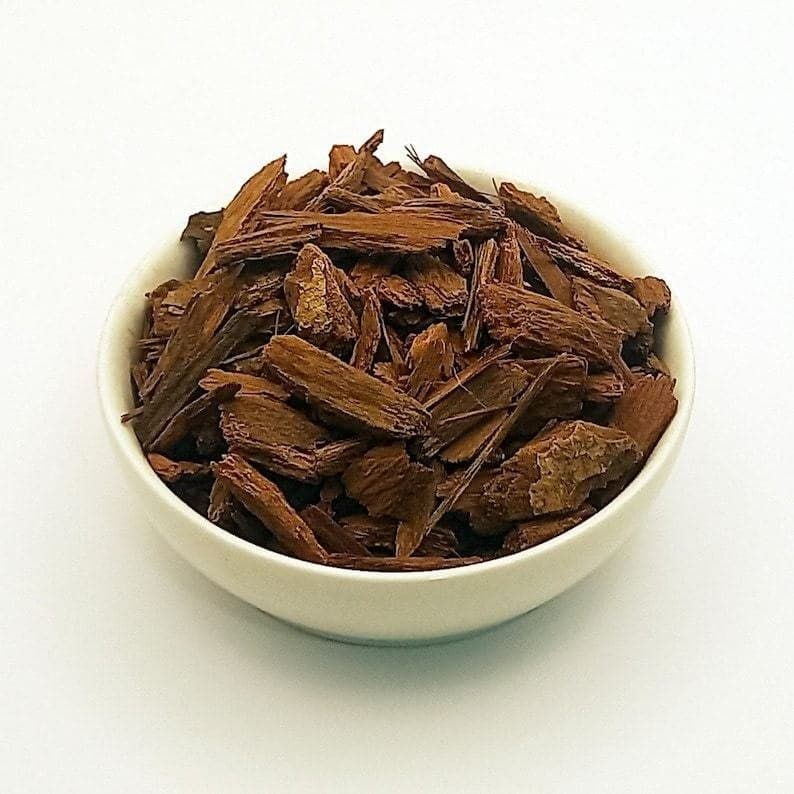
Mimosa roots Stripped keeps best, because less cut surface is exposed to air and moisture. If you are buying against a supply gap rather than for a season, that is the form to buy and mill as you need it.
Powder has the shortest practical life for the opposite reason, and is the form most punished by damp.
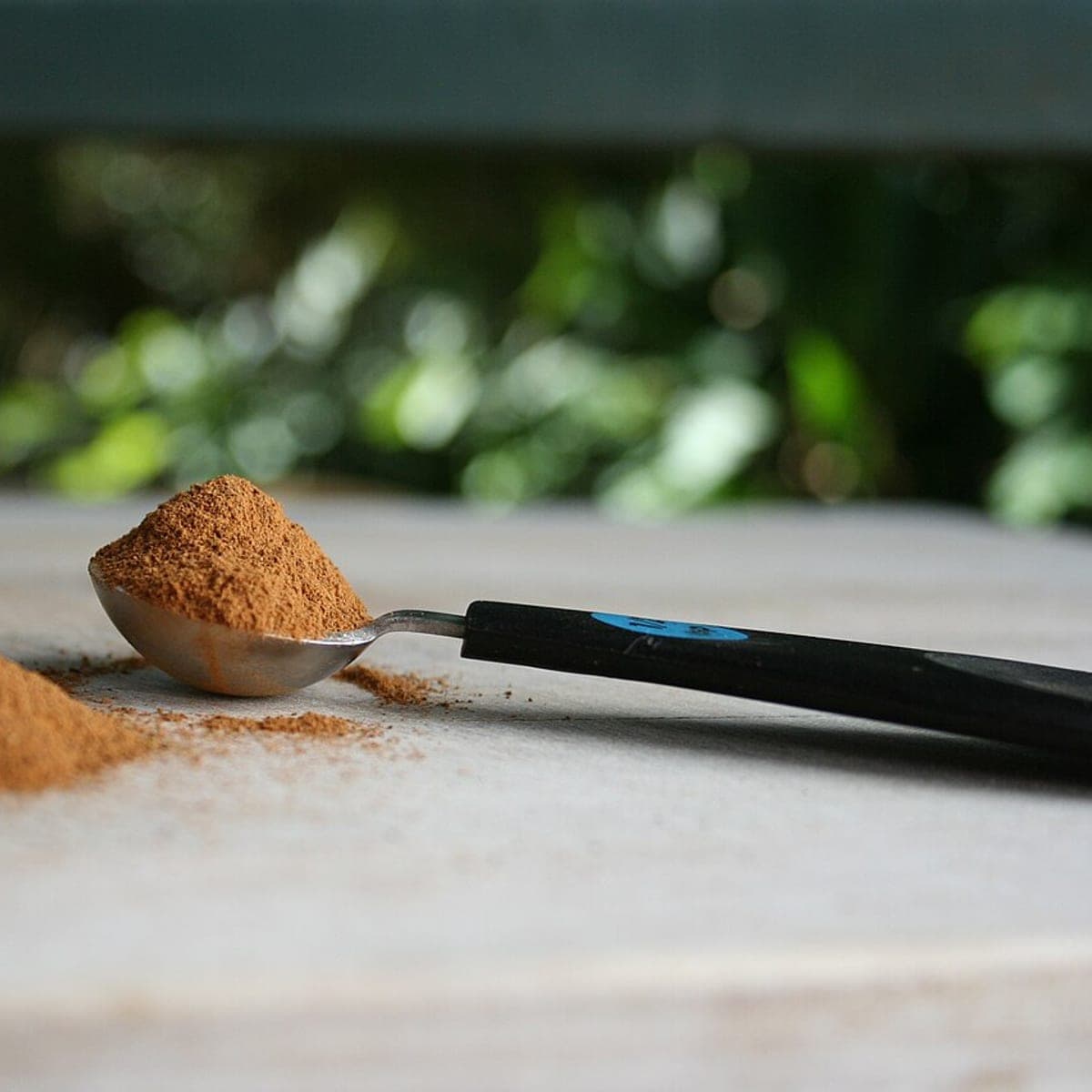
A useful habit before ordering:
1. Weigh every piece of fibre the project needs, dry.
2. Add ten per cent for test skeins — you will want them.
3. Multiply by your chosen WOF percentage.
4. Round up to the next listed size.
5. If the project must match across pieces, confirm that quantity is available from one batch before ordering.
Step five is the one people skip and regret.
For volumes larger than a pound, ask on the wholesale page. Pricing at that level is quoted by a person rather than calculated on the site, because it depends on the quantity, on what is available from a single batch, and on where it is going.
Say what you need, how much, which state it is going to, and whether single-batch fulfilment matters. If you hold a licence, send it — the official certificate of analysis is issued to licensed resellers against it.
Orders from $100 ship free within the United States; the qualifying rules and the one exclusion are in what qualifies for free shipping, and how orders are packed is in how we pack and ship.
Everything described here is raw botanical material sold for dyeing, soap making and craft work. It is not food, it is not a supplement, and it is not for human consumption. Nothing on this page is a recommendation to put any of it in or on a body.
Part of our guide: What Is Mimosa Hostilis Root Bark?
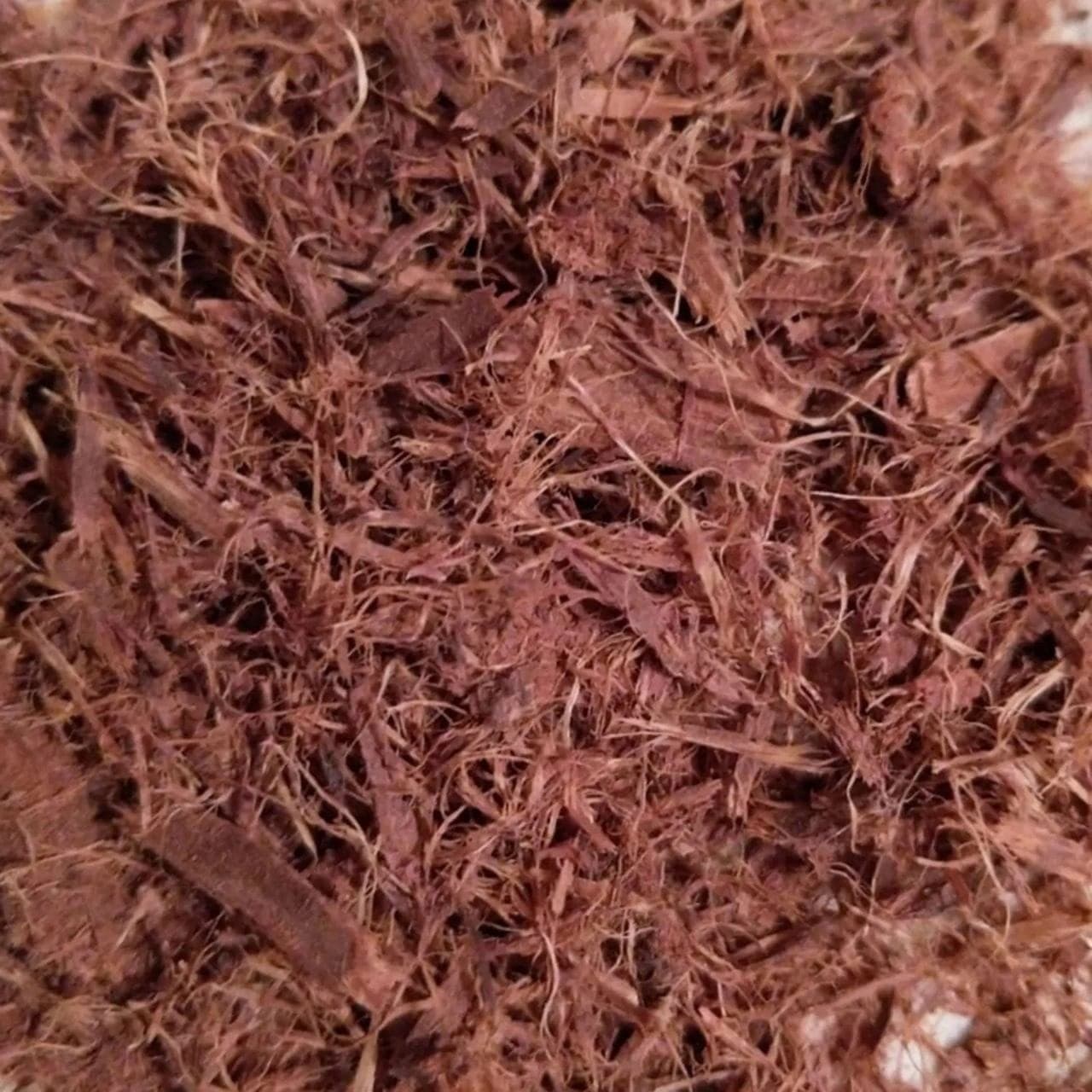
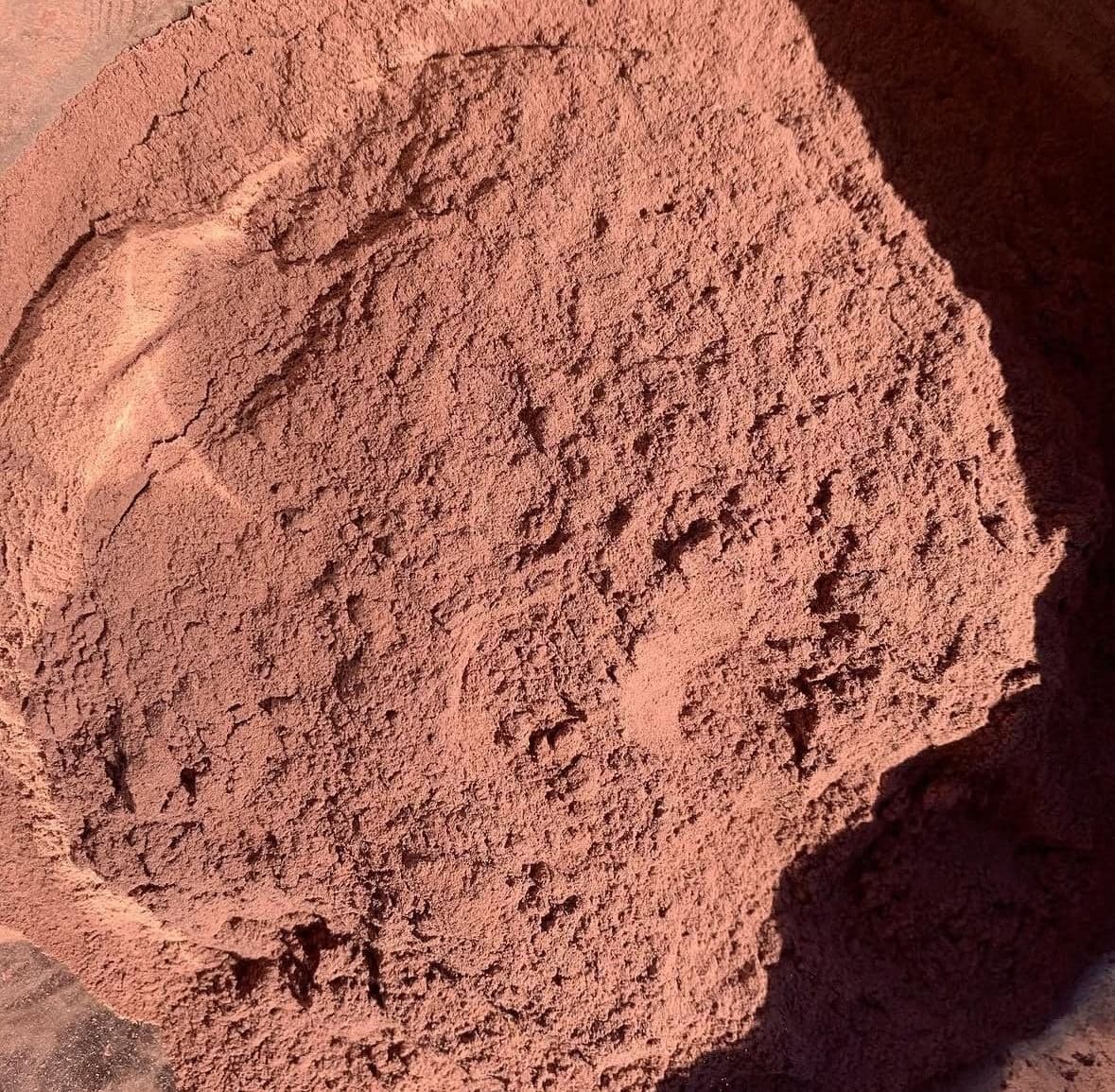
Powder gives up colour fastest and suits small test skeins and soap. Shredded bark lifts cleanly out of the pot and gives a usable second bath. Stripped roots keep longest and let you mill your own. The choice is about handling and storage, not about what colour you can reach.
Milling multiplies surface area, and surface area governs how fast colour moves from plant material into water. Powder gives a full bath in an hour where coarse material wants three, gives almost everything on the first pass, and floats instead of settling. Every practical difference follows from particle size.
Powder is the form most punished by poor storage, because the surface area that releases colour quickly also takes up moisture quickly. Sealed, dry, dark and at a stable temperature. Caked powder never disperses properly again, and damp plus warmth in a sealed bag is how mould starts.
Your cart is empty
Everything we sell is batch-tested, and we tell you what ships to your state before you add it.
Browse the shop