Powdered Mimosa Hostilis Root
Botanical use only
$37.501/4 lb
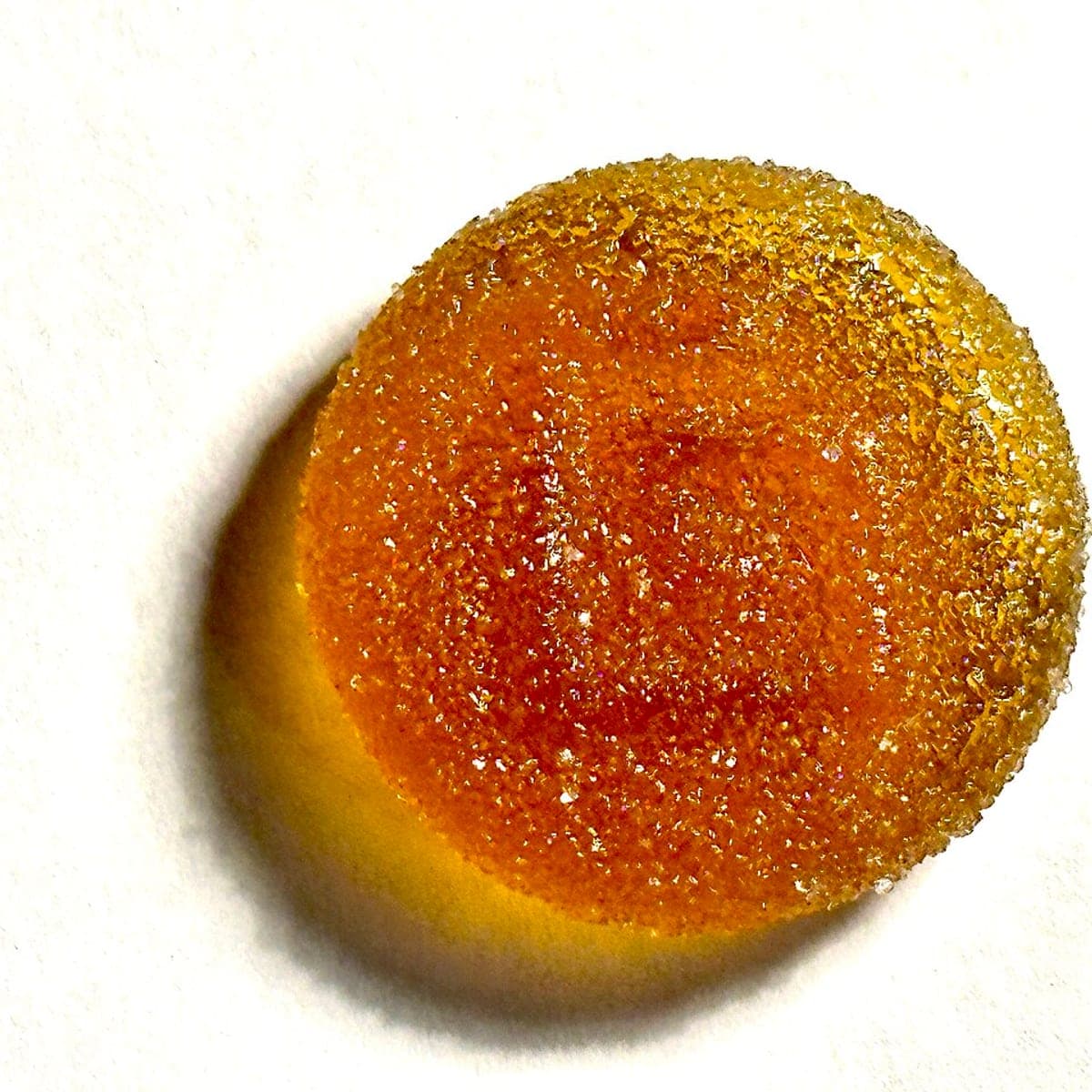
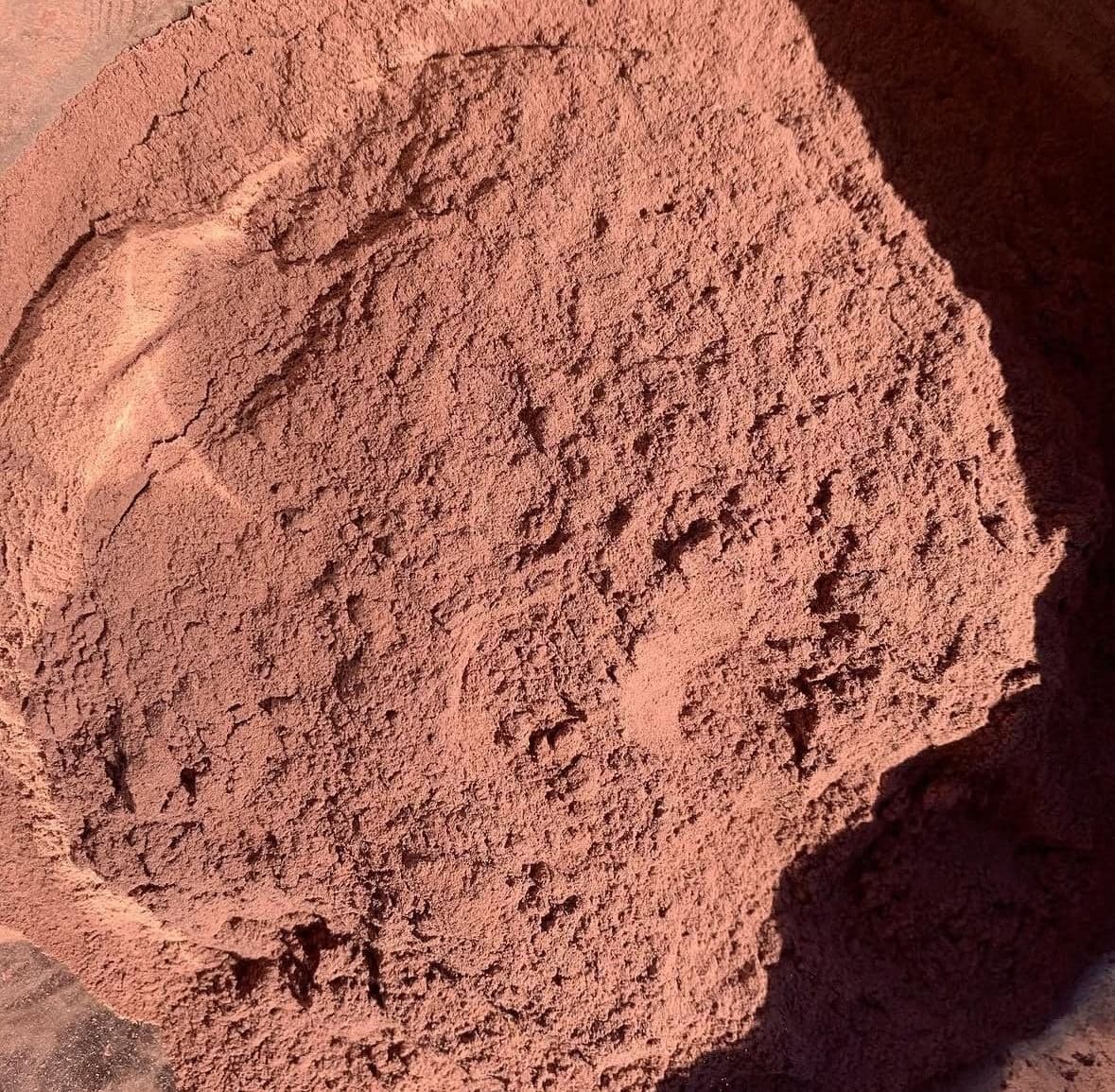
Powder is the form most punished by poor storage, because the surface area that releases colour quickly also takes up moisture quickly. Sealed, dry, dark and at a stable temperature. Caked powder never disperses properly again, and damp plus warmth in a sealed bag is how mould starts.
Editorial Team · Compliance and product research · Updated
Of the three forms, powder has the shortest practical life, and the reason is the same property that makes it useful: enormous surface area. What lets colour out quickly also lets moisture in quickly.
Stored properly it keeps for a long time. Stored badly it is ruined in a season.
Sealed. An airtight container, not a folded-over bag with a clip. Once opened, a resealable pouch inside a jar is better than either alone.
Dry. This is the one that matters most and the one below.
Dark. Light degrades plant colourants over time. A cupboard rather than a shelf in a sunny room.
Stable temperature. A garage that reaches forty degrees in August and freezes in January is the worst place in most houses, because repeated swings drive condensation inside a container.
A kitchen cupboard away from the hob, or a cupboard in a cool room, is ideal. Not a food cupboard — this material should be kept separate from food entirely.
It cakes. Powder that has taken up moisture clumps into lumps, and those lumps do not fully break up again even when dried. They disperse poorly in a bath and leave you working at a lower effective ratio than you calculated, which shows up as a paler result you cannot explain.
It invites mould. Damp plant material plus warmth inside a sealed container is a good environment for mould, and mouldy material belongs on the compost heap rather than in a dye pot, a soap batch or anywhere near a piece of leather you have spent a week on.
It changes the weight. A bag that has absorbed moisture weighs more than the material in it, so every percentage you calculate from it is wrong by however much water it has taken on.
Lumps alone may just be compaction. Lumps with a musty smell are not worth the risk.
A glass jar with a proper seal is the best domestic option and lets you see the material without opening it. A food-grade bucket with a gasket lid works at volume.
What does not work well is the original bag alone once it has been opened several times, or a plastic tub with a push-on lid.
A silica gel sachet in the container is worth adding in a humid climate. Replace it rather than leaving a saturated one in there indefinitely.
Form, date received, and the batch code from the packaging.
The code is the link between the material and its laboratory record, and it is the one thing nobody remembers six months later. It is also what lets you connect a colour you liked to the harvest that produced it — bark varies between batches, as set out in what tannins are.
Keep the original packaging until the bag is finished, for the same reason.
Every time a container is opened it exchanges air, and humid air carries moisture in.
If you are working through a large quantity, decant a working amount into a small jar and leave the bulk sealed. It is a small habit that measurably extends the life of the rest.
If you are buying ahead for a year rather than a season, buy coarse and mill as you go. Mimosa roots Stripped keeps best of the three forms because so little surface is exposed, and milling your own is not difficult.
If you are buying for a project in the next few months, ready-milled powder is simpler and the shelf life is not a factor.
Sizing guidance is in buying dye material in bulk.
Material ships double-sealed precisely because bark takes up moisture from the air, and a bag that arrives damp has had a seal fail in transit. That is worth reporting rather than drying out and using — see damaged or short shipments and how we pack and ship.
Everything described here is raw botanical material sold for dyeing, soap making and craft work. It is not food, it is not a supplement, and it is not for human consumption. Nothing on this page is a recommendation to put any of it in or on a body.
Part of our guide: What Is Mimosa Hostilis Root Bark?
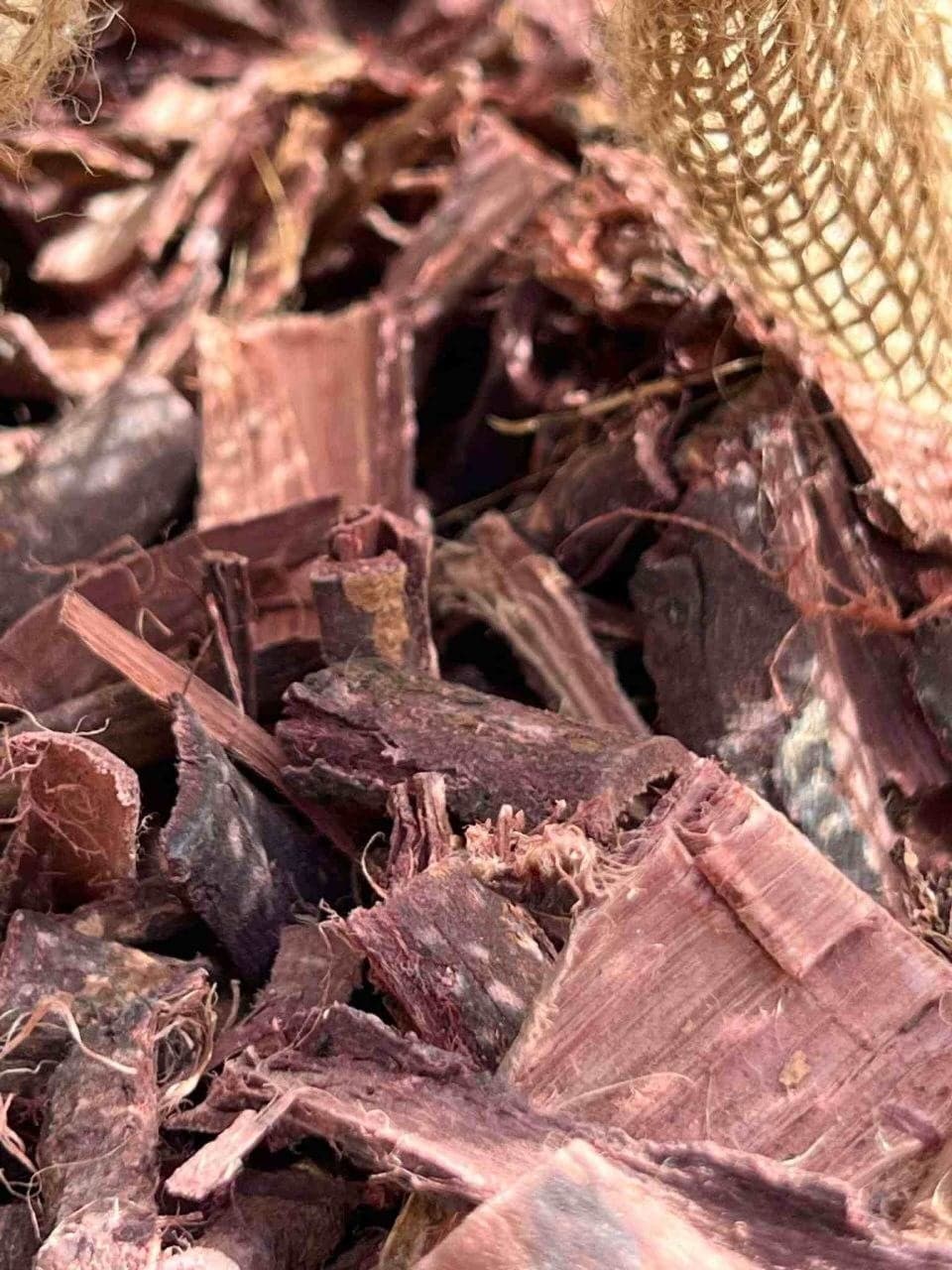
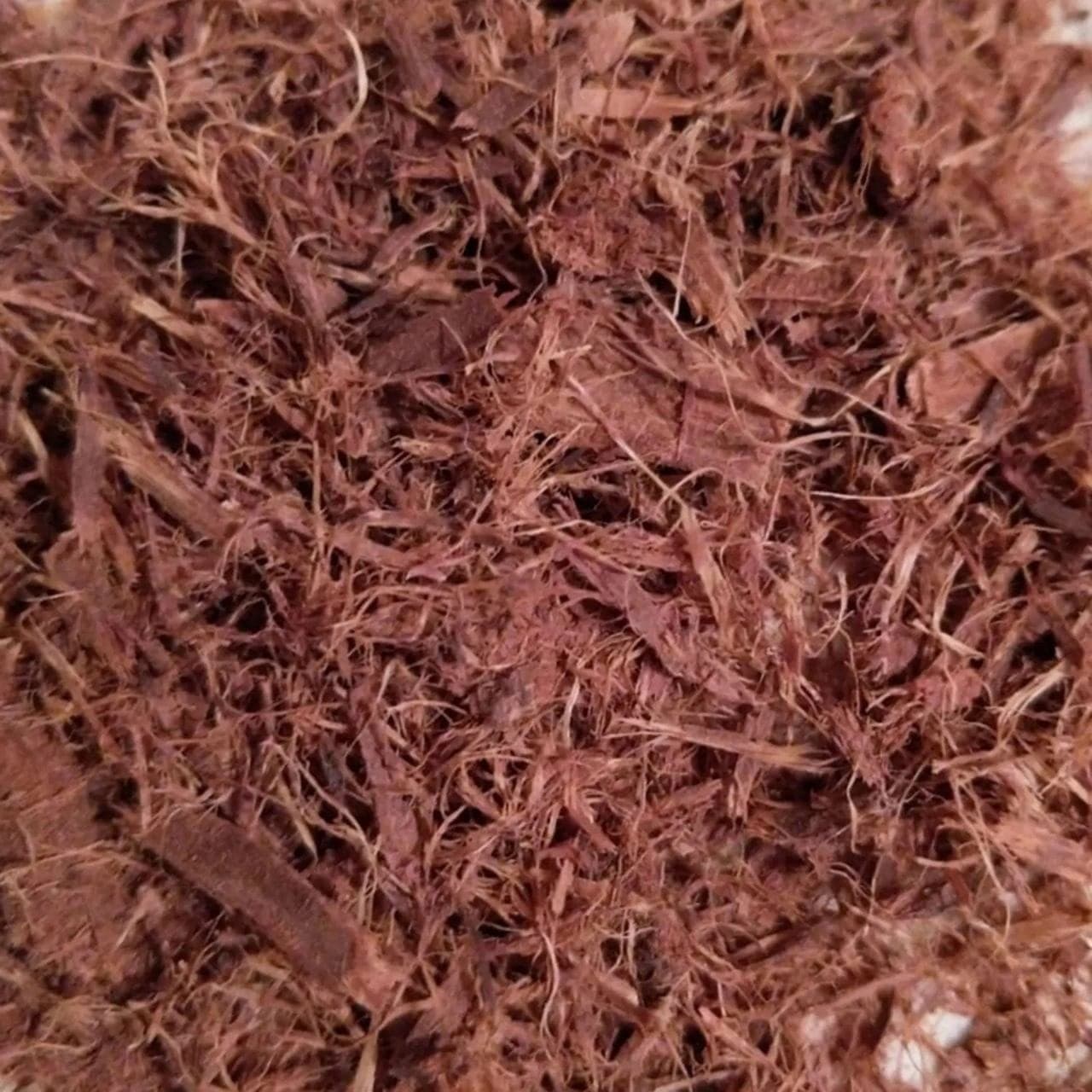
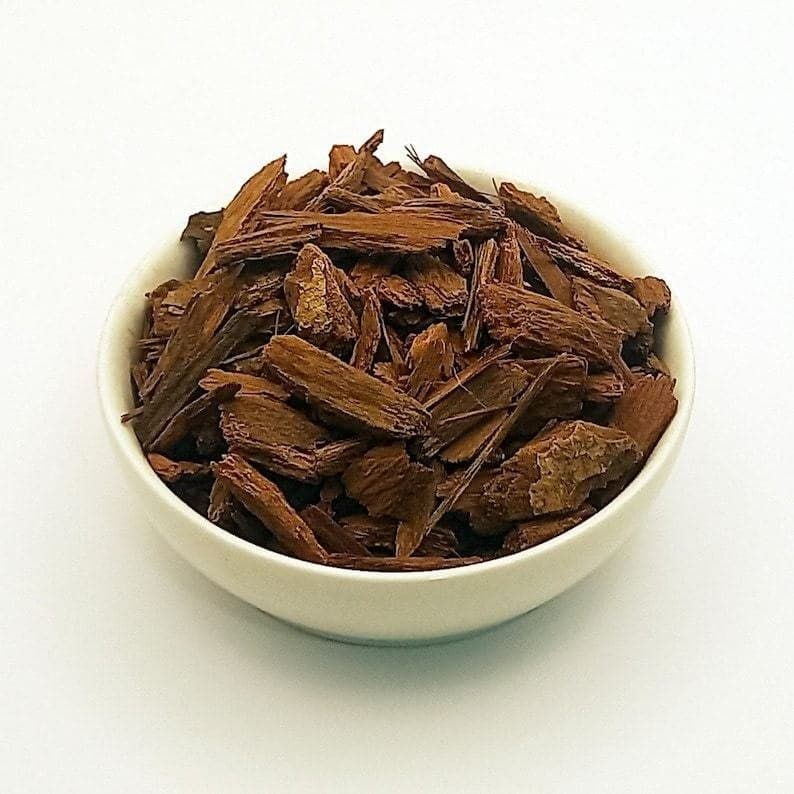
Powder gives up colour fastest and suits small test skeins and soap. Shredded bark lifts cleanly out of the pot and gives a usable second bath. Stripped roots keep longest and let you mill your own. The choice is about handling and storage, not about what colour you can reach.
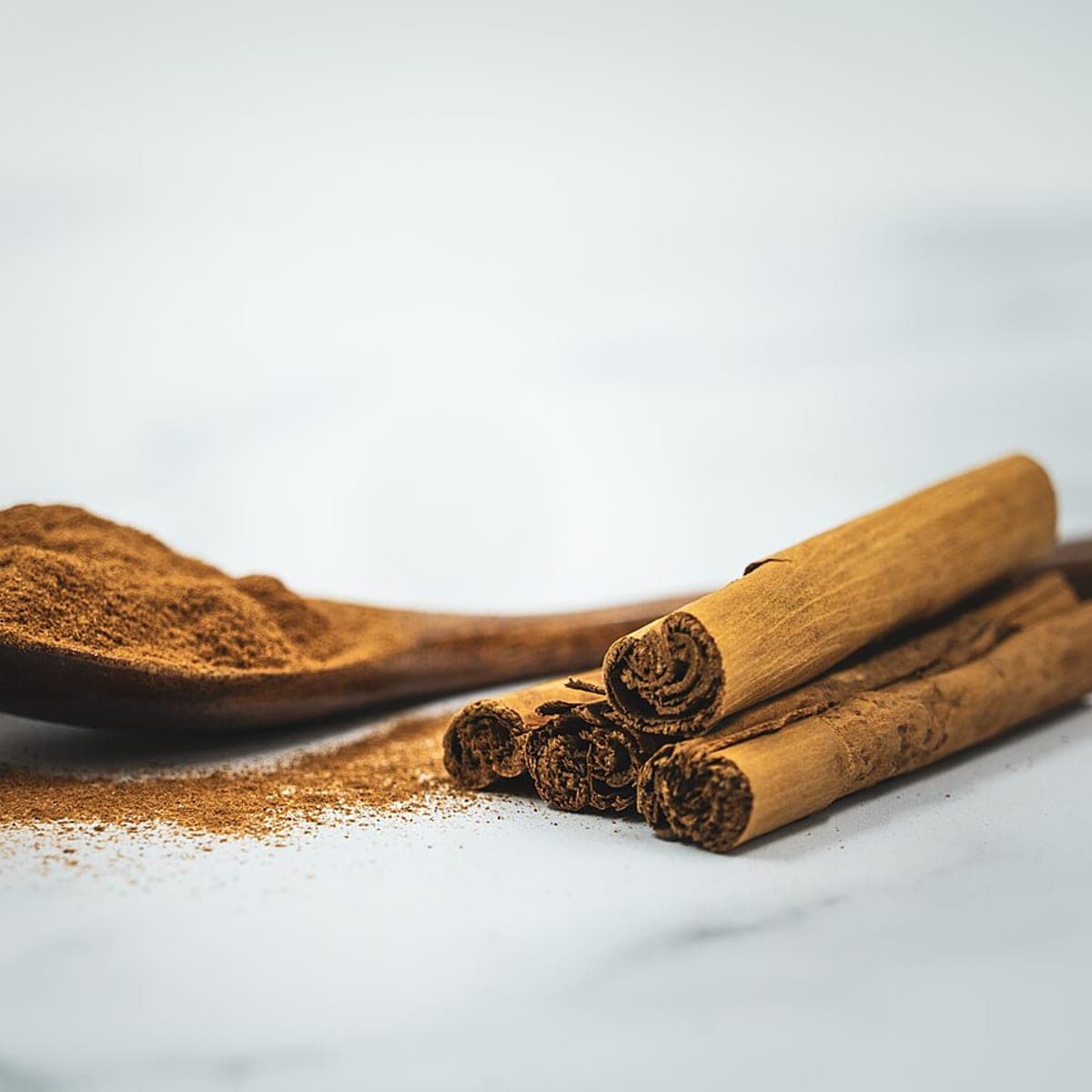
A quarter pound covers a test plus a small project. A full pound covers a garment with material left for a second bath. Buy the larger size once you have settled on a form, and buy enough from one batch to finish anything that has to match, because bark from two harvests will not.
Milling multiplies surface area, and surface area governs how fast colour moves from plant material into water. Powder gives a full bath in an hour where coarse material wants three, gives almost everything on the first pass, and floats instead of settling. Every practical difference follows from particle size.
Your cart is empty
Everything we sell is batch-tested, and we tell you what ships to your state before you add it.
Browse the shop