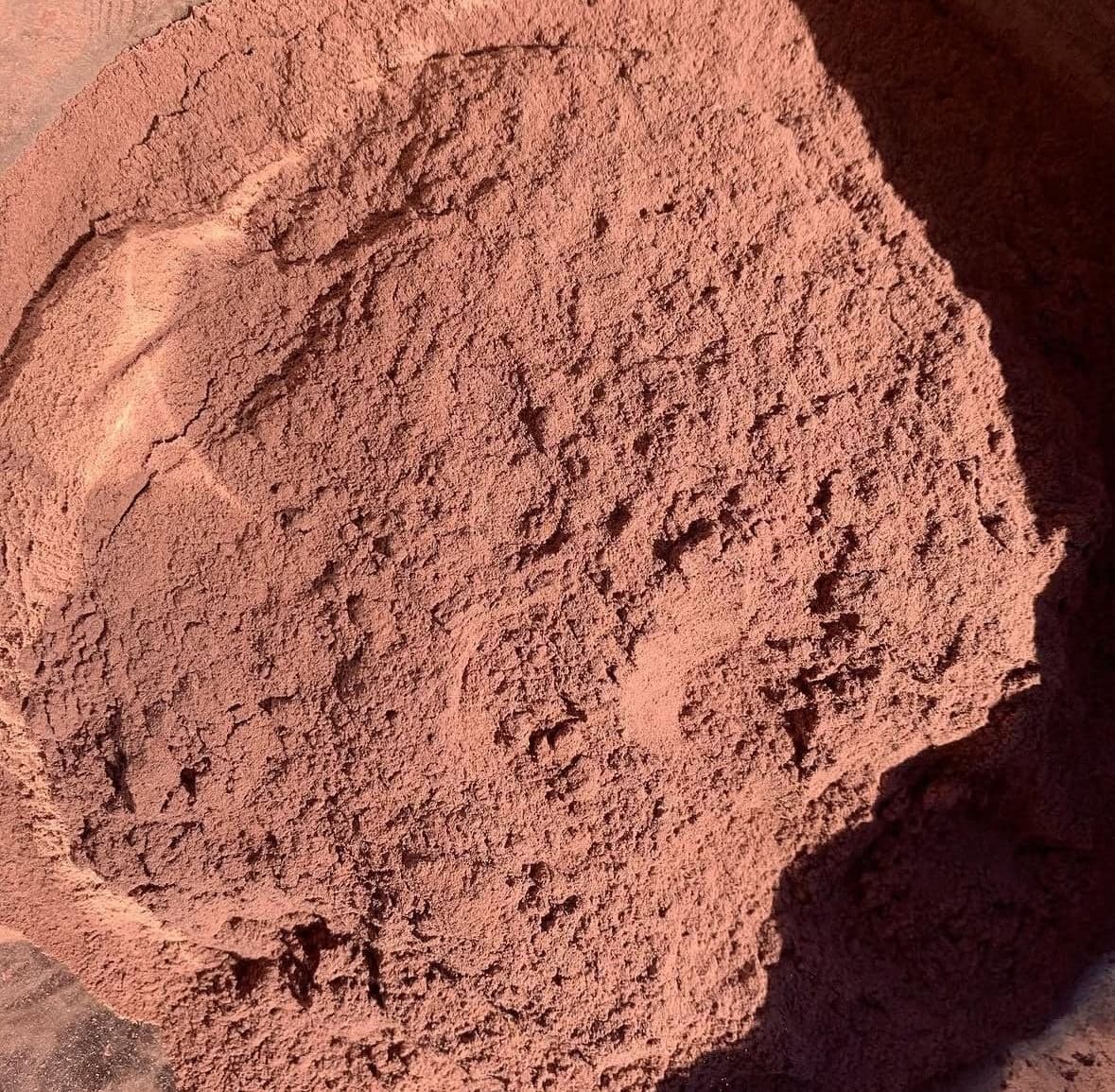
Powdered Mimosa Hostilis Root
Botanical use only
$37.501/4 lb
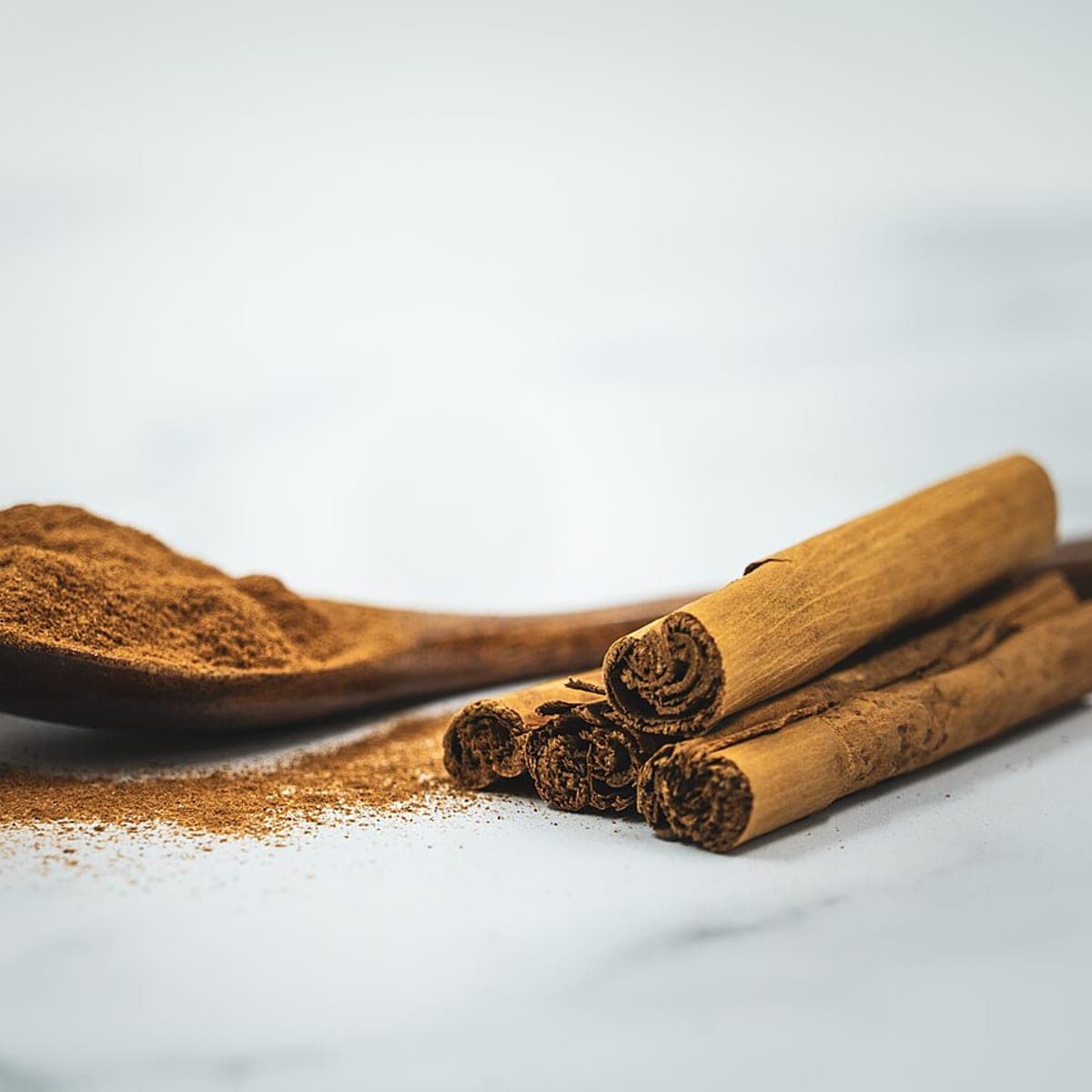
Milling your own gives control over particle size and a longer shelf life, because whole material keeps better than powder. It is also the dustiest operation in the process. Dry the material fully, work in short bursts, sieve to the grade you want, and wear a fitted mask throughout.
Editorial Team · Compliance and product research · Updated
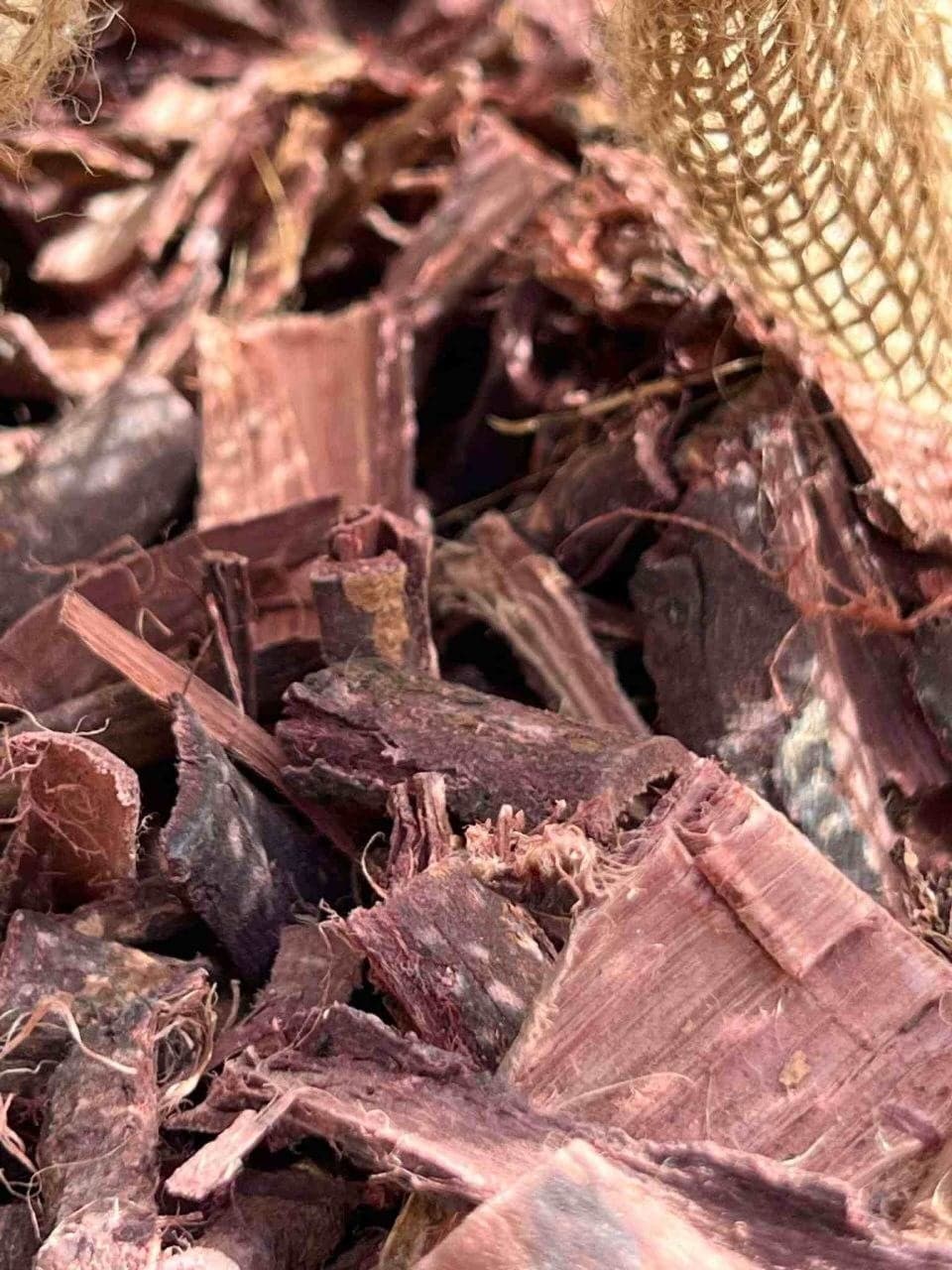
Some dyers buy stripped root or shredded bark and mill their own. There are two good reasons and one real cost.
Shelf life. Whole and coarse material keeps considerably longer than powder, because far less surface is exposed to air and moisture. Buying coarse and milling as you need it means the bag in the cupboard is always in its most stable form. See storing powder.
Control of grade. Bought powder is one grade. Milling your own lets you choose: a medium grind that filters out easily for dye work, a fine one for soap, and a coarse one that still lifts with a spoon.
Economy at volume, sometimes. Coarse material is generally the better value per usable bath because it gives a second and third bath that powder does not.
Milling produces far more airborne fines than weighing or tipping ever will, and it produces them continuously rather than in a moment.
Everything in dust safety when working with milled bark applies here with more force: a fitted particulate mask, cross-ventilation, and cleaning up damp rather than dry. Mill outdoors or in a garage rather than a kitchen if you have the option.
Bark with any moisture in it will not mill cleanly. It gums, it clogs the blades, and it produces a coarse fibrous mess rather than powder.
If a bag has been in a damp place, spread the material on a tray somewhere warm and dry for a day or two first. It should snap rather than bend.
A dedicated coffee or spice grinder is what most people use. Small, cheap, and effective on small quantities. It must be dedicated — never return one to food use.
A blender works on shredded material but struggles with whole root and tends to throw fines around the lid seal.
A mortar and pestle is fine for very small quantities and tedious beyond that.
Whatever you use, it will stain permanently. That is cosmetic.
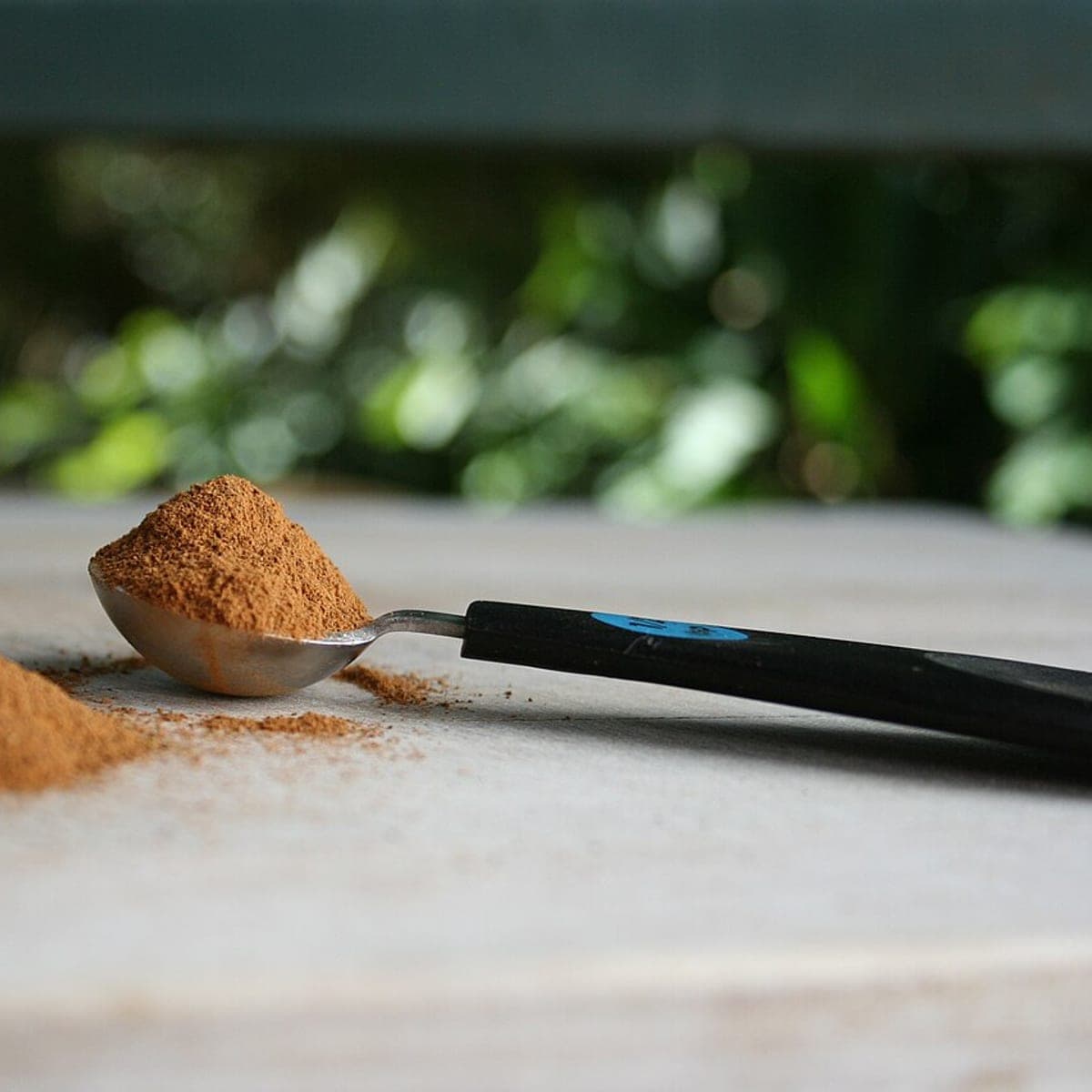
Milling gives you a mixture of grades. Sieving separates them and is what turns a rough grind into a usable product.
A kitchen sieve gives a serviceable dye grade. A finer mesh — a flour sifter or a proper test sieve — gives a soap grade. What stays behind in the sieve is not waste: return it to the grinder, or keep it as a coarse grade that lifts out of a bath with a spoon.
For soap in particular, sieving matters. Coarse fragments read as dark specks in a finished bar, which is a feature in a rustic bar and a defect in a smooth one — see root bark as a colourant in cold-process soap.
Bag each grade separately and label it with the grade, the date, and — most importantly — the batch code from the original bag.
Milling does not change which harvest the material came from, and that is the fact that determines how it behaves. A jar of unlabelled home-milled powder is a jar you cannot connect to any result you recorded.
If you are milling in a kitchen, if you dislike the dust, or if you only need small quantities for testing, buying Powdered Mimosa Hostilis Root ready-milled is the easier answer and usually the better one.
Milling your own earns its place when you are working at volume, when you want more than one grade, or when you are storing material across a year rather than a season.
Everything described here is raw botanical material sold for dyeing, soap making and craft work. It is not food, it is not a supplement, and it is not for human consumption. Nothing on this page is a recommendation to put any of it in or on a body.
Part of our guide: What Is Mimosa Hostilis Root Bark?
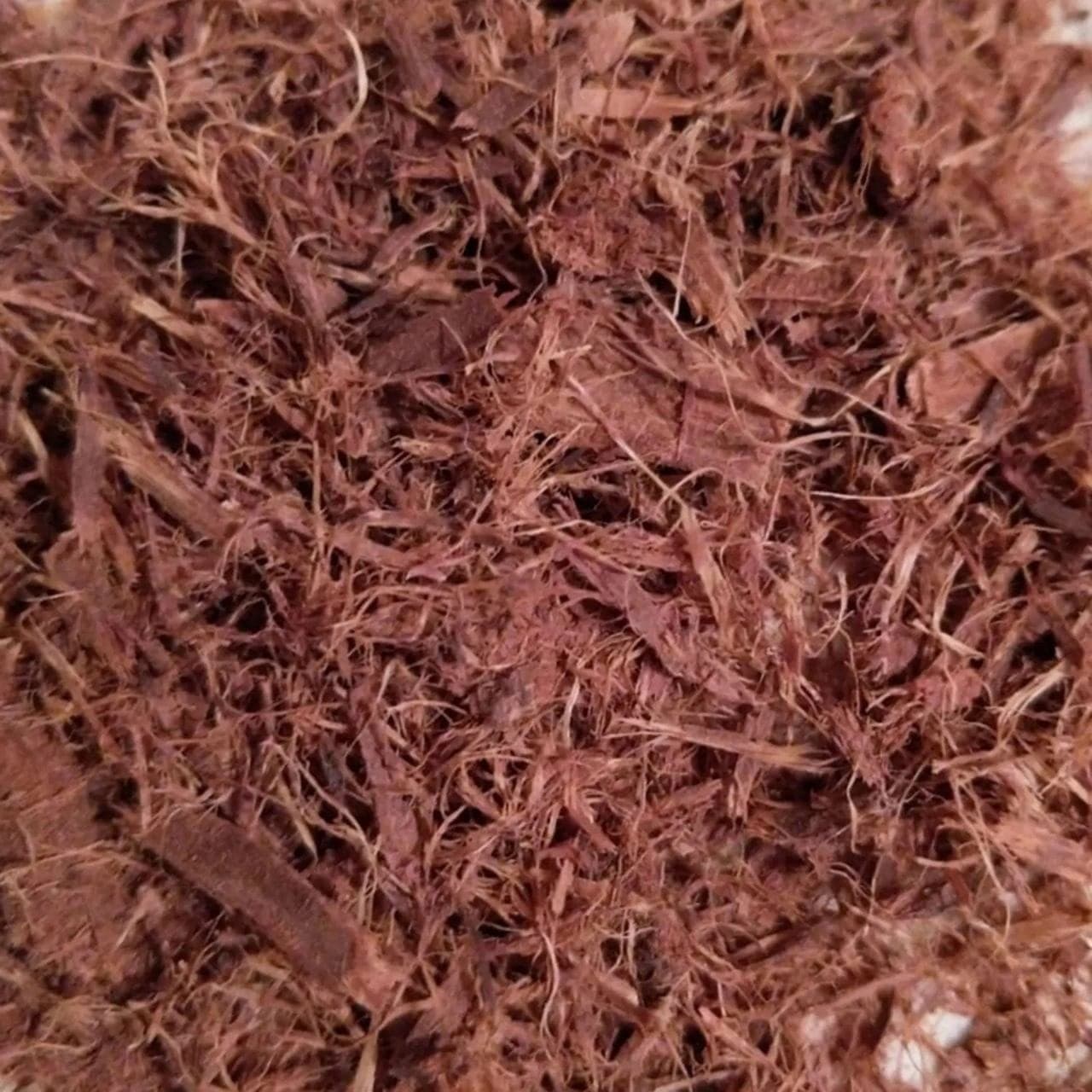
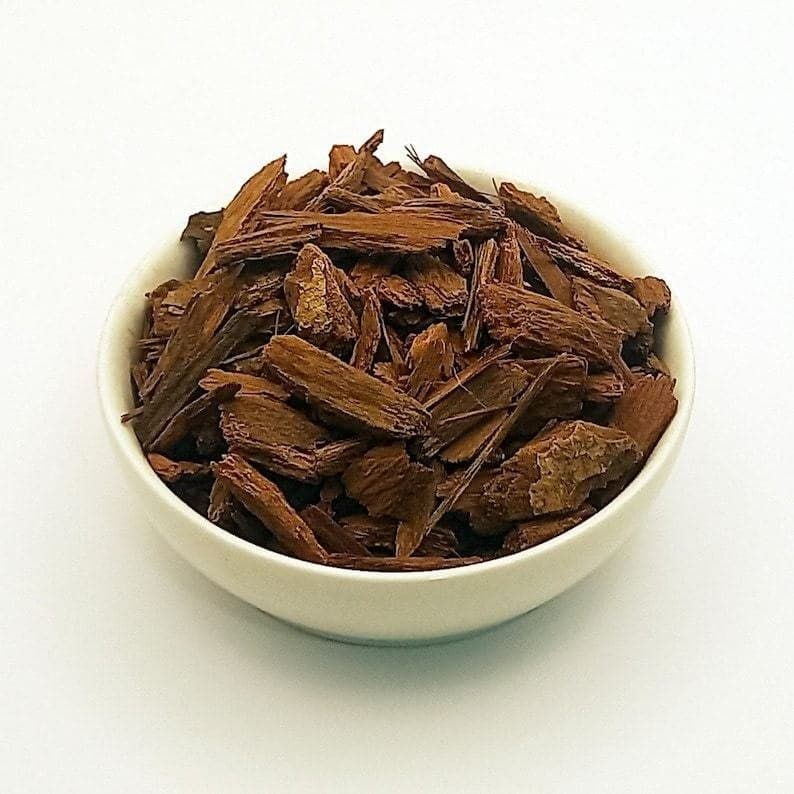
Powder gives up colour fastest and suits small test skeins and soap. Shredded bark lifts cleanly out of the pot and gives a usable second bath. Stripped roots keep longest and let you mill your own. The choice is about handling and storage, not about what colour you can reach.
A quarter pound covers a test plus a small project. A full pound covers a garment with material left for a second bath. Buy the larger size once you have settled on a form, and buy enough from one batch to finish anything that has to match, because bark from two harvests will not.
Milling multiplies surface area, and surface area governs how fast colour moves from plant material into water. Powder gives a full bath in an hour where coarse material wants three, gives almost everything on the first pass, and floats instead of settling. Every practical difference follows from particle size.
Your cart is empty
Everything we sell is batch-tested, and we tell you what ships to your state before you add it.
Browse the shop