Powdered Mimosa Hostilis Root
Botanical use only
$37.501/4 lb
Your cart is empty
Everything we sell is batch-tested, and we tell you what ships to your state before you add it.
Browse the shop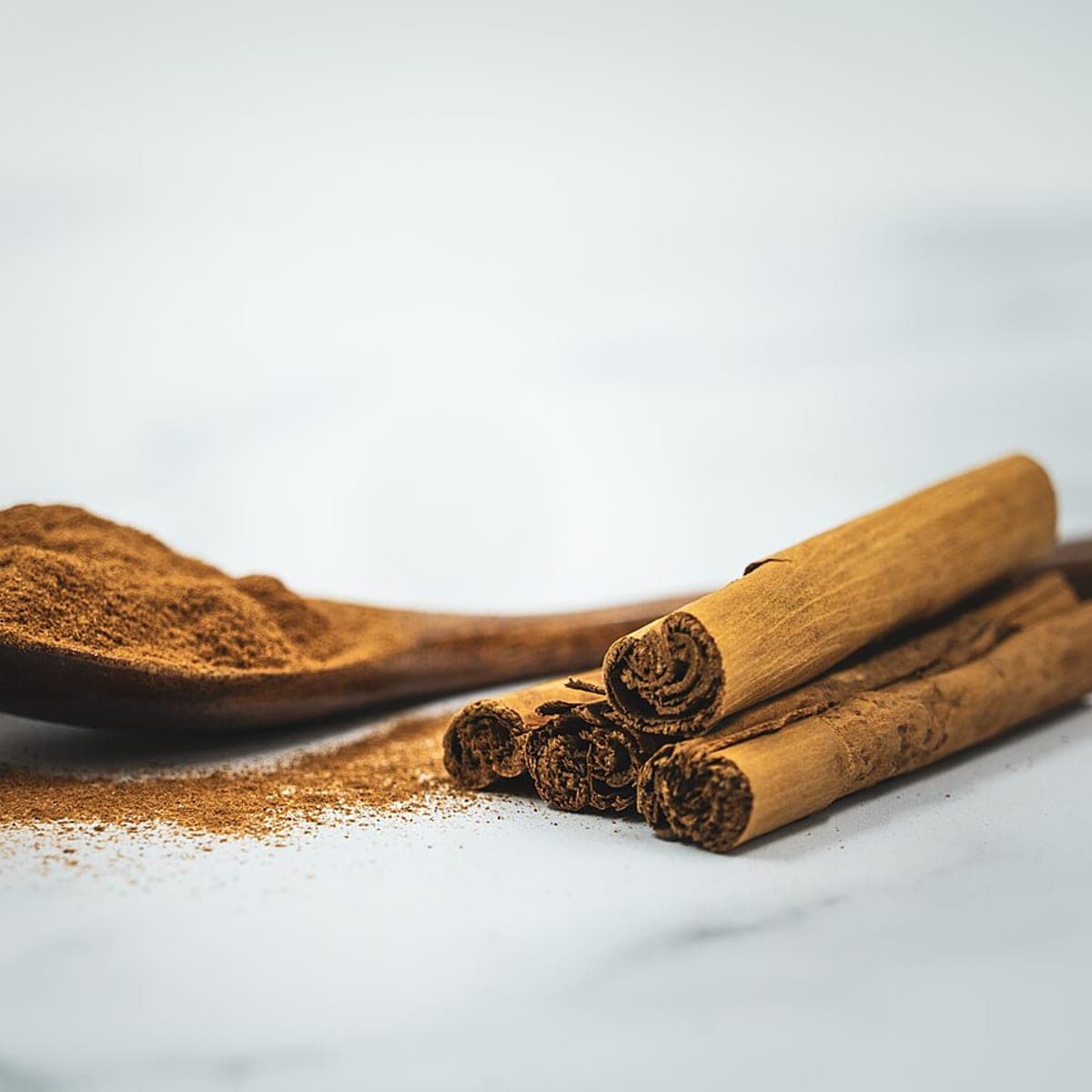
Any milled plant material becomes airborne dust when weighed or tipped, and fine organic dust is a respiratory irritant regardless of what plant it came from. Wear a fitted mask, weigh at arm level rather than over your face, work where air moves, and wipe surfaces damp rather than brushing them.
Editorial Team · Compliance and product research · Updated
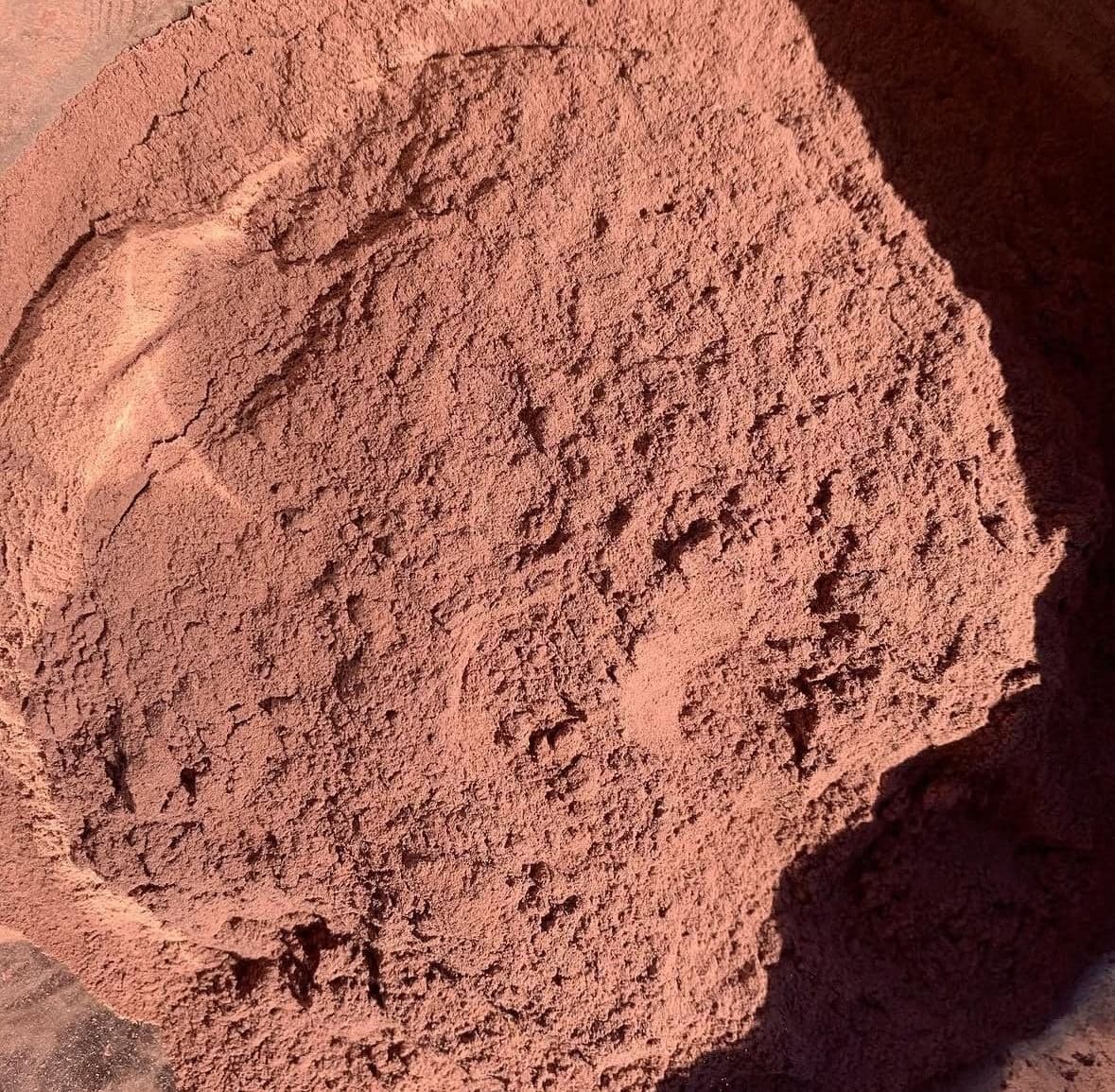
This page is about handling a fine organic powder, and it applies equally to flour, paprika, sawdust and milled bark. Nothing here is specific to the species; it is specific to the particle size.
It is worth reading once, because the habits are easy and the alternative is a headache and a cough you blame on something else.
Particles below a certain size stay airborne for a long time and are small enough to reach deep into the respiratory tract. Fine organic dust is a recognised irritant in woodworking, milling and baking, and repeated exposure is the part that matters rather than any single occasion.
This is an ordinary workshop precaution rather than an alarm. You are not handling anything exotic; you are handling a powder.
A fitted particulate mask — the disposable moulded kind rated for fine particles, not a loose surgical mask — is the single most effective thing you can do.
Fit matters more than rating. A high-rated mask sitting loose on the bridge of the nose filters nothing, because air takes the easy route. Pinch the nose bar properly and check there is no gap at the cheeks.
Put it on before you open the bag, not after you have tipped it.
The instinct is to bring a small quantity up close to read a scale. That puts your face directly above the cloud.
Put the scale on the bench at normal working height, tip slowly, and read it by looking down rather than by lifting the bowl. Tipping slowly is worth more than any other single habit here — most airborne dust comes from a fast pour or a dropped scoop.
An open window and a door on the other side of the room is enough. What you want is gentle cross-ventilation, not a fan pointed at the bench, which turns a small cloud into a distributed one.
Avoid working directly under a ceiling fan or beside a heating vent for the same reason.
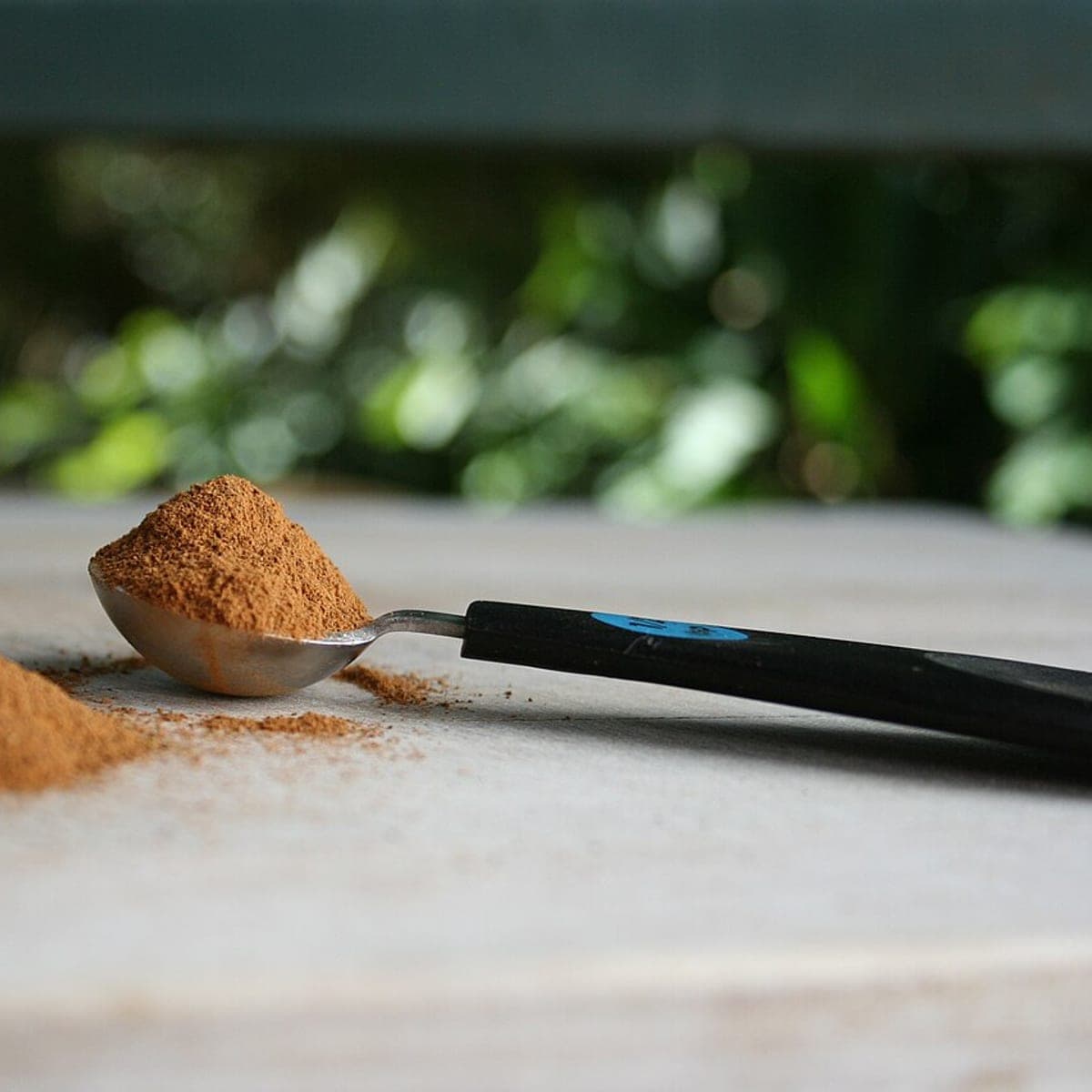
This is the step people get wrong. Brushing or sweeping fine powder puts back into the air everything that had settled.
Wipe with a damp cloth. If you must vacuum, use something with a fine filter rather than a workshop vacuum, which will exhaust fines straight back into the room.
Rinse cloths immediately in cold water — hot water sets the colour into the fabric.
Gloves are for staining rather than safety, but the staining is real: this material colours skin and nails and does not wash off quickly.
An apron or an old shirt saves a good one. Change out of dusty clothes rather than carrying the powder into the rest of the house, and do not shake them out indoors.
Any fine powder in an eye is unpleasant. If you wear contact lenses, or you are decanting a larger quantity, basic safety glasses are sensible.
If you do get powder in an eye, flush with clean water rather than rubbing.
Dedicated equipment, always. Pots, spoons, jugs, scales and bowls used for dyeing or soap making should not return to kitchen use, and this material should not be stored in a food cupboard.
That is standard practice for every dye material, mordant and modifier — see mordanting wool with alum, where the same rule applies to metal salts.
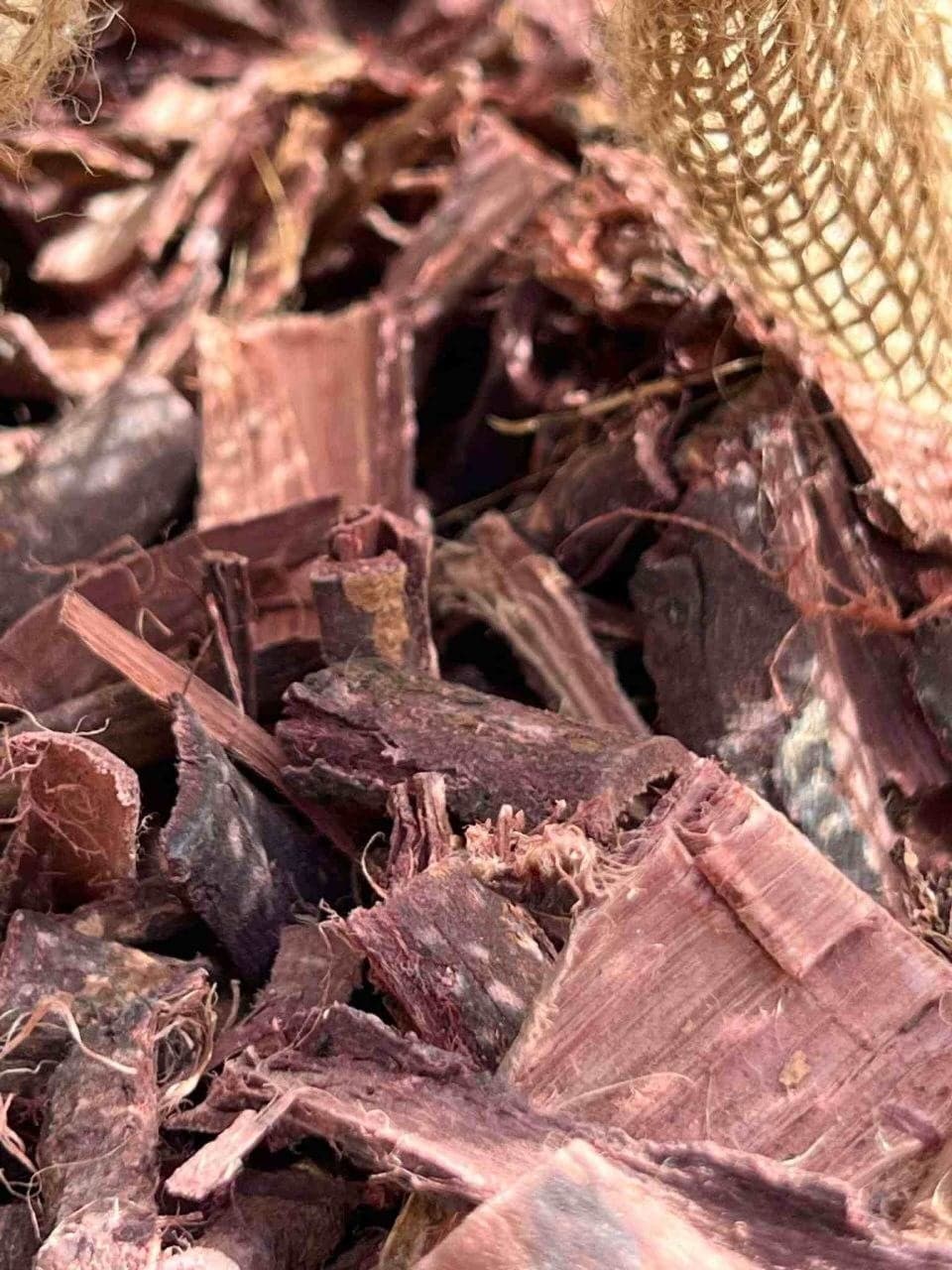
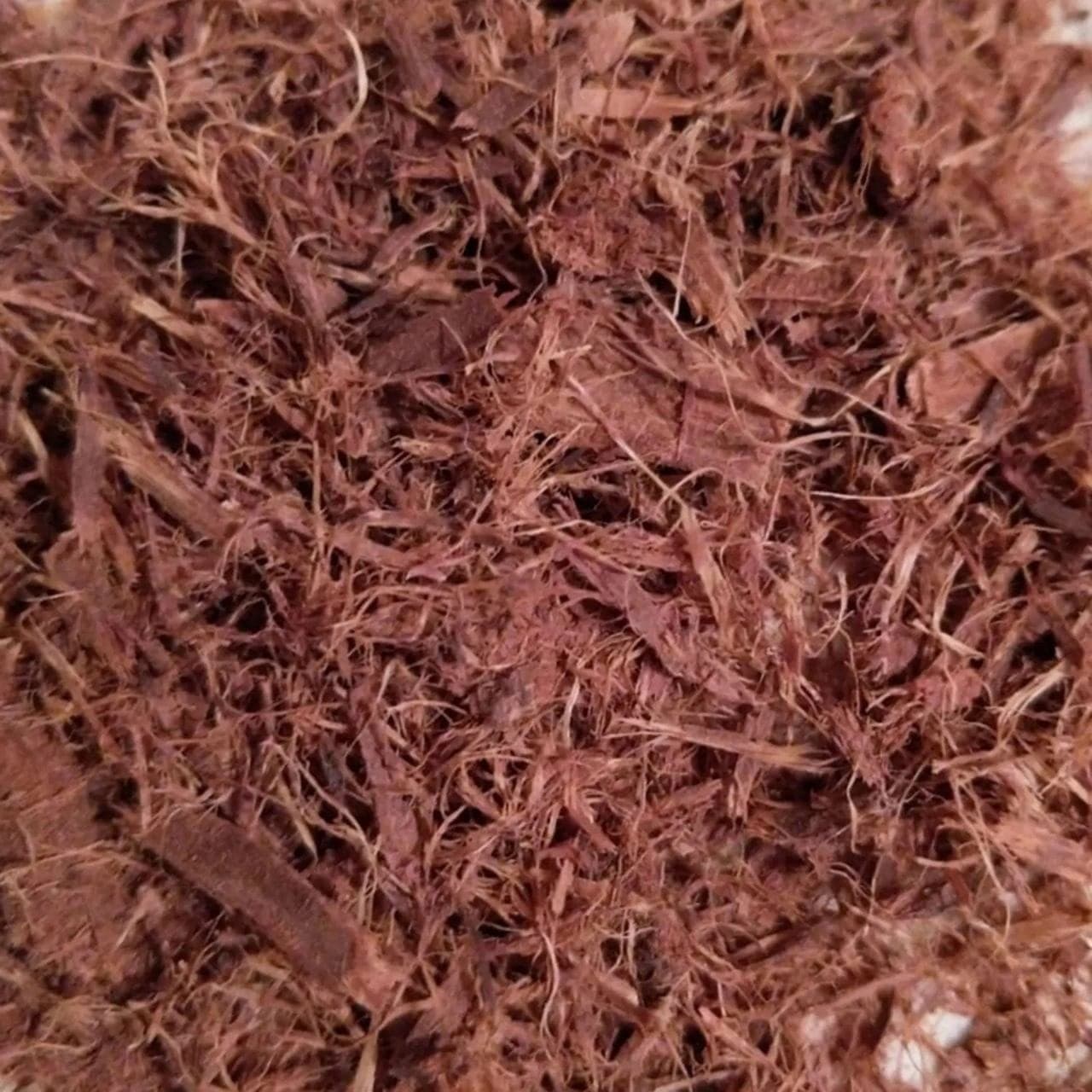
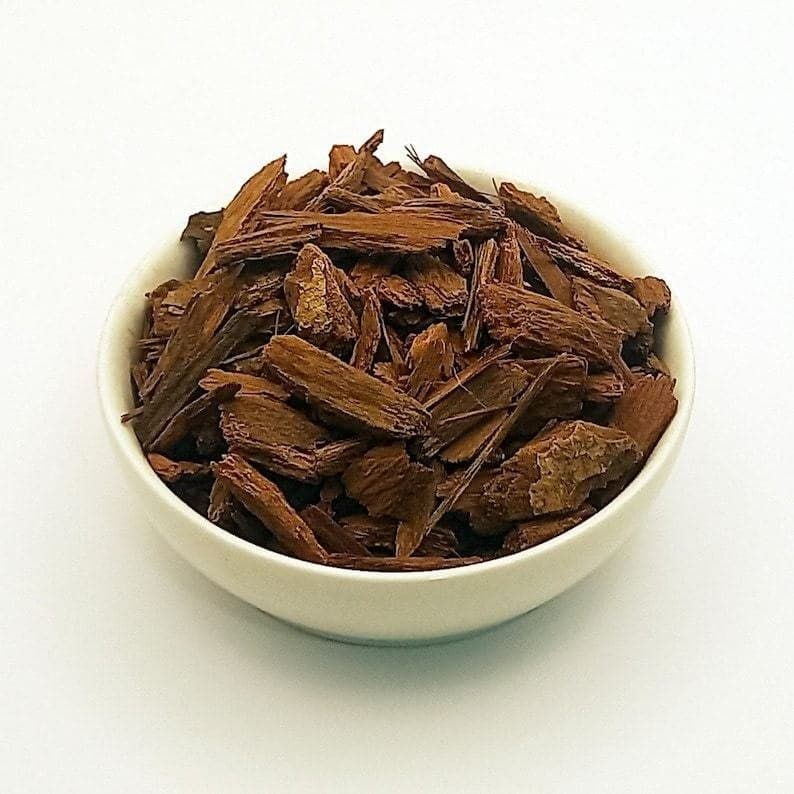
Powdered Mimosa Hostilis Root is the form this page is about. Shredded bark and stripped root produce very little airborne dust in normal handling.
If you mill your own, the milling itself is the dustiest operation in the whole process — see milling your own powder from bark.
Everything described here is raw botanical material sold for dyeing, soap making and craft work. It is not food, it is not a supplement, and it is not for human consumption. Nothing on this page is a recommendation to put any of it in or on a body.
Part of our guide: What Is Mimosa Hostilis Root Bark?
Powder gives up colour fastest and suits small test skeins and soap. Shredded bark lifts cleanly out of the pot and gives a usable second bath. Stripped roots keep longest and let you mill your own. The choice is about handling and storage, not about what colour you can reach.
A quarter pound covers a test plus a small project. A full pound covers a garment with material left for a second bath. Buy the larger size once you have settled on a form, and buy enough from one batch to finish anything that has to match, because bark from two harvests will not.
Milling multiplies surface area, and surface area governs how fast colour moves from plant material into water. Powder gives a full bath in an hour where coarse material wants three, gives almost everything on the first pass, and floats instead of settling. Every practical difference follows from particle size.