Powdered Mimosa Hostilis Root
Botanical use only
$37.501/4 lb
Your cart is empty
Everything we sell is batch-tested, and we tell you what ships to your state before you add it.
Browse the shop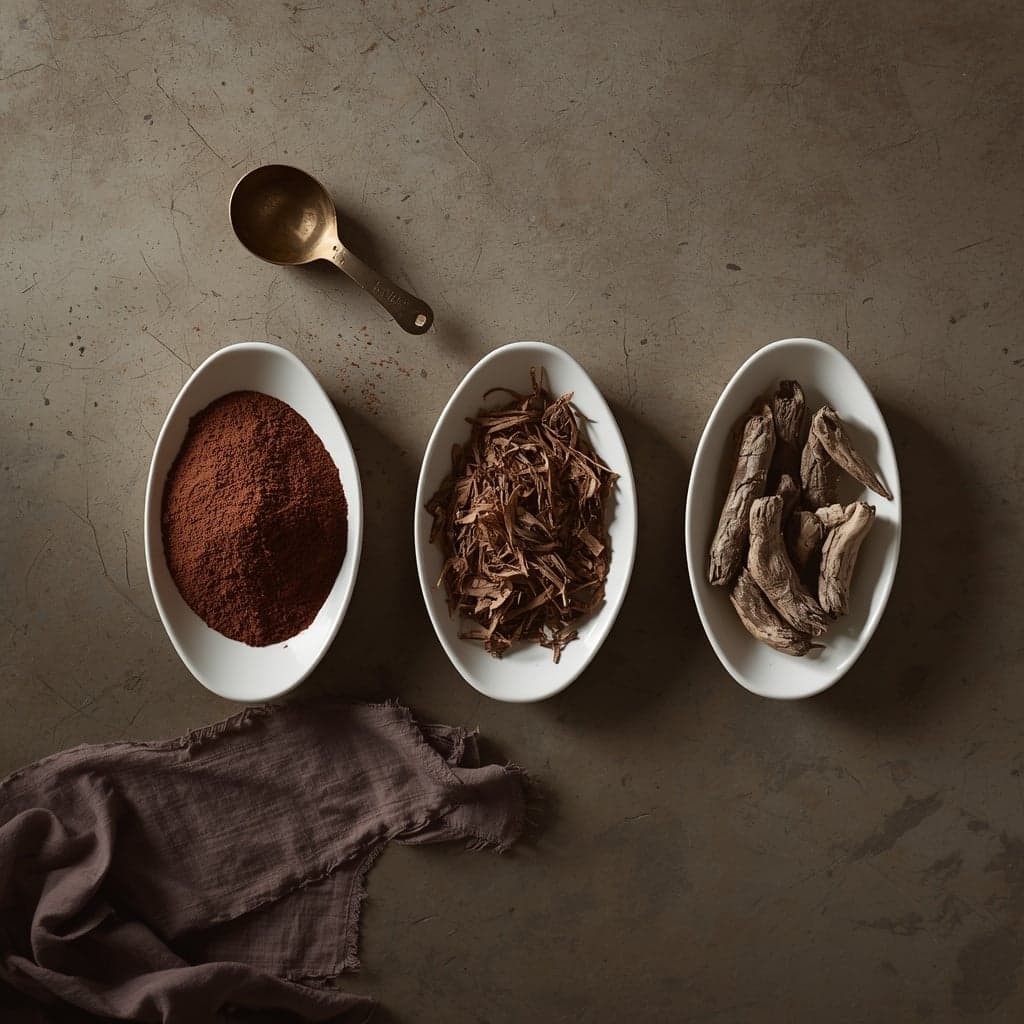
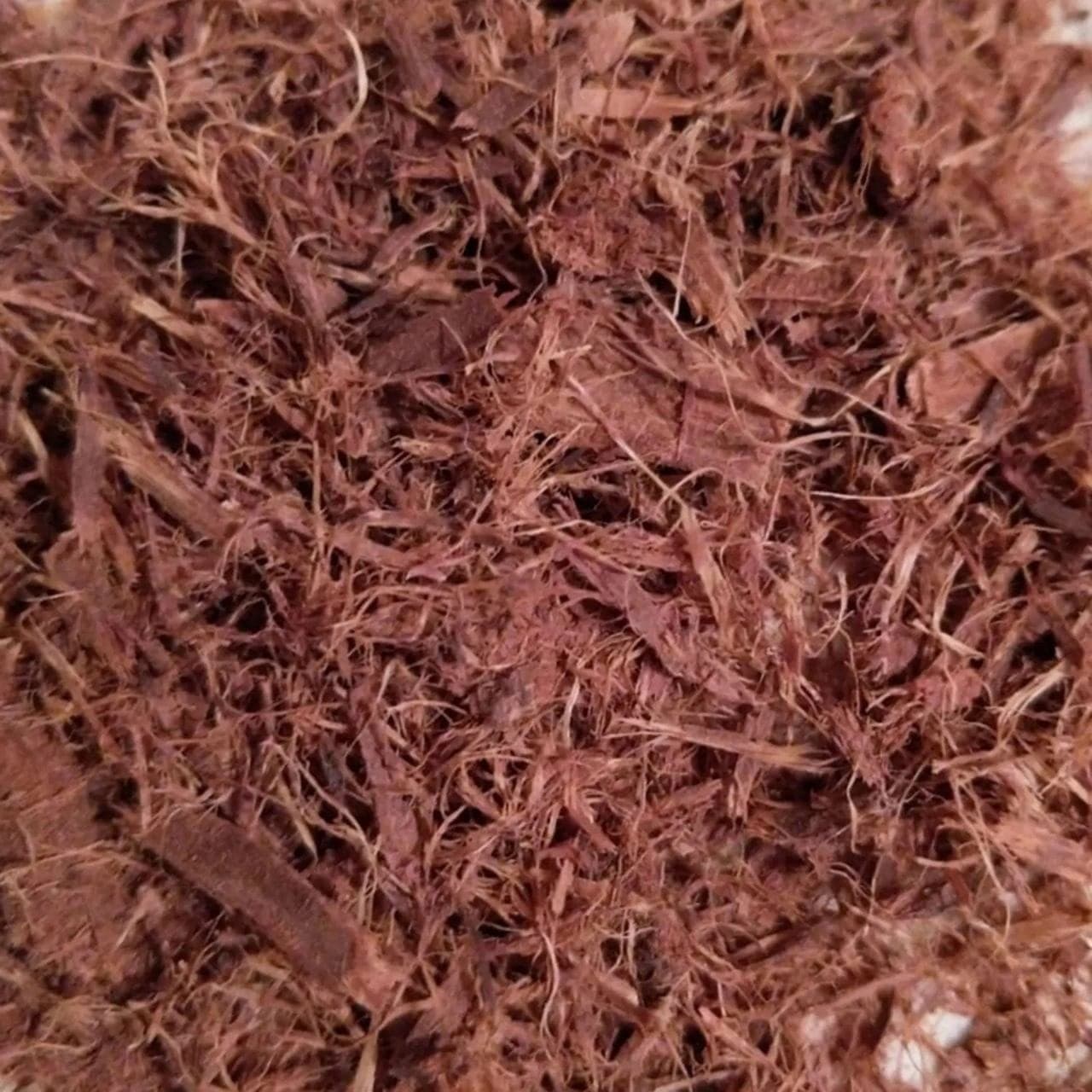
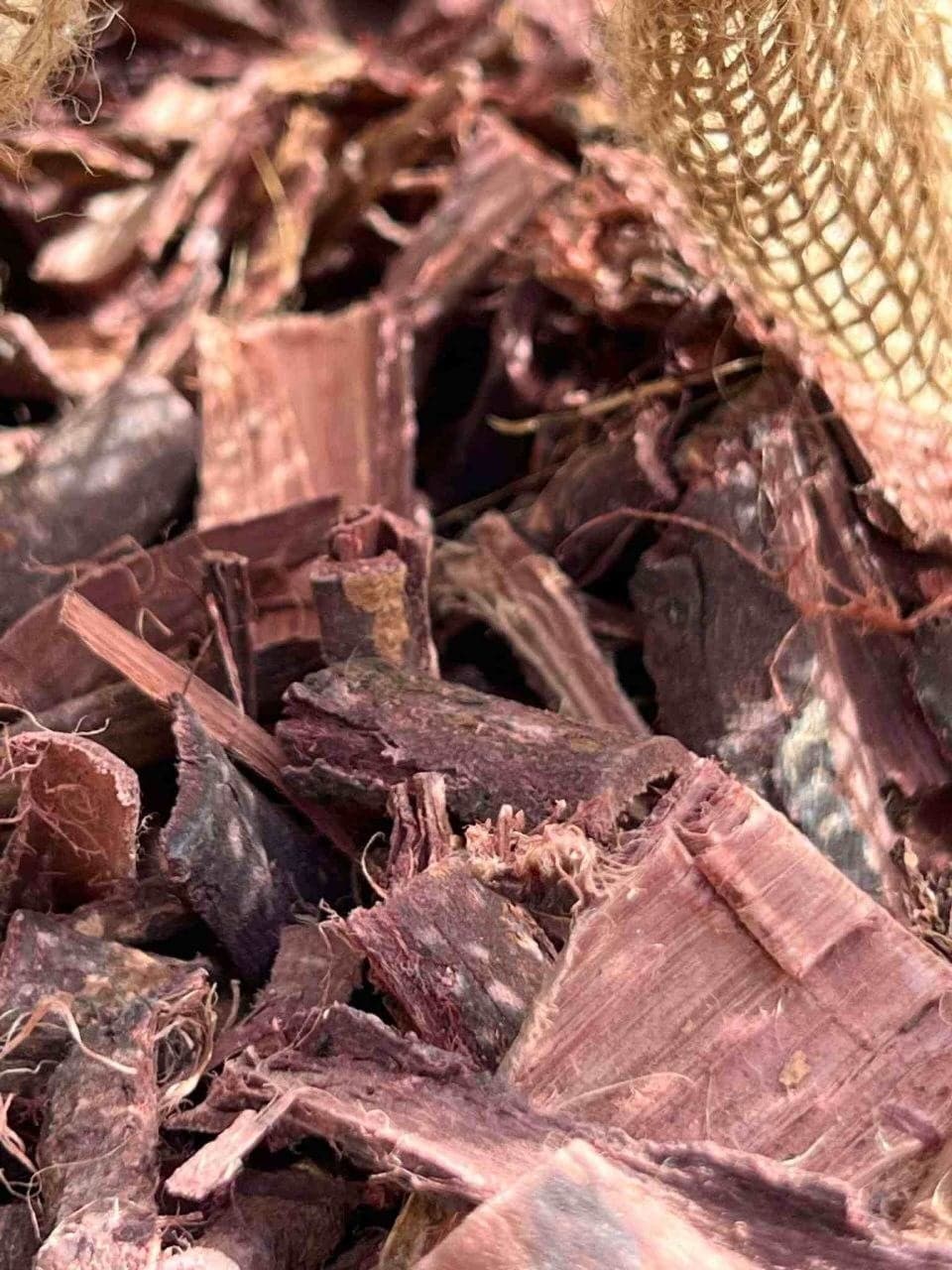
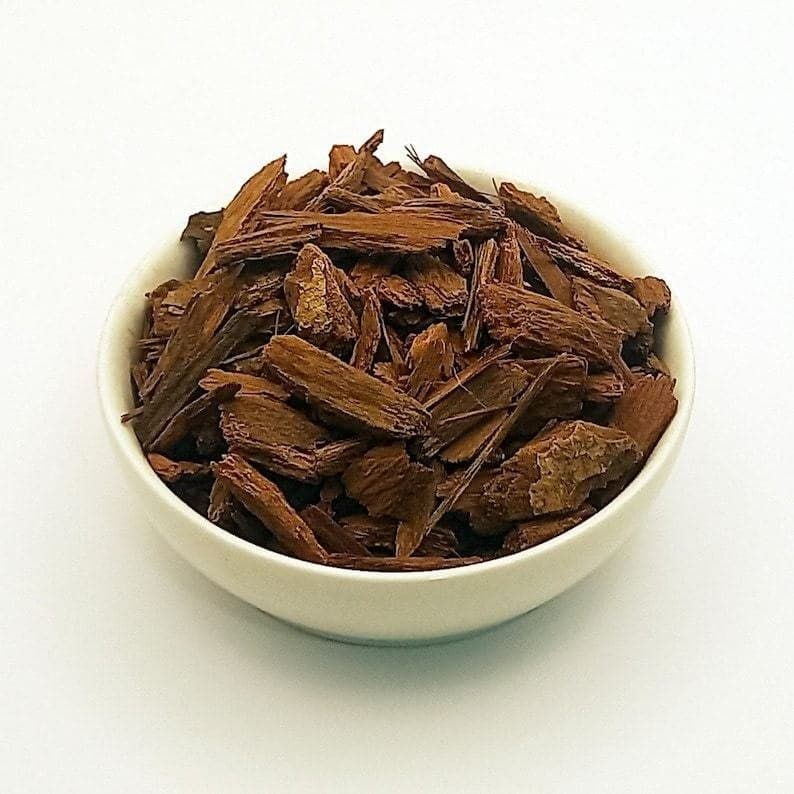
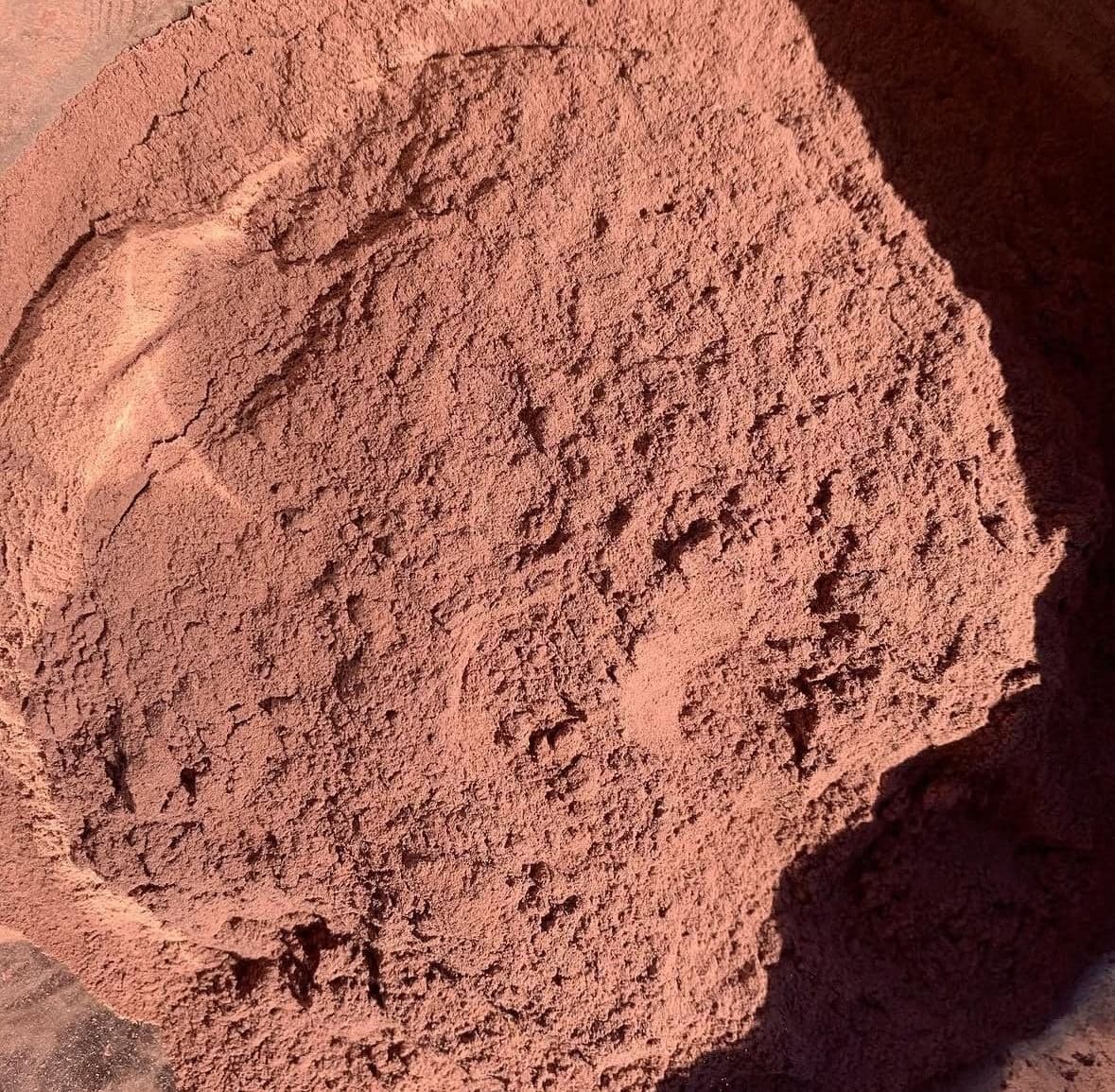
Powder gives up colour fastest and suits small test skeins and soap. Shredded bark lifts cleanly out of the pot and gives a usable second bath. Stripped roots keep longest and let you mill your own. The choice is about handling and storage, not about what colour you can reach.
Editorial Team · Compliance and product research · Updated
All three forms are the same material cut three different ways, and any of them will take wool into the same range of plum, burgundy and rose if you give them the conditions they need. What changes between them is how fast the colour arrives, how much mess you deal with, how long the bag keeps, and whether you get a second bath out of it.
This is the first decision most people make and the one they most often make twice, because the right answer depends on work you have not done yet. What follows is written to let you get it right the first time.
Milling multiplies surface area, and surface area is what governs how quickly colour moves from plant material into water. A powder bath that has been soaked overnight is usually giving everything it has within an hour of reaching temperature. A coarse cut under the same conditions may want three.
That speed is genuinely useful. If you are working through a set of test swatches — different mordant percentages, different pH modifiers, different fibres — you want each bath ready quickly, and you are not trying to be economical with material. Powder is the right tool for that.
### What powder costs you
Fine particles get everywhere and stay there. They lodge between the plies of a skein and dry as dark specks that look like a fault rather than a texture. They float rather than settling, so decanting does not separate them. They need a genuinely fine filter — a double layer of muslin, or a fine mesh bag holding the material from the start — and even then you will find some.
They are also airborne when you open the bag. Wear a dust mask when weighing powder. This is true of any milled plant material, from paprika to sawdust, and it is not a statement about this species in particular.
### Powder and second baths
Powder gives up nearly everything on the first pass. A second bath from spent powder is usually so pale it is not worth heating the water. If getting several tones from one bag matters to you, this is the wrong form — see second and third baths.
Shredded material sits in the middle of every trade-off, which is why most people who dye regularly end up buying it. Colour comes out more slowly, so you plan a long warm bath rather than a short hot one — and since heat is what turns purple into brown, being pushed towards patience is not a disadvantage.
The practical advantage is retrieval. A slotted spoon or a mesh bag gets the whole lot out in one movement, the bath goes clear, and what you lifted out is still worth something.
### The second bath is real
A pound of shredded bark will typically give a full-strength first bath and a clearly paler second one — often half to two-thirds the depth. On wool that reads as a soft rose against the first bath's plum. On silk it can be the prettier of the two.
Costed per usable bath rather than per pound, shredded is usually the cheapest form in the range, and that is before you count the third bath that sometimes appears.
Whole stripped root is the least processed thing we sell. Less cut surface is exposed to air and moisture, so it keeps longest — this is the form to buy if you are stocking for a year rather than a season.
It asks the most of you in return. You will be breaking or cutting it down before it is useful, an overnight cold soak stops being optional, and a first bath from whole root wants more time than you expect. People who buy it generally either mill their own to a grind they prefer, or are storing material against a supply gap.
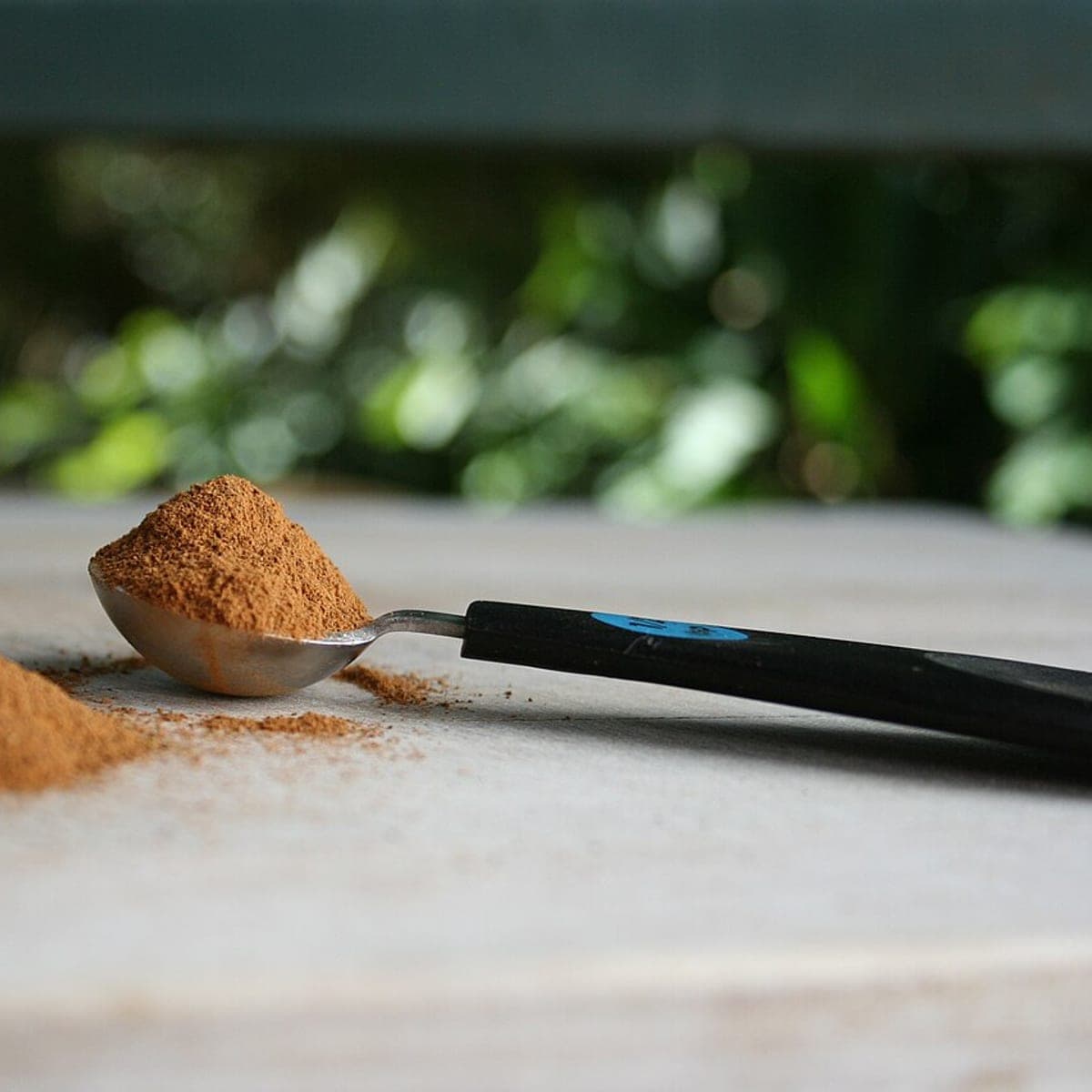
If you have never dyed with this material, buy a quarter pound of powder and a pound of shredded. The powder pays for itself in the first afternoon of testing; the shredded is what you use once you know what you are doing.
That combination also lets you run the same fibre, the same mordant and the same temperature against both forms and see the difference in your own pot, which is worth more than any comparison written by somebody else — including this one. There is more on sizing in buying dye material in bulk.
The working ratio does not change with the cut. Fifty to a hundred grams of bark for every hundred grams of dry fibre is the range for a full shade on wool, and the arithmetic is worked through in how much root bark per pound of fibre.
What does change is the water. Coarse material floats and needs a bigger pot to move freely; powder can be run in a tighter bath. Neither affects the depth of colour the fibre reaches, only how comfortable the process is.
All three forms want the same four conditions: sealed, dry, out of direct light, and away from a space that swings between freezing and hot. A garage that hits forty degrees in August and freezes in January is the worst place in most houses.
Damp is the specific enemy. Bark takes up moisture from the air; a bag that has absorbed it will cake, and caked powder never disperses properly again. Worse, damp plus warmth in a sealed bag is how mould starts, and mouldy material belongs on the compost heap rather than in a dye pot.
### Label the bag
Write the form and the batch code on it the day it arrives. Bark is an agricultural product and no two harvests are identical, so when you find a shade you want to reproduce, the batch is half of what made it. The code is printed on the packaging and it is the one piece of information nobody remembers six months later.
Sassafras Root Bark sits alongside these on the shelf and in the same sizes, which leads people to assume it is a fourth cut of the same plant. It is not — it is *Sassafras albidum*, a laurel from eastern North America, unrelated to the Brazilian mimosa. It has its own article, and its own federal position worth reading before you buy.
Sizes, prices and what ships where are on each product page and in the cart, not written into an article — so what you read at checkout is current rather than whatever was true when this was published. Delivery terms are in the shipping policy, and the background to the material itself is in the guide to what mimosa hostilis root bark is.
Everything described here is raw botanical material sold for dyeing, soap making and craft work. It is not food, it is not a supplement, and it is not for human consumption. Nothing on this page is a recommendation to put any of it in or on a body.
Part of our guide: What Is Mimosa Hostilis Root Bark?
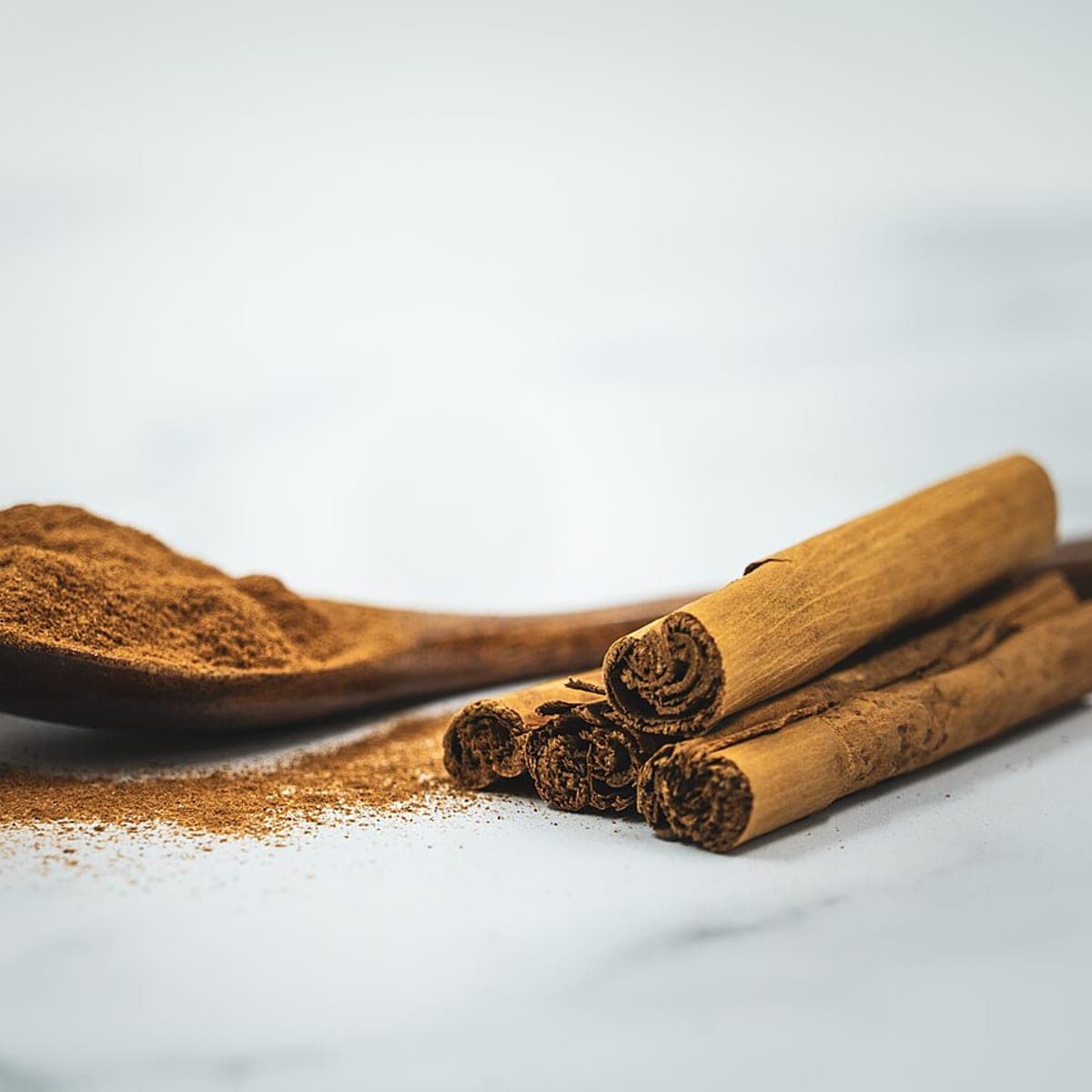
A quarter pound covers a test plus a small project. A full pound covers a garment with material left for a second bath. Buy the larger size once you have settled on a form, and buy enough from one batch to finish anything that has to match, because bark from two harvests will not.
Milling multiplies surface area, and surface area governs how fast colour moves from plant material into water. Powder gives a full bath in an hour where coarse material wants three, gives almost everything on the first pass, and floats instead of settling. Every practical difference follows from particle size.
Powder is the form most punished by poor storage, because the surface area that releases colour quickly also takes up moisture quickly. Sealed, dry, dark and at a stable temperature. Caked powder never disperses properly again, and damp plus warmth in a sealed bag is how mould starts.