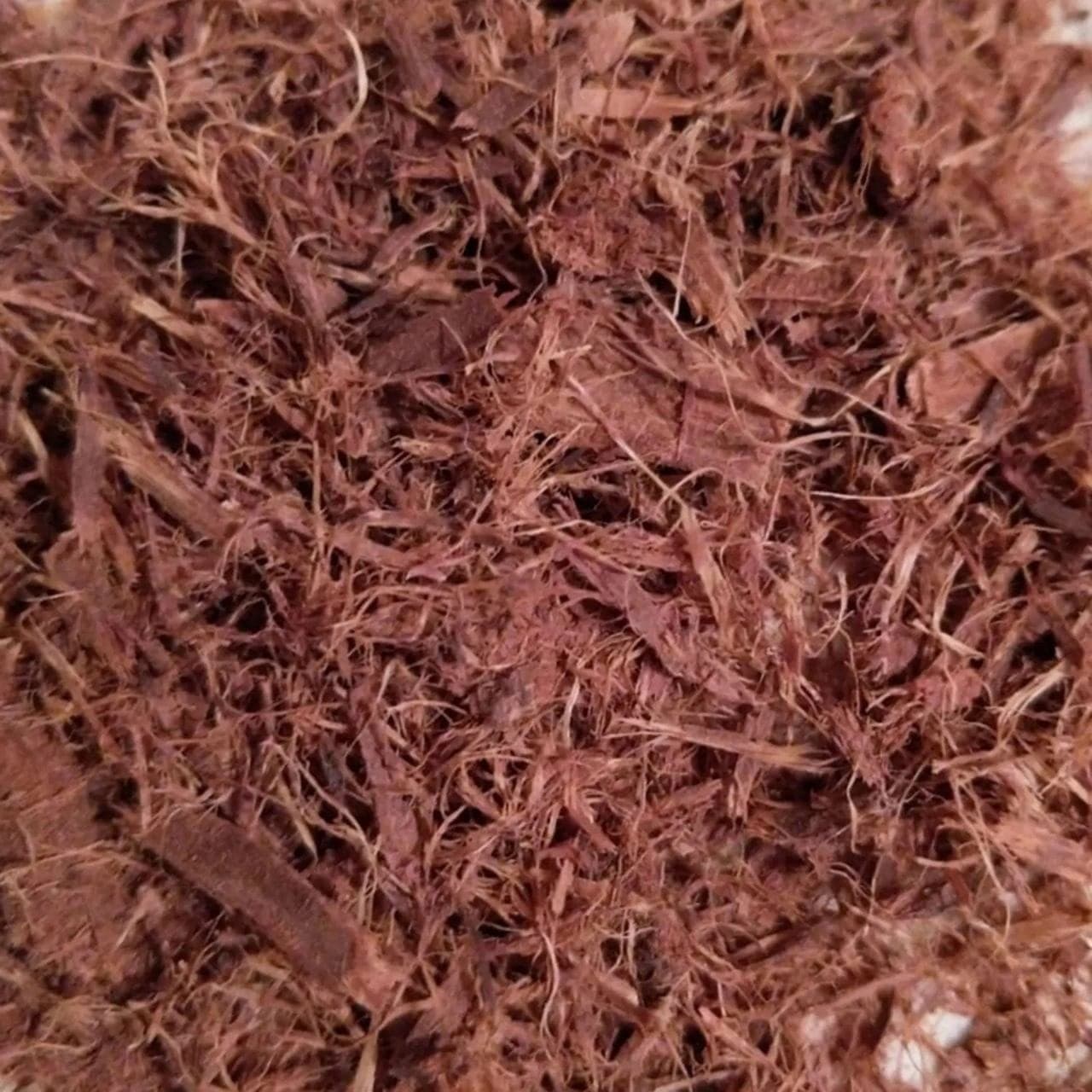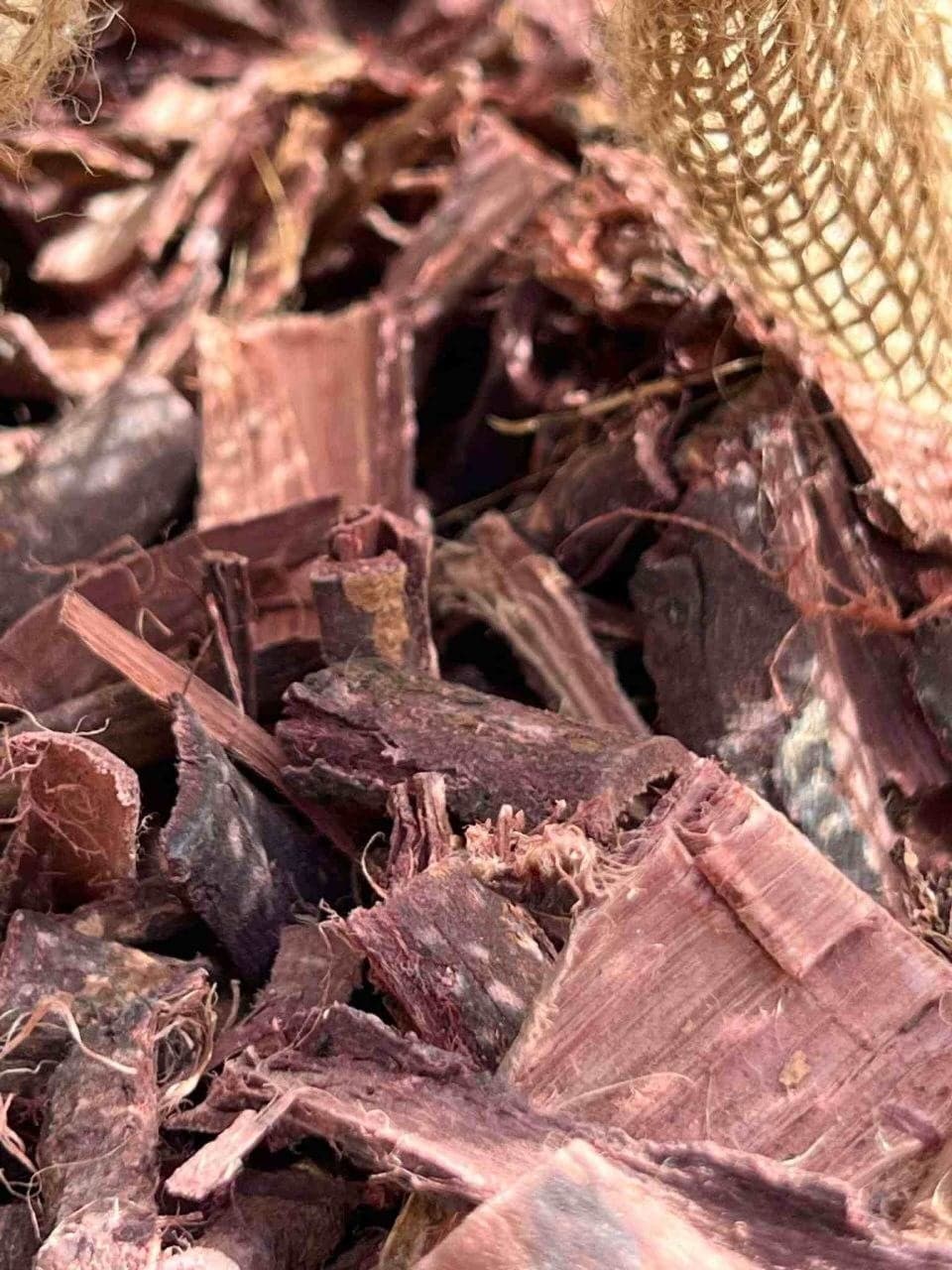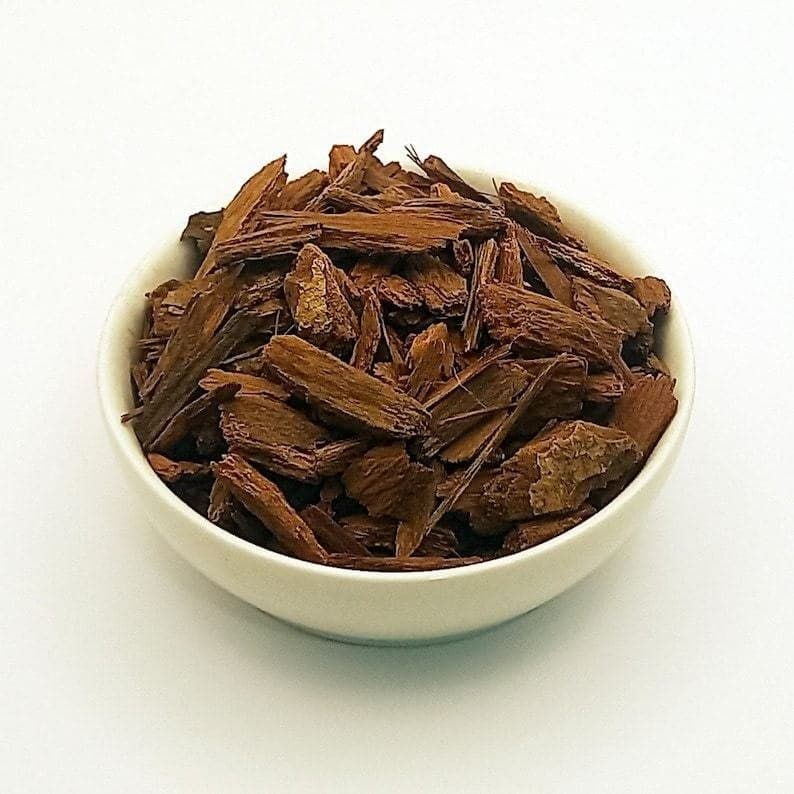
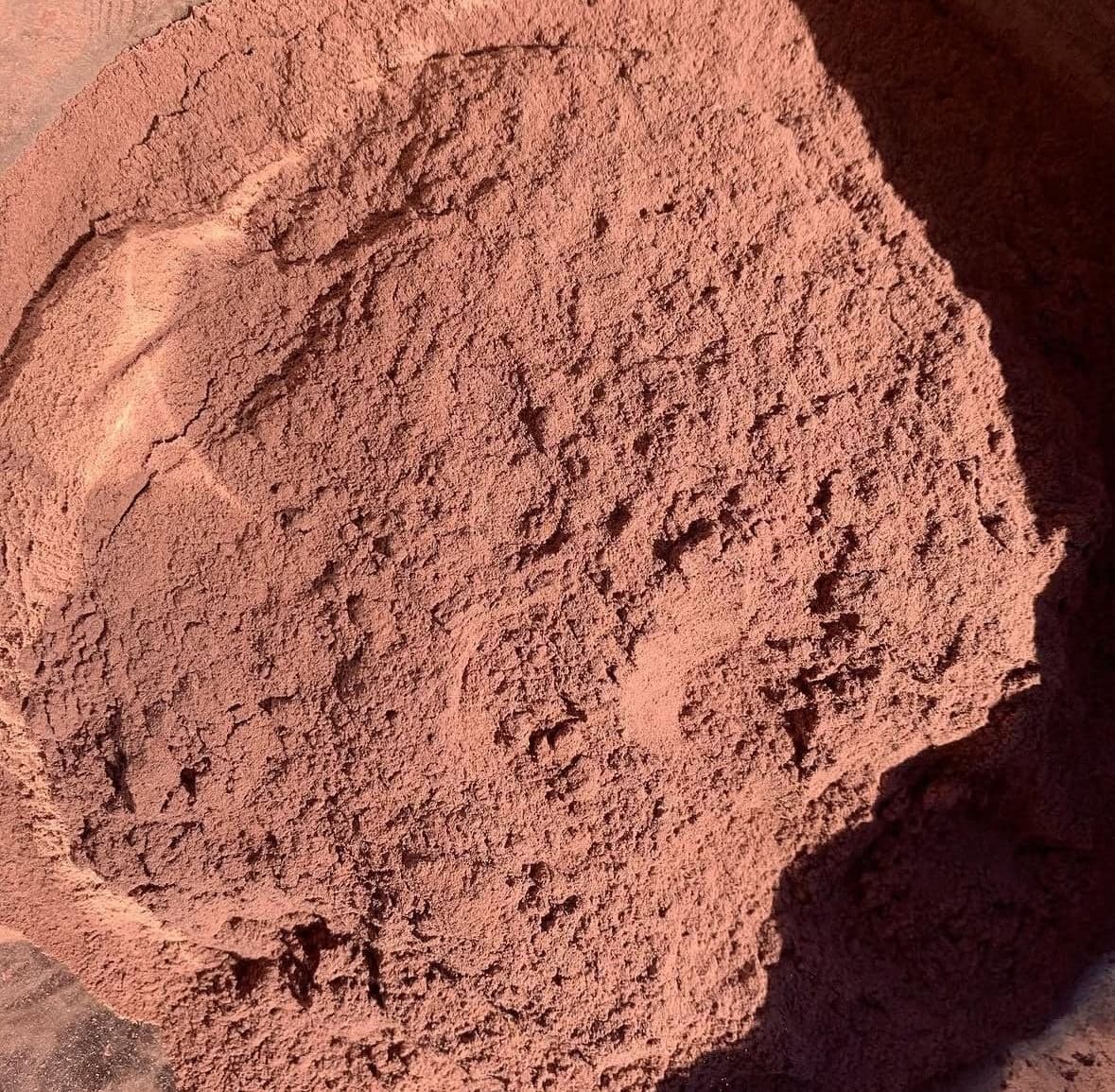
Powdered Mimosa Hostilis Root
Botanical use only
$37.501/4 lb
Your cart is empty
Everything we sell is batch-tested, and we tell you what ships to your state before you add it.
Browse the shop
Photograph the outer packaging before opening it further, then the contents as they arrived, then send us the order number. Those photographs are what a carrier claim needs and cannot be reconstructed later. Report within a few days while the claim window is open, and keep the packaging until it is settled.
Editorial Team · Compliance and product research · Updated
Damage in transit is uncommon but it happens, and what you do in the first ten minutes largely decides how easily it is resolved. The instinct on seeing a battered parcel is to open it and check the contents. That instinct is the problem.
Photograph the outer packaging. All sides, including the label, and any crushing, tearing, staining or re-taping.
This is the single most important step and the one most often skipped. A carrier claim rests on evidence that the damage happened before delivery, and an outer box already opened, flattened and put in the recycling makes that case very hard to make. Two minutes with a phone protects the whole claim.
Photograph what is inside as it arrived, before moving anything. If an inner seal has failed and material has escaped into the outer packaging, photograph that too — it is the clearest possible evidence of a seal failure rather than a packing error.
If the order is short rather than damaged, lay out everything that did arrive and photograph it together, so the gap is visible in one frame rather than described in a sentence.
Send the order number and the photographs through the contact page or by replying to your order email.
We can open a case with the carrier as the shipper, which is generally faster than a recipient attempting the same thing — carriers deal more readily with account holders than with one-off consignees, and we can see the weight recorded at the label stage.
### Do it within a few days
Carrier claim windows are finite and shorter than most people expect. A report two weeks after delivery is much harder to act on than one made the same day, however clear the photographs are.
We check the photographs against what was packed and shipped, and against the weight recorded on the label. Where the order was short, or the material arrived unusable, we replace it or refund it.
We do not ask you to return damaged botanical material. Shipping a compromised bag back and forth helps nobody and costs everybody; the photographs are the evidence.
Bark that arrives damp should be reported even if the outer packaging looks intact.
Material is double-sealed precisely so this does not happen, so a damp bag means a seal failed somewhere in transit — which is useful for us to know, and which affects whether the material is fit to use.
Do not try to dry it out and use it. Once bark has been wet and warm inside a sealed bag it can carry mould that is not always visible, and that is not a risk worth taking with a dye pot, a soap batch or a piece of leather you have spent a week on.
Hold on to the outer packaging and the inner seal until the case is closed. Carriers occasionally ask to inspect, and packaging thrown away on the day of delivery ends most claims there.
Put it somewhere out of the way rather than somewhere it will be tidied away by somebody else.
Same procedure: photograph it as it arrived, including the label, and send us the order number. Do not open sealed material you did not order — an unopened bag can be resolved far more simply than an opened one.
If a substitution was agreed in advance, that will be on your order email; if it was not, it is an error and we will correct it.
If what arrived is the right product but a different batch from the rest of a project, tell us. Bark varies between harvests, and a project that has to match needs to be finished from one batch — the reasoning is in buying dye material in bulk.
That is not a damage claim, but it is a real problem and it is usually fixable if we hear about it before you have dyed half a garment.
Whatever arrived, the current listings are powdered root, stripped roots, shredded bark and sassafras root bark. Returns terms are in the returns policy.
Everything described here is raw botanical material sold for dyeing, soap making and craft work. It is not food, it is not a supplement, and it is not for human consumption. Nothing on this page is a recommendation to put any of it in or on a body.
Every order is double-sealed in packaging that says nothing about its contents. Botanical orders travel by USPS, UPS or a local agency and are free from $100. Vapor products are regulated under the PACT Act, ship separately on a compliant carrier, and are never included in free shipping.
Volumes beyond the listed sizes are quoted by a person, because the price depends on quantity, single-batch availability and destination. Send the products, the quantities, the delivery state and your timescale. Licensed resellers should include their licence: the official certificate of analysis is issued against it.
Orders of one hundred dollars or more ship free within the United States, counted on the goods before any delivery charge. Vapor products are excluded because they travel on a separate PACT Act carrier that charges regardless of total. A mixed order gets free shipping on the botanical half only.