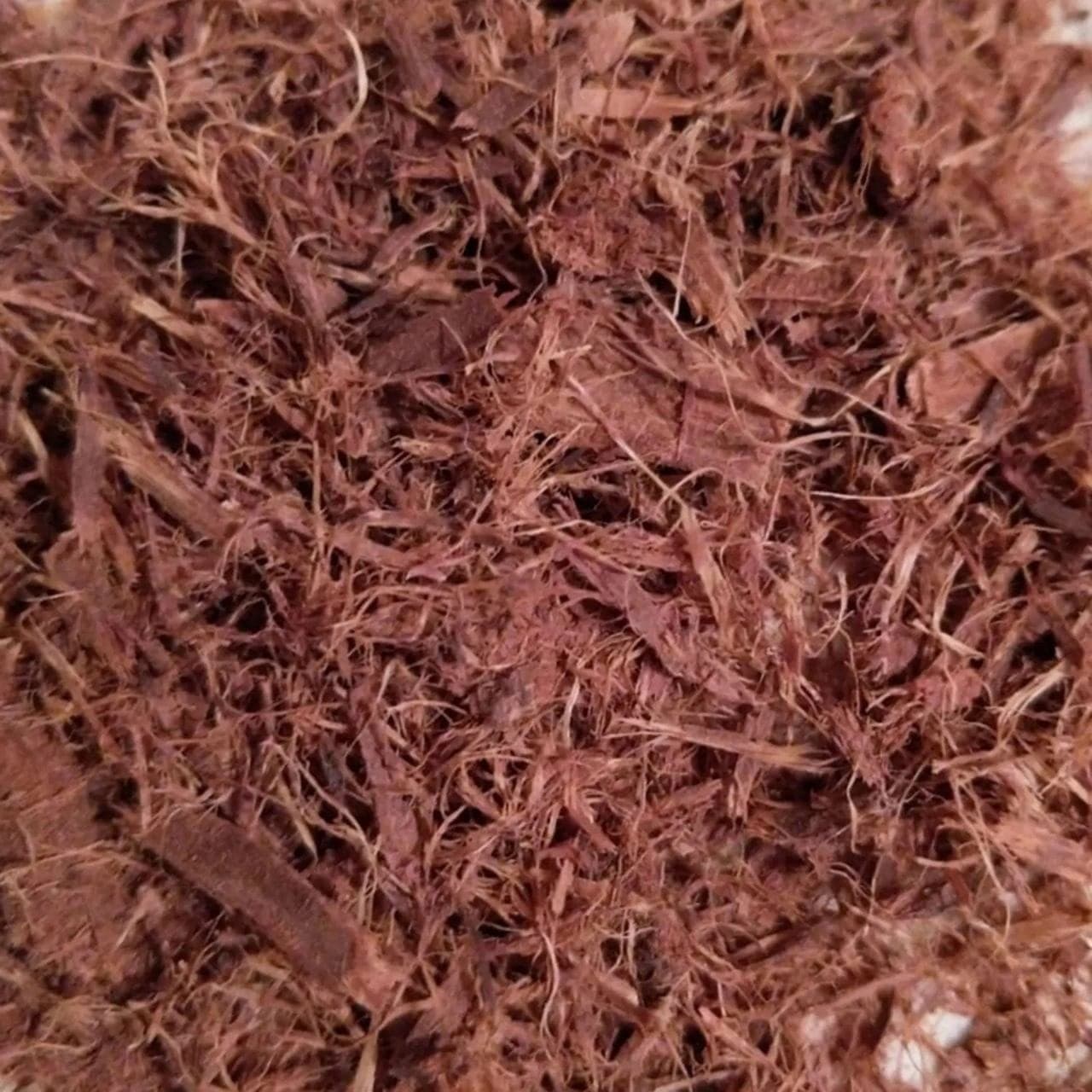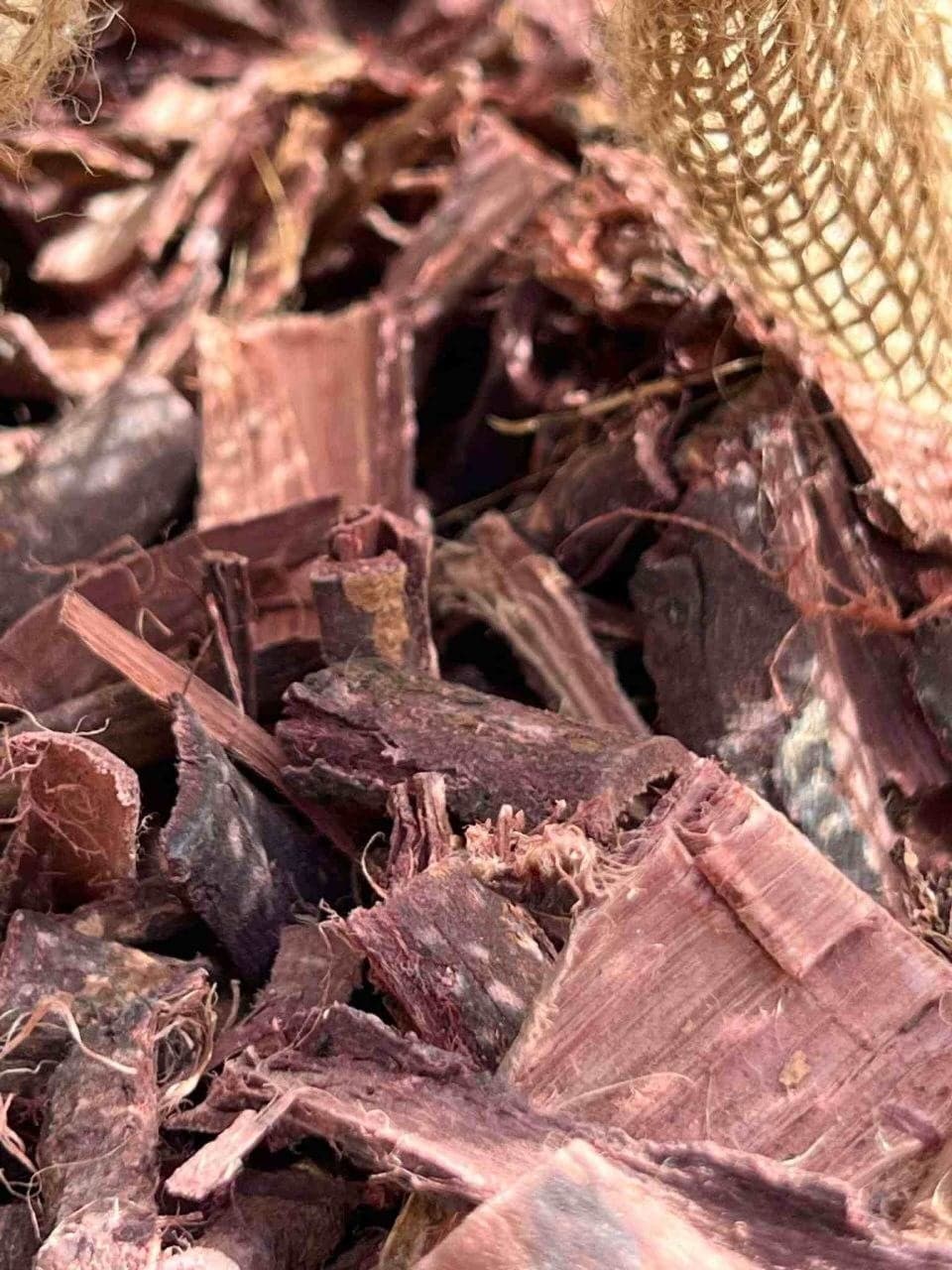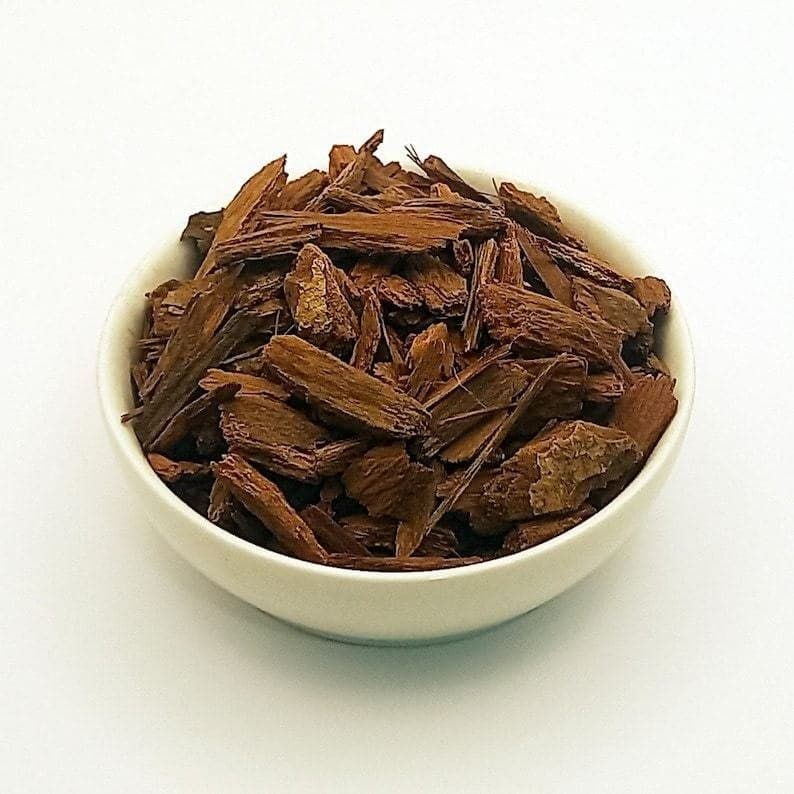
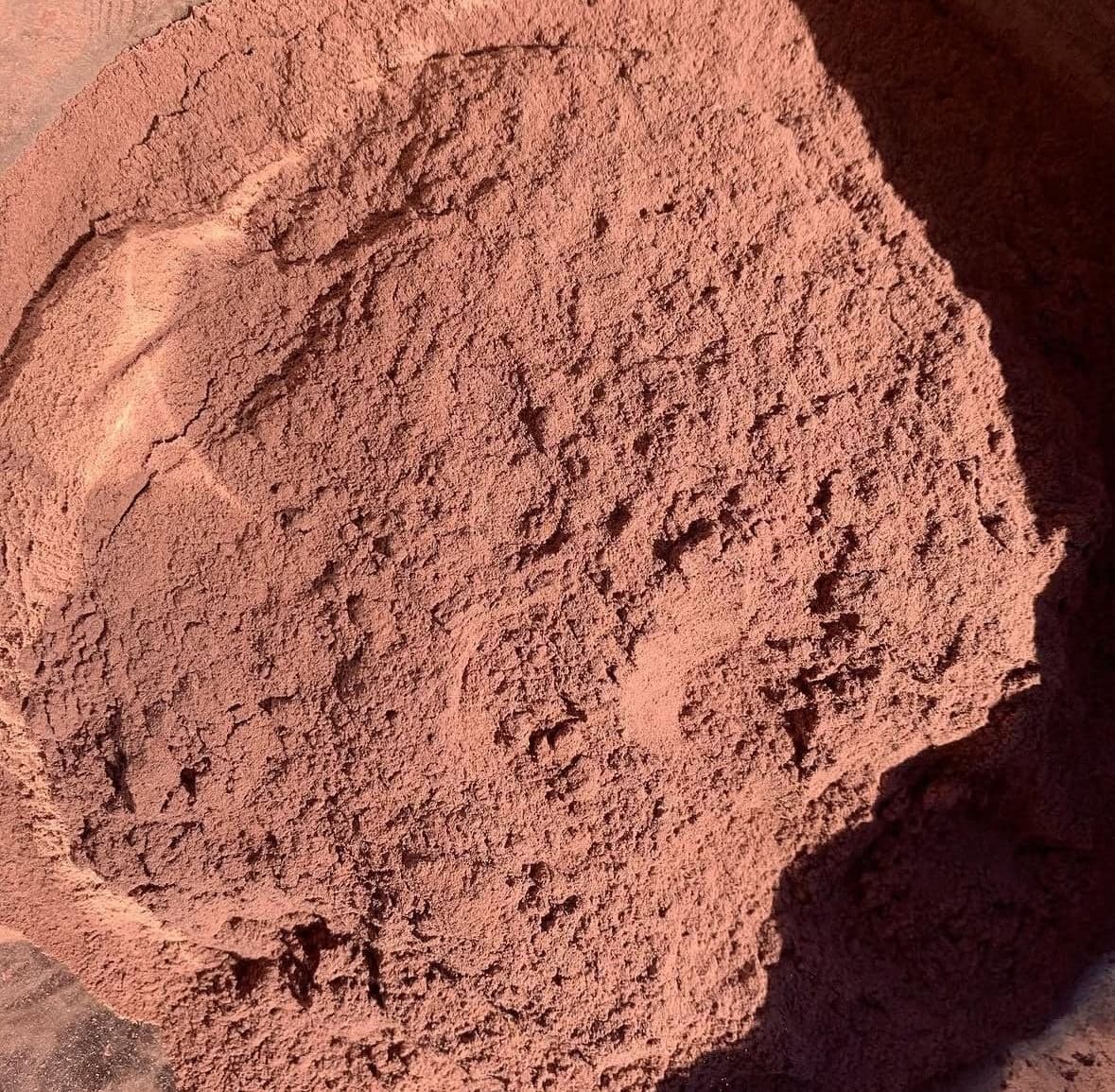
Powdered Mimosa Hostilis Root
Botanical use only
$37.501/4 lb
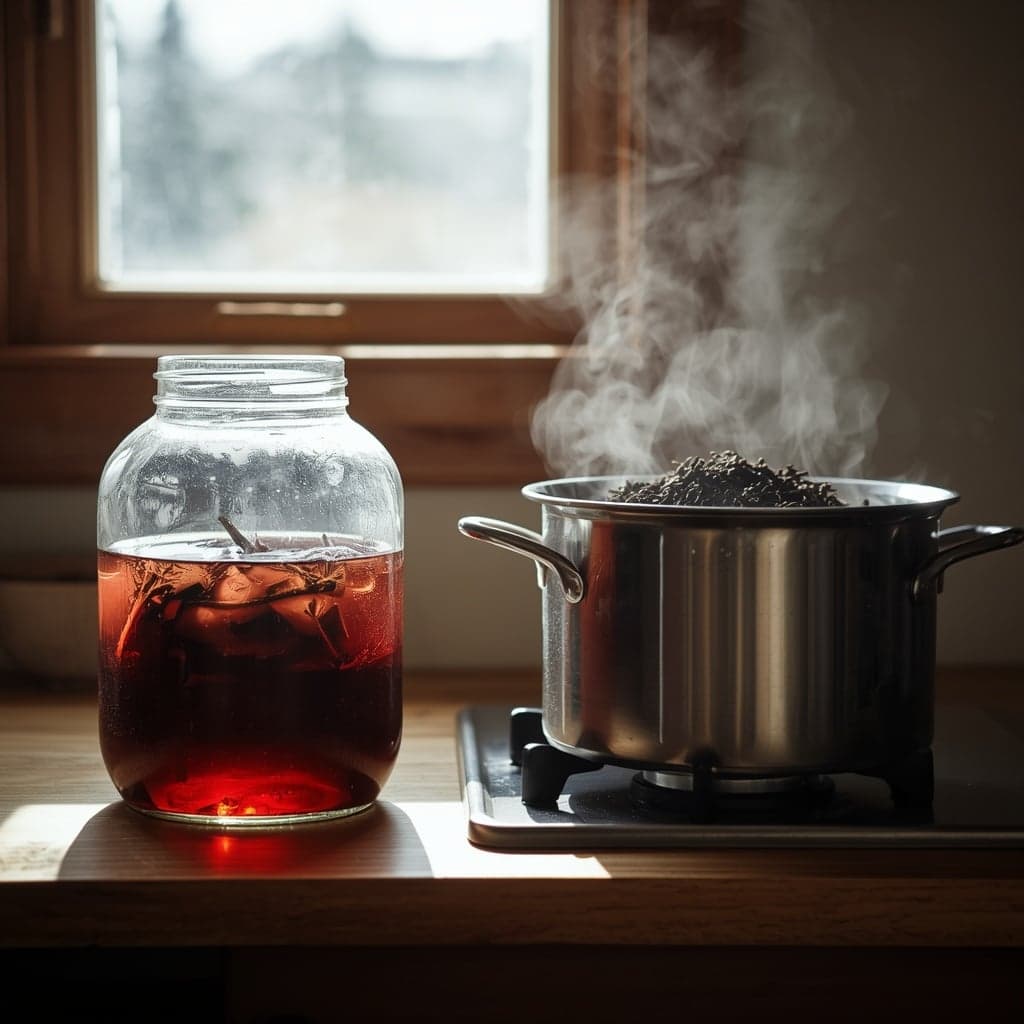
A long cold soak gets colour into the water at a temperature that cannot dull it, and shortens the hot stage afterwards. Going straight to heat finishes the same day and tends browner. Most dyers who care about purple soak overnight, warm gently, strain, then dye — and let the pot cool with the fibre in it.
Editorial Team · Compliance and product research · Updated
How you get colour out of bark and into water decides more about the final shade than the quantity of bark does. It is the step people think least about and the one that most reliably separates a good result from an average one.
There are two approaches and one combination that most experienced dyers converge on.
Cover the material in cold water and leave it alone. Overnight is standard practice. Two nights is better with coarse shredded bark, and close to necessary with whole stripped root.
Colour moves out slowly, and — this is the point — it moves out at a temperature that cannot damage the compounds that read as purple. By the time any heat is applied, a large proportion of the work is already done, so the hot stage can be short and gentle rather than long and punishing.
Best for: purples and plums, coarse material, anyone who can plan a day ahead.
Costs you: a day.
Material in, pot up to temperature, hold an hour or two, strain, dye. It works, and on a day when something needs finishing it is the honest choice rather than a compromise.
It does tend browner, because a larger share of the colour is being drawn out at the temperature where purple-reading compounds are least stable. If you take this route, be stricter about temperature rather than more relaxed — eighty degrees and not a degree more.
Best for: browns and warm neutrals, powder, same-day work.
Costs you: control, and some of the purple range.
1. Cold soak the material overnight in the pot you will use.
2. Warm the same pot slowly to around 80°C and hold it for forty-five minutes to an hour.
3. Strain the material out completely — muslin, or a mesh bag used from the start.
4. Let the bath drop a little, then add the wet mordanted fibre.
5. Bring it gently back to temperature and hold for an hour, turning occasionally.
6. Turn the heat off and leave the fibre in the cooling bath overnight.
That sequence does the bulk of the work cold, uses heat only to finish it, and then uses the long cool to drive colour into the fibre. Steps five and six are where most of the depth arrives, and they cost nothing but patience.
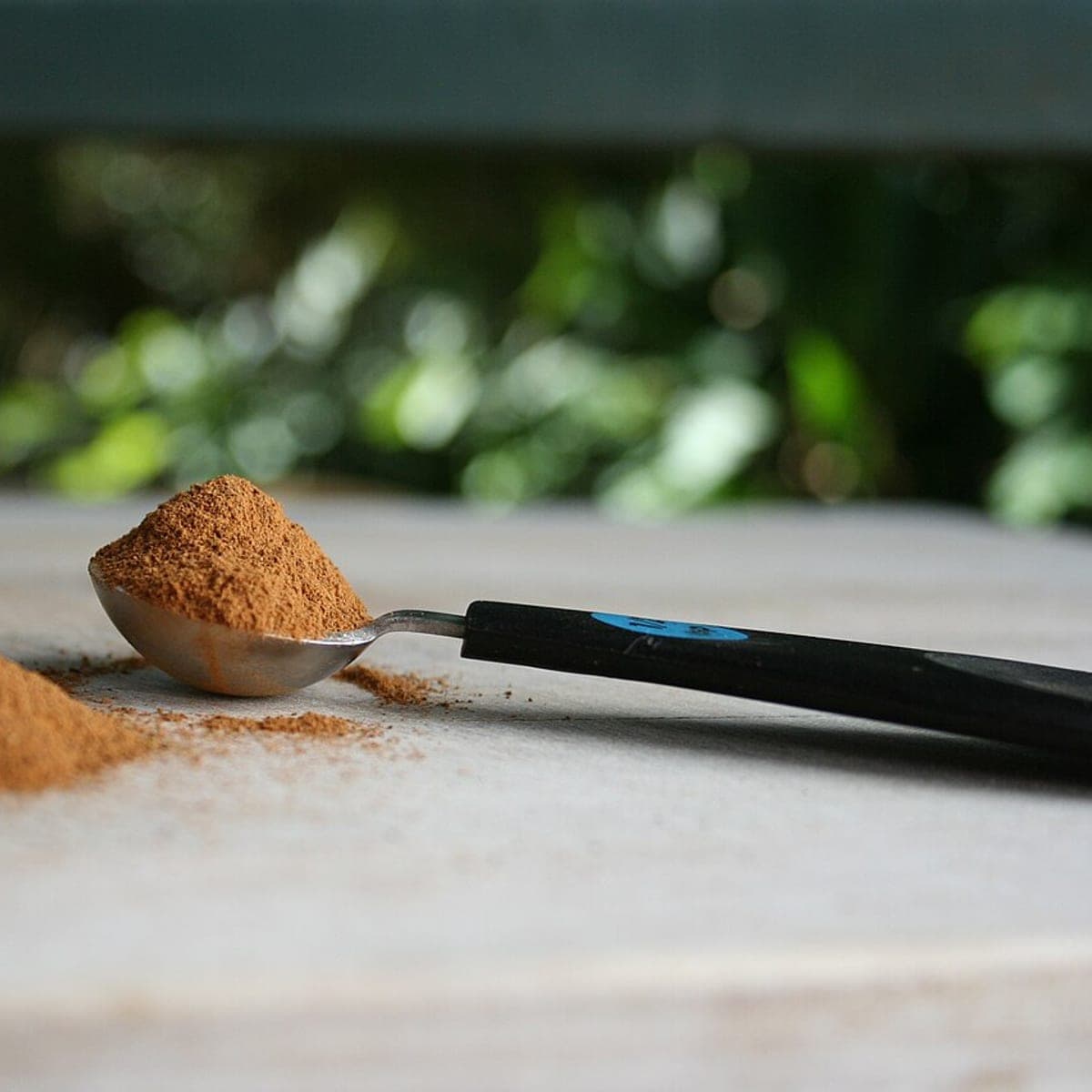
Particles resting against wool colour that spot more heavily than the rest, and the result looks like a fault rather than a texture. Fine powder in particular is very difficult to rinse out of a dense yarn once it is in there.
The cleanest method is a fine mesh bag holding the material from the moment it goes into the cold soak. You never have to filter anything; you lift the bag out.
The overnight cool is doing real work. As the bath drops through the seventies and sixties the fibre keeps taking colour, in conditions far gentler than any active heating stage.
Turning the heat off and going to bed is, genuinely, one of the highest-value steps in the whole process. It is also the one most often skipped by people in a hurry, who then wonder why their colour is shallower than the pictures.
If you intend to take a second or third bath from the same material, keep it wet between baths — in water, in a covered pot, somewhere cool. Material that has dried out after a first bath gives up very little afterwards.
Three baths across three days is comfortable. Three baths across three weeks is a mould problem.
It cannot be said too often: the difference between plum and brown is almost entirely the difference between eighty degrees and a boil. Everything in getting purple instead of brown applies to the bark stage as much as to the fibre stage.
A thermometer costs less than a quarter pound of bark and will save you several.
Sassafras Root Bark is a different species from a different continent, and a routine written for mimosa is a starting point rather than a recipe for it. Cold soak a small amount, warm it gently, dye a test strip and record what you get — there is more in its own article.
Everything described here is raw botanical material sold for dyeing, soap making and craft work. It is not food, it is not a supplement, and it is not for human consumption. Nothing on this page is a recommendation to put any of it in or on a body.
Part of our guide: What Is Mimosa Hostilis Root Bark?
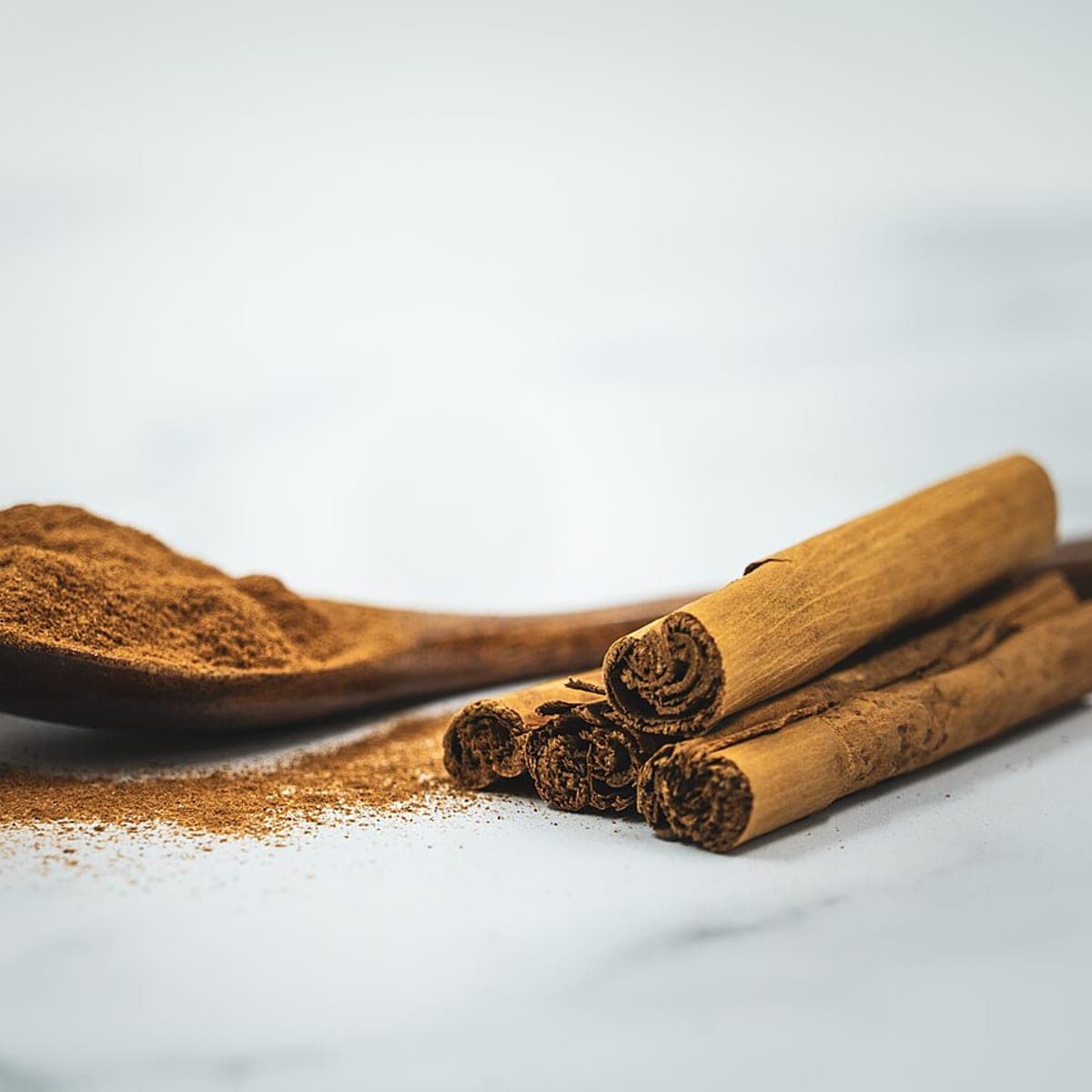
Weigh the fibre dry, then work every other quantity as a percentage of that weight. Fifty to eighty per cent of the fibre weight in bark is the everyday range for a full shade on wool. Thirty gives a tint, a hundred gives depth, and above about a hundred and twenty you are heating material that stays in the pot.
Vegetable-tanned leather takes bark colour well because it is already full of tannin. Chrome-tanned largely does not. Work in thin coats on clean, dry leather, let each dry fully, and condition afterwards. Test on an offcut from the same hide, because leather varies across a single skin.
Shredded bark is rarely spent after one bath. A second gives roughly half to two-thirds the depth, and a third gives a pale tint that is often the prettiest on silk. Powder gives almost everything on the first pass. Plan the order before you start, because you cannot climb back up the ladder.
Your cart is empty
Everything we sell is batch-tested, and we tell you what ships to your state before you add it.
Browse the shop