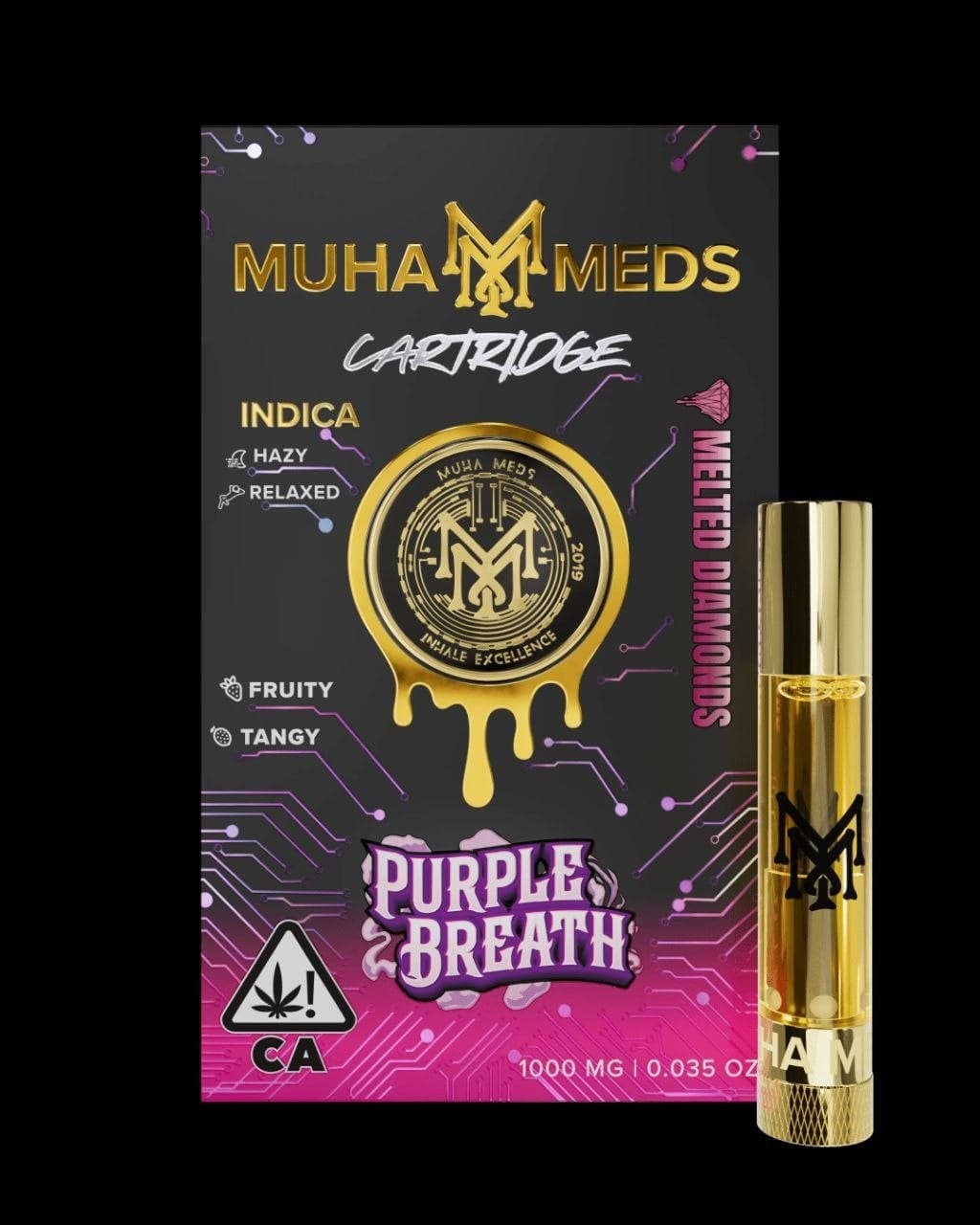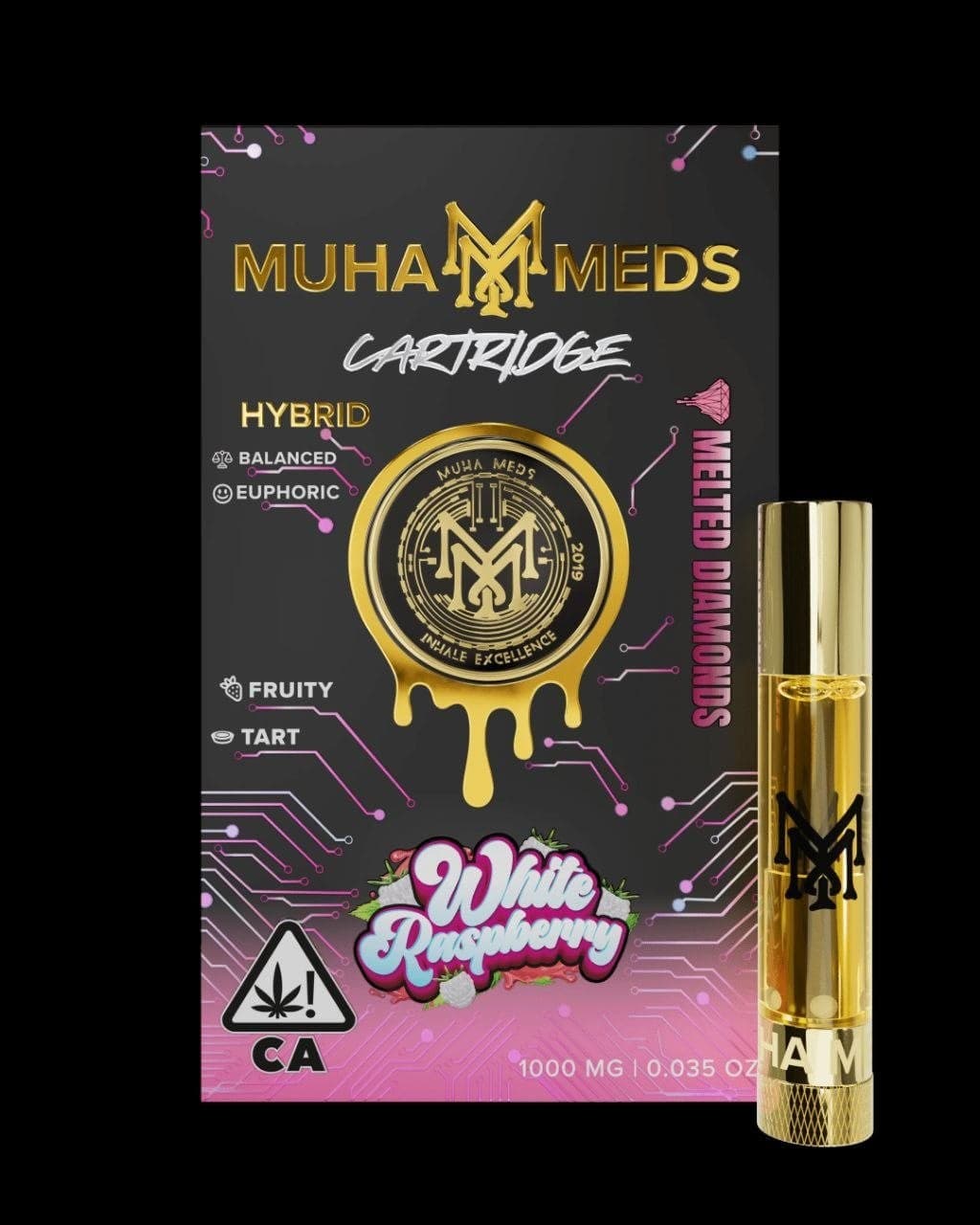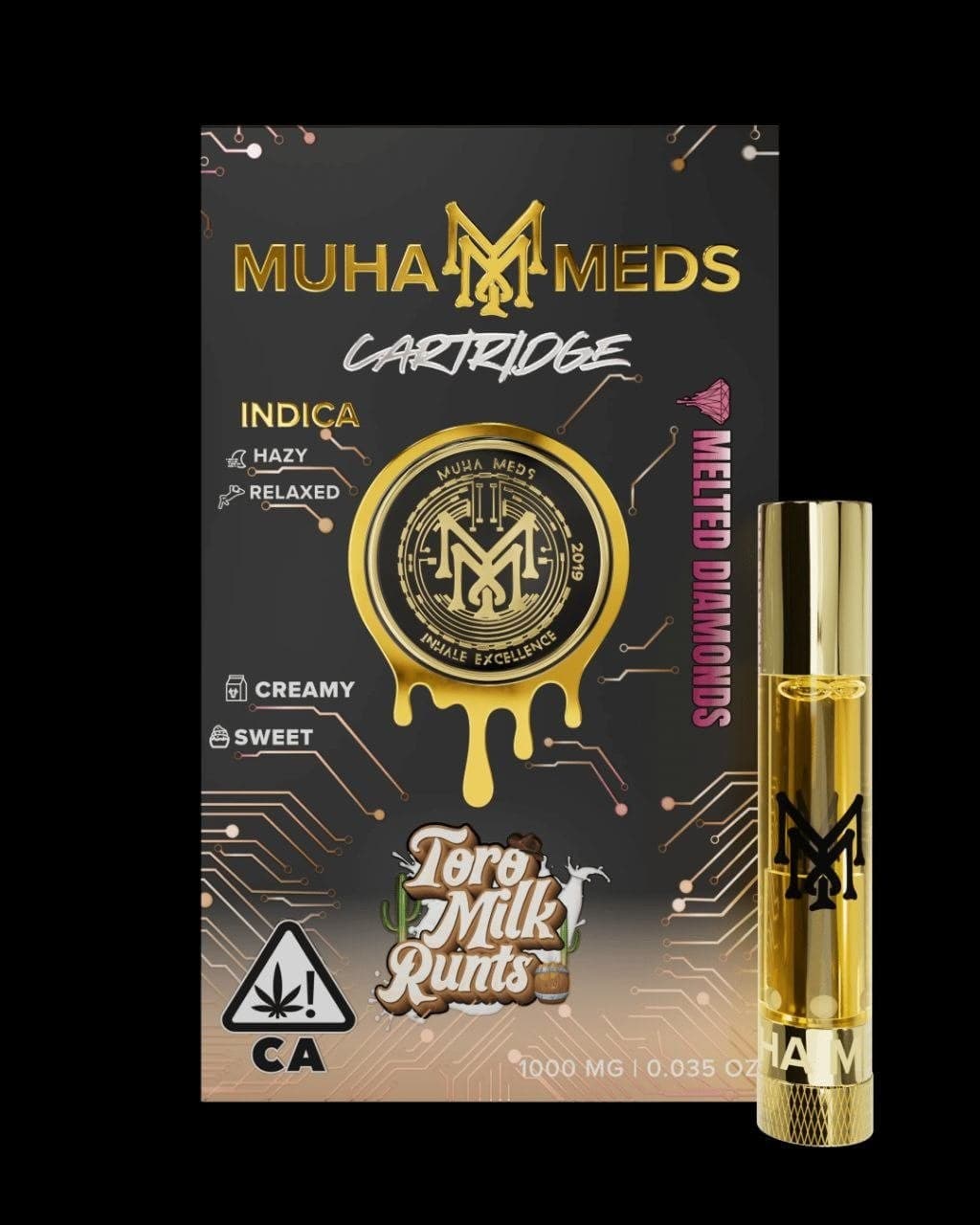
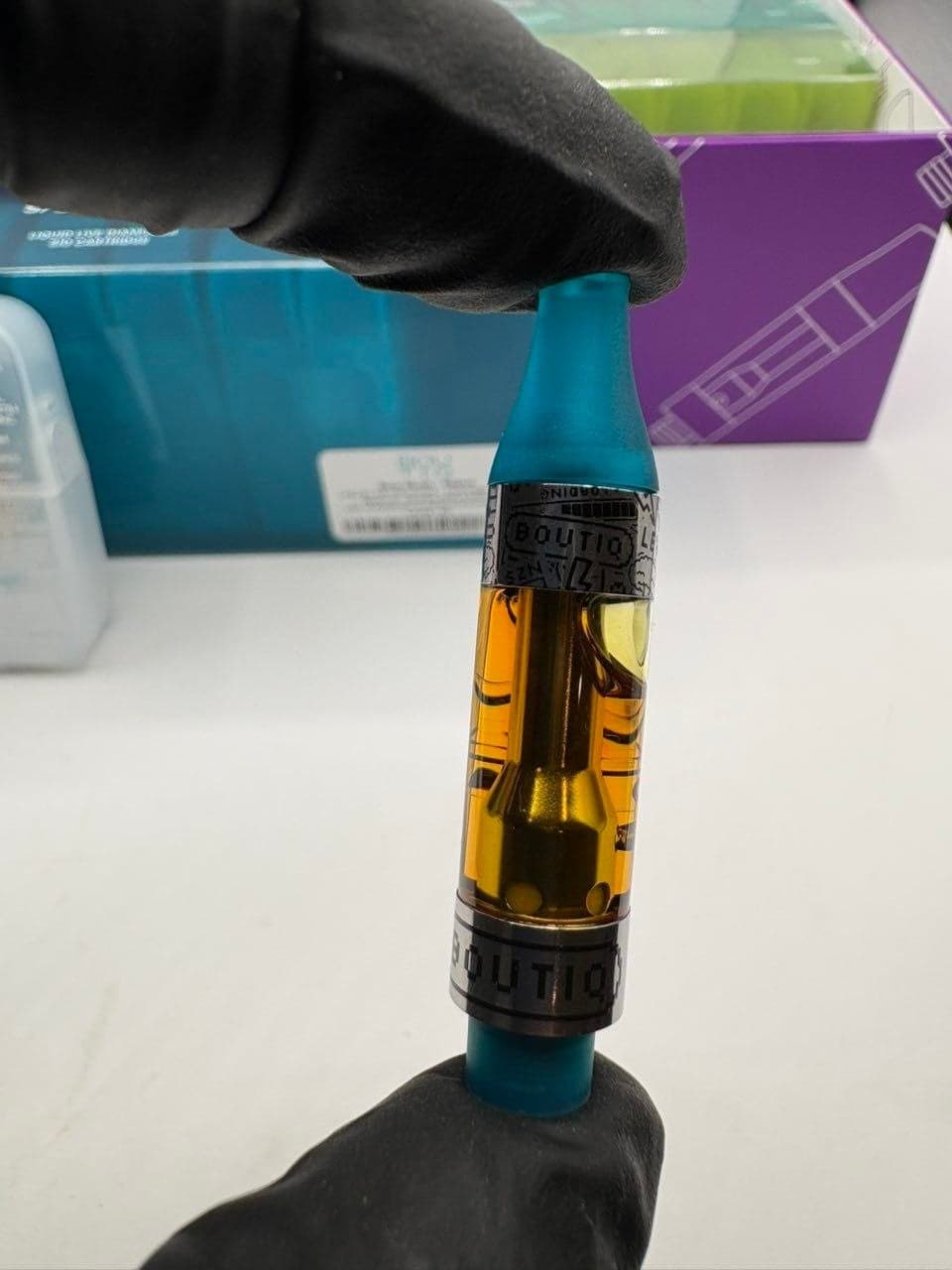
Boutiq 1G Screw-On Cartridge
$12each
A certificate describes material as it was on one day. Cannabinoids convert and degrade, terpenes evaporate, and CBN rises with age. A figure from eight months ago describes eight-month-old material, so the date is part of the measurement rather than an administrative detail.
Editorial Team · Compliance and product research · Updated
People read the percentages on a certificate and skip the date at the top. The date is doing as much work as the numbers, and a record without one is not really a record.
A laboratory measures a portion of a batch on a particular day using a particular method. That is the entire scope of what it can tell you.
It does not certify the product line, it does not certify future batches, and it does not certify the same batch indefinitely. It says: this material, this sample, this day.
Acids convert. THCA loses its carboxyl group slowly at room temperature and faster when warm or lit, becoming delta-9 THC — the chemistry is in what THCA is. A THCA figure from a year ago is not a THCA figure today.
THC oxidises. It degrades into CBN, which is why an elevated CBN reading is the clearest age marker on a panel — see CBD, CBG, CBN and the minor cannabinoids.
Terpenes evaporate. They are volatile by definition, which is why flavour changes between a device opened fresh and the same device six months later.
Microbial counts can rise, particularly in anything stored damp or warm.
None of that is a defect. It is what organic material does.
There is no universal answer, and anyone offering one is guessing. What can be said is that the question should be asked at all.
A useful habit: check the interval between the test date and the date you received the product. A few months is ordinary in a normal supply chain. A year or more is worth asking about, not because the material is necessarily poor but because the certificate is describing something further away from what you have.
Storage conditions between those dates matter as much as the interval itself — see what happens to oil in heat, light and air.
Some producers retest material that has been held, and a second certificate against the same batch code with a later date is a genuinely good sign. It means somebody checked rather than assumed.
If you see two records for one batch, read the later one and note what moved between them. That comparison is more informative than either document alone.
A certificate with no test date, or with a date that cannot be reconciled with when a product appeared, is one of the warning signs in spotting a counterfeit device.
So is a single date appearing across records for many different batches, which suggests one document being reused rather than many tests being run.
1. Does the batch code match your packaging? See what a batch code is.
2. Is there a test date, and how far back is it?
3. Is the laboratory named and findable? See what an accredited laboratory is.
4. Which panels were run? See what a contaminant panel covers.
5. Do the potency figures reconcile? See total THC and how the number is worked out.
A record that survives all five is a good record. Most of what circulates fails at step one or two.
Sold to adults 21 and over. This article explains the subject in general. What any particular product contains, and in what quantity, comes from the certificate of analysis issued against the batch code on its packaging — not from an article, not from a product page, and not from anything printed on a box.
Laboratories separate a sample into its components and measure each one. Liquid chromatography keeps acids intact and reports THCA and delta-9 separately. Gas chromatography heats the sample, converting acids on the way through. Which method was used changes what the numbers mean.
Counterfeits in this category are common and increasingly well made. The reliable signals are a missing or unverifiable batch code, packaging that will not scan, a price far below the market, and a seller who cannot produce a certificate. Print quality and holograms are the easiest things to copy.
Potency is not a safety test. A full panel screens for heavy metals, pesticides, residual solvents, microbials and mycotoxins, each for a different reason. A certificate showing only cannabinoid percentages has answered the least important question and left the others untouched.
Your cart is empty
Everything we sell is batch-tested, and we tell you what ships to your state before you add it.
Browse the shop