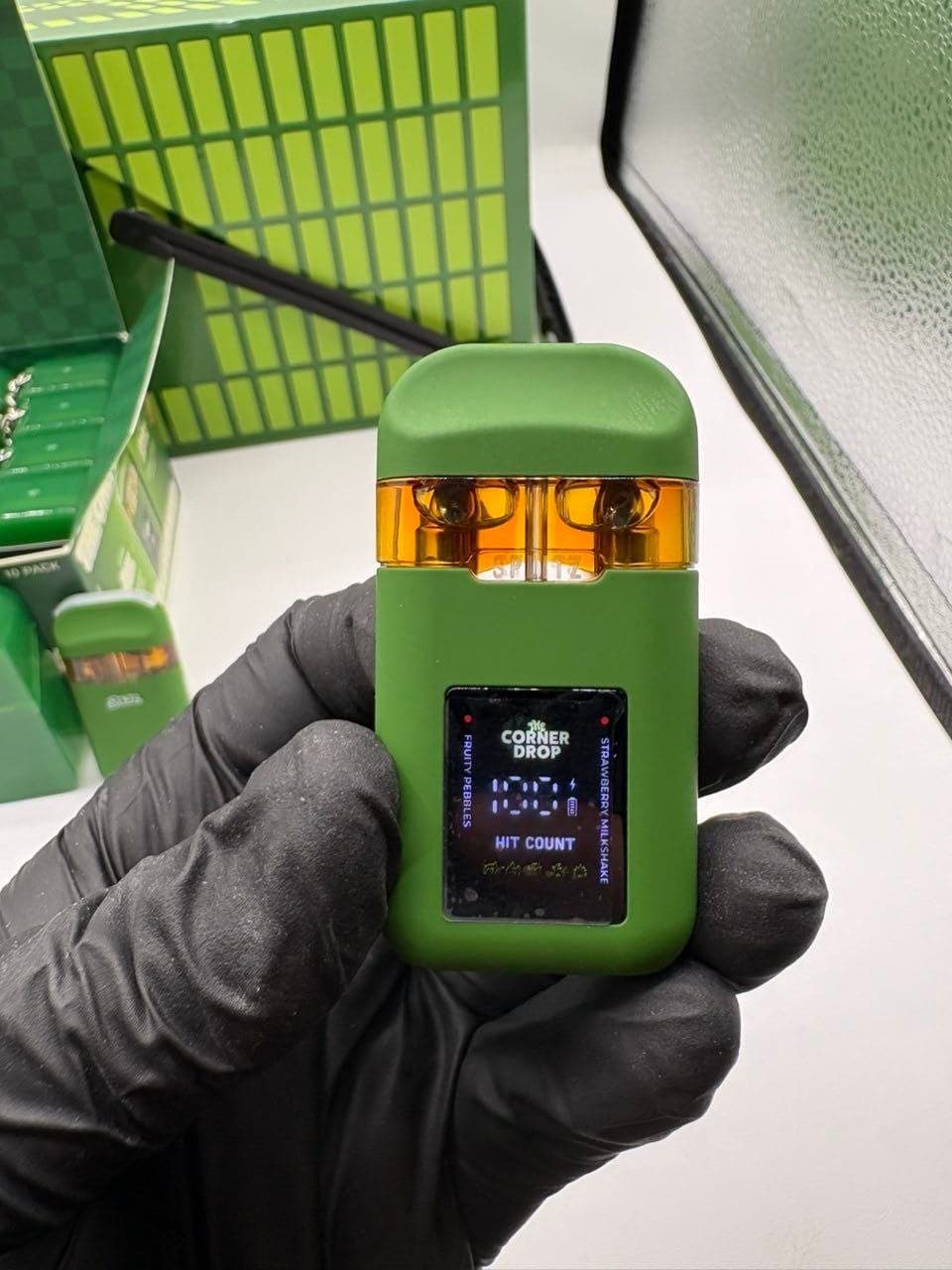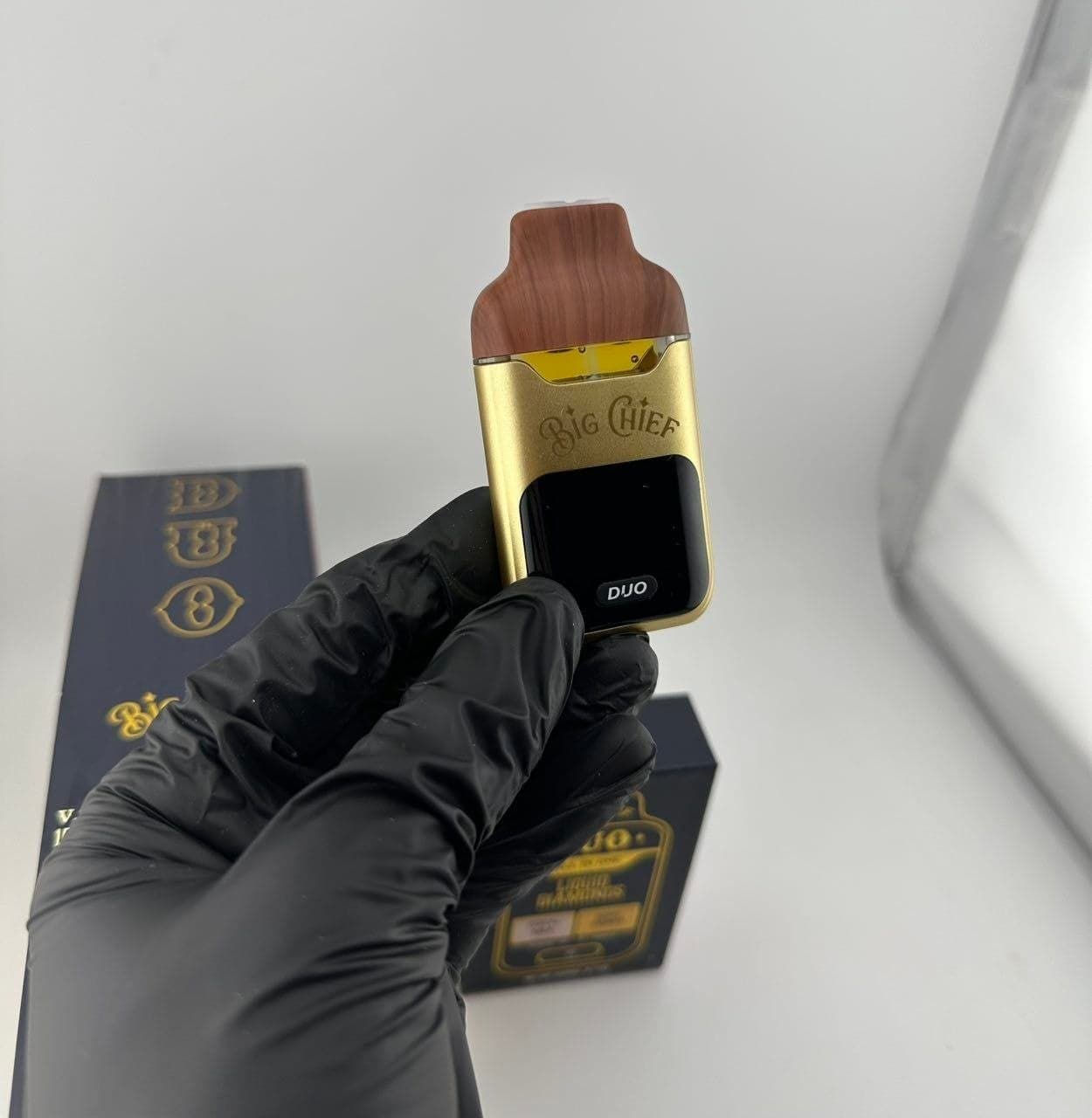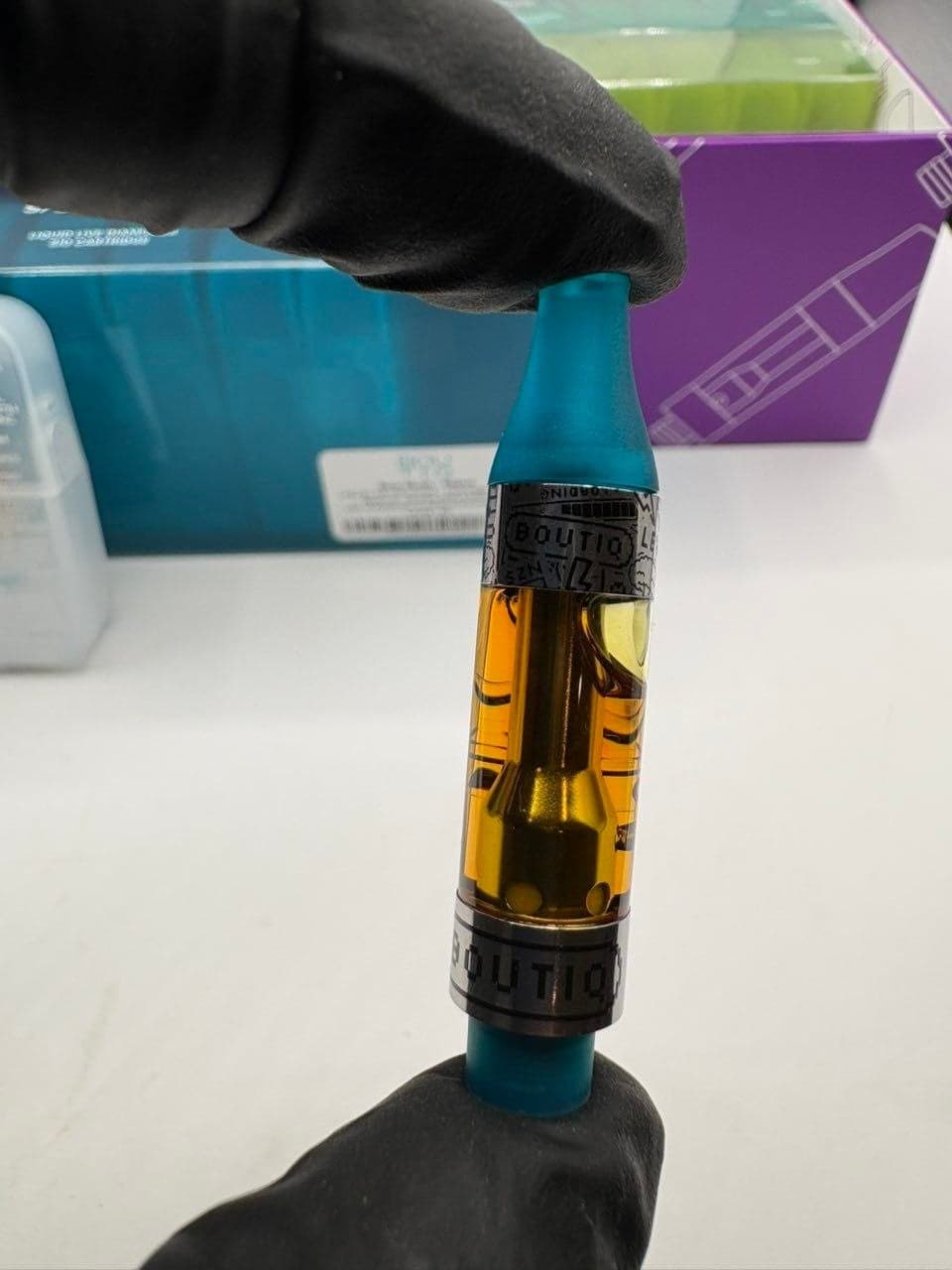
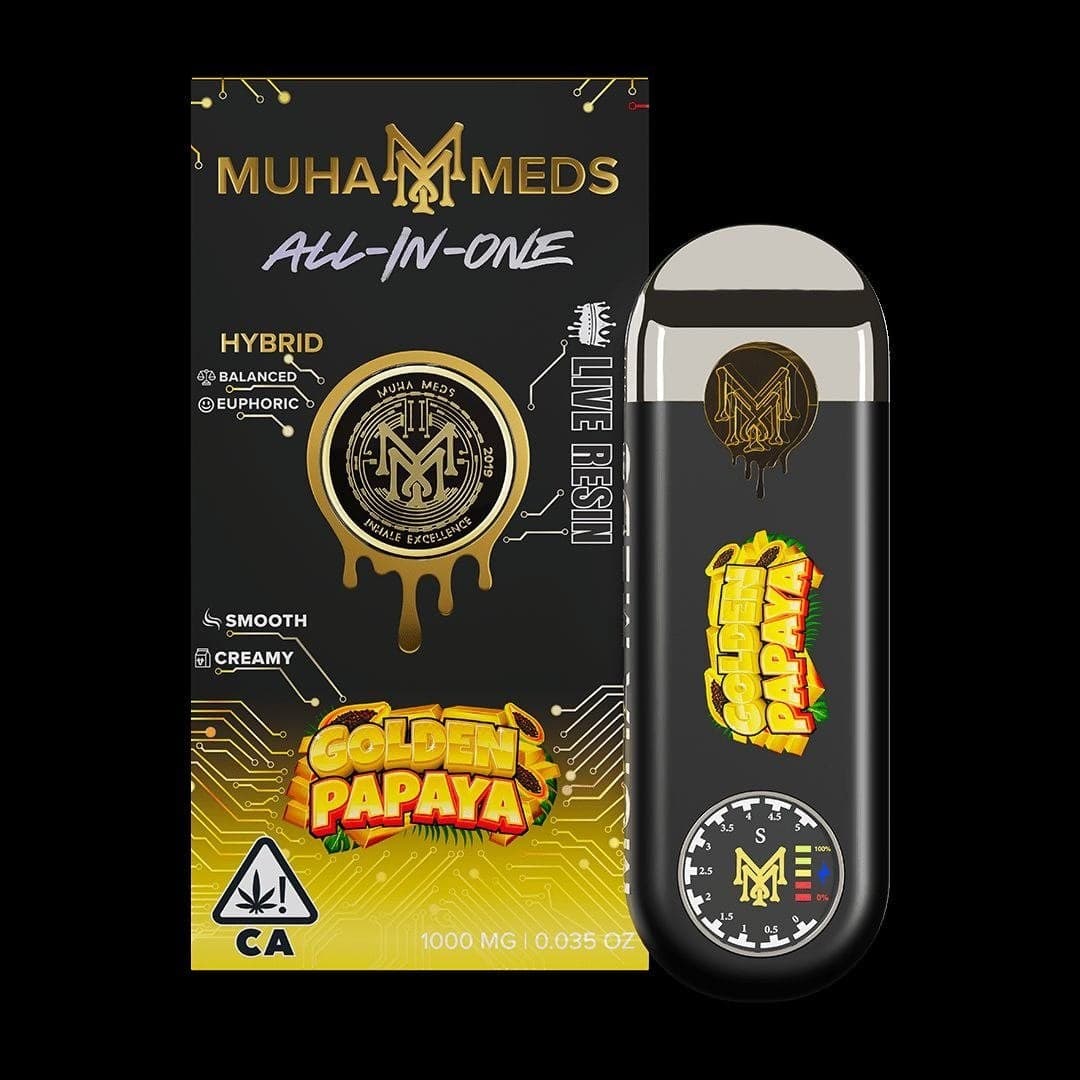
Muha Meds Golden Papaya
$24.99each
ISO/IEC 17025 accreditation means an independent body has assessed a laboratory's methods, equipment, staff competence and quality systems. It is not a licence and it is not a rubber stamp. An unnamed laboratory on a certificate is the single largest gap a record can have.
Editorial Team · Compliance and product research · Updated
Certificates carry laboratory names, accreditation logos and reference numbers that most readers skip. The name is the part that makes the document checkable at all.
ISO/IEC 17025 is the international standard for the competence of testing and calibration laboratories. Accreditation against it means an independent accreditation body has assessed the laboratory and found it meets the standard.
What gets assessed is broad: the validity of the methods used, the calibration and maintenance of equipment, the competence and training of staff, the handling and chain of custody of samples, the reporting of results, and the internal quality systems that keep all of that consistent.
It is reassessed periodically rather than granted once.
It is not a licence to operate. Those are separate and jurisdictional.
It does not certify a product. A laboratory is accredited; a product never is. A certificate from an accredited laboratory says the testing was competent, not that the thing tested was good.
It is not blanket. Accreditation is granted for a defined scope — specific methods for specific analytes. A laboratory accredited for cannabinoid potency is not automatically accredited for heavy metals. The scope is published by the accreditation body and can be looked up.
That last point is the one most often glossed over, including by laboratories.
A certificate with no laboratory identified cannot be checked by anybody. You cannot look up its accreditation, you cannot look up its scope, you cannot contact it, and you cannot establish that it exists.
At that point the document is a picture of a table. It is the clearest single warning sign in spotting a counterfeit device, and it is more informative than any hologram or authentication sticker.
These terms get used loosely and the distinction is simple.
First party is the producer testing its own material. Second party is a buyer or a related entity testing it. Third party is an independent laboratory with no commercial interest in the outcome.
All three can be competent. Only the third is independent, and a site claiming third-party testing should be able to name the third party. Where a seller can only say "lab tested", that is a weaker claim and should be read as one.
The admin refuses to publish a batch whose record lacks a contaminant panel, for the reasons in what a contaminant panel covers. A record must name its laboratory before it can be attached to a batch at all.
Where no verified record exists for a product, the page carries hardware facts and no composition figures rather than implying a test that was not run — Golden Papaya, Ghost 2G and Big Chief 2G are written that way.
The official certificate is issued to licensed resellers on provision of a licence, and the summary for a batch goes to anyone who asks against the code on their package.
Sold to adults 21 and over. This article explains the subject in general. What any particular product contains, and in what quantity, comes from the certificate of analysis issued against the batch code on its packaging — not from an article, not from a product page, and not from anything printed on a box.
Laboratories separate a sample into its components and measure each one. Liquid chromatography keeps acids intact and reports THCA and delta-9 separately. Gas chromatography heats the sample, converting acids on the way through. Which method was used changes what the numbers mean.
Counterfeits in this category are common and increasingly well made. The reliable signals are a missing or unverifiable batch code, packaging that will not scan, a price far below the market, and a seller who cannot produce a certificate. Print quality and holograms are the easiest things to copy.
Potency is not a safety test. A full panel screens for heavy metals, pesticides, residual solvents, microbials and mycotoxins, each for a different reason. A certificate showing only cannabinoid percentages has answered the least important question and left the others untouched.
Your cart is empty
Everything we sell is batch-tested, and we tell you what ships to your state before you add it.
Browse the shop