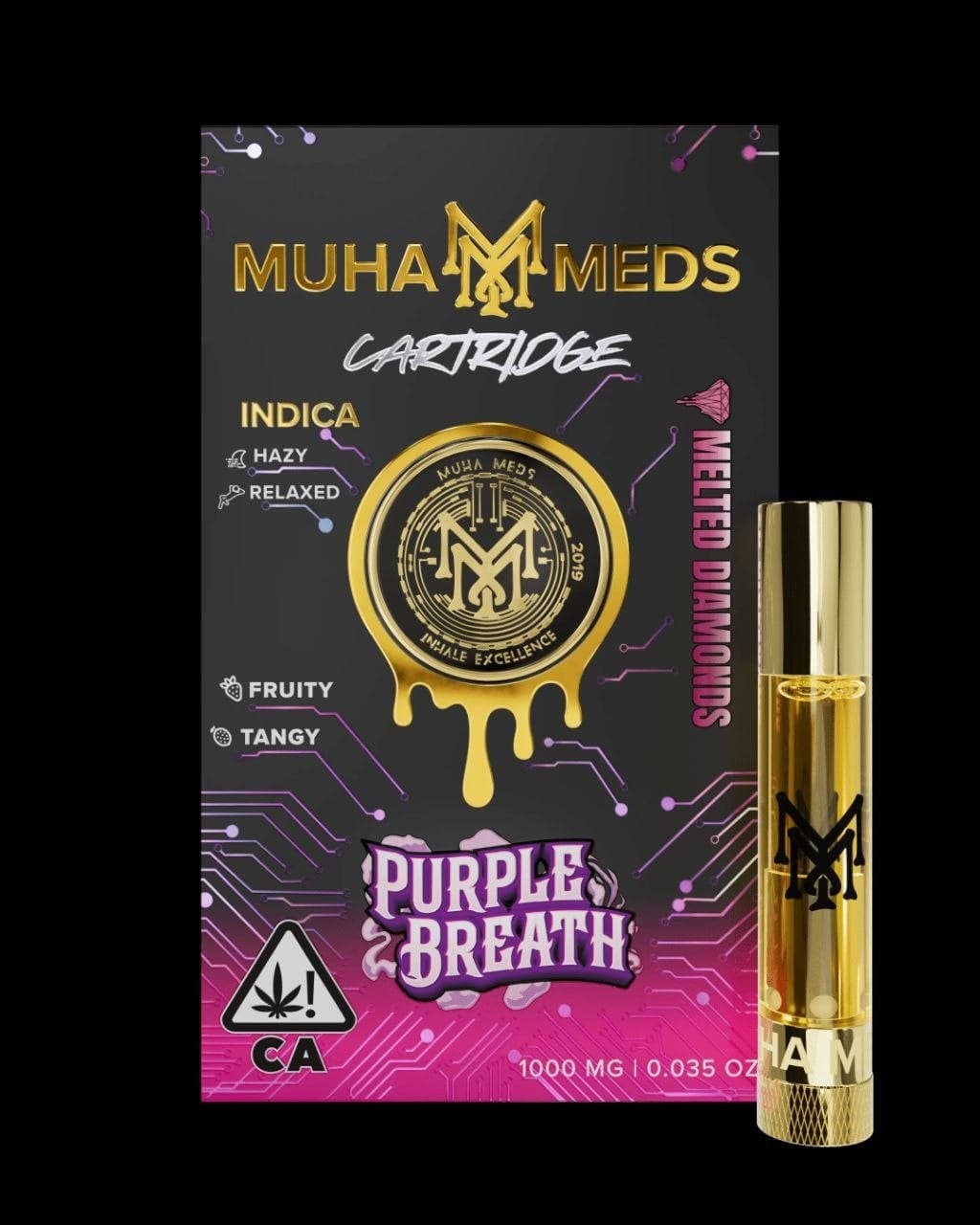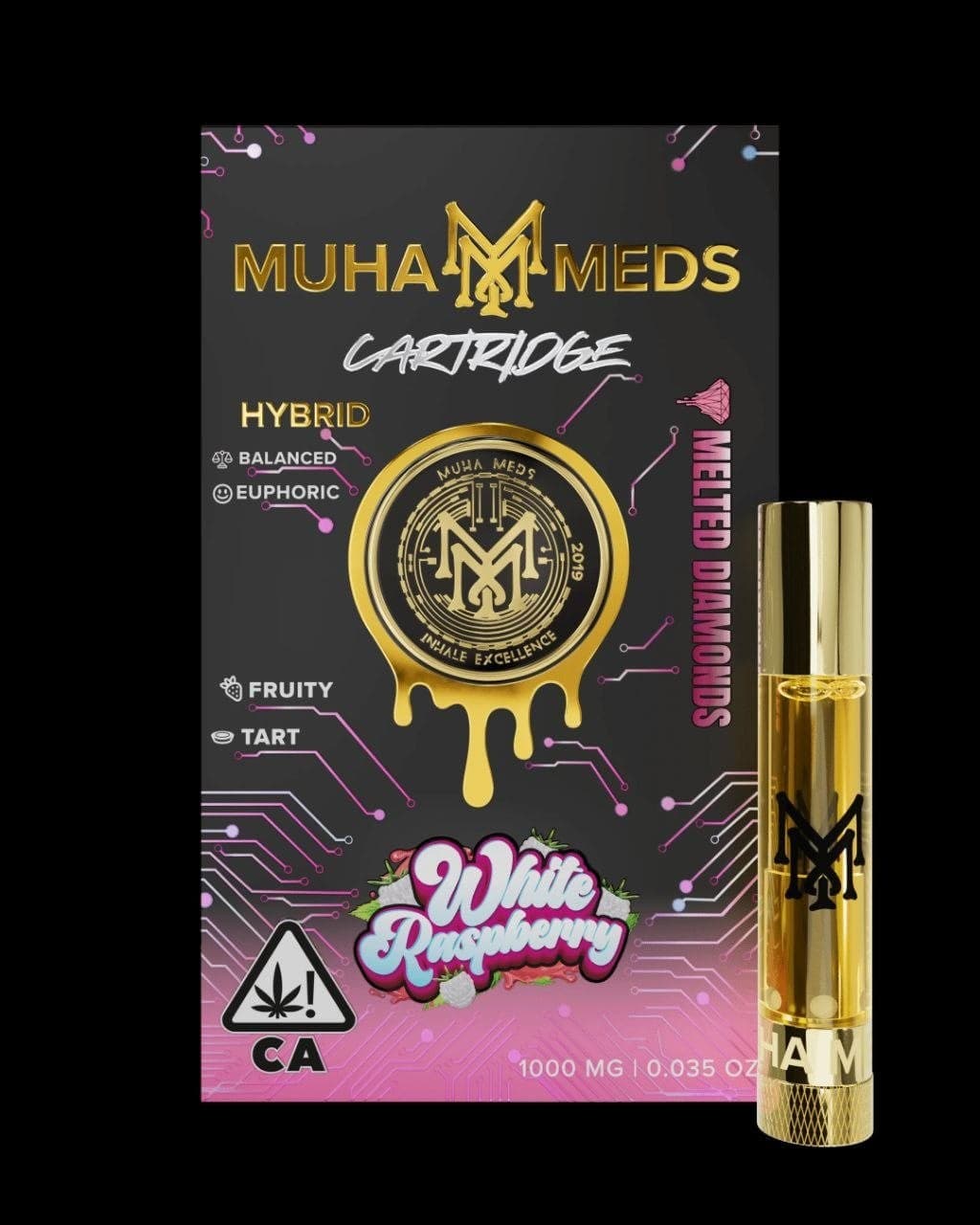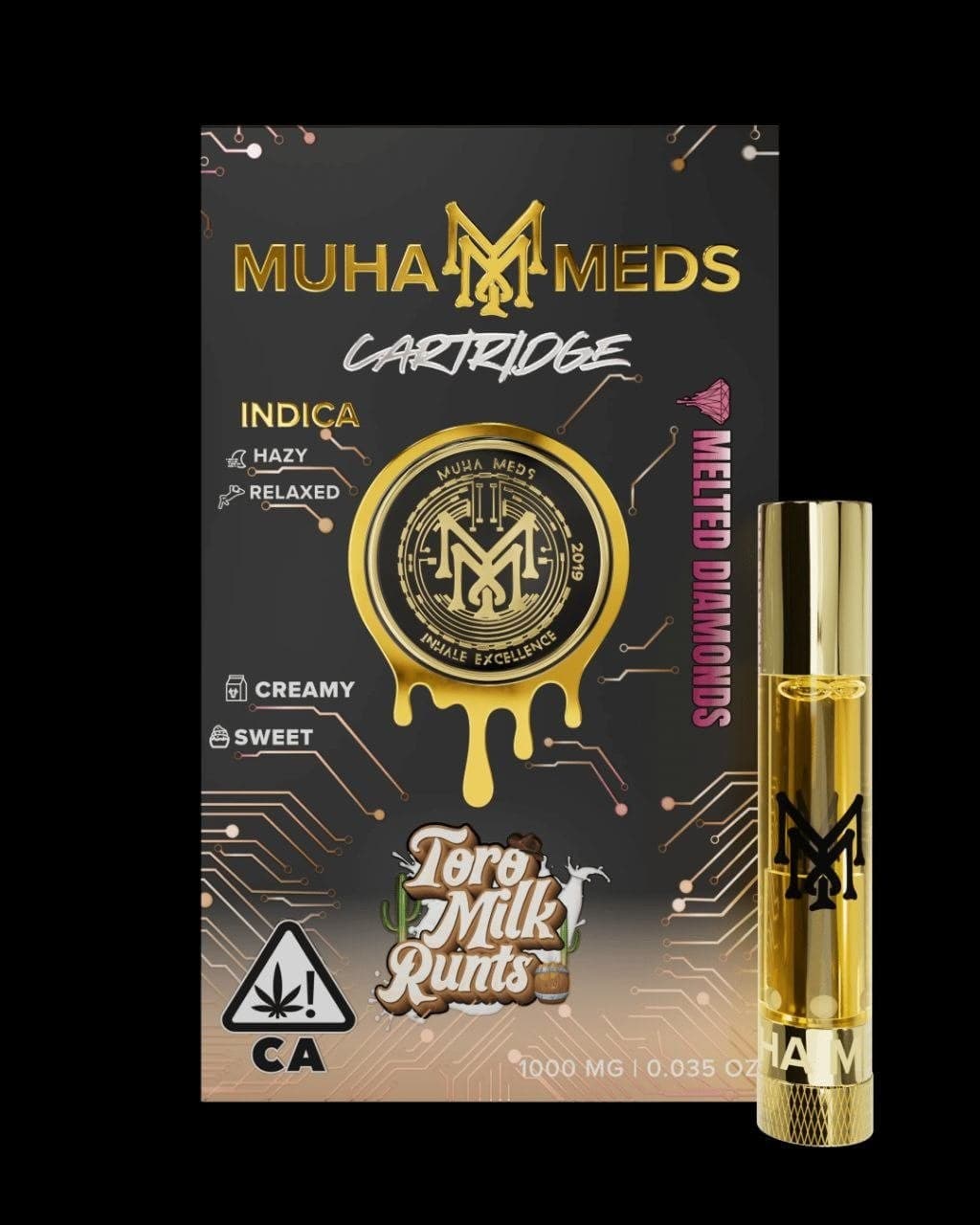
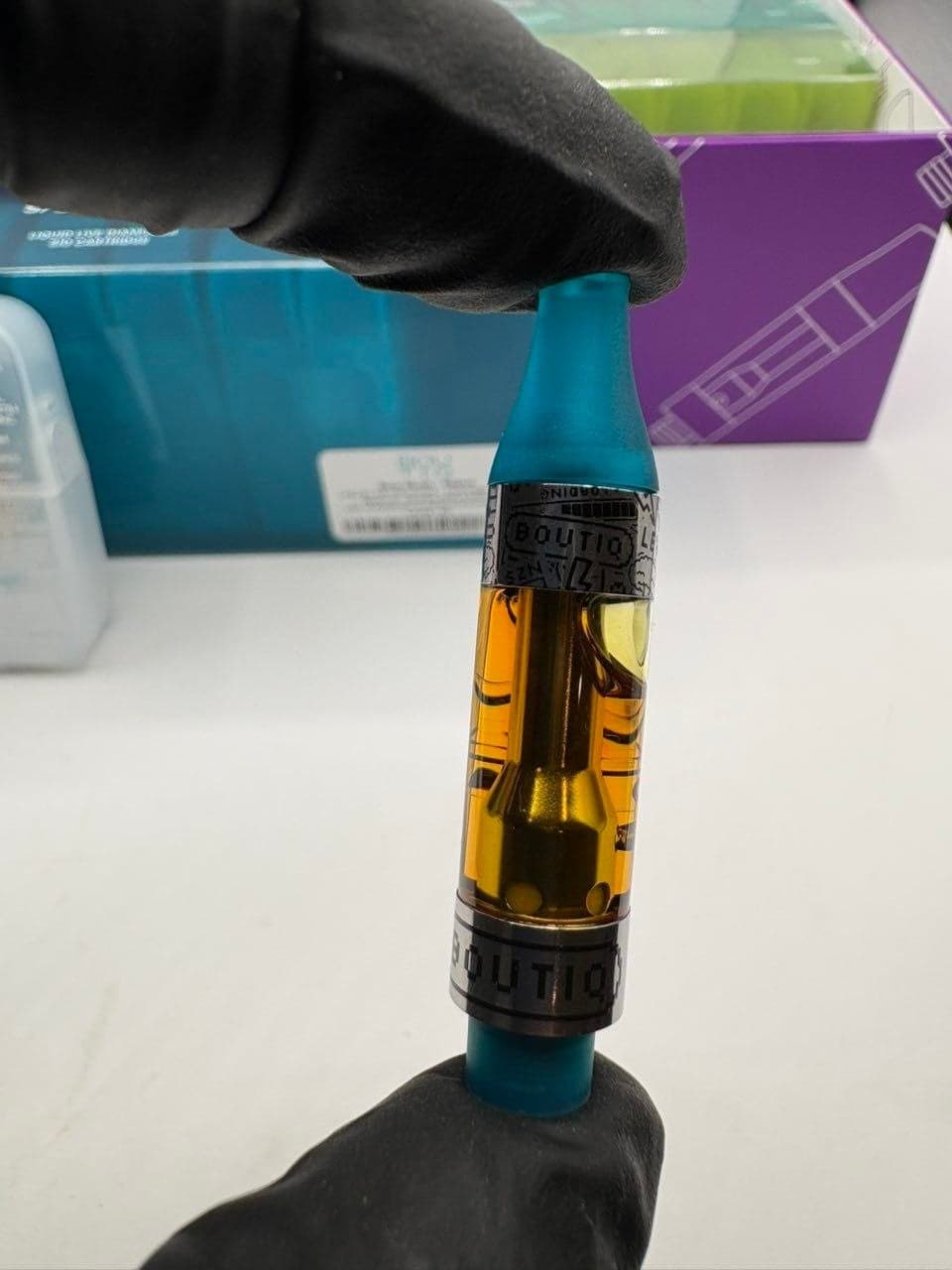
Boutiq 1G Screw-On Cartridge
$12each
Your cart is empty
Everything we sell is batch-tested, and we tell you what ships to your state before you add it.
Browse the shop
Laboratories separate a sample into its components and measure each one. Liquid chromatography keeps acids intact and reports THCA and delta-9 separately. Gas chromatography heats the sample, converting acids on the way through. Which method was used changes what the numbers mean.
Editorial Team · Compliance and product research · Updated
Certificates report numbers without explaining where they came from. The method matters, because two laboratories using different techniques can produce different-looking results for the same material and both be correct.
This is chromatography in plain terms.
A sample is a mixture. To measure any one component you first have to separate it from the others.
Chromatography does that by pushing the mixture through a medium that different components travel through at different speeds. They arrive at the far end at different times, a detector records each arrival, and the size of each signal tells you how much of that component was present.
That is the whole principle. The variations are about what does the pushing and what does the separating.
High-performance liquid chromatography — HPLC — uses a liquid to carry the sample through a packed column. Crucially it works at moderate temperature.
That matters enormously for cannabinoids, because the acidic forms convert when heated. HPLC keeps THCA as THCA, so the laboratory can report THCA and delta-9 THC as separate measured line items rather than as one combined figure.
This is why HPLC is the standard for potency work in this category, and why a certificate reporting the two separately is showing you it used an appropriate method.
Gas chromatography — GC — vaporises the sample and carries it through the column in a gas stream. That requires heat, and heat decarboxylates.
So a plain GC method converts the acids on the way through, and what the detector sees is the total already combined. It is not wrong, but it cannot distinguish what was originally acid from what was already neutral.
GC is excellent for other jobs — it is the standard method for residual solvents, where volatility is exactly the property you want.
If a record reports only a single combined THC figure with no THCA line, the method is worth asking about. It may be a GC result, it may be a decarboxylated sample, or it may be a calculated total presented without its inputs.
Where THCA and delta-9 appear separately, you can run the arithmetic yourself — see total THC and how the number is worked out. Where they do not, you are taking the figure on trust.
ICP-MS — inductively coupled plasma mass spectrometry, for heavy metals. It ionises the sample in a plasma and sorts ions by mass, which is how trace lead and cadmium are found at parts per billion.
LC-MS/MS — liquid chromatography with tandem mass spectrometry, for pesticides. Separation followed by two stages of mass filtering, which is what allows dozens of analytes to be identified confidently in one run.
qPCR or plating — for microbials, detecting organisms either by amplifying their DNA or by growing them.
A certificate naming its instruments is being more transparent than one that does not.
Every result describes the portion that was tested. If a sample is not representative of the batch, a perfect analysis of it still tells you little.
This is why batch definition matters, and why a record belongs to a batch code rather than to a product name — see what a batch code is. A laboratory can only answer for what it was given.
Sold to adults 21 and over. This article explains the subject in general. What any particular product contains, and in what quantity, comes from the certificate of analysis issued against the batch code on its packaging — not from an article, not from a product page, and not from anything printed on a box.
Counterfeits in this category are common and increasingly well made. The reliable signals are a missing or unverifiable batch code, packaging that will not scan, a price far below the market, and a seller who cannot produce a certificate. Print quality and holograms are the easiest things to copy.
Potency is not a safety test. A full panel screens for heavy metals, pesticides, residual solvents, microbials and mycotoxins, each for a different reason. A certificate showing only cannabinoid percentages has answered the least important question and left the others untouched.
A batch code identifies one production run. It is the link between the object in your hand and a laboratory record, and it is the single most useful thing printed on packaging. A product name is not a batch. A code that leads nowhere is the clearest warning sign available to a buyer.