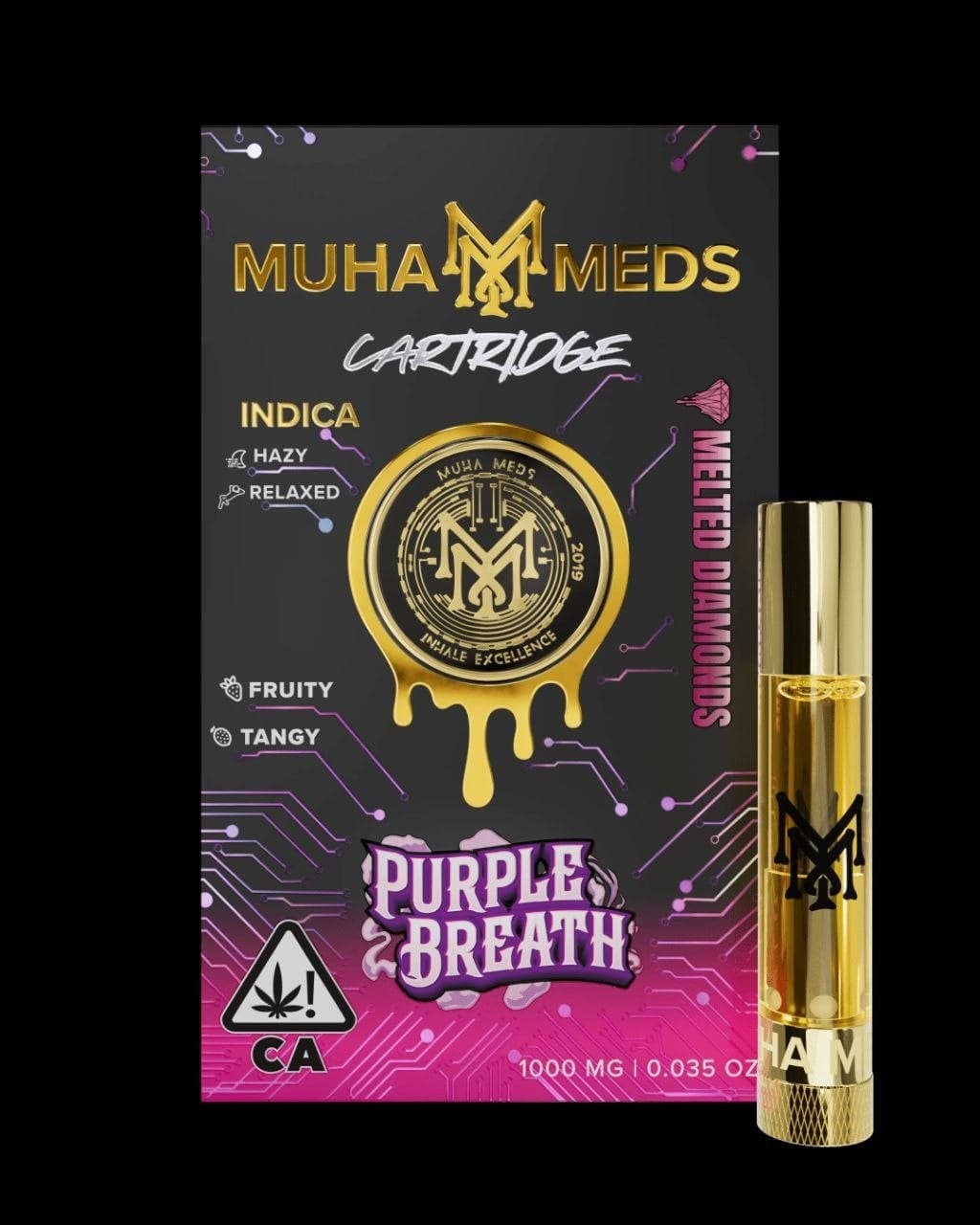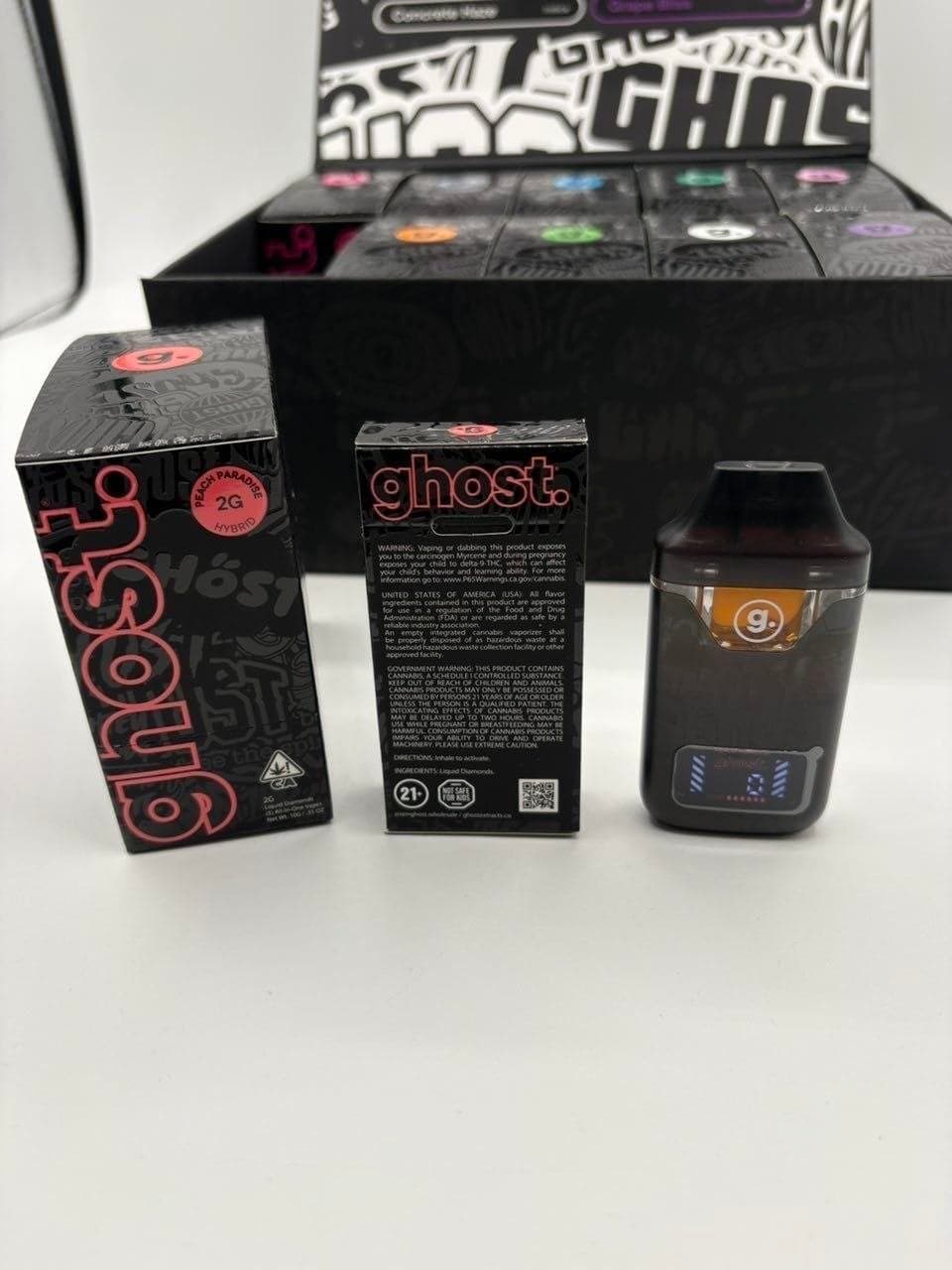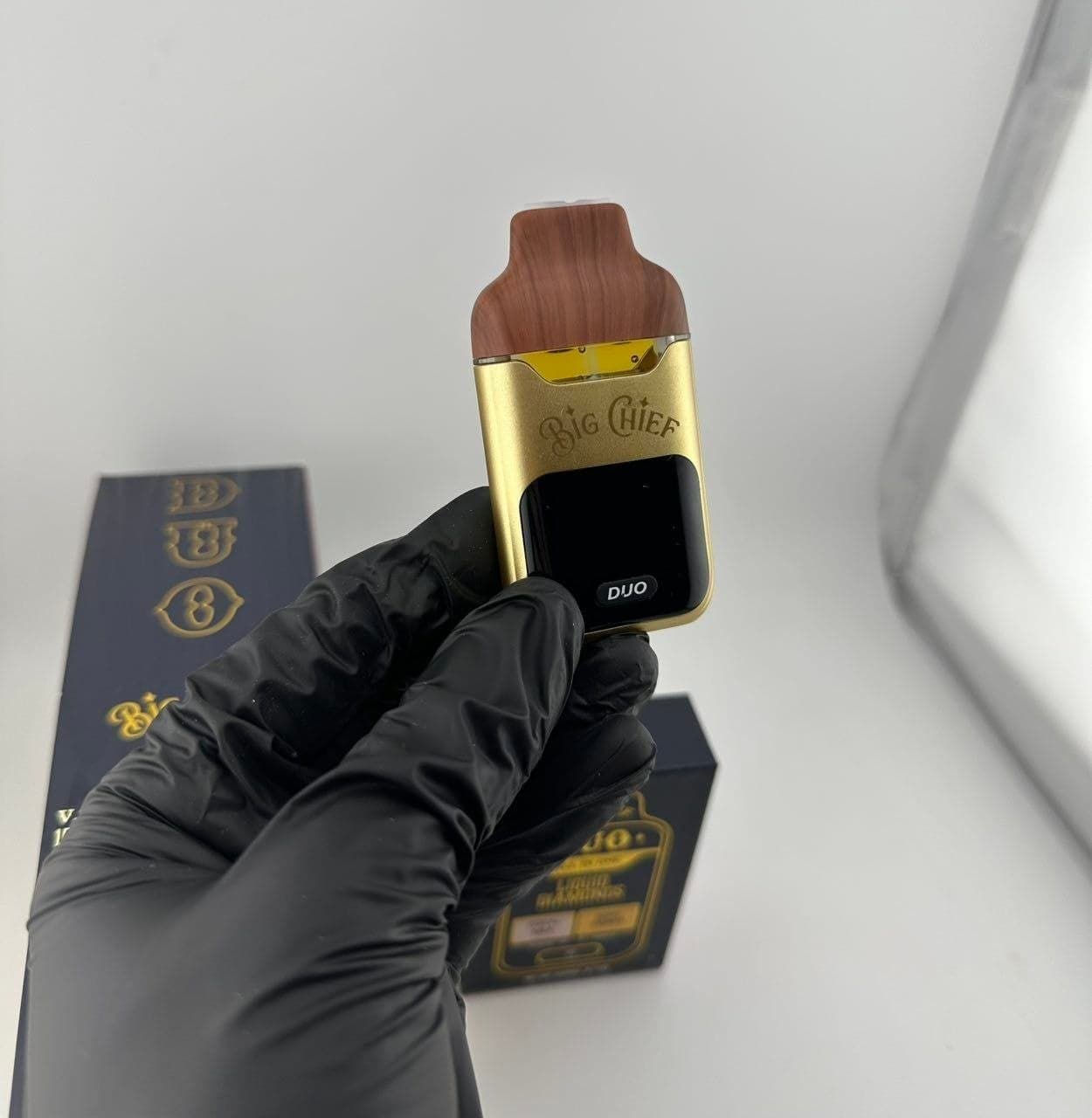
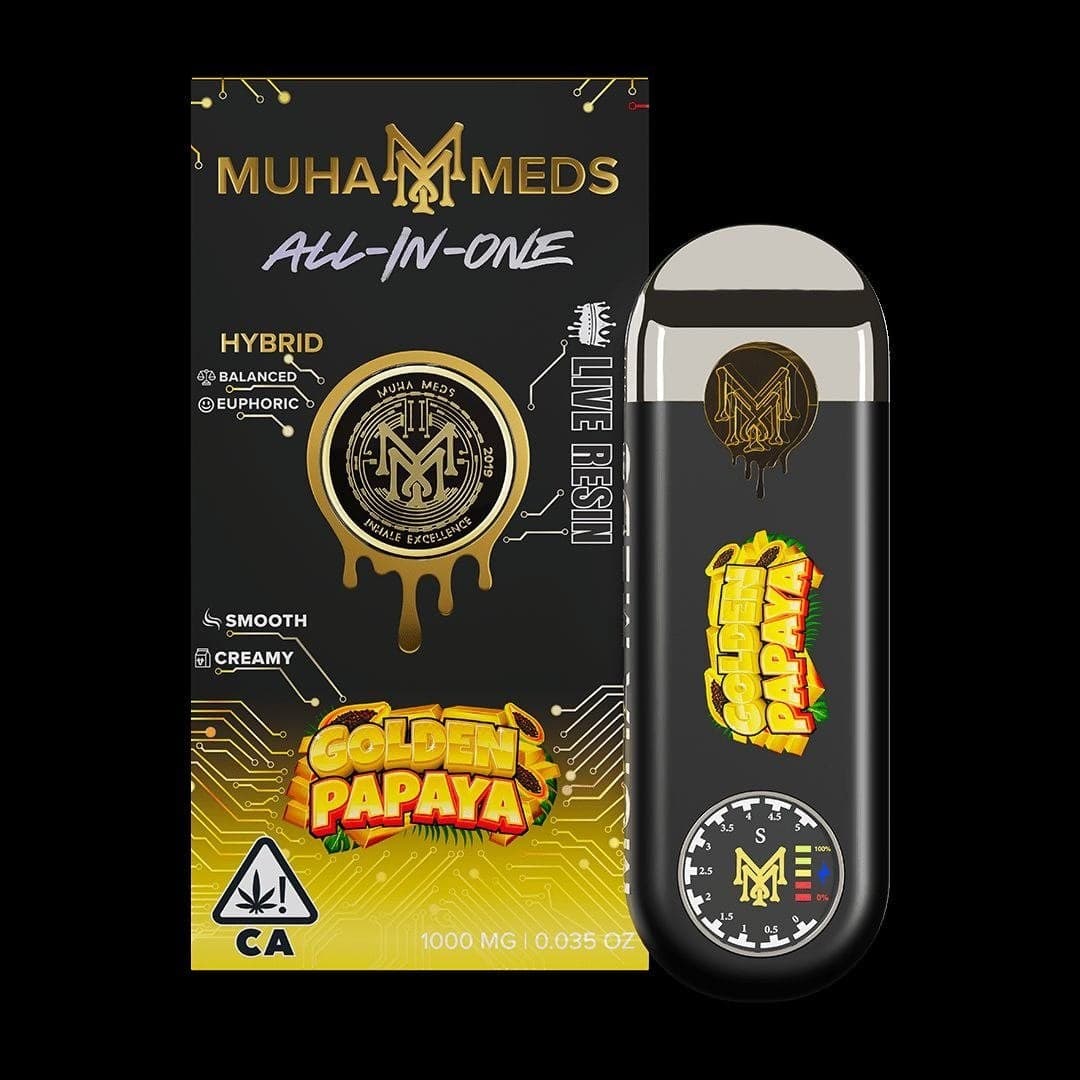
Muha Meds Golden Papaya
$24.99each
Counterfeits in this category are common and increasingly well made. The reliable signals are a missing or unverifiable batch code, packaging that will not scan, a price far below the market, and a seller who cannot produce a certificate. Print quality and holograms are the easiest things to copy.
Editorial Team · Compliance and product research · Updated
This is a heavily counterfeited category, and it is worth being blunt about why: the packaging is cheap to reproduce, the brands are widely recognised, and the buyer usually has no way to verify what is inside.
The good news is that the useful checks are not the ones people usually apply.
### A batch code that leads somewhere
This is the strongest signal available to a buyer. Genuine packaging carries a batch or lot code, and that code should lead to a laboratory record: an identified laboratory, a test date, and results for that batch.
A code that leads nowhere, a code that is identical across every unit a seller has, or no code at all — any of those is enough to walk away on.
What a record should contain is in the guide to certificates of analysis. A seller who cannot produce one for the code on the box is telling you something.
### A seller who will answer the question
Ask for the certificate for the specific batch code on the specific unit. Note the wording: not "your COA", but the record for that code.
A legitimate seller can do this or can say when they can. A counterfeit seller will send a generic document, a document for a different code, an image with no laboratory identified, or nothing.
### Price far below the market
Counterfeits compete on price because they have no supply chain to pay for. A device at a fraction of what the category costs is not a bargain, it is an explanation.
Holograms and authentication stickers. These are printed by the same sort of factory that prints the genuine ones, and counterfeit holograms are now routine.
Print quality. Early fakes had visible registration errors and poor colour. Current ones do not. A crisp box tells you very little in 2026.
Scratch-off verification codes. Better than nothing, but only as good as the system behind them, and cloned codes are common. A passing scratch-off is weak positive evidence, not proof.
"It looks right." Packaging is the cheapest part of the product to copy and the only part most buyers ever assess.
Once you have one in your hand:
None of these is conclusive on its own. Together with an unverifiable code, they settle it.
The reason counterfeits matter is not that somebody has infringed a trademark. It is that an unverified device has an unverified fill, produced by an unidentified party, tested by nobody.
That is a contaminant question — heavy metals, residual solvents, pesticides — and it is exactly what a contaminant panel on a certificate exists to answer. A device with no traceable record has answered none of it.
The practical defence is buying from a seller who can connect the object to a record, and who will say so plainly when they cannot.
On this site, every product page carries a specification table stating what is actually known about the device — brand, format, fill size, chamber count and hardware — and deliberately omits anything unverified. Where we hold no test, we say so rather than printing a number. Golden Papaya, Purple Breath, Ghost 2G and Big Chief 2G are all written that way.
The batch code is on the box rather than the device. Discard the box and you have discarded your ability to check anything later, or to raise it if something is wrong.
Keep it at least until the device is finished. See storing devices.
Stop using it. Do not charge it — a counterfeit cell is the component least likely to have been tested at all, and charging is when a cell is under most stress.
Dispose of it as hardware rather than household waste: disposing of vape hardware and batteries.
Sold to adults 21 and over. This article is about hardware. What a particular device is filled with, and in what quantity, is a question for the certificate of analysis issued against the batch code on its packaging — not for an article, and not for anything printed on a box.
Laboratories separate a sample into its components and measure each one. Liquid chromatography keeps acids intact and reports THCA and delta-9 separately. Gas chromatography heats the sample, converting acids on the way through. Which method was used changes what the numbers mean.
Potency is not a safety test. A full panel screens for heavy metals, pesticides, residual solvents, microbials and mycotoxins, each for a different reason. A certificate showing only cannabinoid percentages has answered the least important question and left the others untouched.
A batch code identifies one production run. It is the link between the object in your hand and a laboratory record, and it is the single most useful thing printed on packaging. A product name is not a batch. A code that leads nowhere is the clearest warning sign available to a buyer.
Your cart is empty
Everything we sell is batch-tested, and we tell you what ships to your state before you add it.
Browse the shop