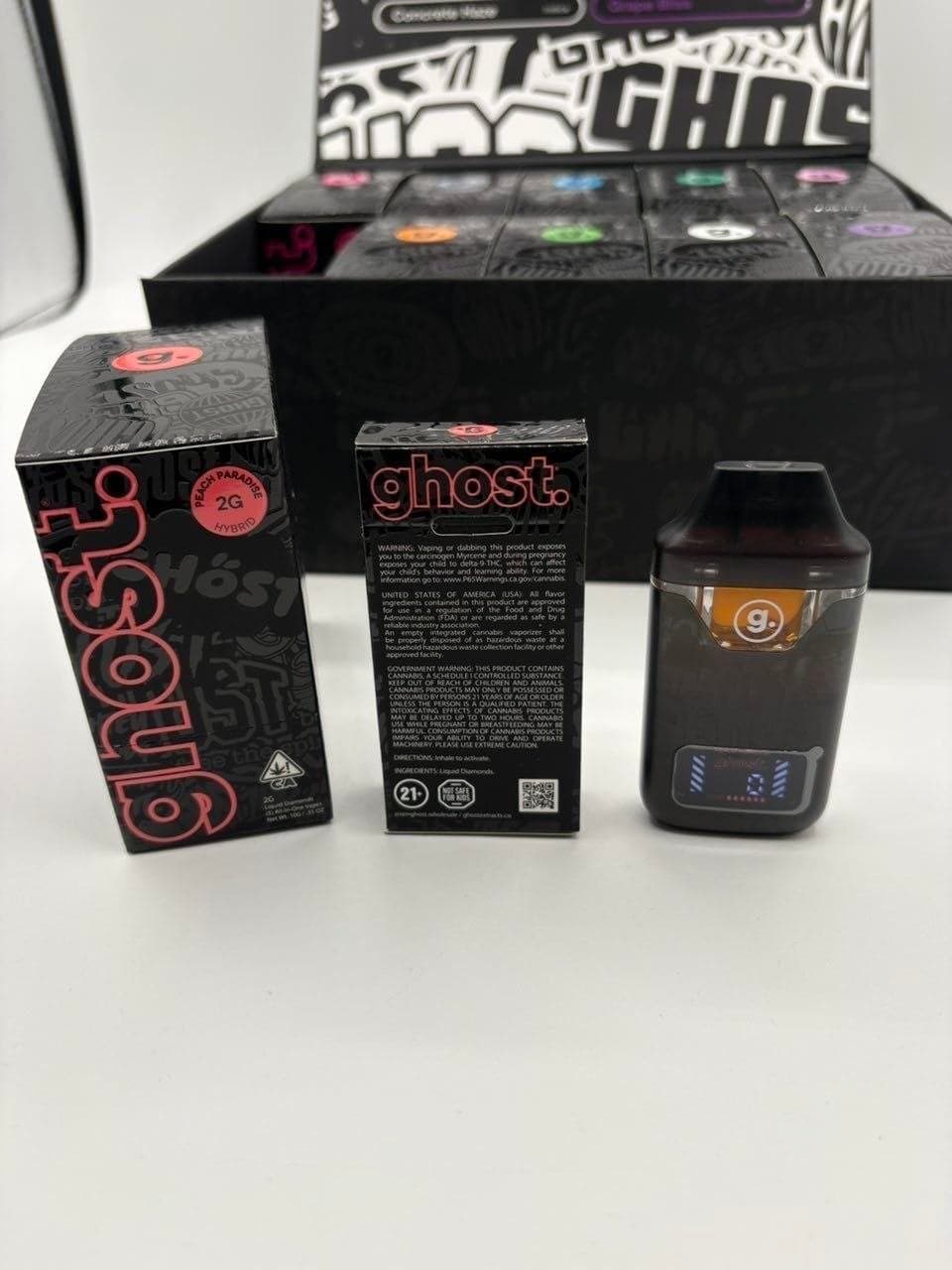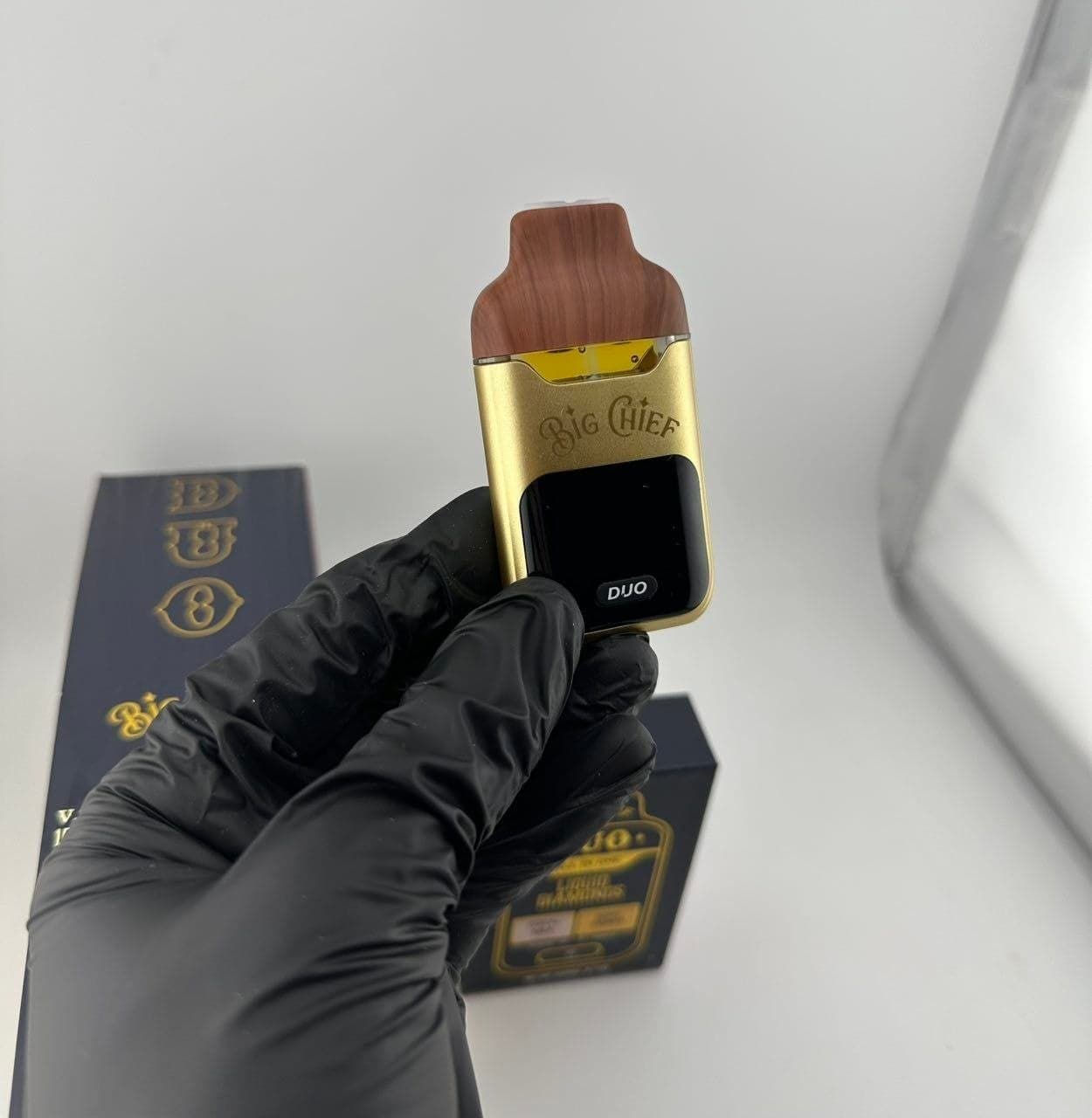

Muha Meds Golden Papaya
$24.99each
Your cart is empty
Everything we sell is batch-tested, and we tell you what ships to your state before you add it.
Browse the shop
Store devices upright at room temperature, out of direct sun and out of a car. Heat thins oil and floods coils, cold thickens it and starves them, and light degrades what is inside. A part-used device going into a drawer should be left about half charged rather than full or empty.
Editorial Team · Compliance and product research · Updated
Most devices that fail early were not defective. They were left somewhere hot, somewhere cold, or lying on their side for a fortnight.
Four rules cover almost everything.
Gravity is working on the oil the whole time a device sits still. Left on its side, oil migrates towards the airway and the seals; left upside down, it pools at the mouthpiece.
Neither is dramatic in an afternoon. Over a week it produces a device that gurgles, floods and leaks at the base, and the owner blames the fill rather than the shelf.
Stand it up. A glass, a drawer organiser, anything that keeps it vertical.
A car in summer reaches temperatures nothing in this category is designed for. Heat thins the oil until it floods the coil, it stresses the lithium cell in an all-in-one, and it can soften the seals permanently.
A car in winter is the opposite problem and nearly as bad: thick oil starves the coil, and charging a very cold cell damages it. See charging a rechargeable disposable safely.
A dashboard is the worst place in the world for one of these. A windowsill is second.
Light degrades what is inside a device over time. This is why the better packaging in the category is opaque rather than clear, and why a device left in a sunny room for a month is measurably different from one kept in a drawer.
A drawer, a cupboard or a tin. Nothing elaborate — just not on a shelf in the sun.
Lithium cells age fastest sitting at full charge or fully flat. A device you are putting away for a month or more should be somewhere in the middle.
It is a small thing that meaningfully extends the life of a cell that will otherwise be discarded with oil still in it. That is both a waste question and a money question.

A 510 cartridge has no cell, so the charge rule does not apply to it — but the upright rule matters more, because a cartridge has an open threaded base rather than a sealed body and it leaks more readily.
Store a cartridge upright and separated from its battery if it is going away for a while. That protects the contact pin and avoids a slow discharge through a device left threaded on.
Boutiq 1G Screw-On Cartridge and the Muha Meds 510 listings such as Purple Breath are cartridges in this sense.
In a pocket of its own, not loose with keys and coins. Lint in a mouthpiece is the third most common cause of a blocked draw, and metal against the contacts on a cartridge is how a base gets damaged.
If a device came with a cap, use it. If it did not, a small tin costs almost nothing.
Store them switched firmly to one side, not resting between positions. A selector left midway can weep at the internal seal, and a leak inside a dual-chamber body is considerably harder to deal with than a leak in a simple one.
Dual-chamber devices explained covers the mechanism. Splitz, Puffin Dual and Boutiq Switch Gum all have selectors.
The batch code is on the packaging, not on the device. Throw the box away and you have lost the only link between the object and its laboratory record — which matters if you ever want the certificate for it, and matters more if something is wrong with it.
How to read that record is in the guide to certificates of analysis.
Everything in this category ships in plain, double-sealed packaging on its own carrier, separately from the rest of an order. The reasons are in how we pack and ship.
Sold to adults 21 and over. This article is about hardware. What a particular device is filled with, and in what quantity, is a question for the certificate of analysis issued against the batch code on its packaging — not for an article, and not for anything printed on a box.

A 510 cartridge is a small tank with a threaded base that screws onto a separate battery. The number is a thread specification, not a brand or a capacity. It is the most widely shared fitting in the category, which is why a cartridge from one maker usually fits a battery from another.
An all-in-one disposable arrives with its own battery and works out of the box. A 510 cartridge is a tank only and needs a battery you already own. Product names rarely make the difference obvious, and buying the wrong one is the most common ordering mistake in the category.
A clog is almost always cold oil, a blocked airway or condensation in the mouthpiece rather than a faulty device. Warm it in your hands, take a slow draw with the device off, and check a multi-chamber switch is fully seated. Never apply direct heat and never poke metal into the airway.