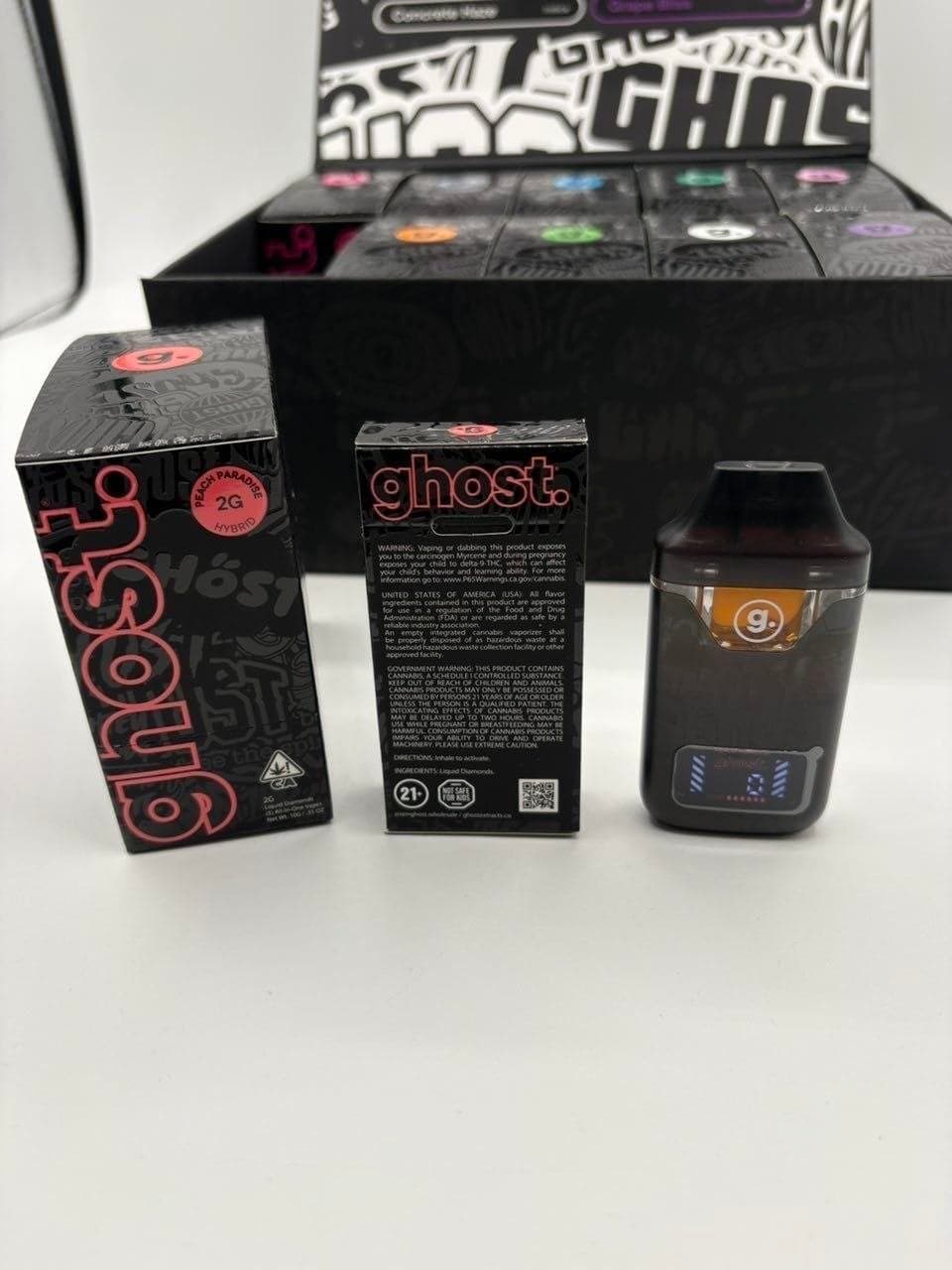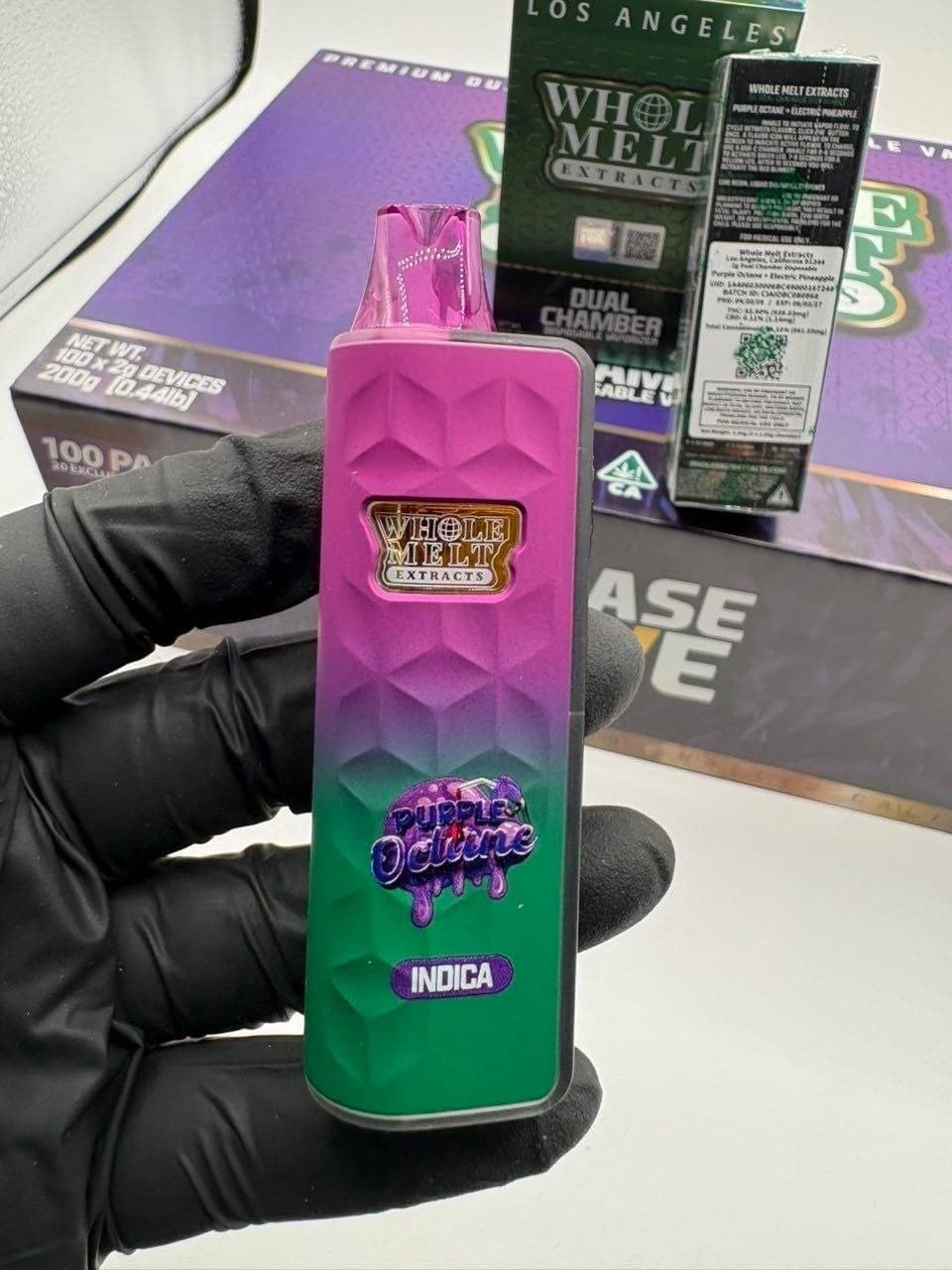

Muha Meds Golden Papaya
$24.99each

Most modern all-in-one devices recharge over USB-C, which exists so the cell outlasts the oil rather than the other way round. Use a low-output adapter, do not charge unattended or overnight, stop if it gets hot, and never charge a device that has been dropped or is leaking.
Editorial Team · Compliance and product research · Updated
The phrase "rechargeable disposable" reads as a contradiction and is not one. The oil finishes before a lithium cell does, and a device without a charge port is discarded with usable oil still in it. Adding a port is the fix.
It also means you are now charging a lithium cell, and lithium cells deserve a little respect.
A small cell in an all-in-one has enough capacity for roughly a gram of oil. Ask it to cover two grams and it will be flat before the device is.
That is the entire reason USB-C appeared on these devices. It is not a premium feature; it is what makes a 2g capacity honest. Devices such as Golden Papaya and Juice Man specify USB-C rechargeable batteries for exactly this reason.
This is the most important line on this page.
These cells are small and their charging circuits are simple. A modern fast charger — a laptop brick, a high-wattage phone charger — can push far more current than the circuit was designed to negotiate.
Use a low-output USB port: a computer port, or a 5V/1A phone charger of the older kind. Slower is not merely safer, it is better for the cell.
Not overnight. Not while you are out. Not on a bed, a sofa, a carpet or anything else that burns well.
Charge it on a hard surface, somewhere you can see it, and unplug it when the indicator says it is done. Most of these devices take well under an hour.
Warm is normal. Hot is not. If a device becomes uncomfortable to hold while charging, unplug it, put it somewhere non-flammable, and do not use it again.
Other stop signs: a swollen or deformed body, a hissing or crackling noise, any smell of solvent or burning plastic. A cell that is failing gives warning before it fails badly, and the warning is worth acting on.
Do not charge a device that has been dropped hard, that is leaking, that has been wet, or whose port is visibly damaged or full of debris.
Internal damage to a cell is not visible from outside, and charging is when a compromised cell is under the most stress. If any of that applies, stop using it and dispose of it properly — see disposing of vape hardware and batteries.
A device that has been outside in winter should come up to room temperature before charging. Charging a very cold lithium cell degrades it, and in bad cases damages it permanently.
Give it twenty minutes indoors. The same applies before using it — cold oil is thick oil, which is one of the causes in why a cartridge clogs.
If you are storing a part-used device for a long period, store it partly charged rather than full or empty. Lithium cells age fastest sitting at either extreme.
Somewhere around half is the kindest state, and it is what most manufacturers recommend for anything going into a drawer. There is more on storage in storing devices.
Pocket lint in a USB-C port causes a poor connection, and a poor connection generates heat exactly where you do not want it.
Look into the port before plugging in. Clear it with a wooden toothpick or a blast of air — never with something metal, which can bridge the contacts.
Before assuming it is dead: try a different cable, try a different port, clean the device port, and let it reach room temperature.
If none of that works, it is finished. Do not open it, do not attempt to charge the cell directly, and do not put it in a household bin.
None of this applies to a 510 cartridge, which has no cell. There the charging rules belong to your battery, and the battery manufacturer's instructions are the ones that matter.
Sold to adults 21 and over. This article is about hardware. What a particular device is filled with, and in what quantity, is a question for the certificate of analysis issued against the batch code on its packaging — not for an article, and not for anything printed on a box.

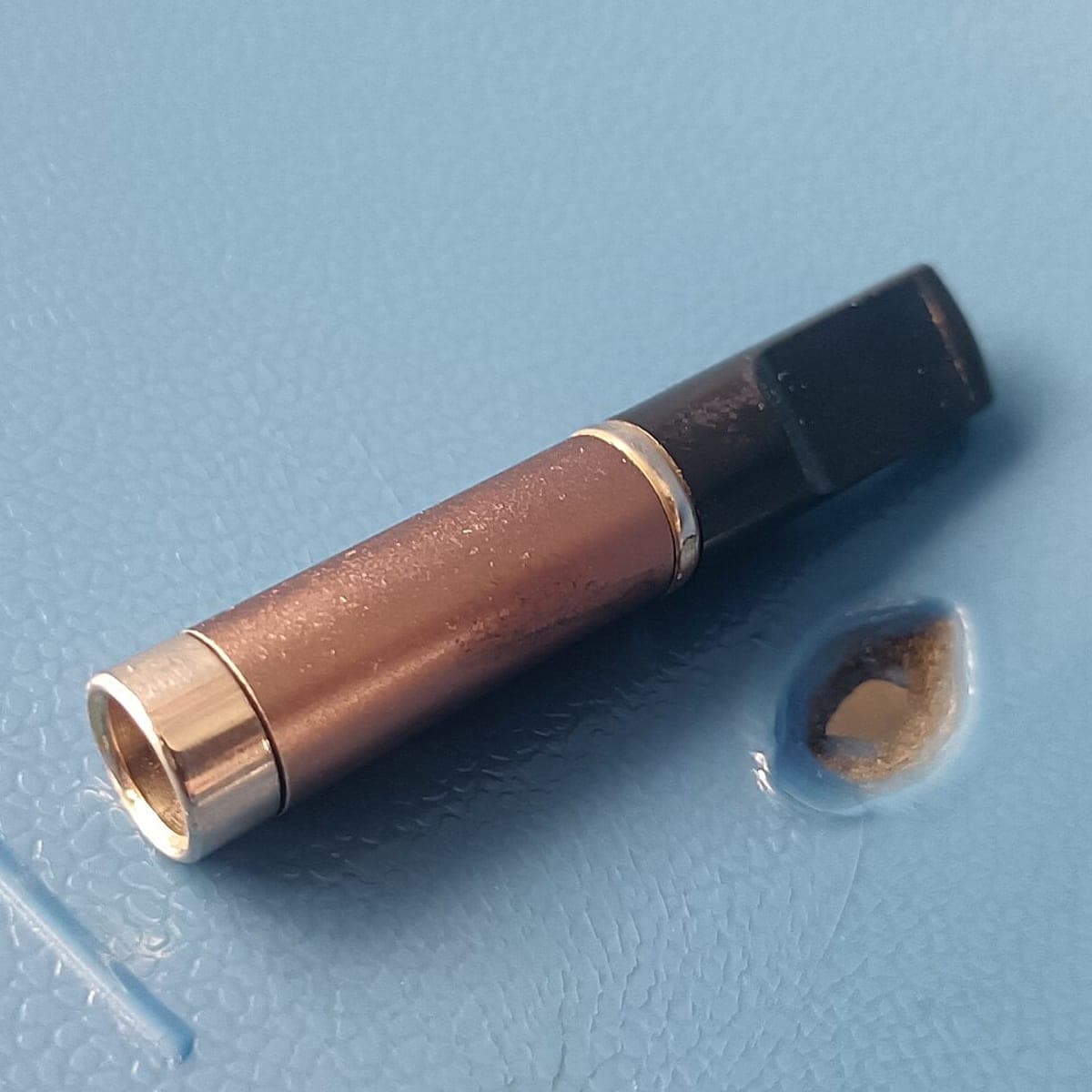
A 510 cartridge is a small tank with a threaded base that screws onto a separate battery. The number is a thread specification, not a brand or a capacity. It is the most widely shared fitting in the category, which is why a cartridge from one maker usually fits a battery from another.
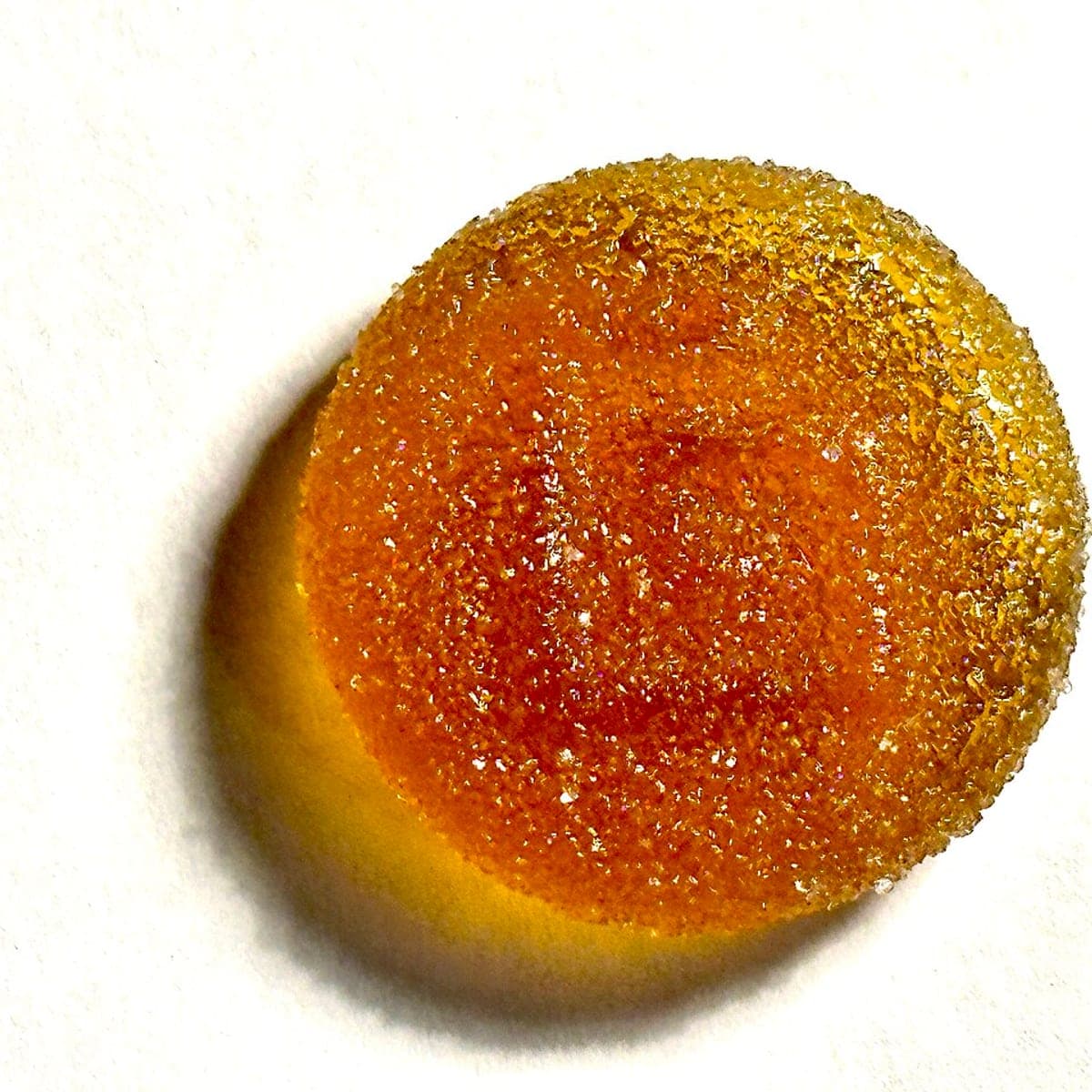
An all-in-one disposable arrives with its own battery and works out of the box. A 510 cartridge is a tank only and needs a battery you already own. Product names rarely make the difference obvious, and buying the wrong one is the most common ordering mistake in the category.

Store devices upright at room temperature, out of direct sun and out of a car. Heat thins oil and floods coils, cold thickens it and starves them, and light degrades what is inside. A part-used device going into a drawer should be left about half charged rather than full or empty.
Your cart is empty
Everything we sell is batch-tested, and we tell you what ships to your state before you add it.
Browse the shop