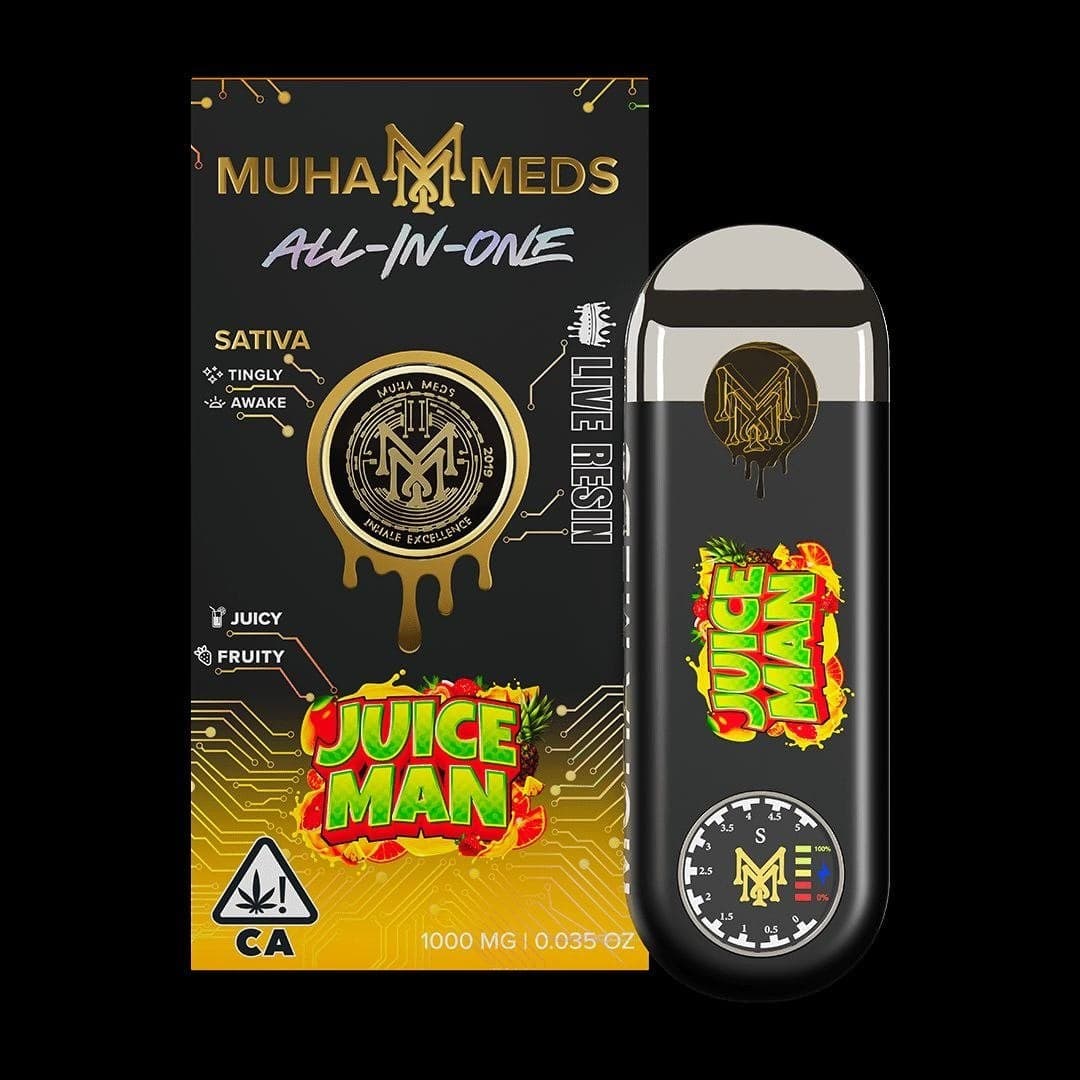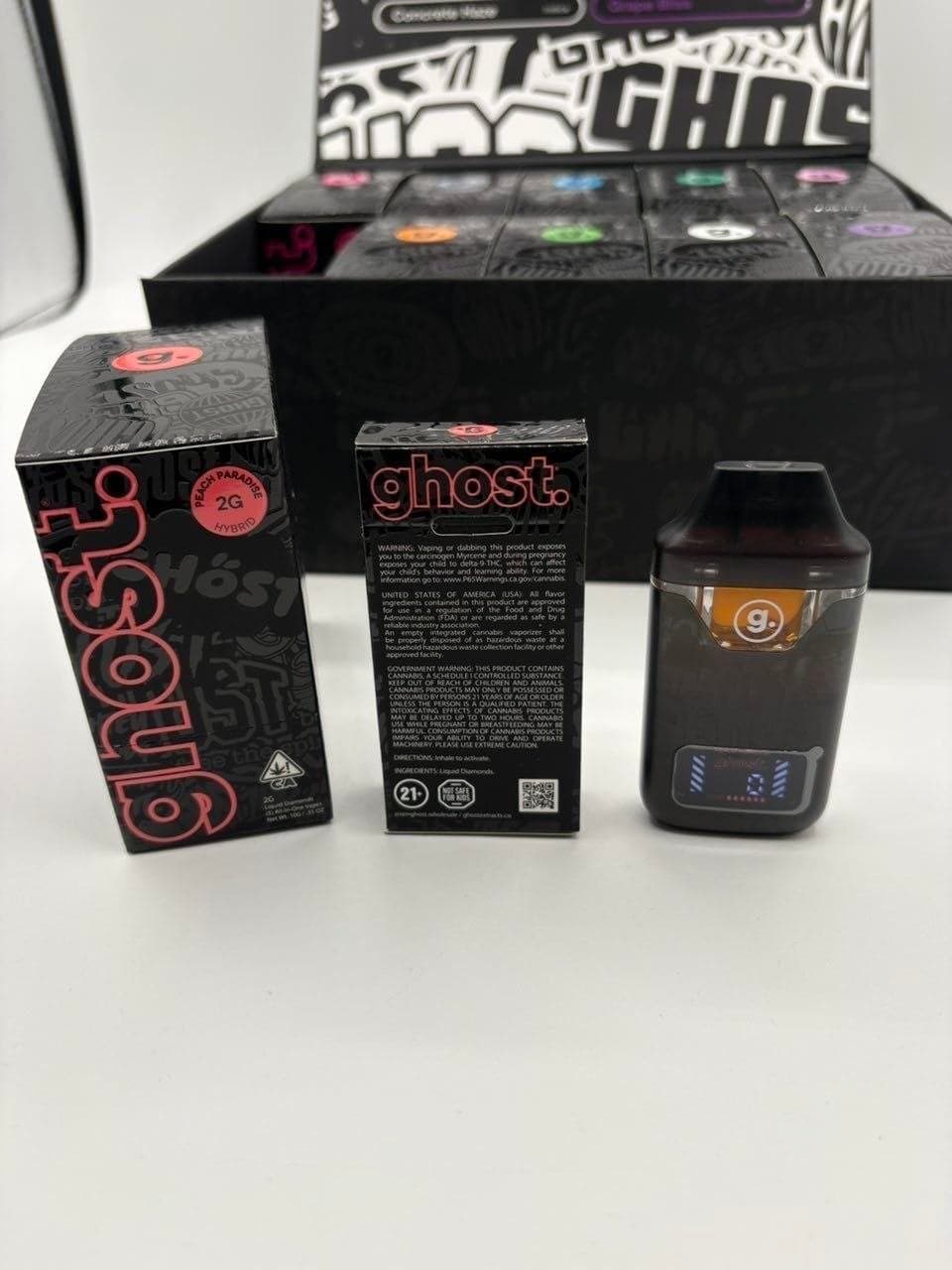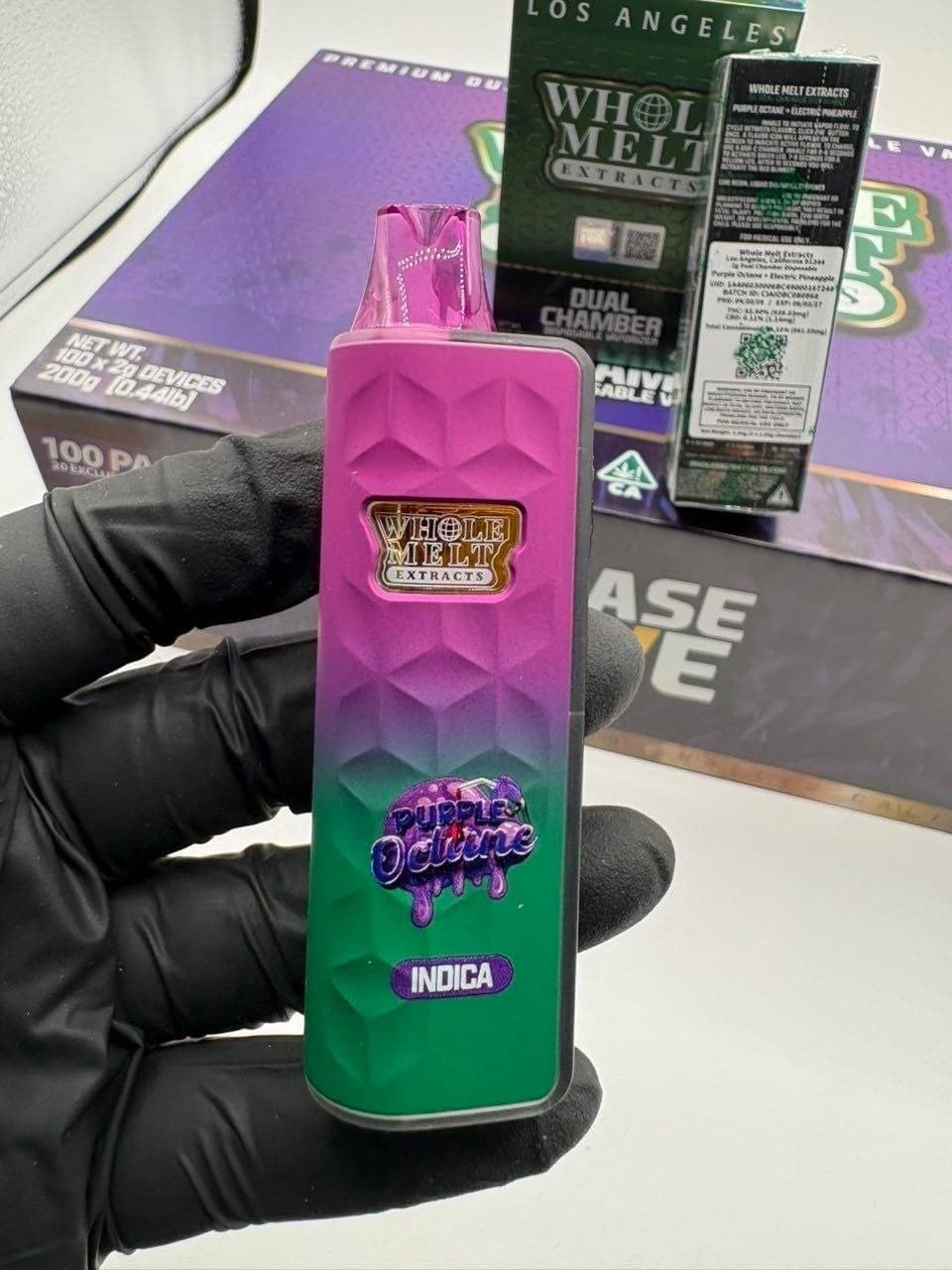
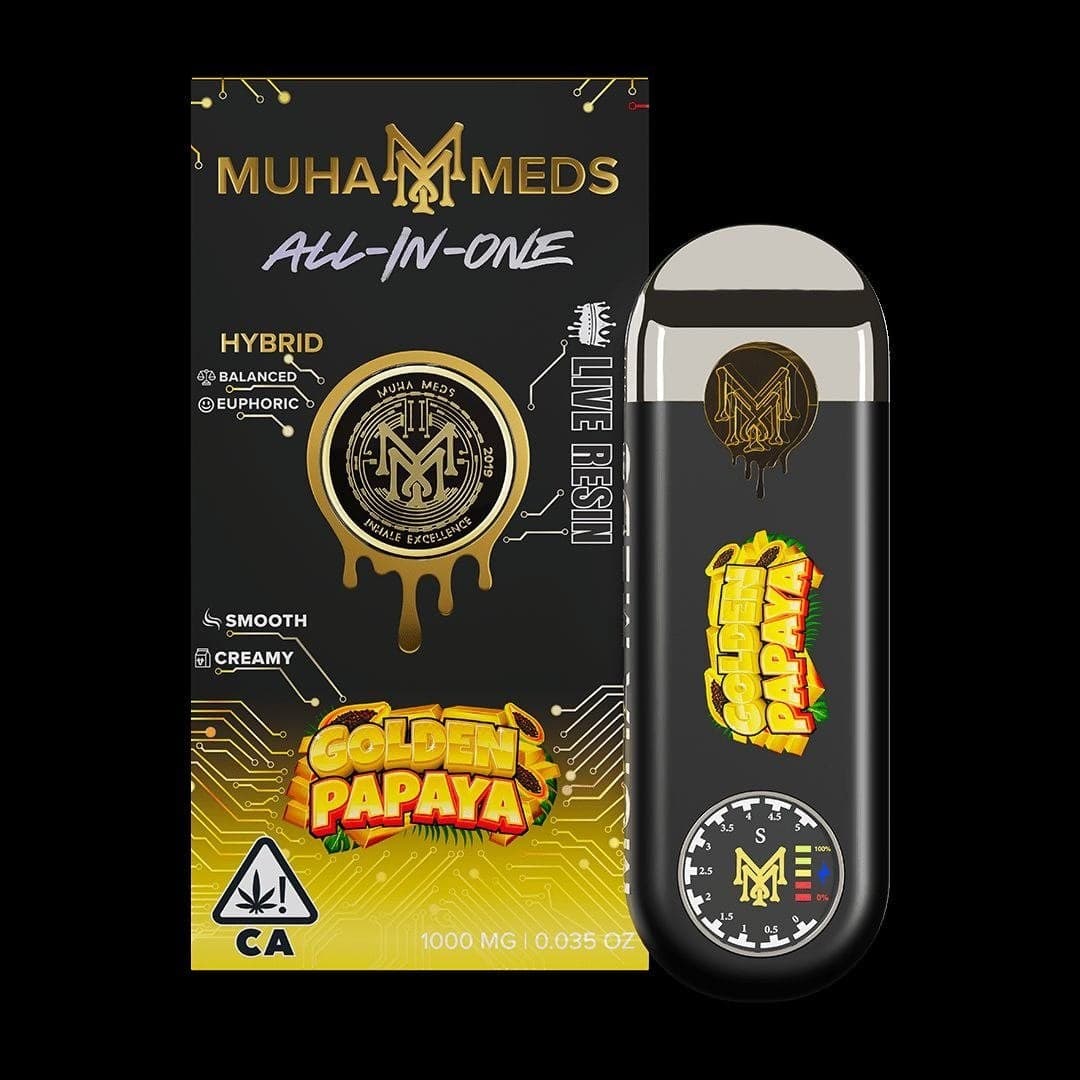
Muha Meds Golden Papaya
$24.99each
Your cart is empty
Everything we sell is batch-tested, and we tell you what ships to your state before you add it.
Browse the shop
THCA is the acidic form the plant actually produces. It carries an extra carboxyl group, and applying heat removes that group as carbon dioxide, converting it to delta-9 THC. The conversion is why laboratories report two different numbers and why a label and a test can appear to disagree.
Editorial Team · Compliance and product research · Updated
THCA appears on nearly every label and certificate in this category, usually with no explanation, and the gap between what it is and what people assume it is causes a great deal of confusion about testing, labelling and law.
The chemistry is simple enough to cover properly in one article.
Cannabis does not produce delta-9 THC in any meaningful quantity. What it produces is tetrahydrocannabinolic acid, usually written THCA — the same molecular skeleton with an additional carboxyl group attached, a cluster of one carbon, two oxygen and one hydrogen atom.
That group is the entire difference between the two molecules. Everything else about them is identical.
Apply heat and the carboxyl group leaves as carbon dioxide. The reaction is called decarboxylation, and what remains is delta-9 THC.
This is not a subtle or partial process under the conditions a vaporiser or a flame produces. It is the normal fate of THCA whenever it is heated, and it is why the acidic form is rarely what reaches a person — it converts on the way.
Here is the part that matters for every number you will see on a certificate.
The carboxyl group has mass, and it leaves. THCA has a molecular weight of about 358; delta-9 THC about 314. The ratio is 0.877, which means a gram of pure THCA converts to roughly 0.877 grams of delta-9 THC, with the remainder leaving as gas.
That factor is not a convention or a rule of thumb. It is a mass ratio, and it is why the same material honestly produces two different numbers depending on which question you asked.
A certificate will typically report THCA and delta-9 THC as separate line items, and then a calculated figure usually labelled total THC.
The first two are measurements: how much acid was in the sample, and how much already-converted THC was in it. The third is arithmetic — it answers "what would this become if it were all heated", and it is calculated rather than measured. How that calculation works is covered in total THC and how the number is worked out.
A label quoting one and a test quoting another is not necessarily a contradiction. It is frequently two answers to two different questions.
A cartridge or an all-in-one heats its contents by design. Whatever acidic form is in the oil when it is filled is converting as it is used.
That is one reason a certificate is issued against a batch and a date rather than against a product name. It describes the material as tested, at that moment, and the conversion question is separate from it.
Decarboxylation also happens slowly at room temperature, faster when warm, faster again in light. It is not only a heating-element phenomenon.
This is part of why storing devices out of sun and out of a hot car is worth doing, and why a certificate carries a test date rather than standing forever. Material tested in January is not making a promise about the same material in August.
It does not tell you what is in any particular device, at what strength, or what that means legally where you are.
Those are questions for the certificate issued against the batch code on your packaging, and for the live state rules at checkout rather than for anything written into a page. The guide to certificates of analysis covers what a record should contain and how to match it to a code.
Sold to adults 21 and over. This article explains the subject in general. What any particular product contains, and in what quantity, comes from the certificate of analysis issued against the batch code on its packaging — not from an article, not from a product page, and not from anything printed on a box.
A certificate usually lists a dozen cannabinoids beyond THC. CBG is the precursor everything else is built from, CBN is a degradation product that rises with age and heat, and CBD is the most abundant of the non-THC compounds. Reading the whole list tells you more about a batch than the headline figure.
Heat accelerates conversion and thins oil until it floods a coil. Light drives the same reactions faster. Air oxidises THC into CBN. All three are why a device kept in a car performs differently from one kept in a drawer, and why opaque packaging is not a styling decision.
These four words describe how an oil was produced, not how strong it is. Live resin starts from fresh-frozen material. Distillate is refined to a near-single compound. Rosin is made with heat and pressure alone. Liquid diamonds pair crystalline material with a terpene-rich liquid.