Muha Meds Golden Papaya
$24.99each
These four words describe how an oil was produced, not how strong it is. Live resin starts from fresh-frozen material. Distillate is refined to a near-single compound. Rosin is made with heat and pressure alone. Liquid diamonds pair crystalline material with a terpene-rich liquid.
Editorial Team · Compliance and product research · Updated
Every listing in this category carries one of these words and almost none of them explains it. They describe process — how the oil in a device was produced — and process is worth understanding because it is the main thing that differs between two devices that otherwise look identical.
None of them is a strength claim, and treating them as a quality ranking is the usual mistake.
"Live" refers to the starting material. Plant material is frozen immediately after harvest rather than dried and cured first, and it is processed from frozen.
The point is aromatic preservation. Terpenes — the volatile compounds responsible for aroma — are largely lost during drying and curing, so starting from fresh-frozen material keeps a profile closer to the living plant.
It is a solvent-based process. What distinguishes live resin from other solvent-based concentrates is the state of the input, not the method.
Distillate is the most refined of the four. Material is processed and then separated by boiling point under vacuum, repeatedly, until what remains is close to a single compound.
The result is clear to pale amber, largely odourless, and consistent from batch to batch — which is precisely why it is used. Consistency is a real virtue in manufacturing.
The trade-off is that the refining strips the aromatic compounds along with everything else. Distillate products are therefore usually re-aromatised afterwards, either with terpenes recovered earlier in the process or with botanical ones, which is why two distillate devices can smell entirely different.
Rosin is made with heat and pressure alone — no solvent at any stage. Material is pressed between heated plates and the resin is squeezed out.
It is the simplest process of the four in principle and the fussiest in practice, because temperature, pressure and time all have to be right for the particular input. It is usually the most expensive as a result.
Hash rosin starts from ice-water-washed material rather than from whole plant, which is a further step and a further cost. "Solventless" on a label generally means rosin.
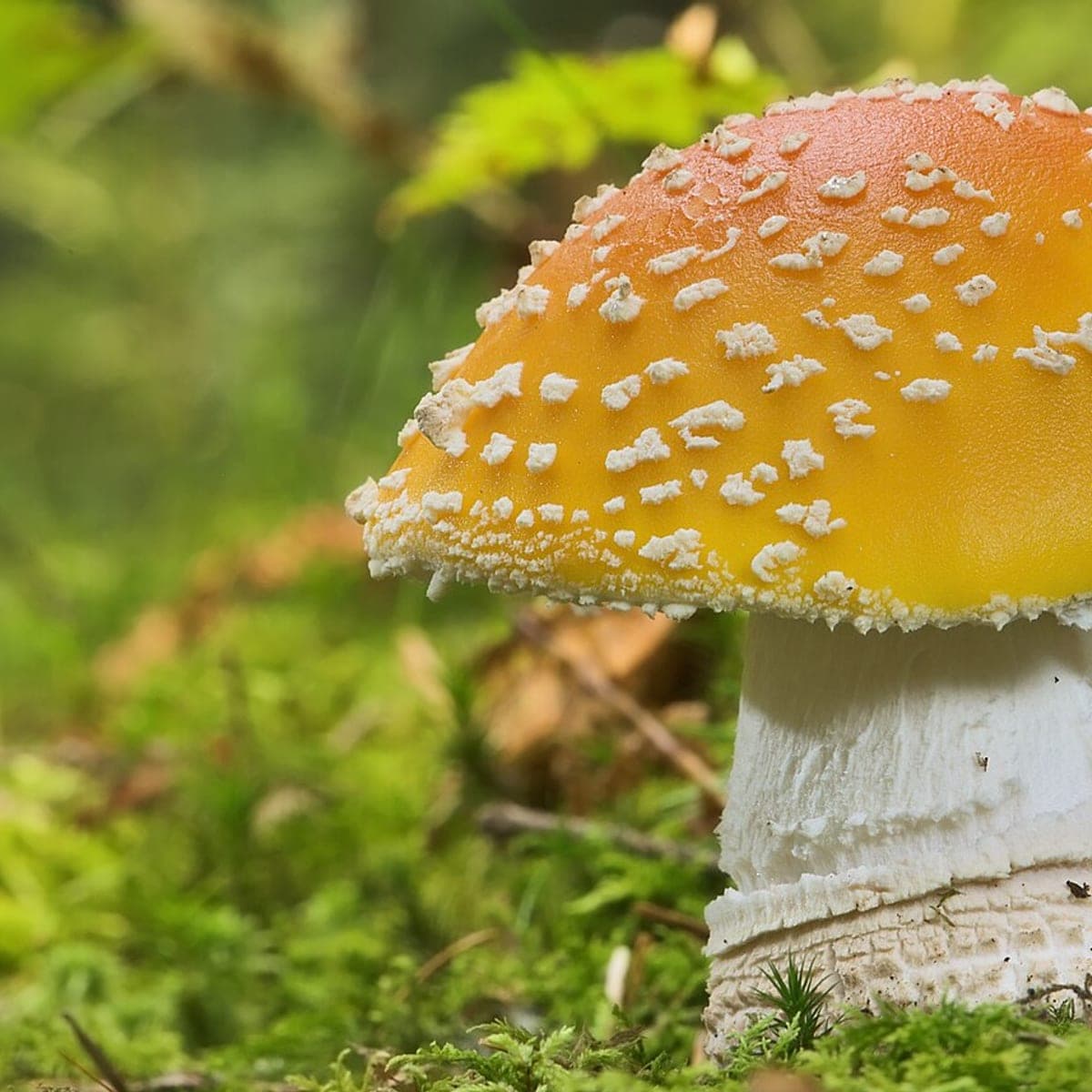
This describes a combination rather than a single process: crystalline cannabinoid material suspended in a terpene-rich liquid.
The crystals are produced by allowing a concentrate to form solid structures under controlled conditions; the liquid fraction is separated and retained. Recombining them in chosen proportions gives a product that carries both a high cannabinoid load and a strong aromatic profile.
"Melted diamonds" and similar terms usually describe the same idea with the crystalline fraction already dissolved into the liquid rather than suspended as visible solids.
Process affects viscosity, and viscosity affects hardware.
Thicker material feeds more slowly through a coil, which is why device design and oil type are chosen together, and why a very thick oil in a cold room is one of the causes in why a cartridge clogs. Ceramic cores handle thick material better than older wick designs, as covered in ceramic coils and why hardware matters.
It does not tell you strength, purity, or whether a product was tested.
A carefully made distillate and a carelessly made rosin are not ranked by their process words. What separates them is the certificate: what the panel measured, what contaminants were screened for, which laboratory did it and when. See what a contaminant panel covers.
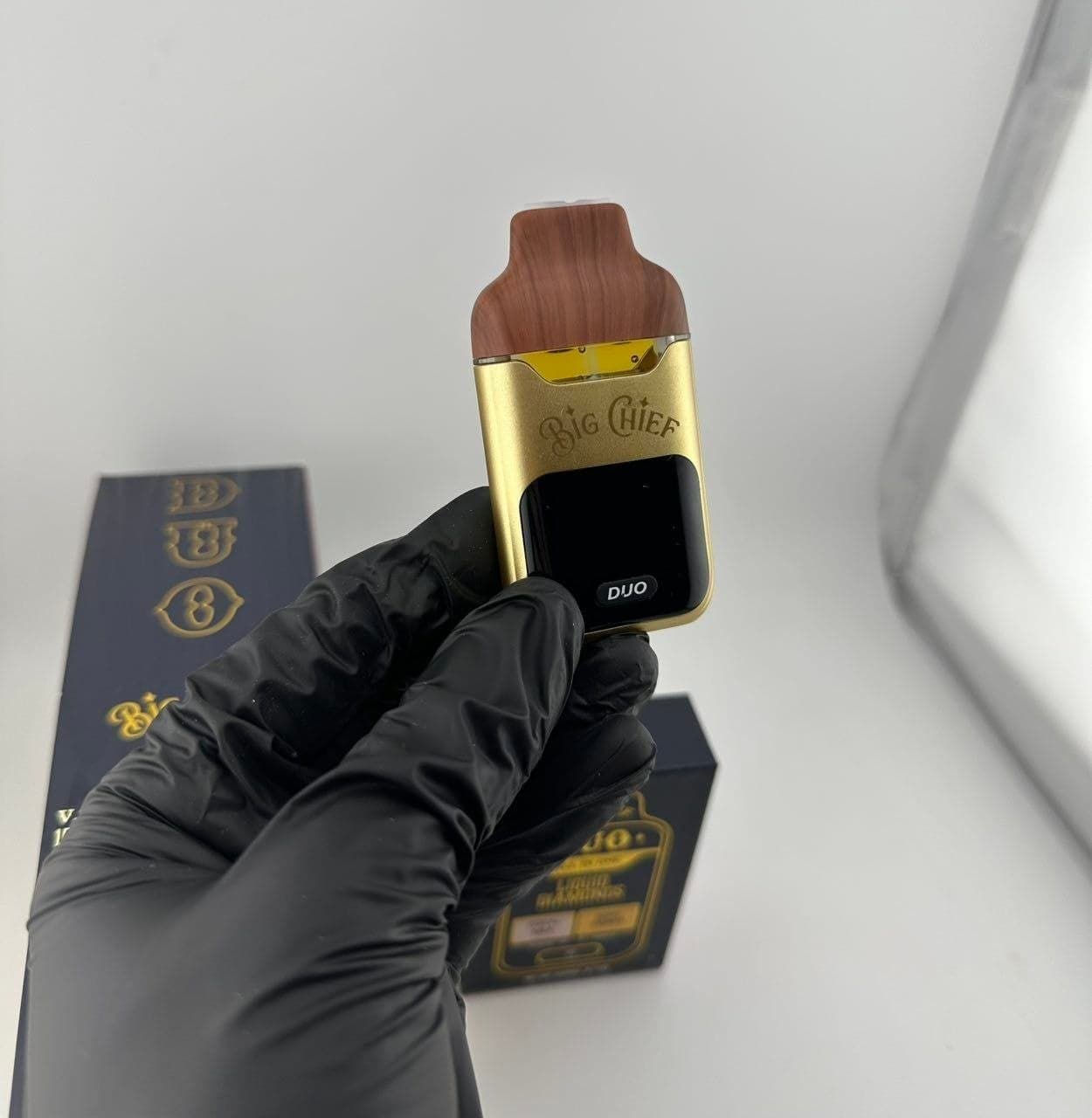
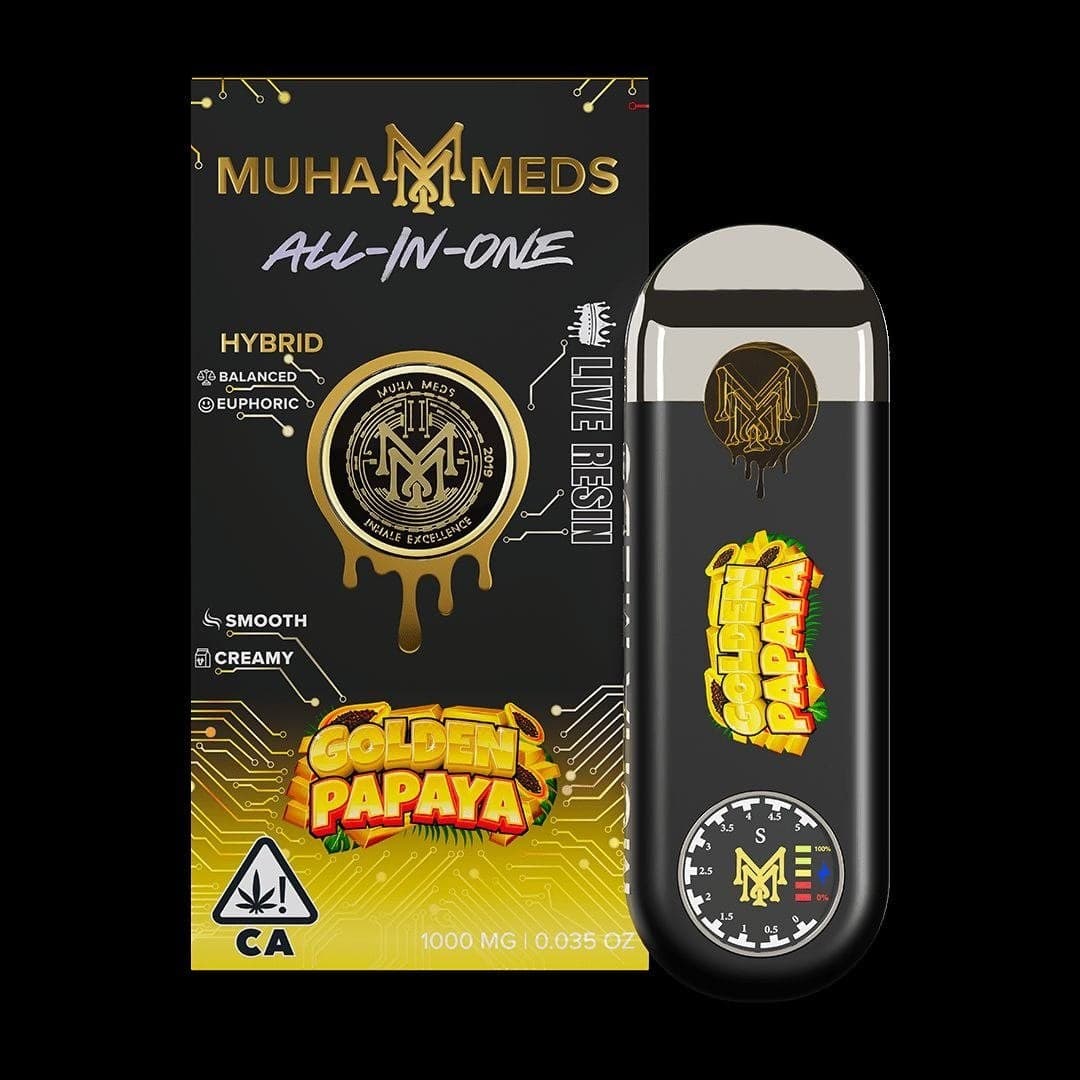
On this site, a product page states the process word only where the manufacturer publishes it. Where a brand publishes nothing, the specification table says nothing rather than guessing — Ghost 2G and Big Chief 2G are written that way, while the Muha Meds listings such as Golden Papaya carry the brand's own published process word.
A page that names a process for every product it sells, with no source, is telling you about its copywriting rather than its stock.
Sold to adults 21 and over. This article explains the subject in general. What any particular product contains, and in what quantity, comes from the certificate of analysis issued against the batch code on its packaging — not from an article, not from a product page, and not from anything printed on a box.
A certificate usually lists a dozen cannabinoids beyond THC. CBG is the precursor everything else is built from, CBN is a degradation product that rises with age and heat, and CBD is the most abundant of the non-THC compounds. Reading the whole list tells you more about a batch than the headline figure.
Heat accelerates conversion and thins oil until it floods a coil. Light drives the same reactions faster. Air oxidises THC into CBN. All three are why a device kept in a car performs differently from one kept in a drawer, and why opaque packaging is not a styling decision.
THCA is the acidic form the plant actually produces. It carries an extra carboxyl group, and applying heat removes that group as carbon dioxide, converting it to delta-9 THC. The conversion is why laboratories report two different numbers and why a label and a test can appear to disagree.
Your cart is empty
Everything we sell is batch-tested, and we tell you what ships to your state before you add it.
Browse the shop