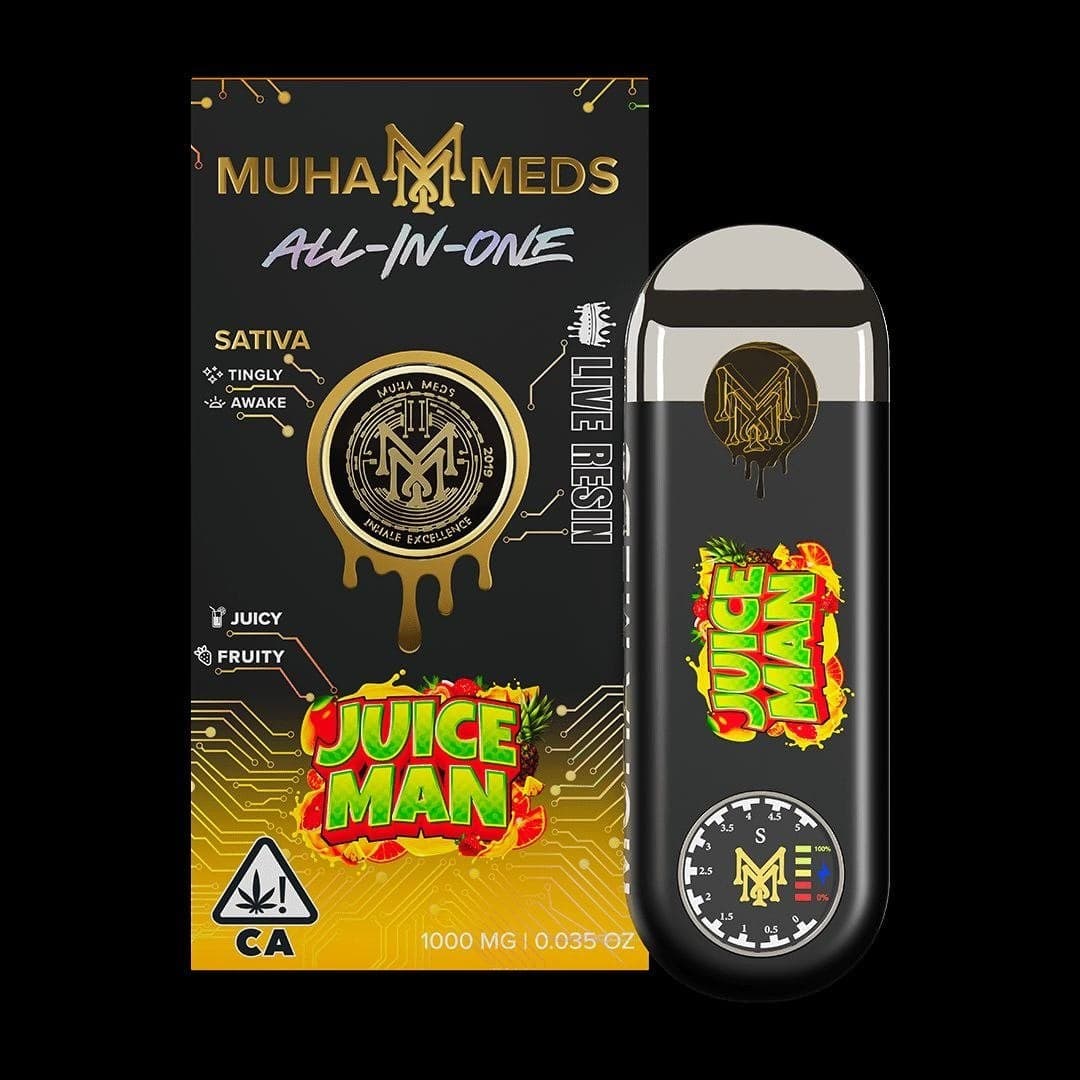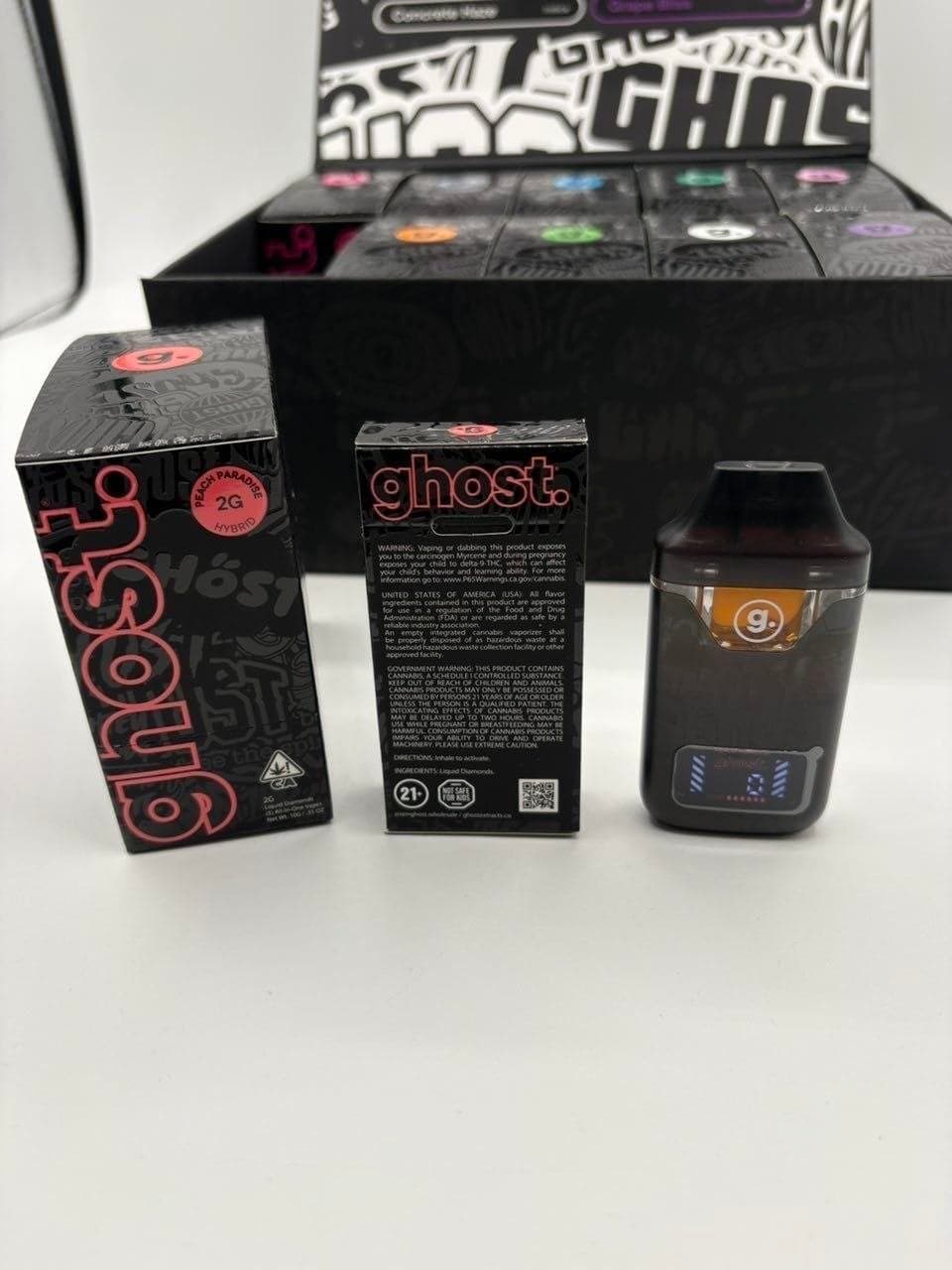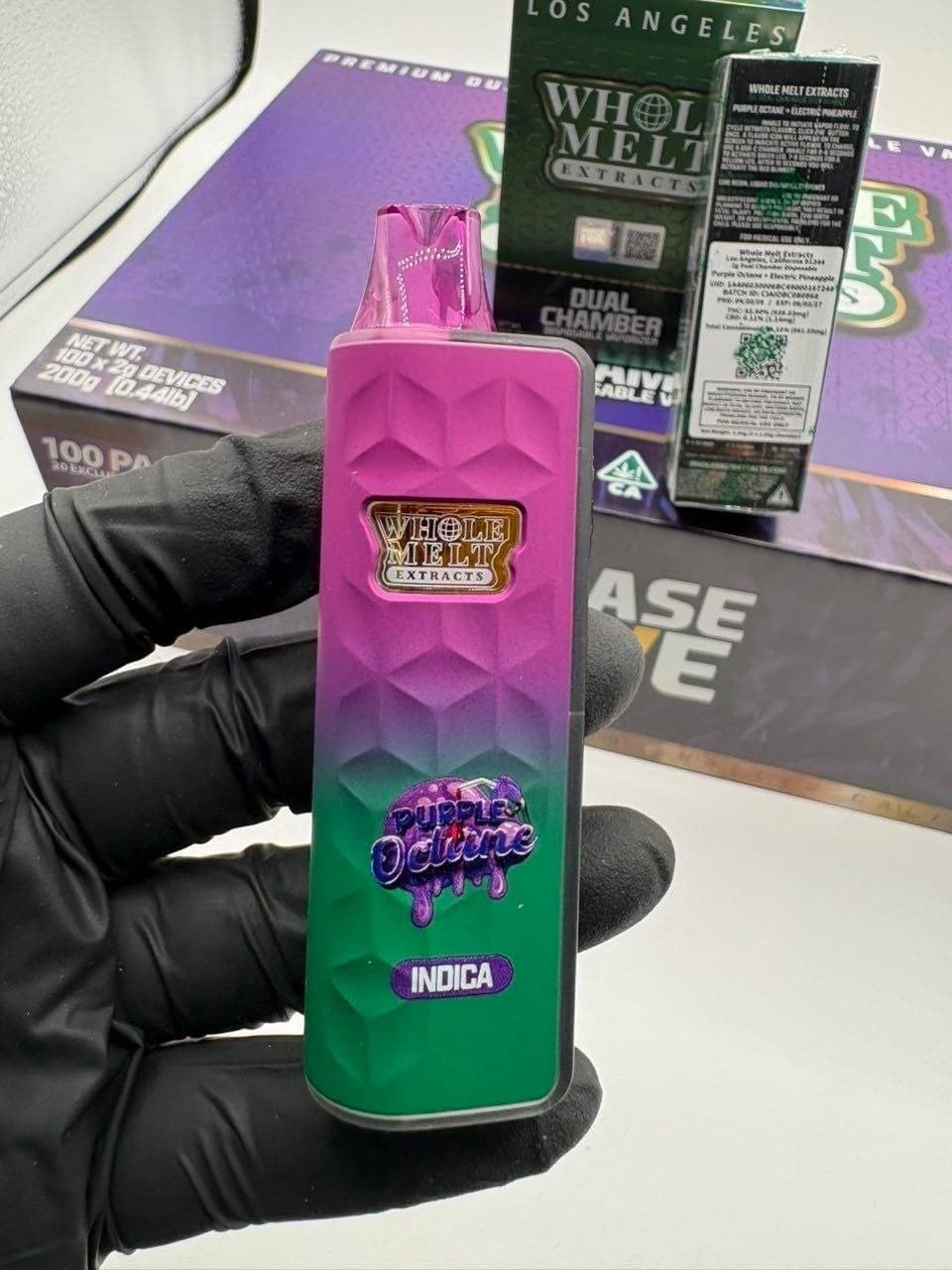
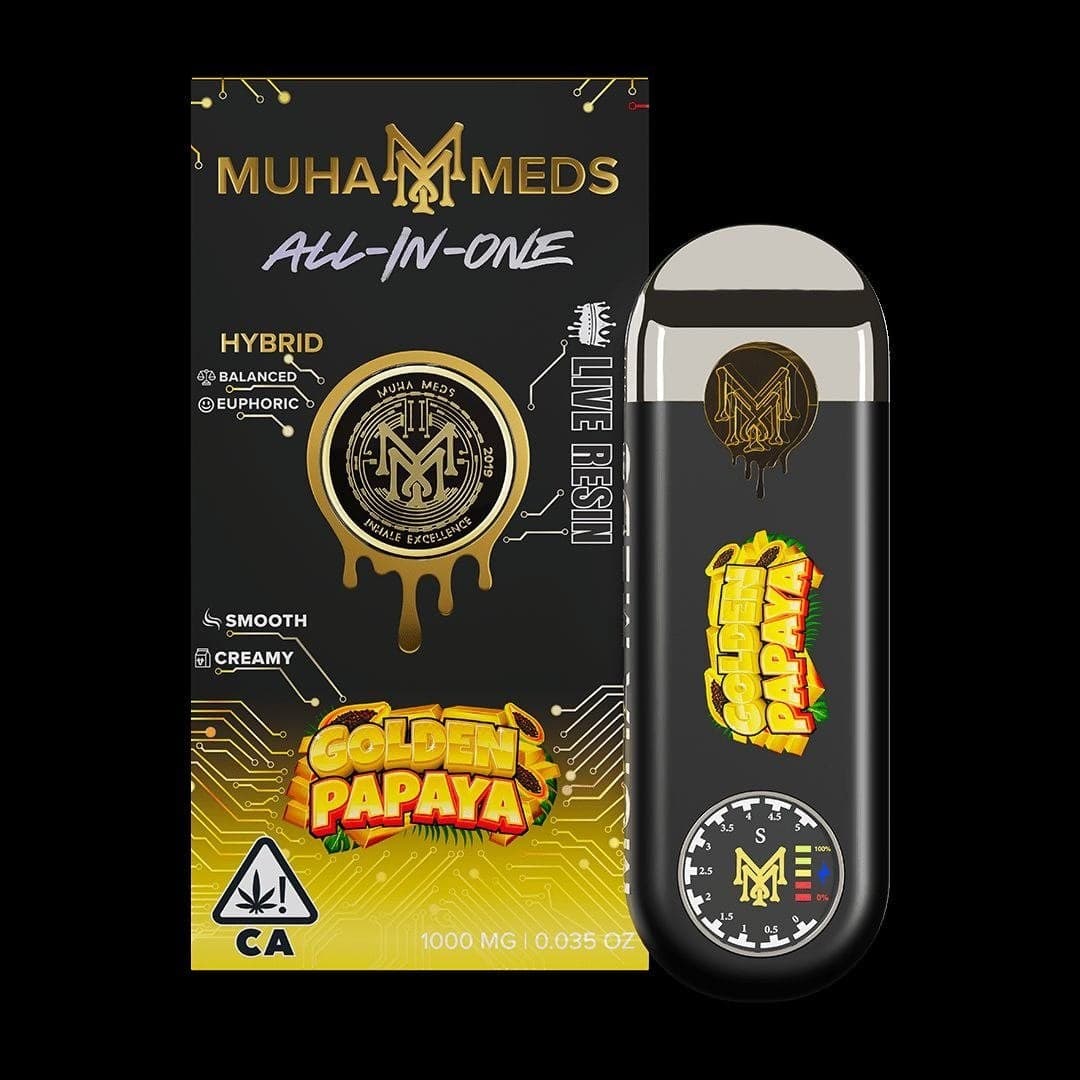
Muha Meds Golden Papaya
$24.99each
Your cart is empty
Everything we sell is batch-tested, and we tell you what ships to your state before you add it.
Browse the shop
Heat accelerates conversion and thins oil until it floods a coil. Light drives the same reactions faster. Air oxidises THC into CBN. All three are why a device kept in a car performs differently from one kept in a drawer, and why opaque packaging is not a styling decision.
Editorial Team · Compliance and product research · Updated
Three ordinary things degrade what is inside a device, and all three are under your control. Understanding what each one actually does makes the storage advice obvious rather than arbitrary.
Heat does two separate things.
It accelerates decarboxylation. THCA converts to delta-9 THC faster as temperature rises — the chemistry is in what THCA is. It happens slowly at room temperature and much faster in a hot car.
It thins the oil. Viscosity falls sharply with temperature, and thin oil feeds through a coil faster than the coil can vaporise it. That is flooding, and it is why a device retrieved from a hot dashboard gurgles and leaks for hours afterwards. See why a cartridge clogs.
A car in summer regularly exceeds anything these devices are designed for. It is the worst place in ordinary life to leave one.
The opposite problem, and less damaging but still real.
Cold oil is thick oil, and thick oil cannot feed fast enough to keep a coil supplied. The result is a weak draw, and repeated firing into it runs the element dry and scorches it.
Cold also matters for the battery in an all-in-one device: charging a very cold lithium cell degrades it, which is covered in charging a rechargeable disposable safely.
Light — particularly ultraviolet — drives the same degradation reactions as heat, and it does so without the device feeling warm.
This is why serious packaging in this category is opaque rather than clear, and why a device left on a sunny windowsill for a month is measurably different from one kept in a drawer. A clear display box is a shop fitting, not storage.
Oxidation converts THC into CBN over time. It is slow in a sealed device and faster once a seal is compromised or a cartridge is part used with air in the reservoir.
CBN is therefore the most useful single line on a panel for judging how material has been kept — see CBD, CBG, CBN and the minor cannabinoids.
Before any of the above becomes obvious, aroma changes. Terpenes are volatile by definition, so they are the first thing to go in heat, in light and in air.
A device that tasted vivid when opened and flat a month later has usually lost terpenes rather than anything else. That is why flavour varies, and it is largely preventable by storage.
The full version is in storing devices.
Everything above is the reason a record is issued against a test date rather than standing indefinitely. Material tested in January and stored badly is not the material that certificate describes.
That argument is made properly in why a test date matters.
Sold to adults 21 and over. This article explains the subject in general. What any particular product contains, and in what quantity, comes from the certificate of analysis issued against the batch code on its packaging — not from an article, not from a product page, and not from anything printed on a box.
A certificate usually lists a dozen cannabinoids beyond THC. CBG is the precursor everything else is built from, CBN is a degradation product that rises with age and heat, and CBD is the most abundant of the non-THC compounds. Reading the whole list tells you more about a batch than the headline figure.
THCA is the acidic form the plant actually produces. It carries an extra carboxyl group, and applying heat removes that group as carbon dioxide, converting it to delta-9 THC. The conversion is why laboratories report two different numbers and why a label and a test can appear to disagree.
These four words describe how an oil was produced, not how strong it is. Live resin starts from fresh-frozen material. Distillate is refined to a near-single compound. Rosin is made with heat and pressure alone. Liquid diamonds pair crystalline material with a terpene-rich liquid.