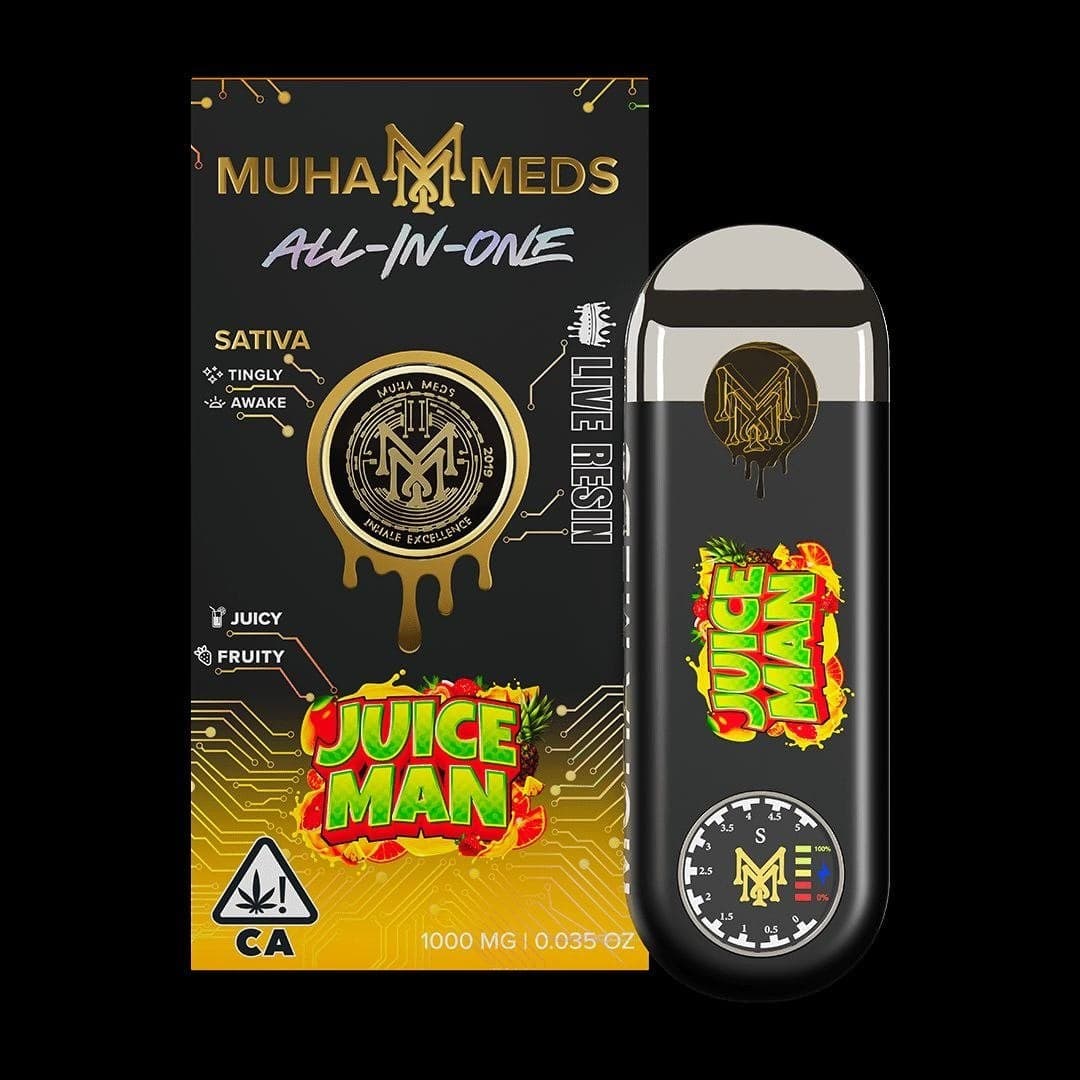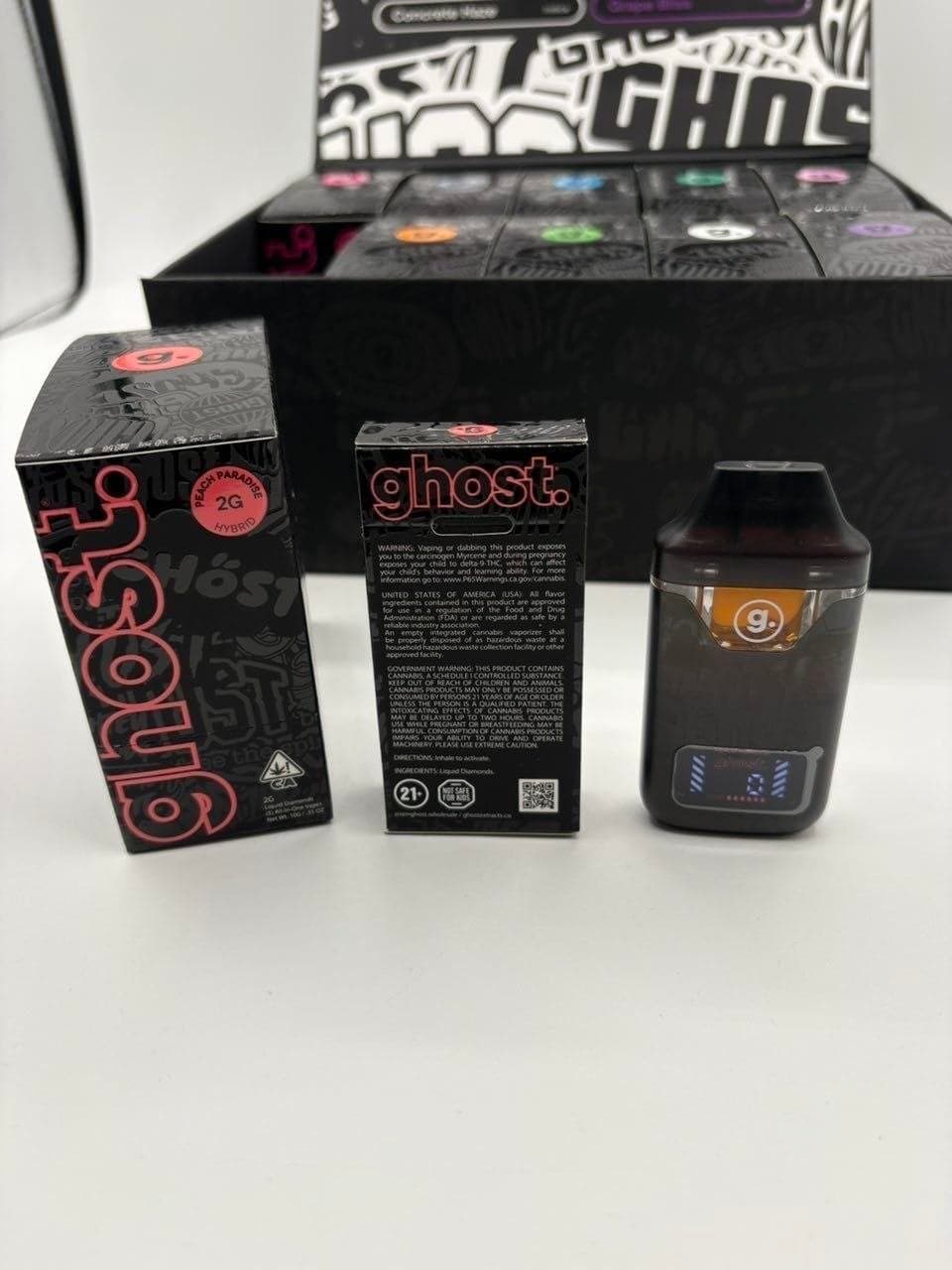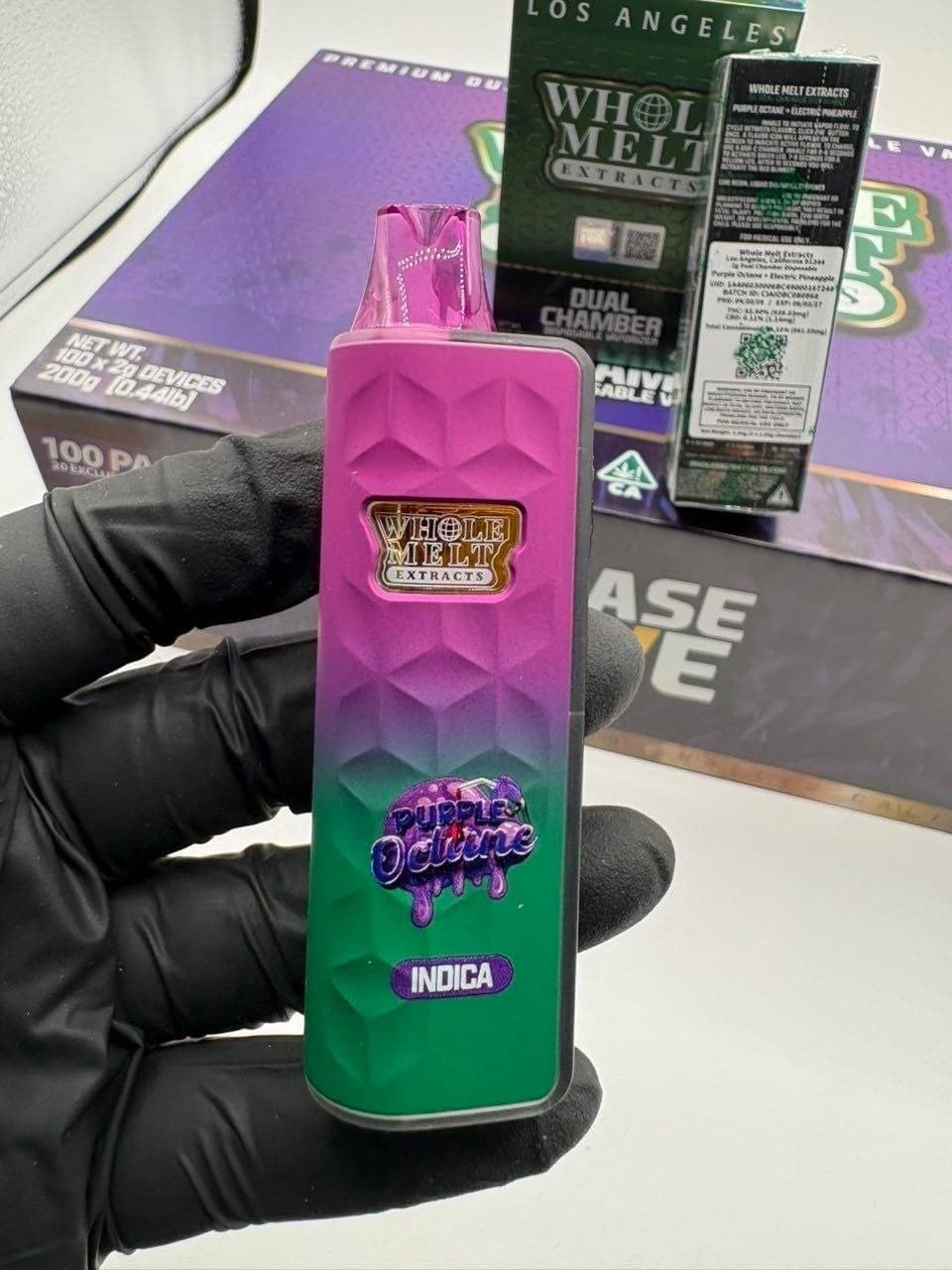
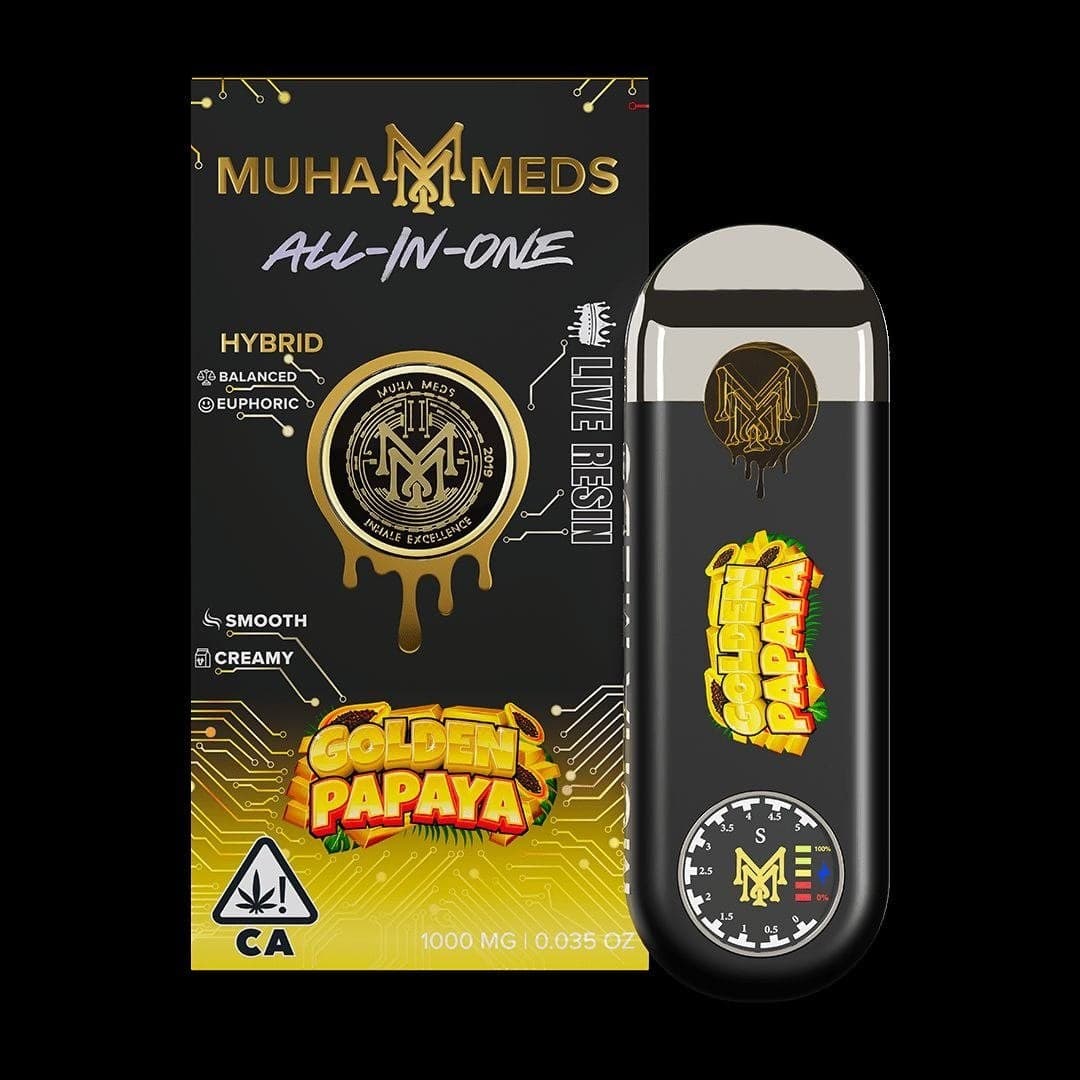
Muha Meds Golden Papaya
$24.99each
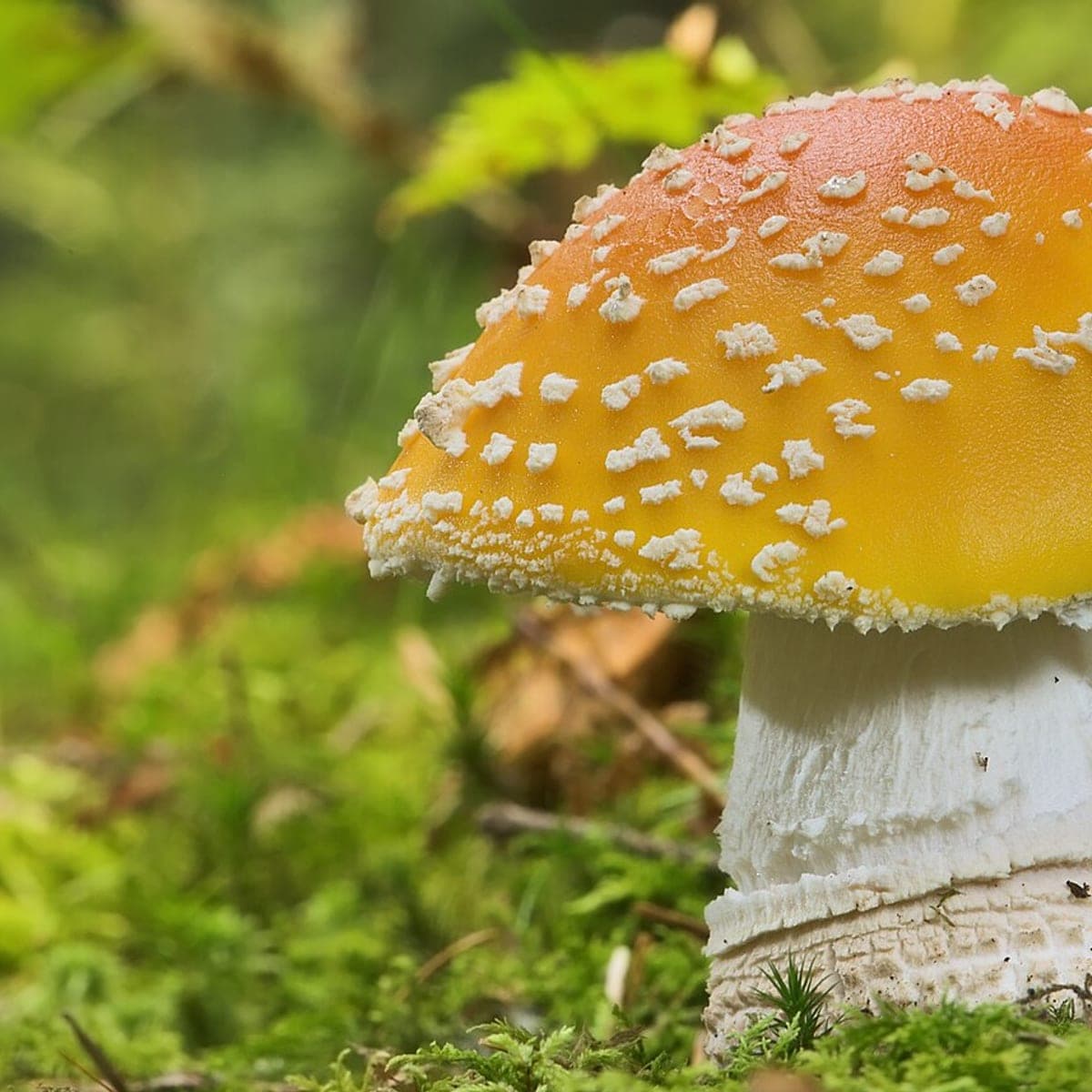
Terpenes are volatile aromatic compounds found across the plant kingdom — the same molecules that make pine smell of pine and lemon peel of lemon. They are why two devices differ in aroma, why flavour shifts between batches, and why processing method changes a product more than most people expect.
Editorial Team · Compliance and product research · Updated
Terpenes are the reason two products that test similarly can smell and taste nothing alike, and the reason a flavour you liked in spring is subtly different in autumn.
They are also widely misdescribed, so it is worth being precise about what they are and what they are not.
Terpenes are a large family of volatile aromatic compounds produced by an enormous range of plants. They are not specific to cannabis and never have been.
Limonene is what makes citrus peel smell of citrus. Pinene is the smell of pine forest. Myrcene is prominent in hops and mango. Linalool is a large part of lavender. The same molecules appear in many species, which is why aroma descriptions across the category borrow so heavily from fruit and herbs.
Volatile means they evaporate readily at low temperature. That single property explains most of what follows.
Because they evaporate easily, terpenes are lost at every stage where material is warm, exposed to air, or handled.
Drying and curing lose a substantial fraction. Refining loses more. Warm storage loses more still. This is not a defect in anyone's process — it is a property of a molecule that wants to leave.
It is also why storing a device out of sun and out of a hot car makes a noticeable difference to how it tastes a month later.
The differences described in live resin, distillate, rosin and liquid diamonds are largely differences in how terpenes are handled.
Live resin exists specifically to preserve them — freezing immediately after harvest skips the drying stage where most are lost.
Distillate loses essentially all of them by design, because the refining separates by boiling point and terpenes boil far below the target. That is why distillate products are re-aromatised afterwards.
Rosin retains a good deal, because the process is short and the temperatures are moderate.
Liquid diamonds recombine a crystalline fraction with a retained terpene-rich liquid, which is the whole point of the format.
Re-aromatised products may use terpenes recovered from the plant itself, or the same molecules sourced from other plants. Limonene from an orange is chemically limonene.
Some brands specify which they use and some do not. Where a manufacturer publishes it, a product page should say so; where nothing is published, a page should say nothing rather than assume. That is how the listings here are written.
Terpene profile is agricultural. It varies with genetics, growing conditions, harvest timing, drying and storage — the same strain grown twice does not produce an identical profile.
So a device from one batch and a device from another, bearing the same name, can genuinely differ in aroma without anything being wrong. It is the same reason a wine from one year differs from the next.
This is precisely why a certificate is issued against a batch code rather than a product name — see what a batch code is.
Because terpenes are volatile, temperature changes what you taste. A cooler coil preserves aromatic character; a hotter one drives it off and produces more vapour with less nuance.
On a 510 cartridge with a variable-voltage battery this is directly under your control, and dropping the voltage is the first thing to try when something tastes harsh. On an all-in-one the manufacturer has made that decision for you.
They are aromatic compounds. This article describes what they are and where they come from, and makes no claim about what any of them does to a person — no effect, no benefit, no outcome of any kind. Anyone telling you otherwise is making a claim they cannot support.
Sold to adults 21 and over. This article explains the subject in general. What any particular product contains, and in what quantity, comes from the certificate of analysis issued against the batch code on its packaging — not from an article, not from a product page, and not from anything printed on a box.
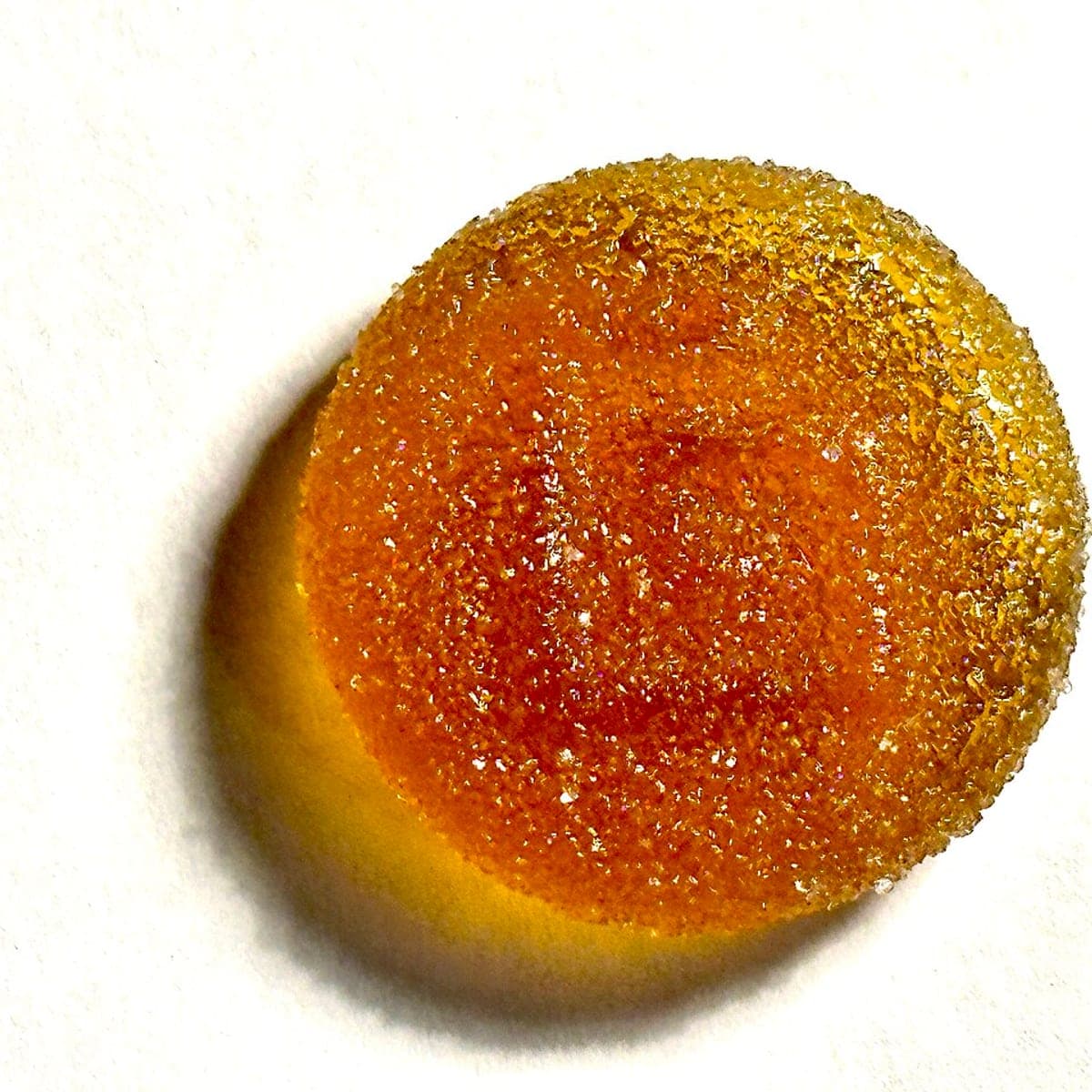
A certificate usually lists a dozen cannabinoids beyond THC. CBG is the precursor everything else is built from, CBN is a degradation product that rises with age and heat, and CBD is the most abundant of the non-THC compounds. Reading the whole list tells you more about a batch than the headline figure.
Heat accelerates conversion and thins oil until it floods a coil. Light drives the same reactions faster. Air oxidises THC into CBN. All three are why a device kept in a car performs differently from one kept in a drawer, and why opaque packaging is not a styling decision.
THCA is the acidic form the plant actually produces. It carries an extra carboxyl group, and applying heat removes that group as carbon dioxide, converting it to delta-9 THC. The conversion is why laboratories report two different numbers and why a label and a test can appear to disagree.
Your cart is empty
Everything we sell is batch-tested, and we tell you what ships to your state before you add it.
Browse the shop