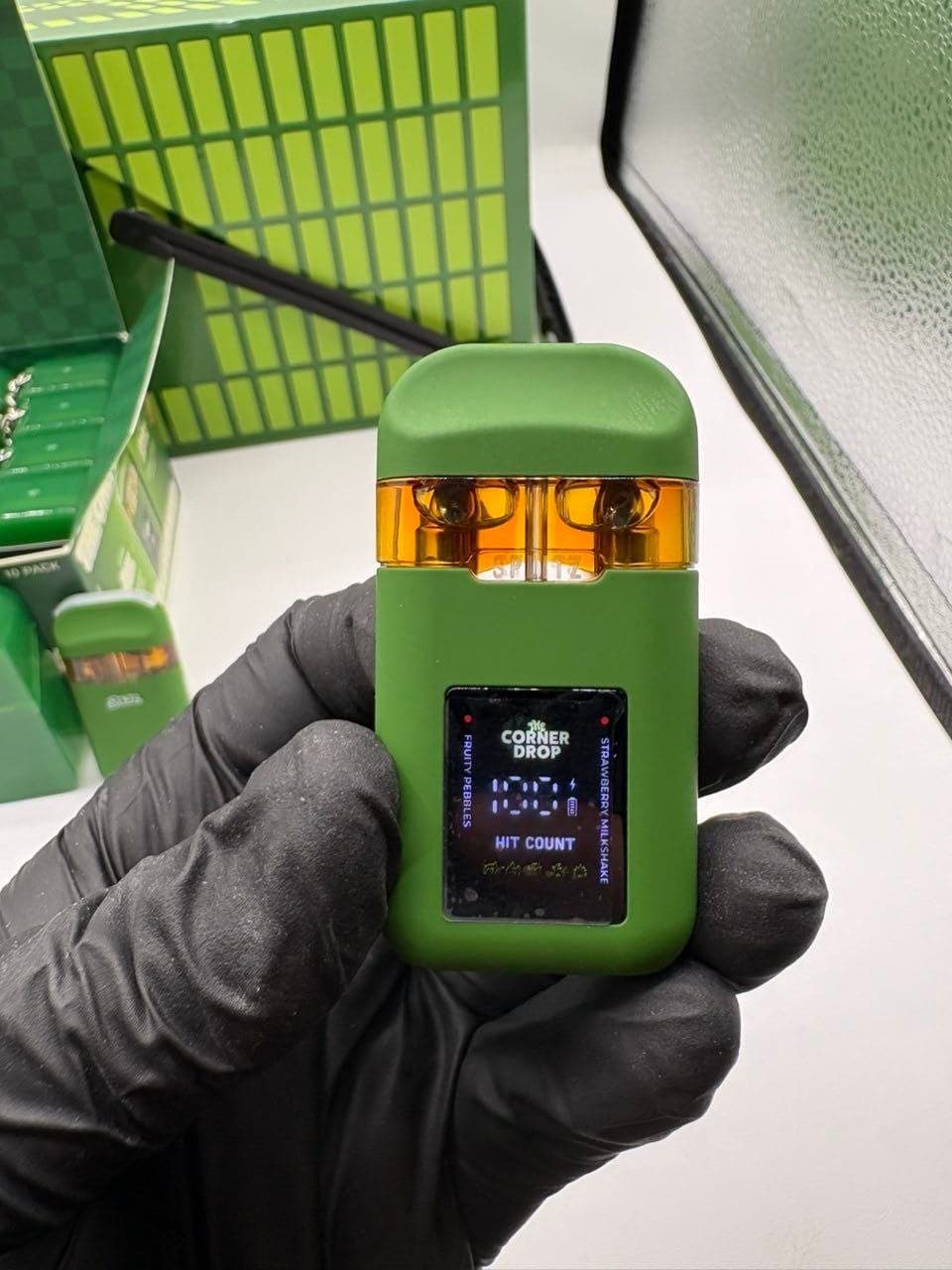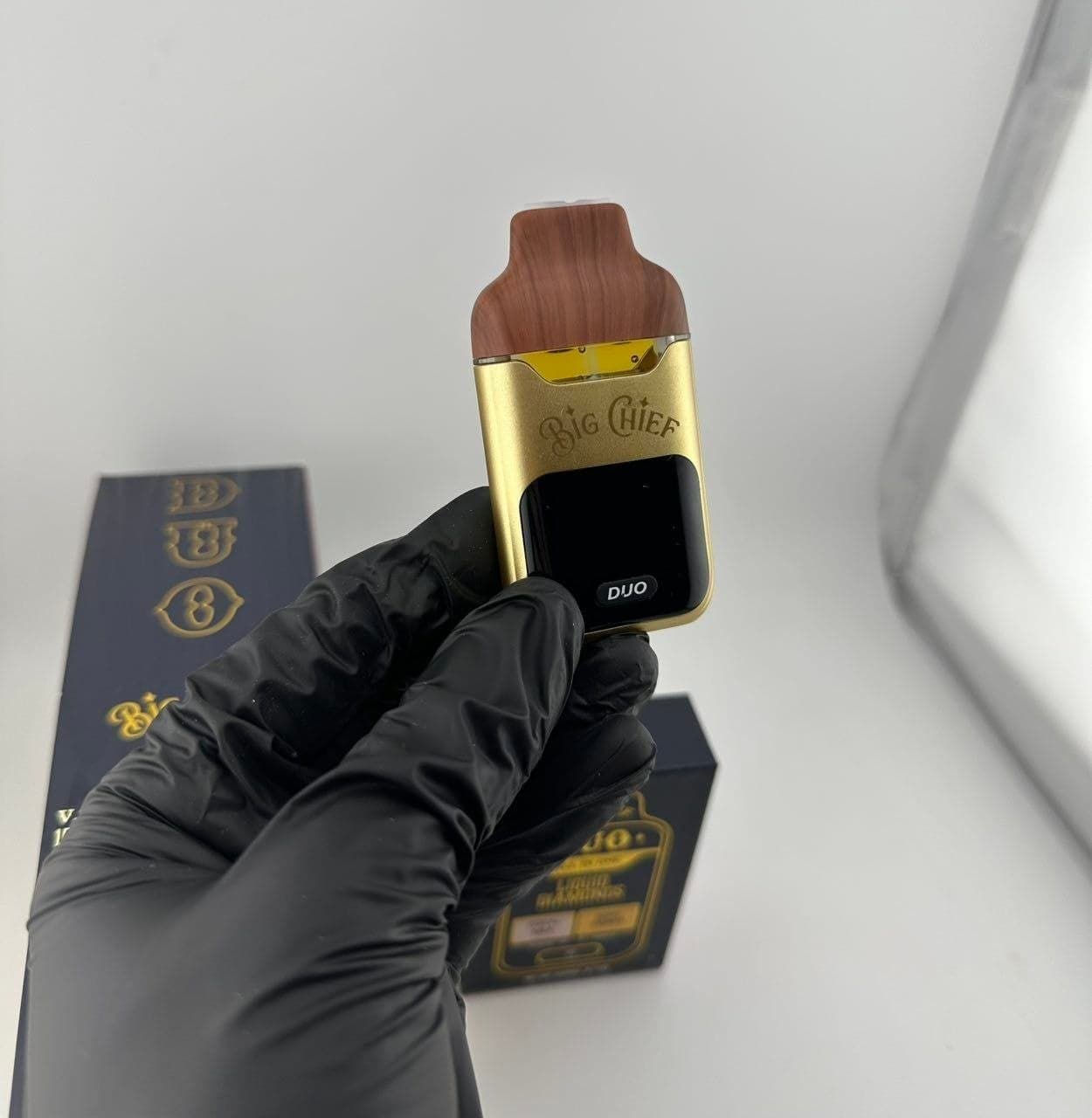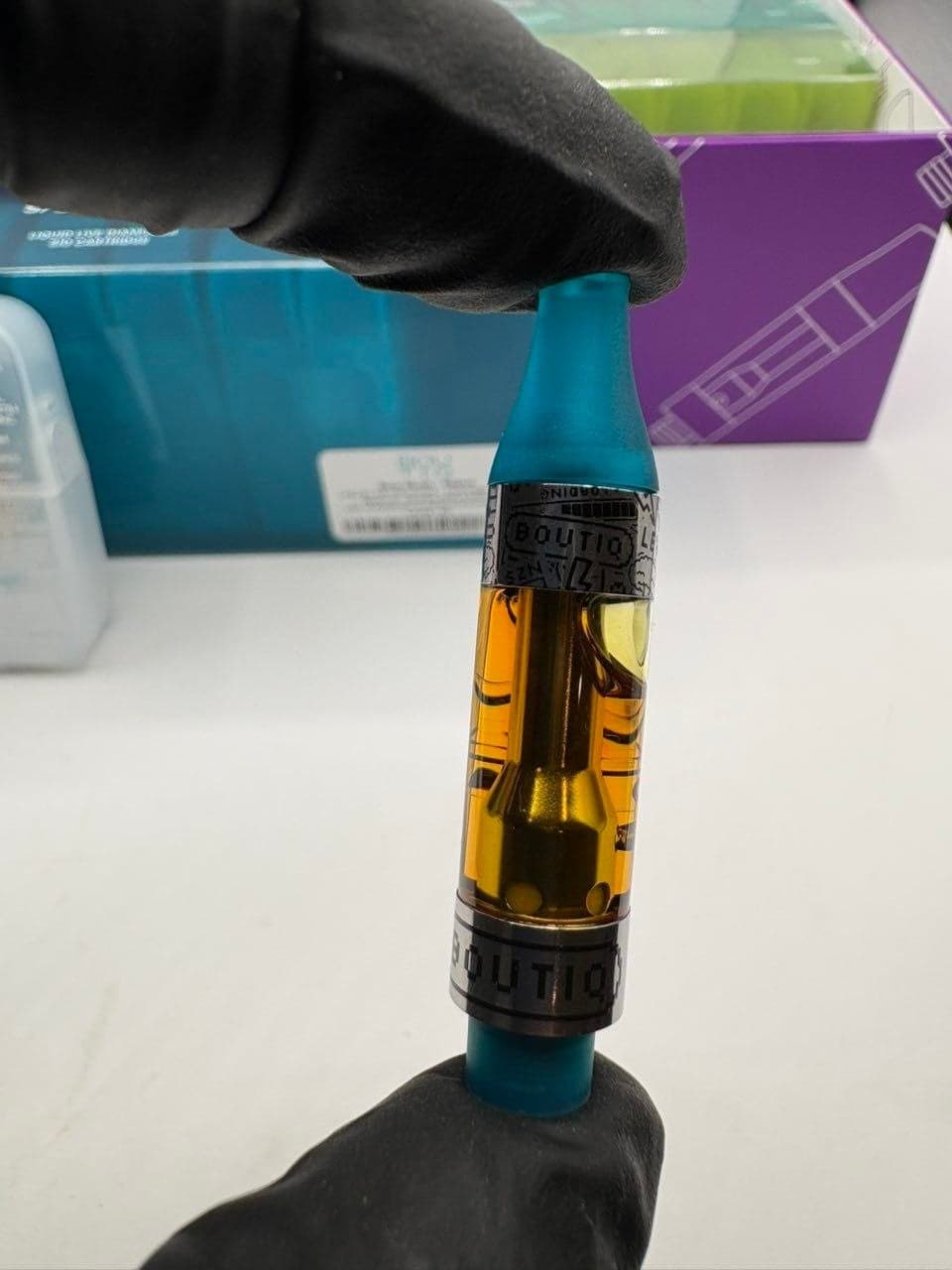
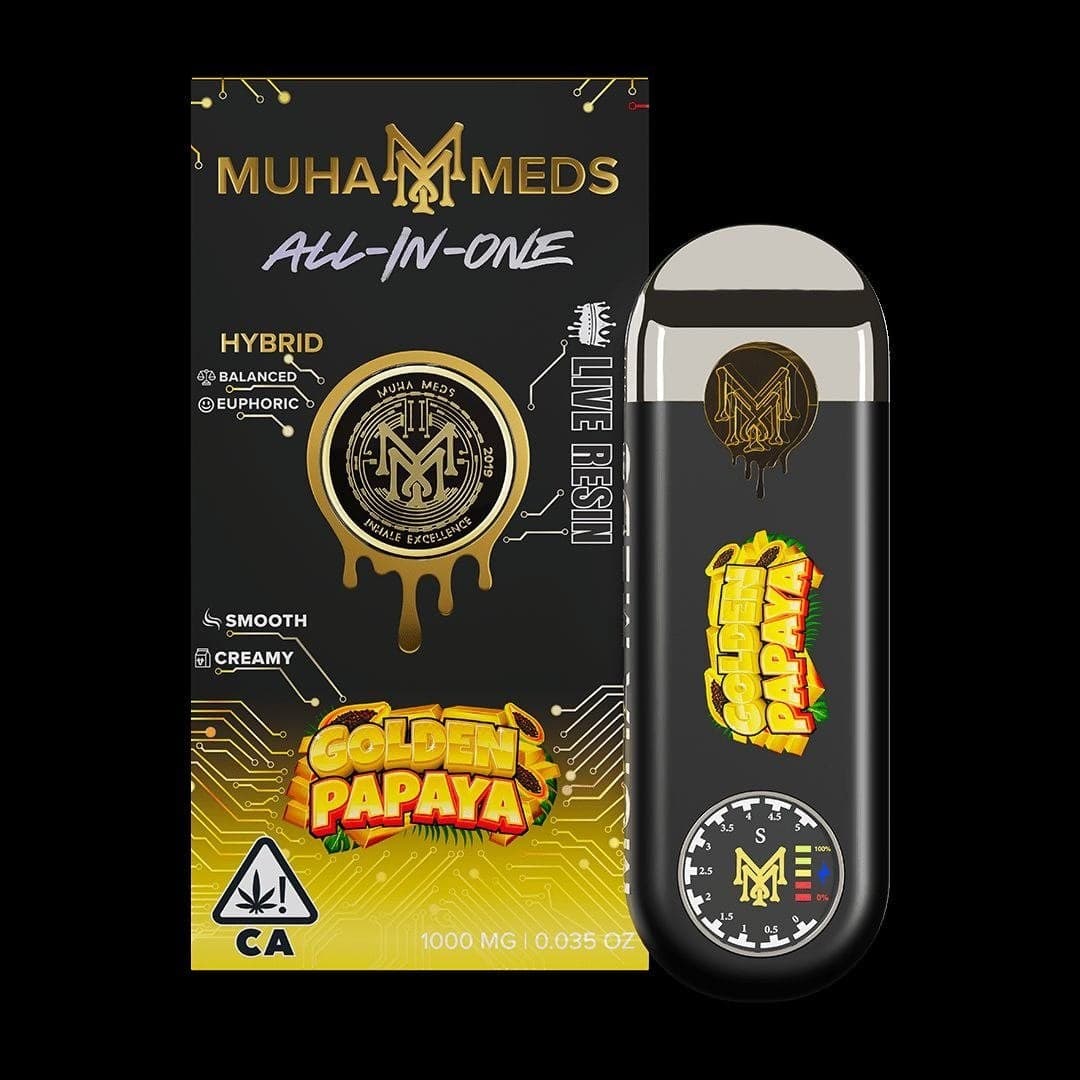
Muha Meds Golden Papaya
$24.99each
Your cart is empty
Everything we sell is batch-tested, and we tell you what ships to your state before you add it.
Browse the shop
A label carries three kinds of information: facts that can be checked against a record, facts about the object itself, and marketing. Learning to sort them takes a minute and changes what you buy. The batch code is the only item on most packaging that connects to anything verifiable.
Editorial Team · Compliance and product research · Updated
Packaging is designed to be persuasive, and it is printed months before the material inside it exists. Sorting what is on it into three categories makes it far more useful than reading it front to back.
Very little, and it is the part that matters.
The batch or lot code. The only item on most packaging that links the object to a laboratory record. Everything else on the box is a claim; this is a reference. See what a batch code is.
A test date or a manufacture date, where present.
A laboratory name, occasionally.
If a box carries none of these, nothing printed on it can be verified by you or by anyone else.
These describe the thing in your hand and can be confirmed by looking at it.
Format — a disposable or a cartridge. Frequently omitted, frequently assumed wrongly.
Fill size in grams.
Chamber count on multi-chamber devices.
Hardware — coil material, battery, charge port.
These are the facts our specification tables carry, because they are the ones that can be stated without a laboratory.
Everything else, and most of the surface area.
Strain names are not standardised and nobody owns most of them — see indica, sativa and hybrid.
Process words such as live resin or solventless have no legal definition and no adjudicating test — see what solventless means.
Spectrum words are conventions — see full spectrum, broad spectrum and isolate.
Printed potency figures were fixed at design time for a whole print run — see why potency belongs on a certificate.
Flavour descriptions are subjective and vary by batch anyway, because terpene profiles do.
None of that is necessarily false. All of it is unverifiable from the box.
A box with a beautiful finish and no manufacturer identity is telling you something.
1. Find the batch code. If there is none, stop.
2. Find the format. Do you need a battery?
3. Find the fill size.
4. Find the manufacturer identity.
5. Ignore everything else until you have the certificate for that code.
A product page here states the brand, the format, the fill size, the chamber count and the hardware, and stops.
It prints no potency figure, no cannabinoid content and no legal status, because we hold no verified record for most of the catalogue — and a number copied from a reseller is a fabrication with a citation attached. A page that fills every field for every product is telling you about its copywriting rather than its stock.
Where a brand publishes hardware facts, we quote them. Where nobody has measured, the page is silent.
Sold to adults 21 and over. This article explains the subject in general. What any particular product contains, and in what quantity, comes from the certificate of analysis issued against the batch code on its packaging — not from an article, not from a product page, and not from anything printed on a box.
Laboratories separate a sample into its components and measure each one. Liquid chromatography keeps acids intact and reports THCA and delta-9 separately. Gas chromatography heats the sample, converting acids on the way through. Which method was used changes what the numbers mean.
Counterfeits in this category are common and increasingly well made. The reliable signals are a missing or unverifiable batch code, packaging that will not scan, a price far below the market, and a seller who cannot produce a certificate. Print quality and holograms are the easiest things to copy.
Potency is not a safety test. A full panel screens for heavy metals, pesticides, residual solvents, microbials and mycotoxins, each for a different reason. A certificate showing only cannabinoid percentages has answered the least important question and left the others untouched.