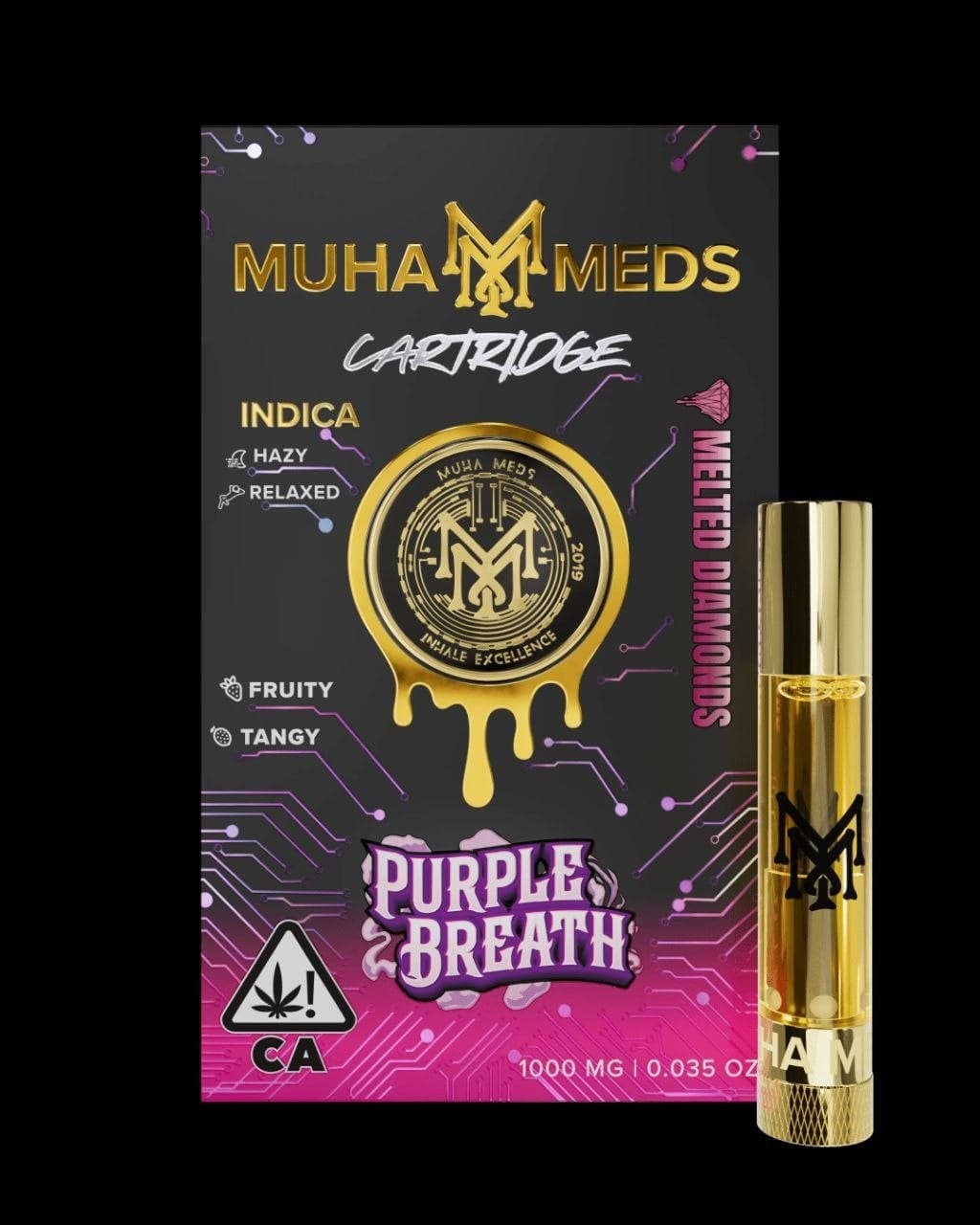
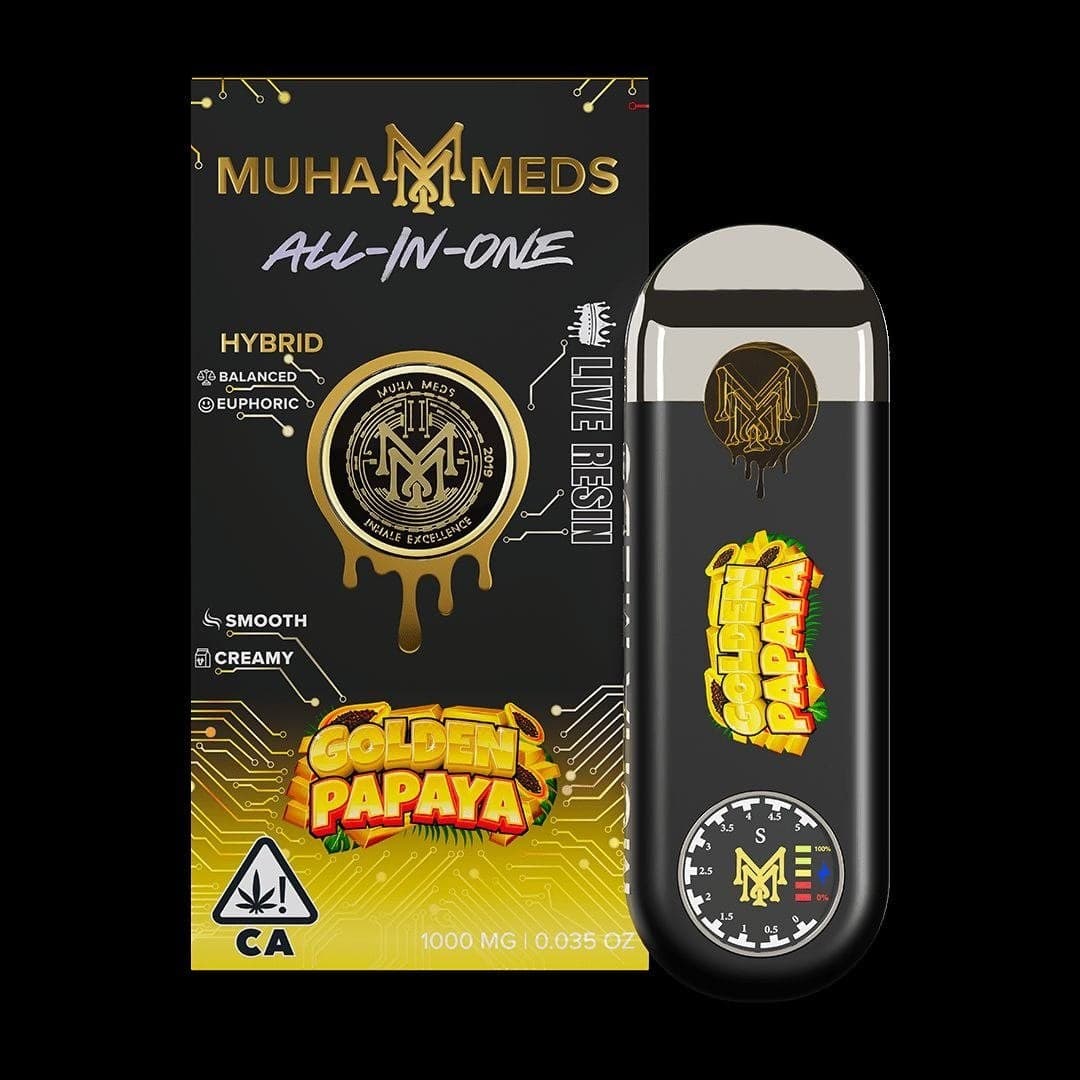
Muha Meds Golden Papaya
$24.99each
Your cart is empty
Everything we sell is batch-tested, and we tell you what ships to your state before you add it.
Browse the shop
The terms began as botanical descriptions of plant shape and origin, and commercial breeding has left them a poor guide to chemistry. Today they are best read as a brand classification of a particular product, not as a prediction. What a label calls a strain is a fact about the label.
Editorial Team · Compliance and product research · Updated
Almost every listing in this category carries one of these three words. They are also the words most likely to be misunderstood, because their popular meaning and their botanical meaning parted company decades ago.
Here is what they actually are.
*Cannabis indica* and *Cannabis sativa* were originally descriptions of plant morphology and geography — the shape, the leaf structure, the growing habit, the region the plant came from.
Broad-leafed, shorter, faster-flowering plants associated with one set of regions were described one way; tall, narrow-leafed, longer-flowering plants from another set were described the other. That was the whole basis of the distinction, and it was a description of the plant rather than of anything it contained.
Decades of deliberate crossbreeding have left almost nothing on the market that is genetically a pure example of either.
Nearly everything is a hybrid of hybrids. Two products labelled "indica" from different breeders can be more genetically distant from each other than either is from something labelled "sativa". The words survived as commercial shorthand long after the populations they described stopped existing separately.
In practice it means the maker is not claiming either category, and sometimes that they are describing a deliberate cross between two named parents.
Some brands go further and publish an approximate split. Others publish the parent strains, which is considerably more informative than the category word on its own.
The honest reading is: this is what the brand calls it.
That is a real fact and a useful one — it identifies the product, it is consistent across a brand's range, and it lets you find the same thing again. It is not a measurement, and it is not a prediction.
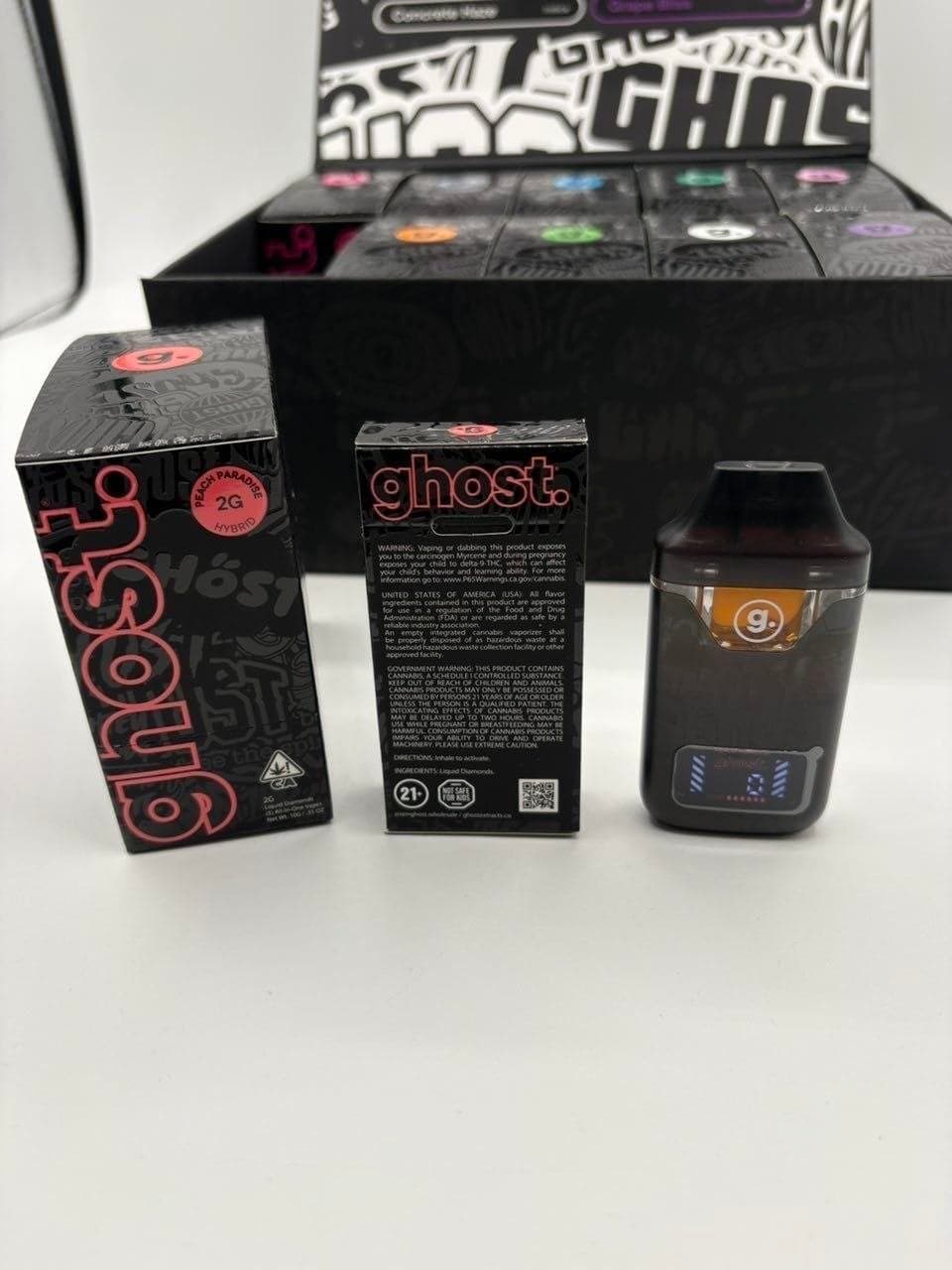
On this site the classification row says exactly that. The Muha Meds listings such as Golden Papaya and Purple Breath carry a classification recorded as *"as classified by the brand"*, because that is the entirety of what is known. Where a brand publishes nothing, the row is absent rather than filled in — Ghost 2G and Big Chief 2G are written that way.
It does not tell you the cannabinoid content, the terpene profile, or anything about what the product will do. This article makes no claim on any of those points and neither should a product page.
Composition comes from the certificate against the batch code. Aroma comes from the terpene profile, which varies by batch even within one strain name — see what terpenes are.
There is no registry. Nobody owns most strain names, and two producers can sell entirely different genetics under the same name in good faith.
A name is therefore a description within a brand rather than across the market. "Lemon Cherry Gelato" from one maker and from another are related by naming convention, not necessarily by genetics.
If the category words are weak signals, what is worth attending to?
Those four tell you more than the category word does.
Sold to adults 21 and over. This article explains the subject in general. What any particular product contains, and in what quantity, comes from the certificate of analysis issued against the batch code on its packaging — not from an article, not from a product page, and not from anything printed on a box.
A certificate usually lists a dozen cannabinoids beyond THC. CBG is the precursor everything else is built from, CBN is a degradation product that rises with age and heat, and CBD is the most abundant of the non-THC compounds. Reading the whole list tells you more about a batch than the headline figure.
Heat accelerates conversion and thins oil until it floods a coil. Light drives the same reactions faster. Air oxidises THC into CBN. All three are why a device kept in a car performs differently from one kept in a drawer, and why opaque packaging is not a styling decision.
THCA is the acidic form the plant actually produces. It carries an extra carboxyl group, and applying heat removes that group as carbon dioxide, converting it to delta-9 THC. The conversion is why laboratories report two different numbers and why a label and a test can appear to disagree.