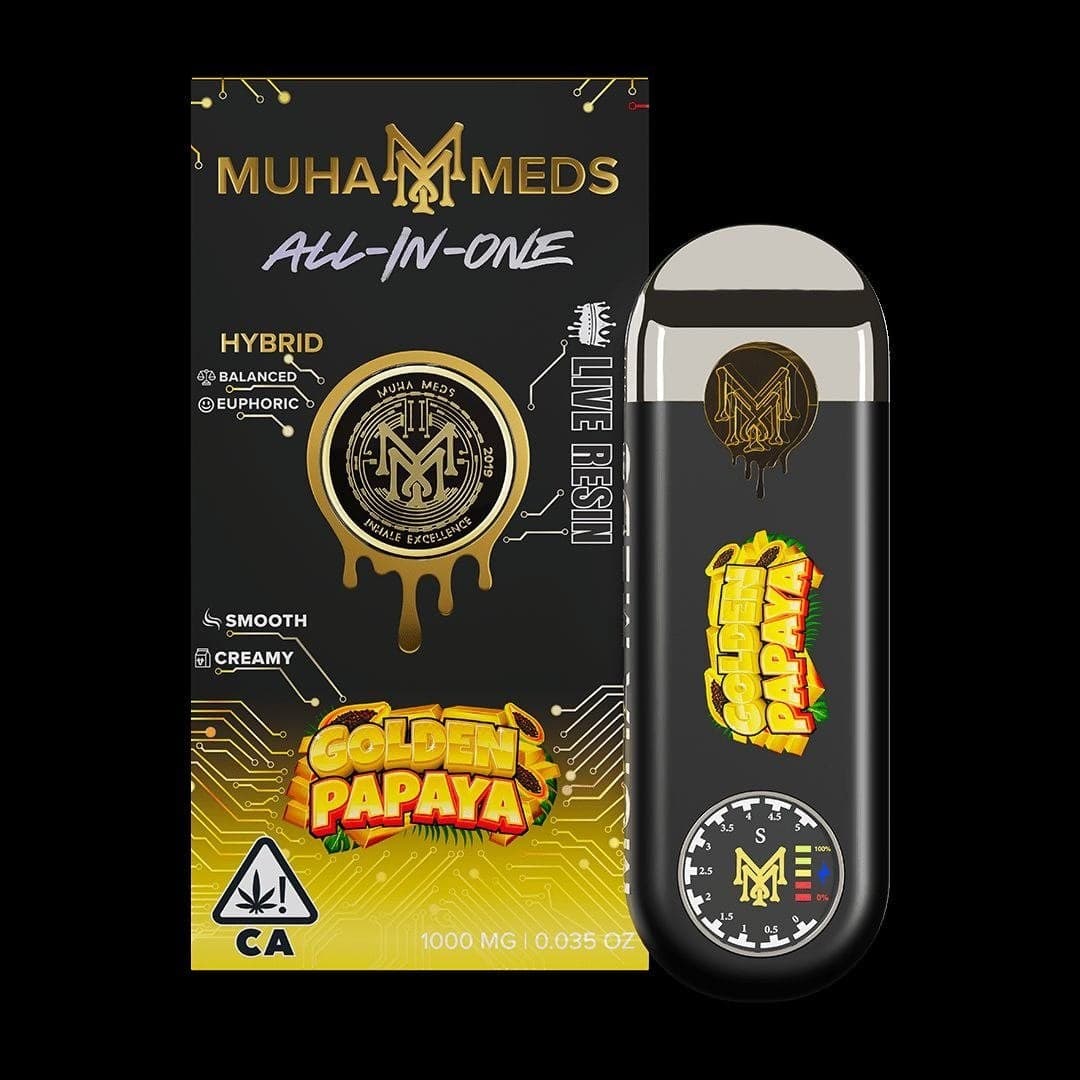
Muha Meds Golden Papaya
$24.99each
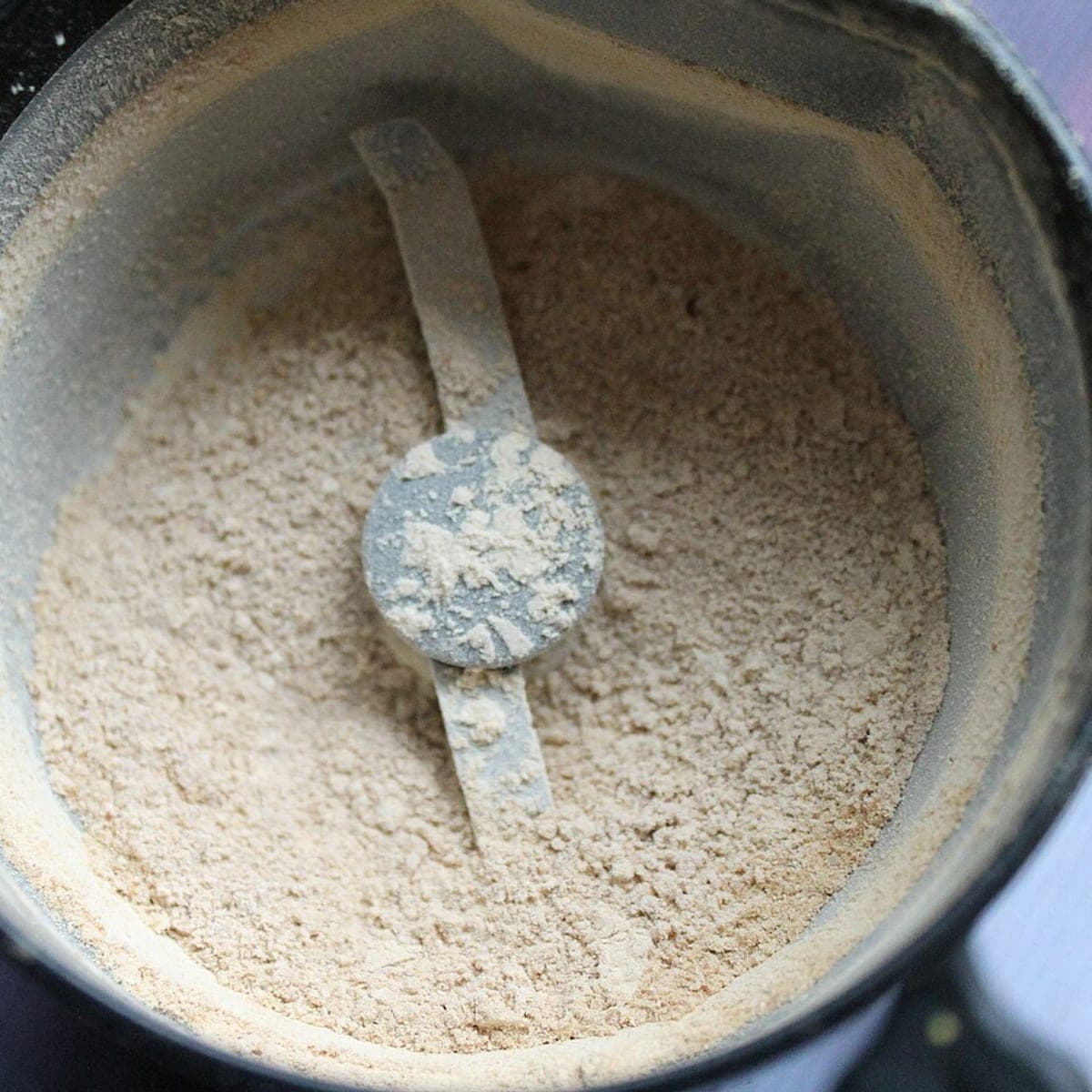
These describe how much of the original plant profile survived processing. Full spectrum keeps the range including THC. Broad spectrum keeps the range with THC removed. Isolate is a single purified compound. They are compositional descriptions, and none of them is a quality ranking.
Editorial Team · Compliance and product research · Updated
Three words that appear constantly on labels and are used loosely enough that they often mean nothing. Used precisely they describe something real: how much of the original plant profile is still present after processing.
The material retains the broad range of compounds that were in the plant — the major and minor cannabinoids, the terpenes, and other plant compounds — including THC.
It is the least processed of the three in compositional terms. What arrives is closer to what the plant produced, which is the whole point.
The live resin and rosin processes generally produce full spectrum material, because they are short processes that do not aim to separate anything out.
The same range, with THC specifically removed and the rest retained as far as possible.
This requires an extra separation step, and that step is difficult to perform without also stripping other compounds. So broad spectrum material is a compromise by definition: the more thoroughly THC is removed, the more of everything else tends to go with it.
A broad spectrum certificate should show THC at or below the laboratory's limit of quantitation while still showing meaningful figures for other cannabinoids. If everything except one compound reads as not detected, that is an isolate wearing a different word.
A single compound, purified as far as the process allows — typically well above ninety-nine per cent.
It is a white crystalline solid at room temperature, odourless and colourless. Everything else has been removed, which is the point: it is a raw material with a known, consistent composition, used where predictability matters more than character.
Distillate sits close to this end of the scale, as described in live resin, distillate, rosin and liquid diamonds, which is why distillate products are usually re-aromatised afterwards.
None of the three is defined in law. There is no standard anyone must meet before printing them, and no test that adjudicates.
So they are conventions, and a label using one is telling you what a marketing department decided rather than what a laboratory measured. That is not necessarily dishonest — it is simply a weaker signal than it appears.
A certificate.
A full cannabinoid panel shows you directly how many compounds are present and at what levels. A material described as full spectrum whose panel shows one cannabinoid and nothing else is not full spectrum, whatever the box says.
This is the same argument as in why potency belongs on a certificate: the printed word is a claim, the panel is a measurement.
You will meet the argument that a broader profile behaves differently from an isolated compound. It is discussed widely and is not settled.
This article does not make that claim in either direction, because it would be a claim about effect, and this site does not make claims about effect. What can be said factually is compositional: full spectrum material contains more distinct compounds than isolate does.
Where a manufacturer publishes a process word, the specification table records it — the Muha Meds listings such as Golden Papaya carry the brand's own published term.
Where a brand publishes nothing verifiable, the row is absent rather than guessed. Ghost 2G and Whole Melts 2G are written that way, for the reasons in spotting a counterfeit device.
Sold to adults 21 and over. This article explains the subject in general. What any particular product contains, and in what quantity, comes from the certificate of analysis issued against the batch code on its packaging — not from an article, not from a product page, and not from anything printed on a box.
A certificate usually lists a dozen cannabinoids beyond THC. CBG is the precursor everything else is built from, CBN is a degradation product that rises with age and heat, and CBD is the most abundant of the non-THC compounds. Reading the whole list tells you more about a batch than the headline figure.
Heat accelerates conversion and thins oil until it floods a coil. Light drives the same reactions faster. Air oxidises THC into CBN. All three are why a device kept in a car performs differently from one kept in a drawer, and why opaque packaging is not a styling decision.
THCA is the acidic form the plant actually produces. It carries an extra carboxyl group, and applying heat removes that group as carbon dioxide, converting it to delta-9 THC. The conversion is why laboratories report two different numbers and why a label and a test can appear to disagree.
Your cart is empty
Everything we sell is batch-tested, and we tell you what ships to your state before you add it.
Browse the shop