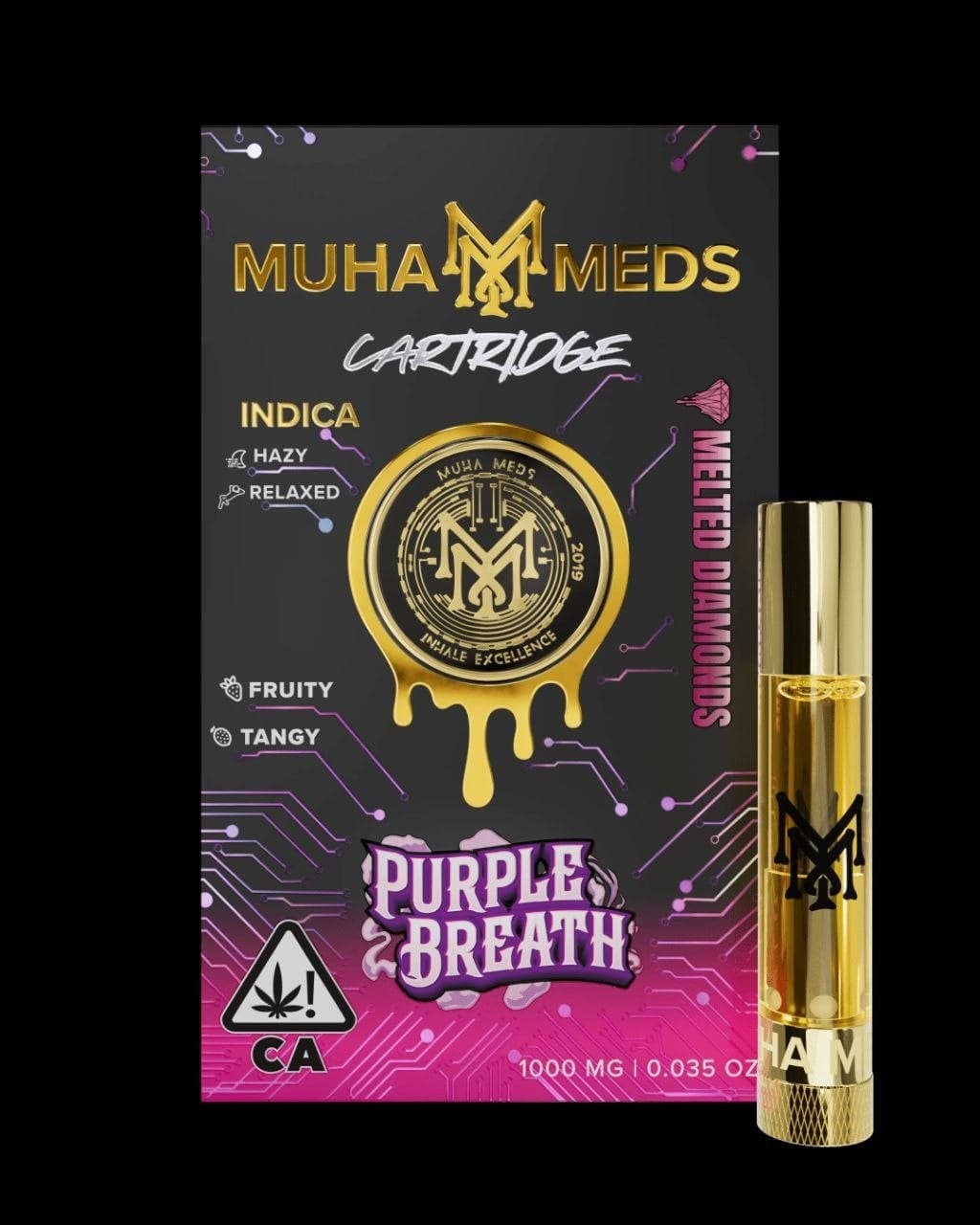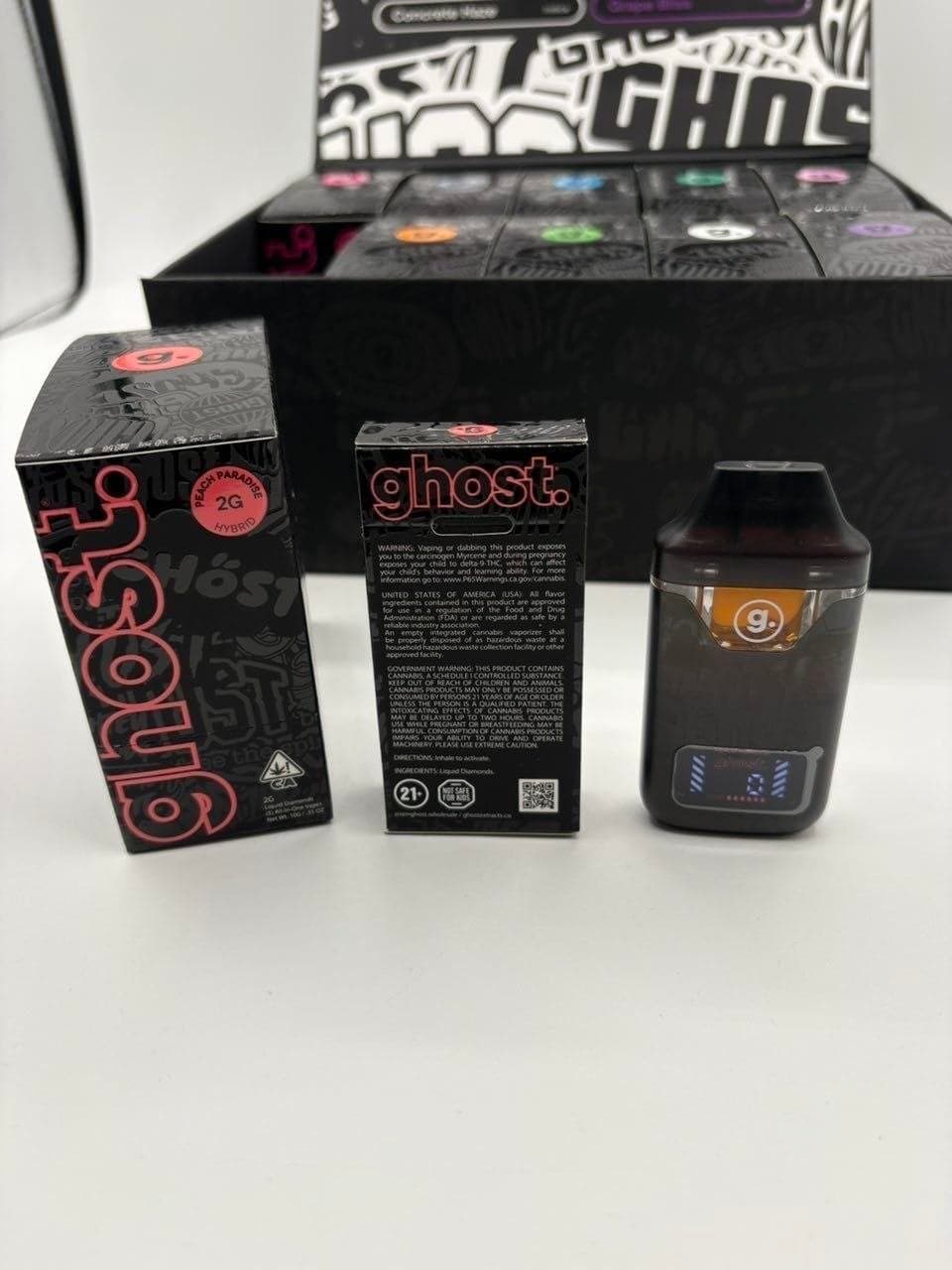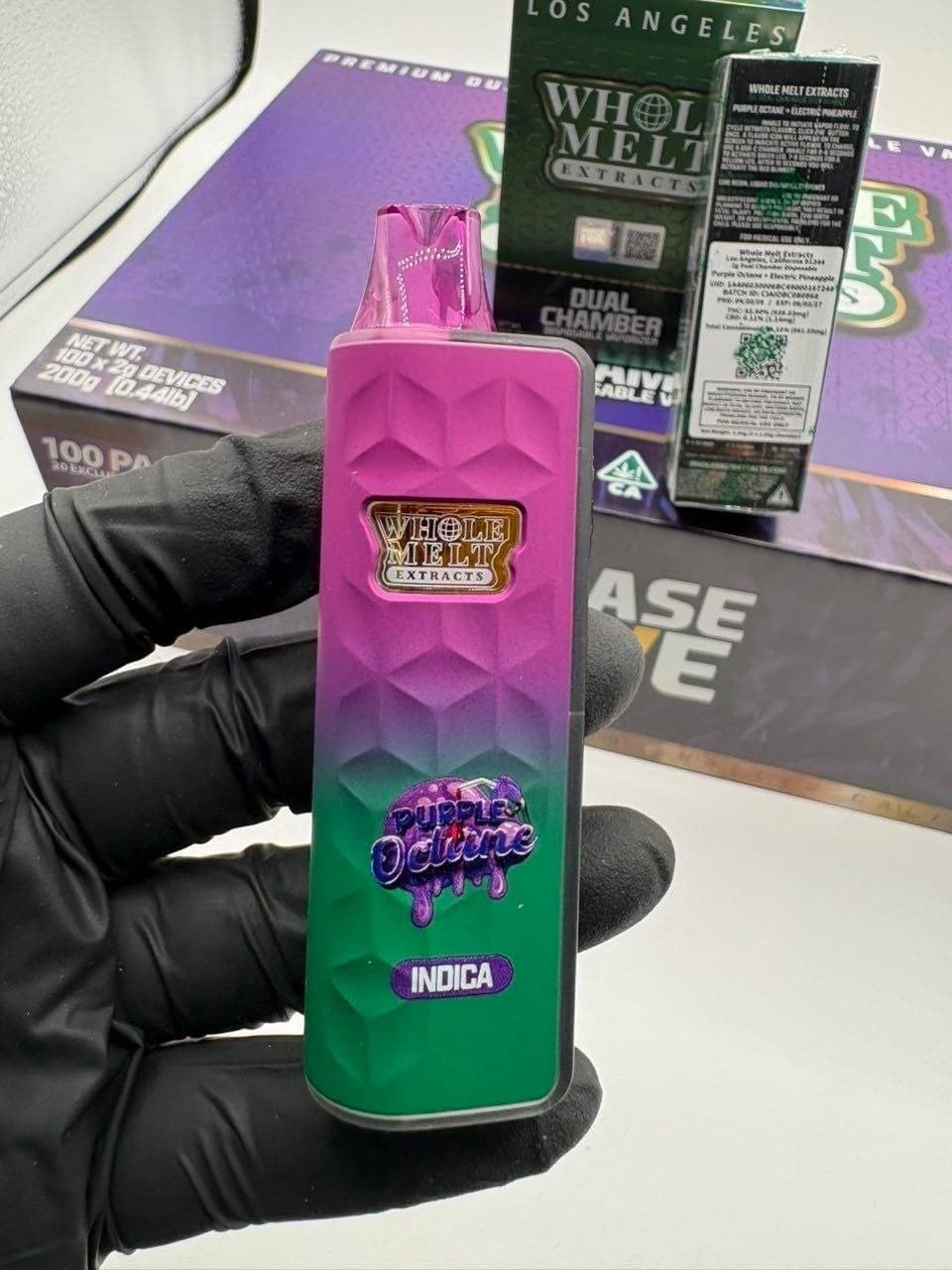
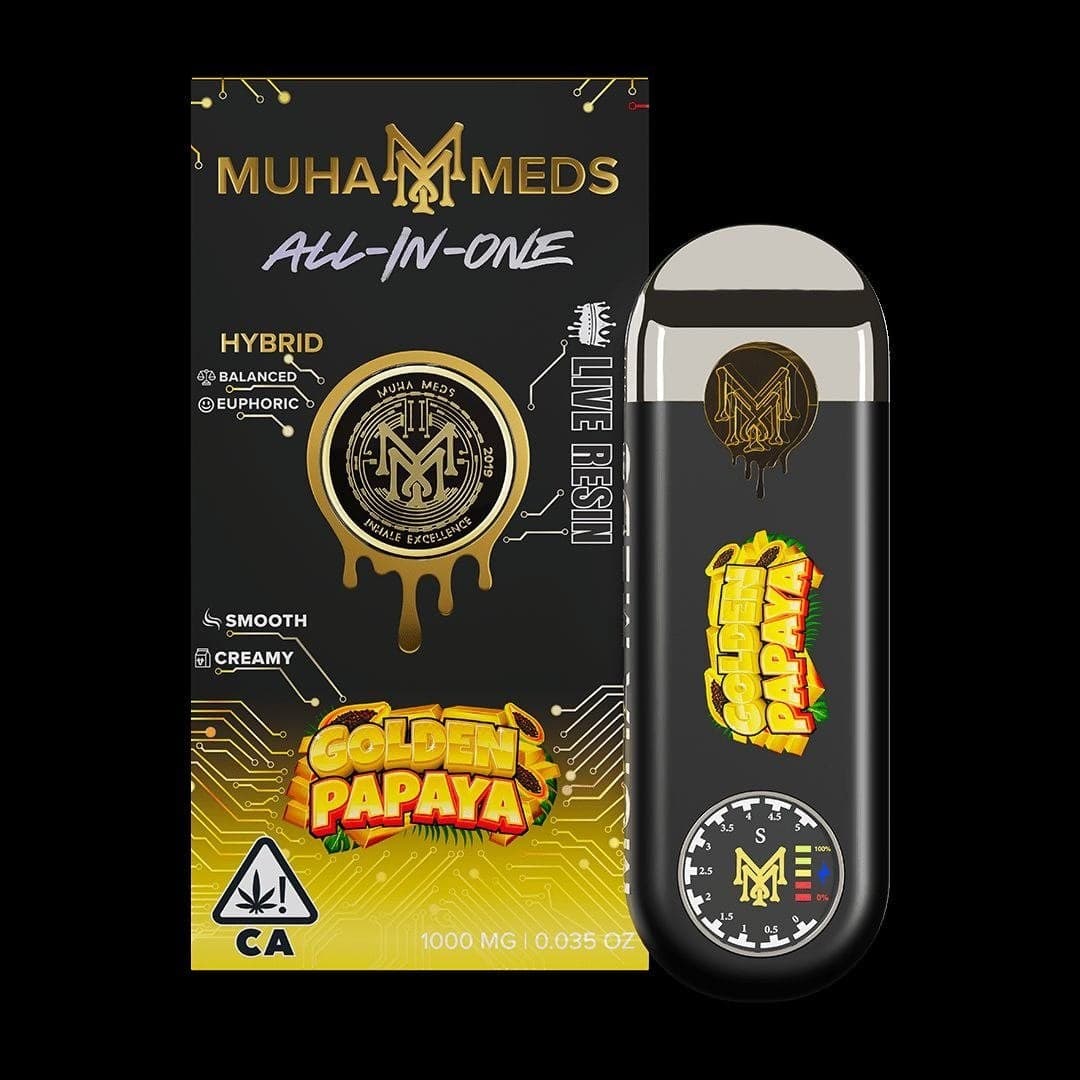
Muha Meds Golden Papaya
$24.99each
A printed figure is fixed at the moment the packaging was designed. A certificate is measured for one batch on one date. When the two disagree the certificate is the one that describes what you actually have, which is why a figure on a box should be treated as a claim rather than a measurement.
Editorial Team · Compliance and product research · Updated
A number printed on a box feels more reliable than a document you have to ask for. It is the other way round, and the reason is worth understanding — it applies to every category where a package makes a quantitative claim.
Boxes are printed in large runs, months ahead, for a product line rather than for a batch.
Whatever figure is on them was decided at design time and cannot change afterwards. Every unit in that print run carries the same number, whatever the material inside each one actually measured.
That is not necessarily dishonest. It is a limitation of printing.
Cannabis is agricultural. Genetics, growing conditions, harvest timing, processing and storage all move the result, so two batches under one product name genuinely differ.
A single printed number cannot describe both. At best it describes a target, a typical value, or the result of one batch at one time.
A record is issued against a batch code and a test date. It describes material as tested, then, by a named laboratory.
That specificity is its whole value, and it is why a certificate for a product name rather than a batch is not really a certificate at all — see what a batch code is.
Even for one batch, figures are not permanent.
THCA converts slowly at room temperature and faster when warm or lit, as described in what THCA is. Terpenes evaporate, which is why flavour changes. CBN tends to rise in material stored long or warm.
A test date is therefore part of the measurement rather than an administrative detail. A figure from eight months ago describes eight-month-old material.
A printed percentage is frequently ambiguous. Is it THCA, delta-9, total THC, or total cannabinoids?
Those are four different figures and they are not comparable — the arithmetic connecting them is in total THC and how the number is worked out. A box saying "90%" without saying 90% of what has not told you very much.
A certificate reports the line items separately, which is exactly why it is the better document.
It is why no product page on this site prints a potency figure.
Reseller sites quote percentages for these devices, sometimes very high ones. We do not repeat them, because a figure copied from a third party is a fabrication with a citation attached — worse than no figure, because it looks checked.
Where a brand publishes hardware facts we state them: the format, the fill size, the coil, the battery, the chamber count. Where nobody has measured the contents, the page is silent rather than creative. Golden Papaya, Purple Breath, Ghost 2G and Big Chief 2G are all written to that rule.
A page that omits what it cannot support is telling you something real about how it was written.
A page that fills every field — potency, strain, origin, effect — for every product it sells, with no record behind any of it, is telling you about its copywriting rather than its stock.
Sold to adults 21 and over. This article explains the subject in general. What any particular product contains, and in what quantity, comes from the certificate of analysis issued against the batch code on its packaging — not from an article, not from a product page, and not from anything printed on a box.
Laboratories separate a sample into its components and measure each one. Liquid chromatography keeps acids intact and reports THCA and delta-9 separately. Gas chromatography heats the sample, converting acids on the way through. Which method was used changes what the numbers mean.
Counterfeits in this category are common and increasingly well made. The reliable signals are a missing or unverifiable batch code, packaging that will not scan, a price far below the market, and a seller who cannot produce a certificate. Print quality and holograms are the easiest things to copy.
Your cart is empty
Everything we sell is batch-tested, and we tell you what ships to your state before you add it.
Browse the shopPotency is not a safety test. A full panel screens for heavy metals, pesticides, residual solvents, microbials and mycotoxins, each for a different reason. A certificate showing only cannabinoid percentages has answered the least important question and left the others untouched.