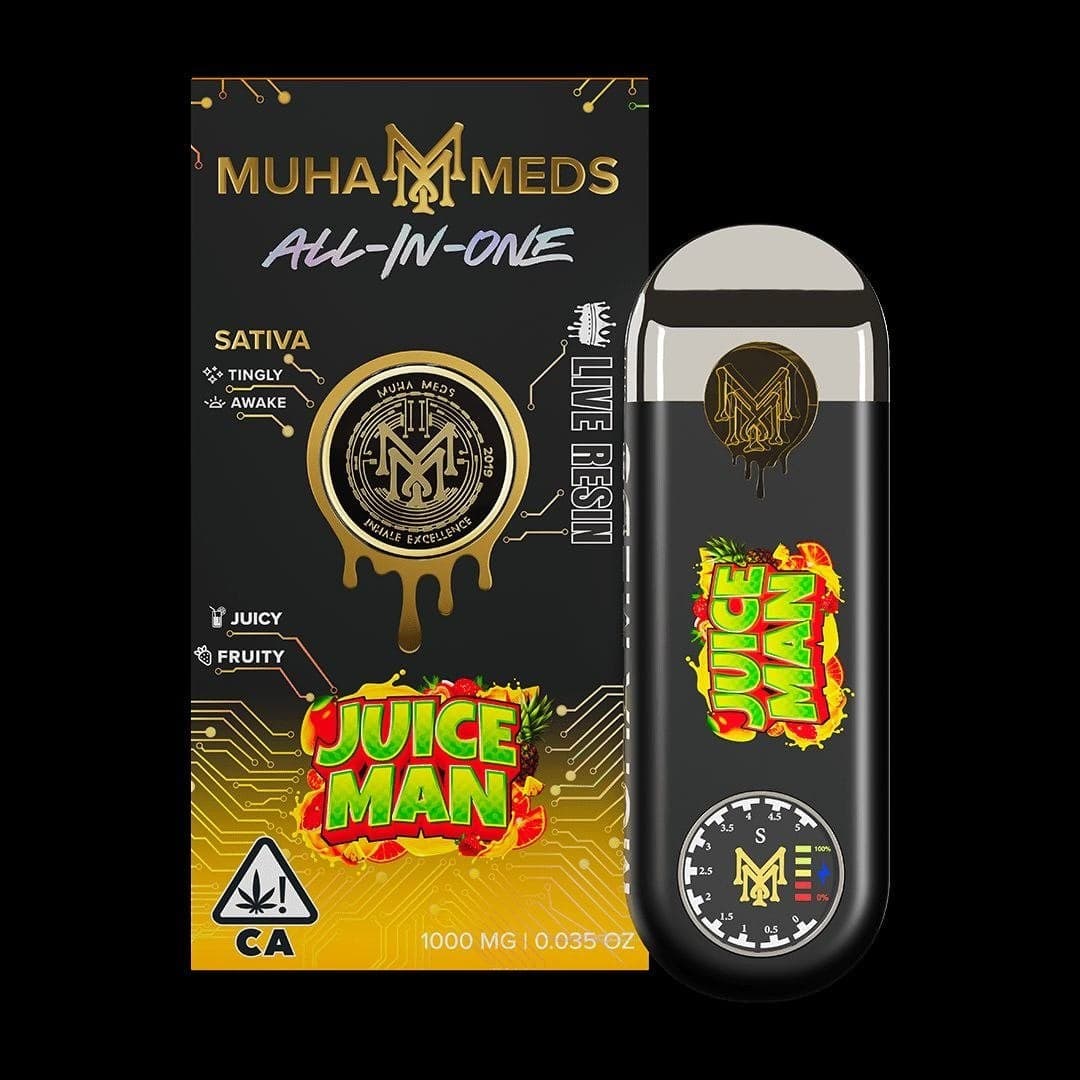
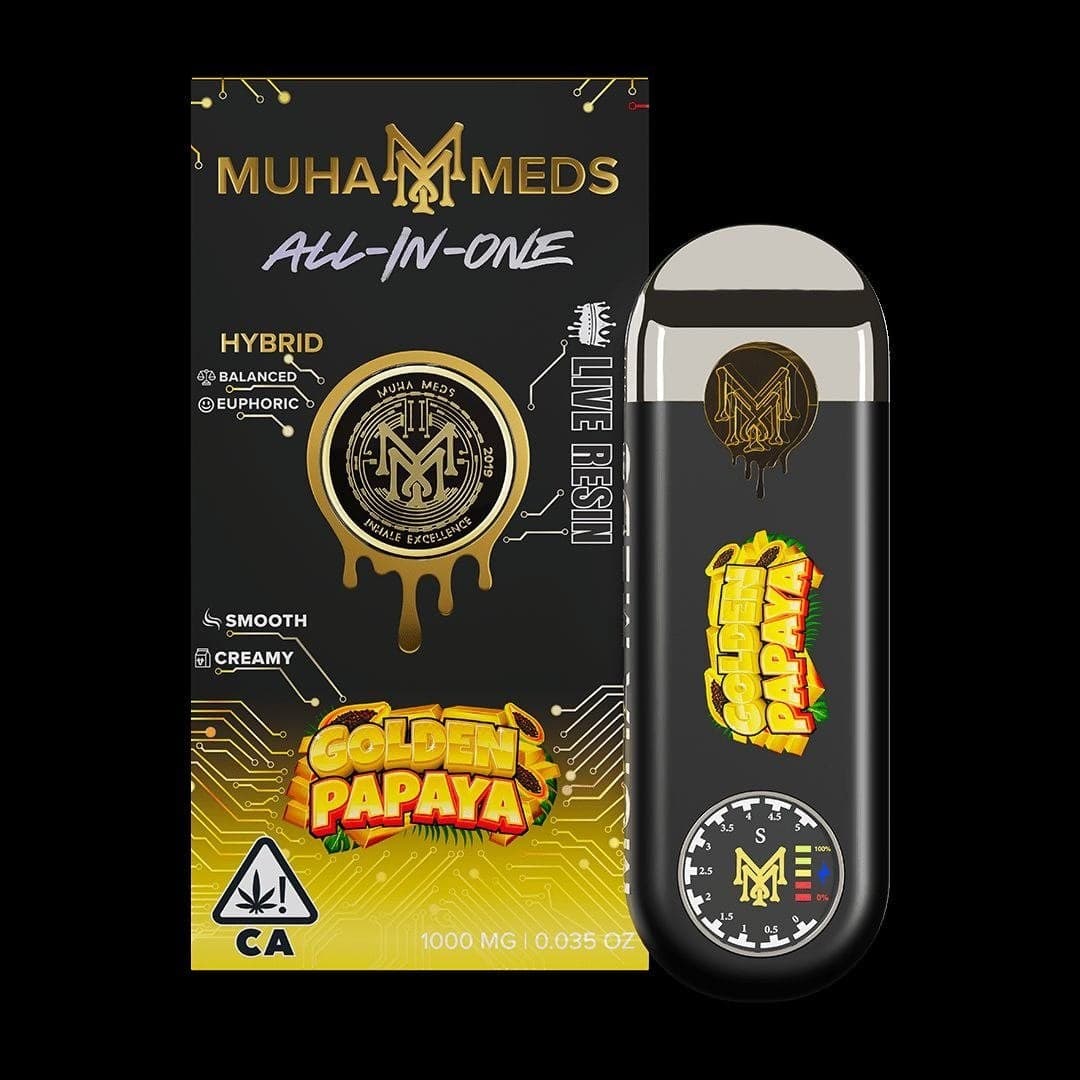
Muha Meds Golden Papaya
$24.99each
Your cart is empty
Everything we sell is batch-tested, and we tell you what ships to your state before you add it.
Browse the shop
Solventless means the material was separated using only physical force — ice, water, heat and pressure — with no chemical solvent at any stage. It is a process claim, not a purity or strength claim. A solventless product still needs a contaminant panel, because solvents were never the only risk.
Editorial Team · Compliance and product research · Updated
Solventless is among the most marketed words in the category and among the least understood. It describes one specific thing, and people routinely read three or four others into it.
The material was separated from plant matter using physical means only: cold, water, agitation, heat and pressure. No butane, propane, ethanol, CO2 or any other chemical solvent at any point.
Ice water hash is made by agitating material in ice water so the resin glands break away, then filtering them through a series of progressively finer screens.
Rosin is made by pressing material between heated plates so the resin is squeezed out. Hash rosin presses ice water hash rather than whole plant material, which is a further step and a further cost.
That is the whole claim: no solvent was used.
It does not mean stronger. Solvent-based processes can reach higher concentrations more easily, not less.
It does not mean cleaner in general. It means clean of one specific class of contaminant. Heavy metals come from soil and from hardware; pesticides come from cultivation; microbials and mycotoxins come from growing and storage. A solventless process removes none of those risks — see what a contaminant panel covers.
It does not mean untested. If anything the opposite: a producer investing in the most expensive process usually has the fewest reasons to skip a panel.
It does not mean unprocessed. Pressing at temperature is processing. The word describes which tools were used, not how little was done.
Three reasons, all real.
Lower recovery. Physical separation leaves more behind, so more input material is needed for the same output.
Input quality matters more. Solvent-based processing can work with material that physical separation cannot. Solventless generally requires better starting material, which costs more before anything else happens.
It is fussier. Temperature, pressure and time all have to suit the particular input, and getting them wrong wastes the material rather than merely reducing the result.
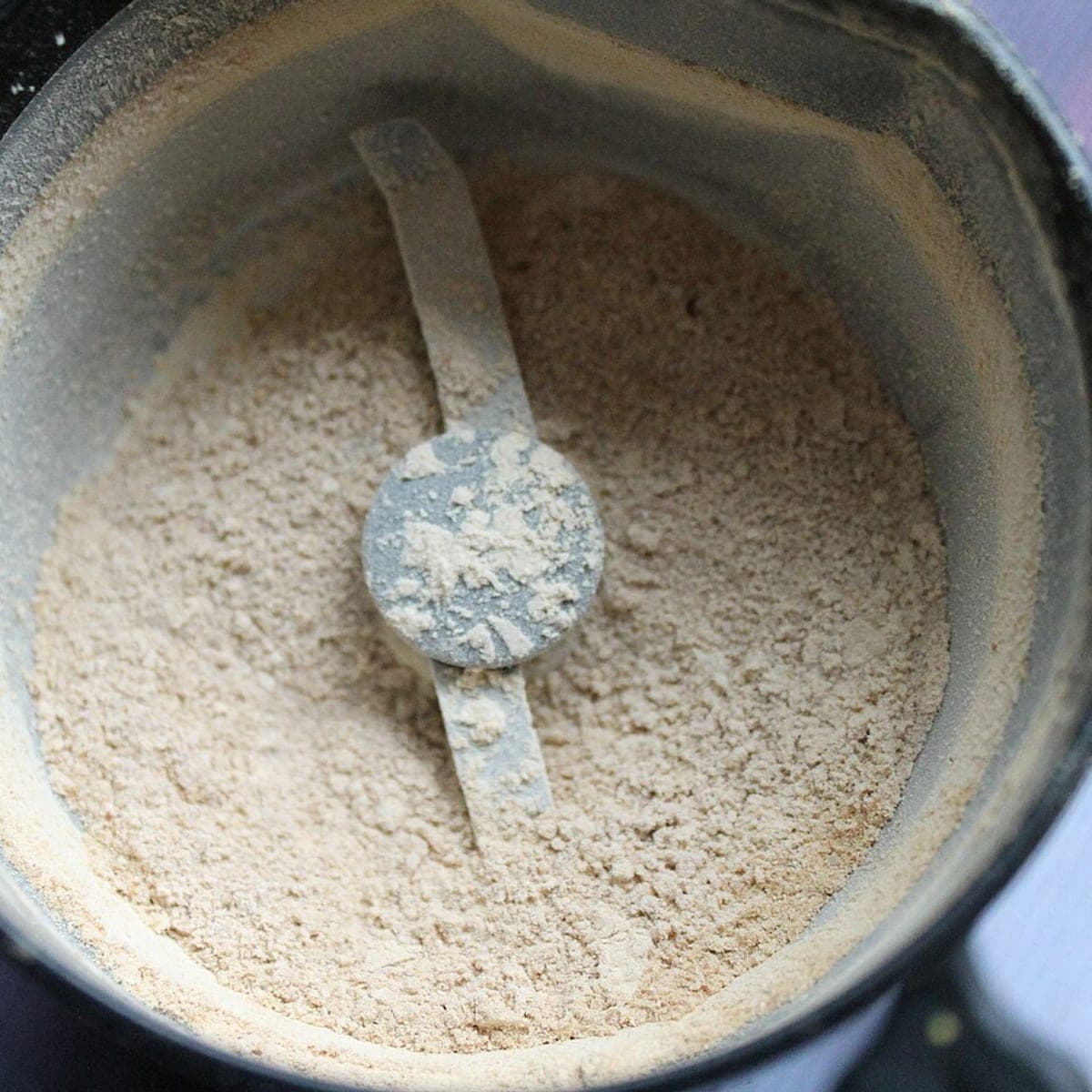
For solvent-based material, the residual solvent panel is what demonstrates the process was finished properly. Butane, propane, ethanol and hexane are what it screens for.
For solventless material there is nothing to find — but the panel should still be run and reported. A certificate that omits a panel on the strength of a process claim is asking you to accept an assertion in place of a measurement, and the whole argument for certificates is that measurements beat assertions.
"Solventless" on a label is a process claim with no legal definition and no adjudicating test. Like full spectrum, it is a convention.
What supports it is a certificate showing a residual solvent panel with nothing detected. What does not support it is the word itself.
Where a manufacturer publishes a process term, our specification tables record it as the brand's own. Where nothing verifiable is published, the row is absent — the reasoning is in why potency belongs on a certificate.
Solventless material is often thicker than distillate, and viscosity affects how it feeds through a coil.
That is one reason ceramic cores are common on devices carrying heavier material, as covered in ceramic coils and why hardware matters, and one reason a cold device can draw badly — see why a cartridge clogs.
Sold to adults 21 and over. This article explains the subject in general. What any particular product contains, and in what quantity, comes from the certificate of analysis issued against the batch code on its packaging — not from an article, not from a product page, and not from anything printed on a box.
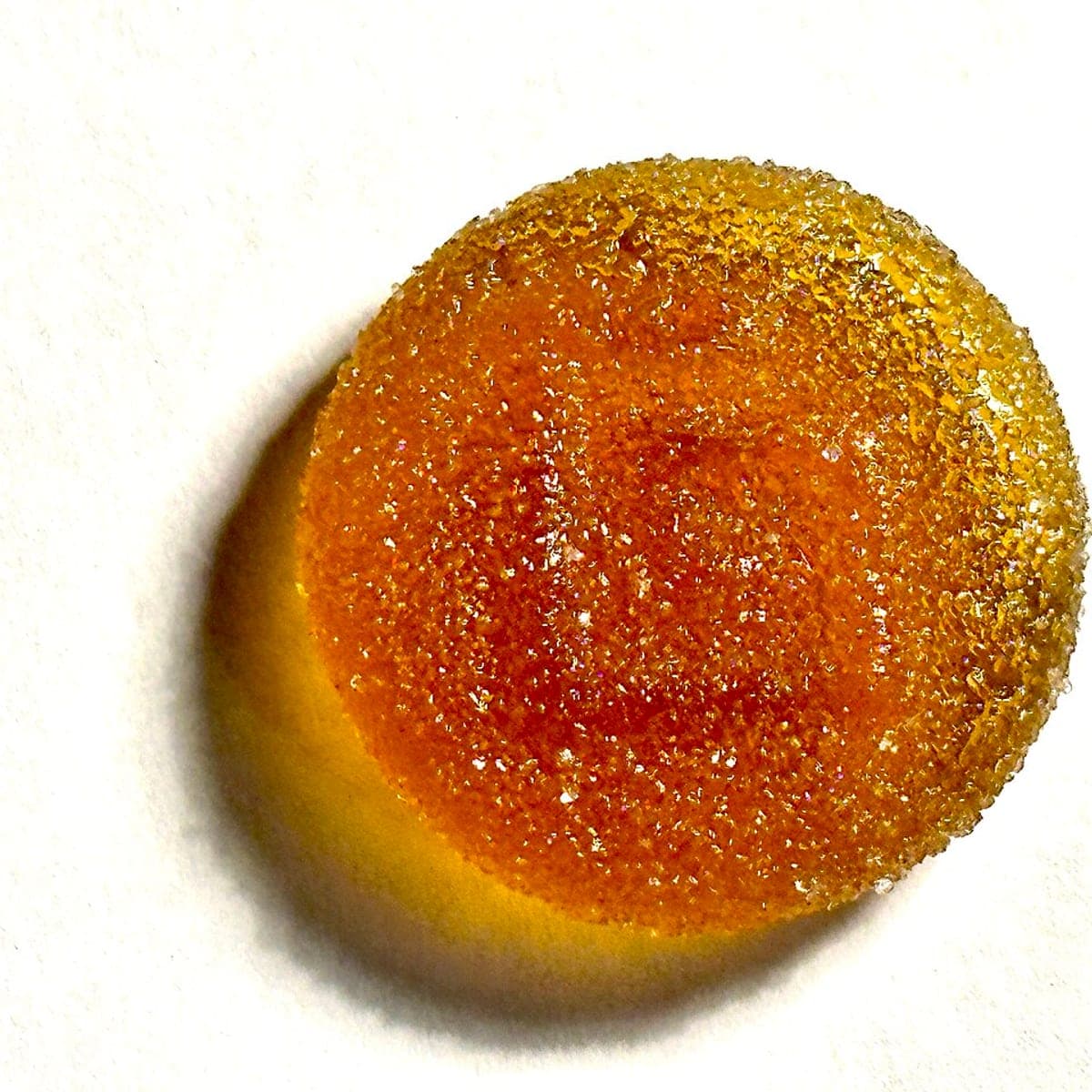
A certificate usually lists a dozen cannabinoids beyond THC. CBG is the precursor everything else is built from, CBN is a degradation product that rises with age and heat, and CBD is the most abundant of the non-THC compounds. Reading the whole list tells you more about a batch than the headline figure.
Heat accelerates conversion and thins oil until it floods a coil. Light drives the same reactions faster. Air oxidises THC into CBN. All three are why a device kept in a car performs differently from one kept in a drawer, and why opaque packaging is not a styling decision.
THCA is the acidic form the plant actually produces. It carries an extra carboxyl group, and applying heat removes that group as carbon dioxide, converting it to delta-9 THC. The conversion is why laboratories report two different numbers and why a label and a test can appear to disagree.