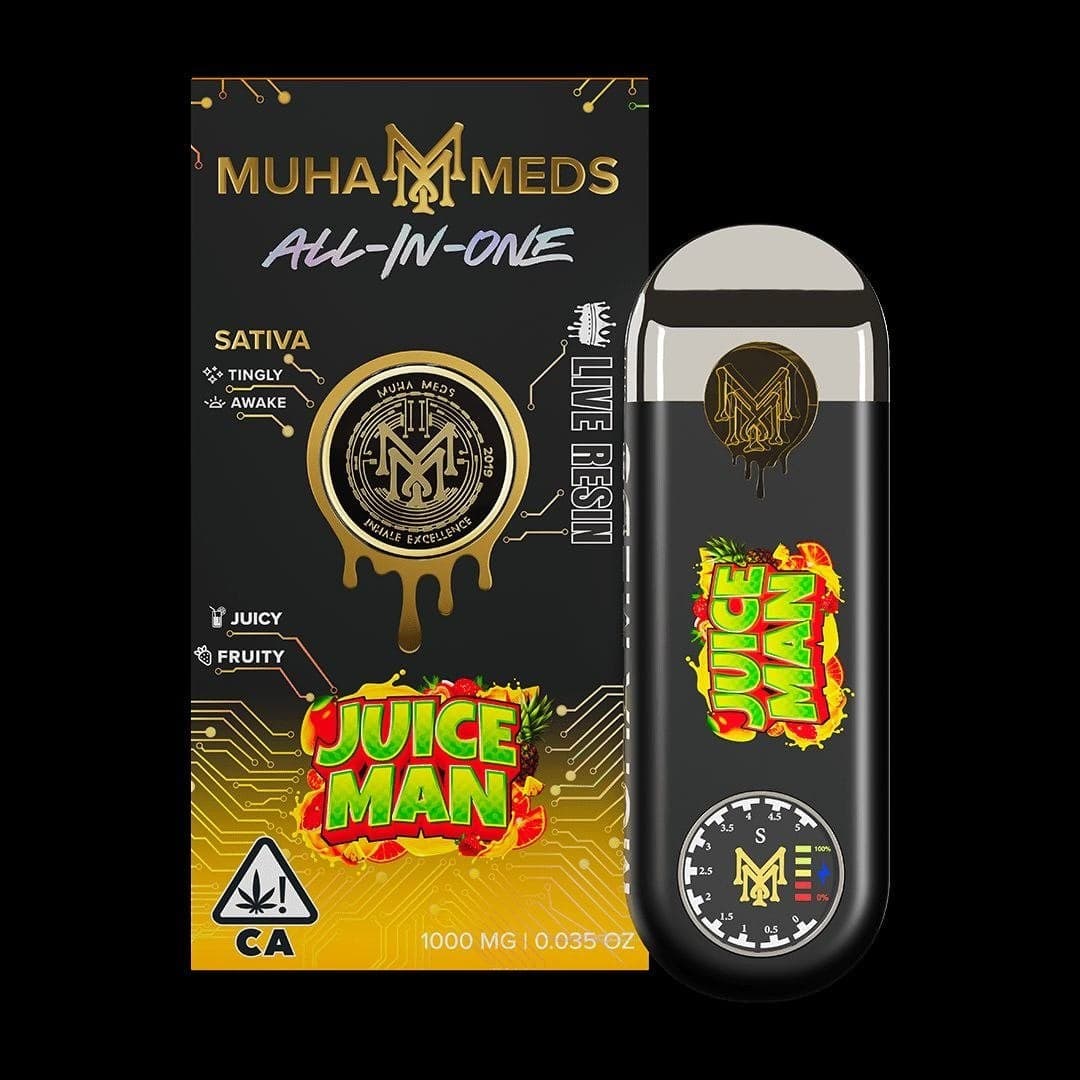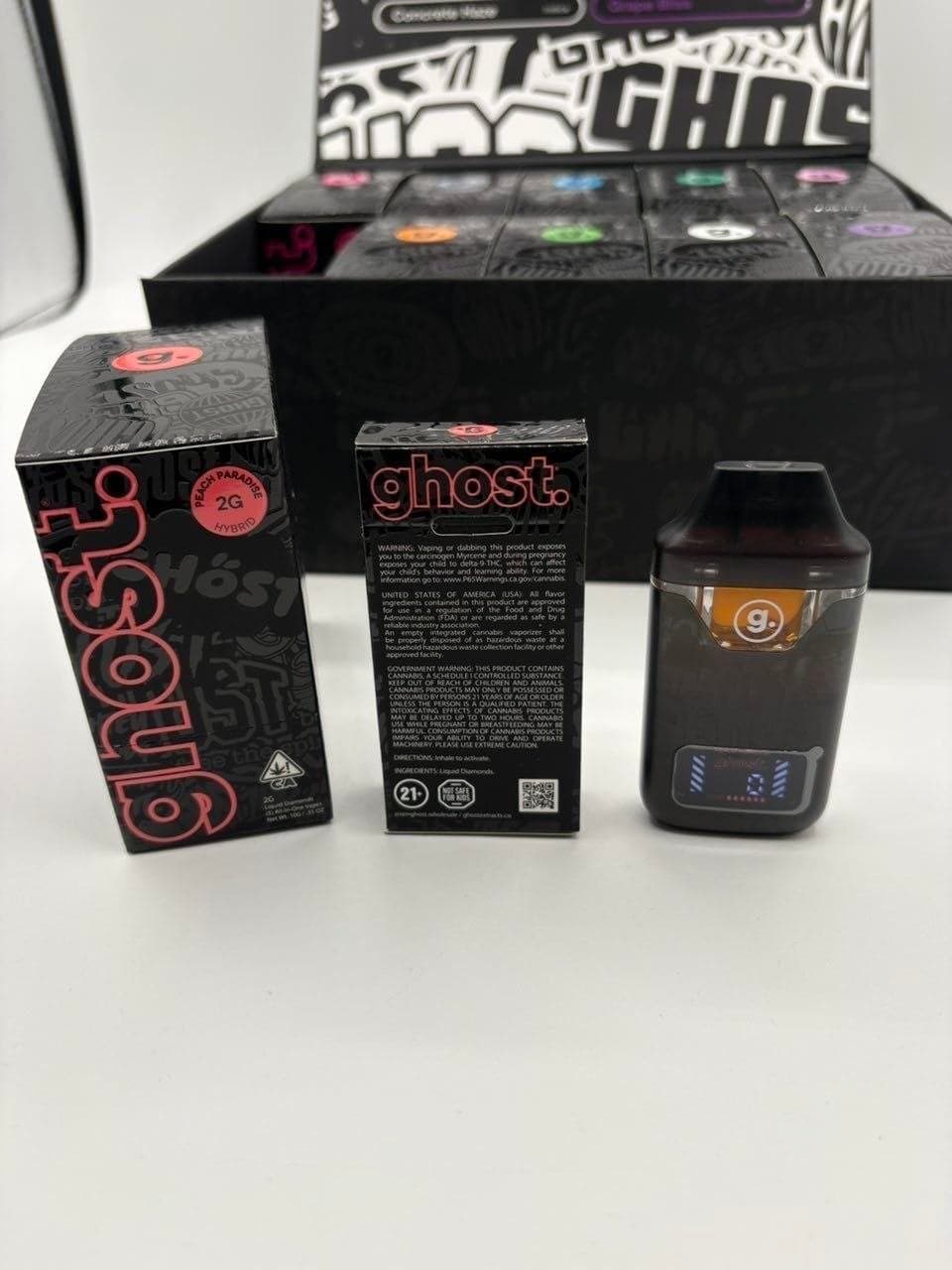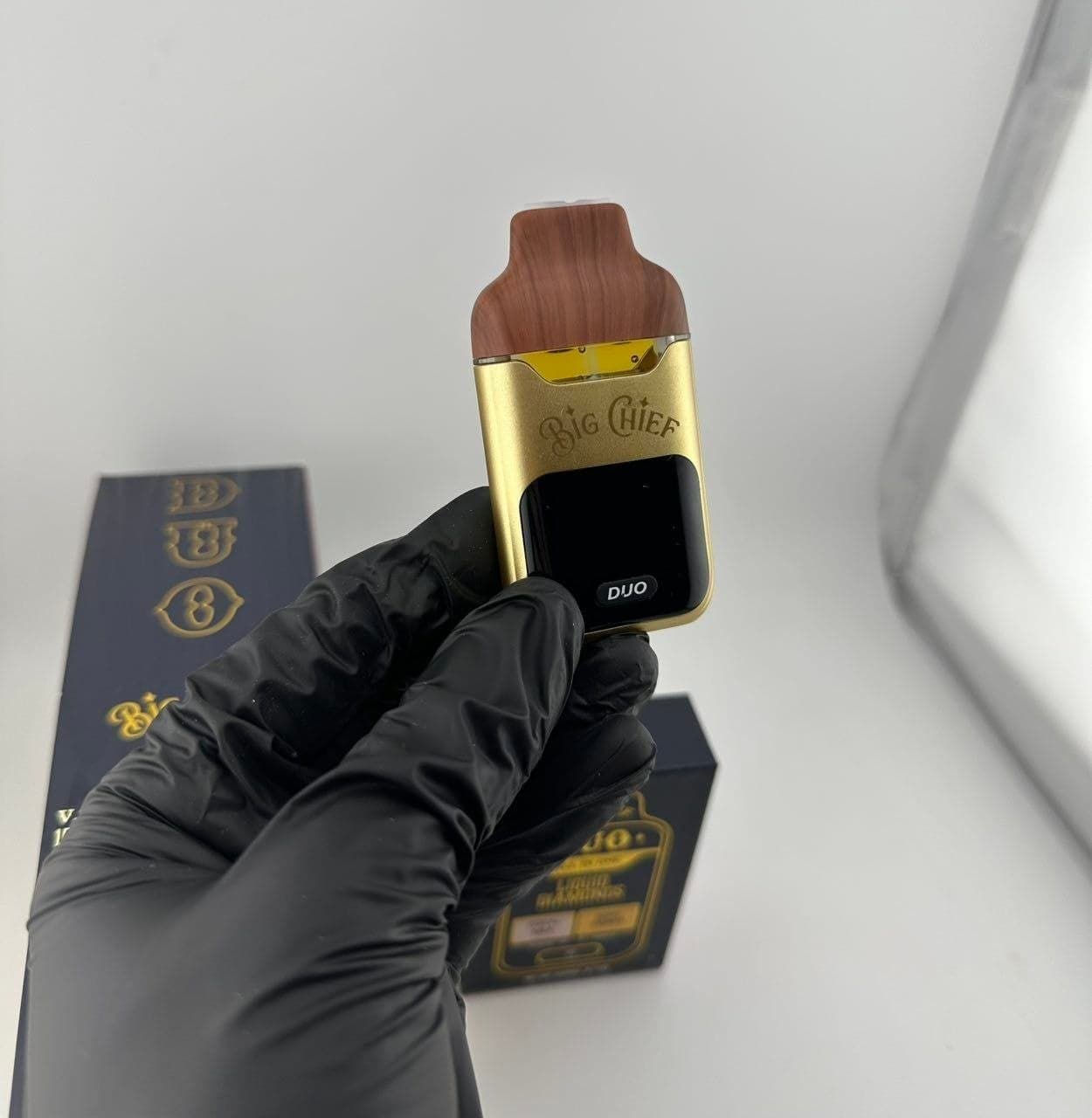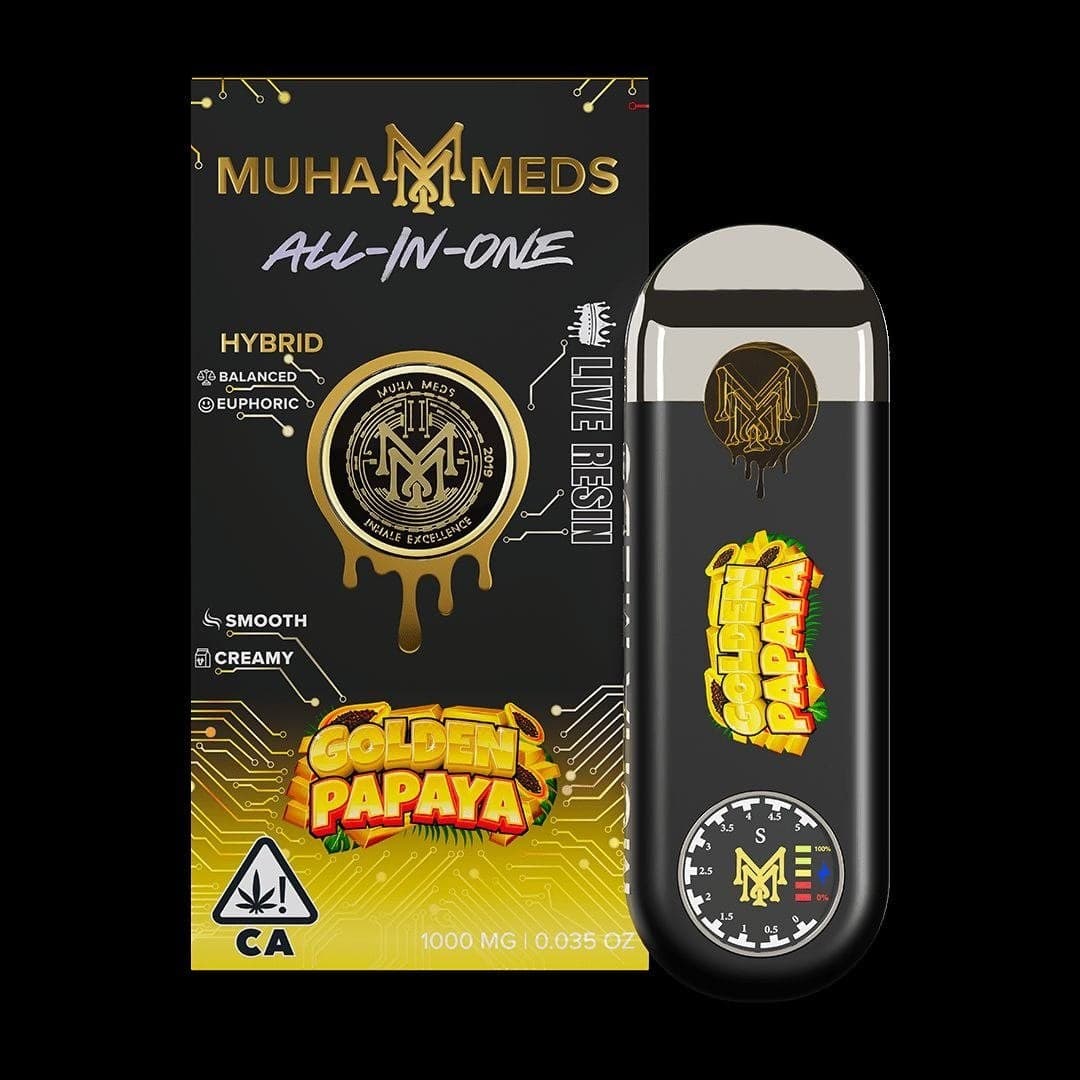
Muha Meds Golden Papaya
$24.99each
Your cart is empty
Everything we sell is batch-tested, and we tell you what ships to your state before you add it.
Browse the shop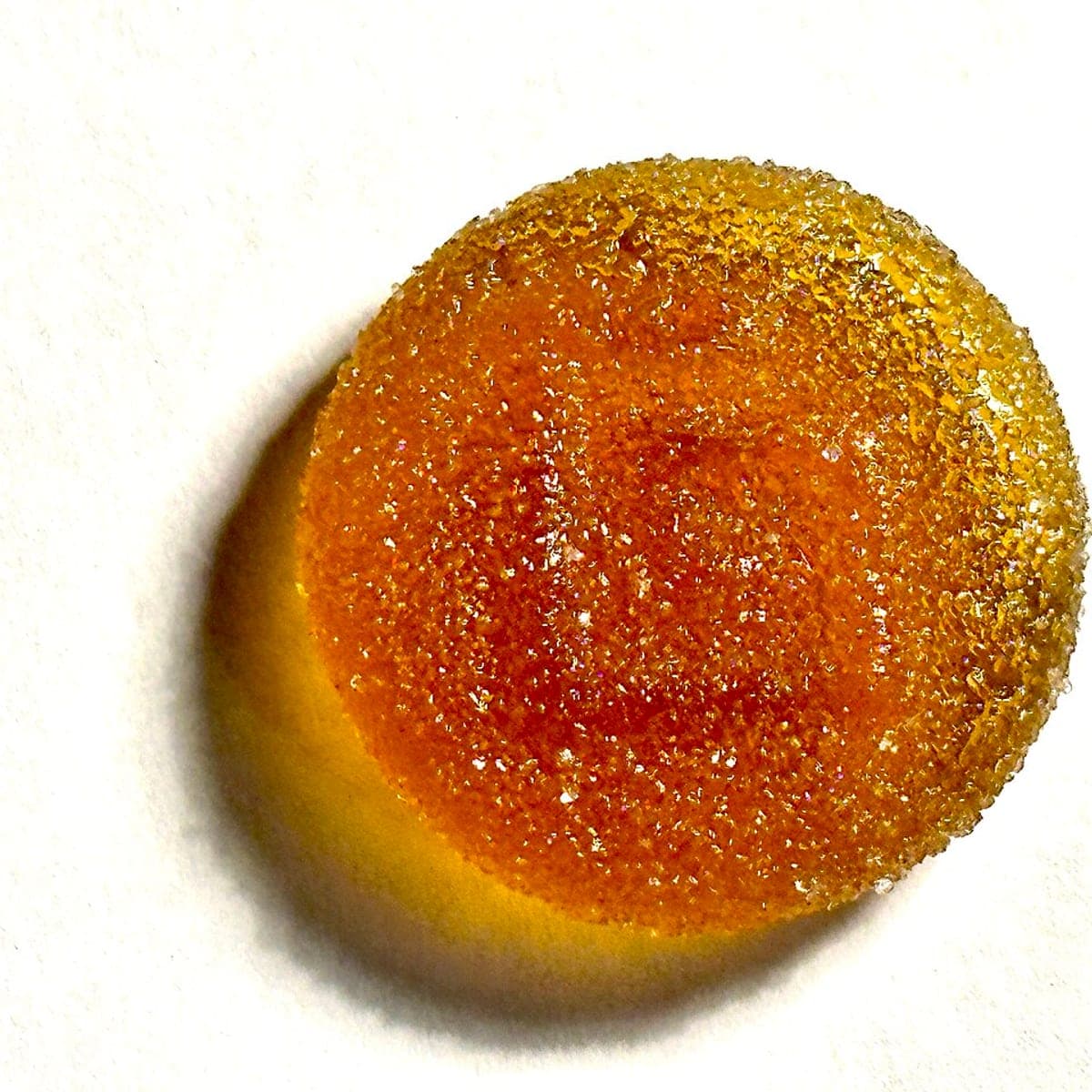
A disposable blinks to tell you why it will not fire. Most often the battery is too low, and charging it fixes the problem. A few quick blinks can also mean the short-circuit or overheating protection has cut in, or that a draw ran past the time limit. Patterns vary by maker, so the leaflet has the final word.
Editorial Team · Compliance and product research · Updated
The light on an all-in-one device is the only screen it has. When it blinks instead of glowing steadily, the device is not failing at random: its control chip has refused to fire the coil and is telling you which safety rule stopped it.
Reading that signal correctly takes a minute and saves throwing away a device that only needed charging.
There is no industry-wide blink code. Many manufacturers use a run of about ten rapid blinks for a battery too low to fire, and three for a short circuit, but others use different counts, colours or a single long flash. Where the packaging or leaflet gives a code, that code wins over anything here, including this article.
What follows is the pattern most devices share, and the order in which to rule causes out.
| What you see | Most likely cause | What to do |
|---|---|---|
| A run of rapid blinks when you draw, and no vapour | The battery is too low to fire, and the low-voltage protection has cut in | Charge it, if it has a USB-C port. See charging a rechargeable disposable safely |
| Blinks at the end of a long draw, then works normally | The draw ran past the time limit built in to protect the coil | Take shorter draws. Nothing is wrong with the device |
| A few blinks on every draw, even when charged | Short-circuit protection, often from moisture at the contacts | Stand it mouthpiece up to dry. If it carries on, the device is finished |
| Blinks, and the body feels hot | Overheating protection | Put it down on something non-flammable and let it cool. If it is hot rather than warm, do not use it again |
| Lights normally, but little or no vapour | Cold, thick oil or a blocked airway | Warm it in a closed hand for two or three minutes. See why a cartridge clogs |
Most rechargeable all-in-ones blink when the cell no longer has enough charge to fire the coil. The chip stops it firing rather than letting it run weakly, which protects both the cell and the coil.
Charge it with a low-output adapter and the cable it came with, if it came with one, and give it a real charge rather than a minute or two before trying again. Many devices show a steady or changing light while charging, though what that light does varies by maker.
A device with no charging port is not rechargeable. If it blinks for low battery, it has reached the end of its life, whatever is left inside.
Almost every device stops firing after a draw of several seconds and blinks to say so. The limit is there to stop a coil overheating during one very long pull. The exact length varies between models.
If the device works normally on the next, shorter draw, this was the cause and nothing needs fixing.
If a device keeps blinking on every draw after it has been charged, the chip has usually detected a short. On an all-in-one that is most often moisture: condensation that has worked its way down to the contacts.
Stand it upright, mouthpiece up, for a few hours somewhere warm and dry, then try again. On a 510 cartridge, unscrew it, wipe the contacts on both the cartridge and the battery with a dry cloth, and thread it back on without over-tightening.
If the blinking continues after that, the fault is inside, and an all-in-one has nothing serviceable in it.
Most all-in-ones have no button. A small pressure sensor detects your draw and switches the coil on. Condensation or pocket lint in the airway can stop it registering, so the device does nothing and shows no light.
If none of those brings the light back, the device is either empty or has failed. An all-in-one gives no way to tell the two apart, and neither is fixable.
Any of those means the lithium cell inside may be damaged. Do not charge it again, do not open it, and do not put it in household trash: disposing of vape hardware and batteries covers where it goes instead.
A 510 cartridge separates the oil from the battery, so a fault can be traced: thread the cartridge onto a different battery, and within a few seconds you know which half is at fault. An all-in-one gives you no such test, which is one of the trade-offs set out in disposable or cartridge.
Heat, light and time also change how any device behaves, and a device that has spent a day on a car dashboard often has more than one of these problems at once. See storing devices and what happens to oil in heat, light and air.
Sold to adults 21 and over. This article is about hardware. What a particular device is filled with, and in what quantity, is a question for the certificate of analysis issued against the batch code on its packaging — not for an article, and not for anything printed on a box.

A 510 cartridge is a small tank with a threaded base that screws onto a separate battery. The number is a thread specification, not a brand or a capacity. It is the most widely shared fitting in the category, which is why a cartridge from one maker usually fits a battery from another.
An all-in-one disposable arrives with its own battery and works out of the box. A 510 cartridge is a tank only and needs a battery you already own. Product names rarely make the difference obvious, and buying the wrong one is the most common ordering mistake in the category.

| No light at all when you draw | The sensor is not registering the draw, the battery is flat, or the device is empty | Clear the mouthpiece, charge it, then work through the section below |
|---|
Store devices upright at room temperature, out of direct sun and out of a car. Heat thins oil and floods coils, cold thickens it and starves them, and light degrades what is inside. A part-used device going into a drawer should be left about half charged rather than full or empty.